

Most people know the feeling well: a sharp burst of energy mid-morning, followed by a slump that arrives almost without warning around 3pm. Then comes the irritability, the brain fog, the reaching for biscuits or another coffee. What many don’t realise is that this pattern is largely driven by what and when we eat. Understanding the nutrition basics to stabilise energy and mood through the day can genuinely shift how you feel, perform, and cope with everyday stress.

Why Energy and Mood Are So Tightly Linked to Food
Your brain runs almost entirely on glucose, the sugar your body extracts from carbohydrates. But it’s not just about how much glucose you have available; it’s about how steadily it’s delivered. When blood sugar spikes sharply, you feel a temporary high. When it crashes, so does your mood, concentration, and patience. This is why a sugary breakfast cereal might feel fine at 8am but leaves you struggling by 10.
Beyond blood sugar, food influences neurotransmitter production. Serotonin, the chemical associated with calm and contentment, is produced largely in the gut. Its precursor, tryptophan, comes directly from protein-rich foods. Dopamine, which drives motivation and focus, similarly depends on dietary amino acids. In short, what you eat shapes your brain chemistry in ways that play out across every hour of your day.
Start With a Balanced Breakfast
Skipping breakfast isn’t inherently harmful for everyone, but if you do eat in the morning, the composition of that meal matters enormously. A breakfast built around refined carbohydrates alone, think white toast or sweetened yoghurt, will trigger a blood sugar spike and the subsequent crash that follows. Instead, aim to combine a source of complex carbohydrates, protein, and healthy fat in one meal.
Oats with Greek yoghurt and a handful of seeds, or eggs with wholegrain toast and avocado, are examples that provide slow-releasing energy. This approach keeps blood glucose steadier for longer, which translates directly into more consistent focus and fewer mood dips before lunch. It’s one of the most accessible nutrition basics to stabilise energy and mood through the day, and it sets the tone for everything that follows.
The Role of Protein at Every Meal
Protein is often thought of in the context of muscle building, but its importance for mental and emotional balance is frequently overlooked. Eating adequate protein at each meal slows the absorption of carbohydrates, which helps prevent those sharp blood sugar swings. It also provides the building blocks for the neurotransmitters that regulate how you feel.
You don’t need to eat large quantities. A palm-sized portion of chicken, fish, eggs, legumes, tofu, or dairy at each meal is generally sufficient for most adults. Spreading protein across the day rather than loading it all into one meal is more effective for maintaining steady energy levels.
Don’t Fear Fat, but Choose It Wisely
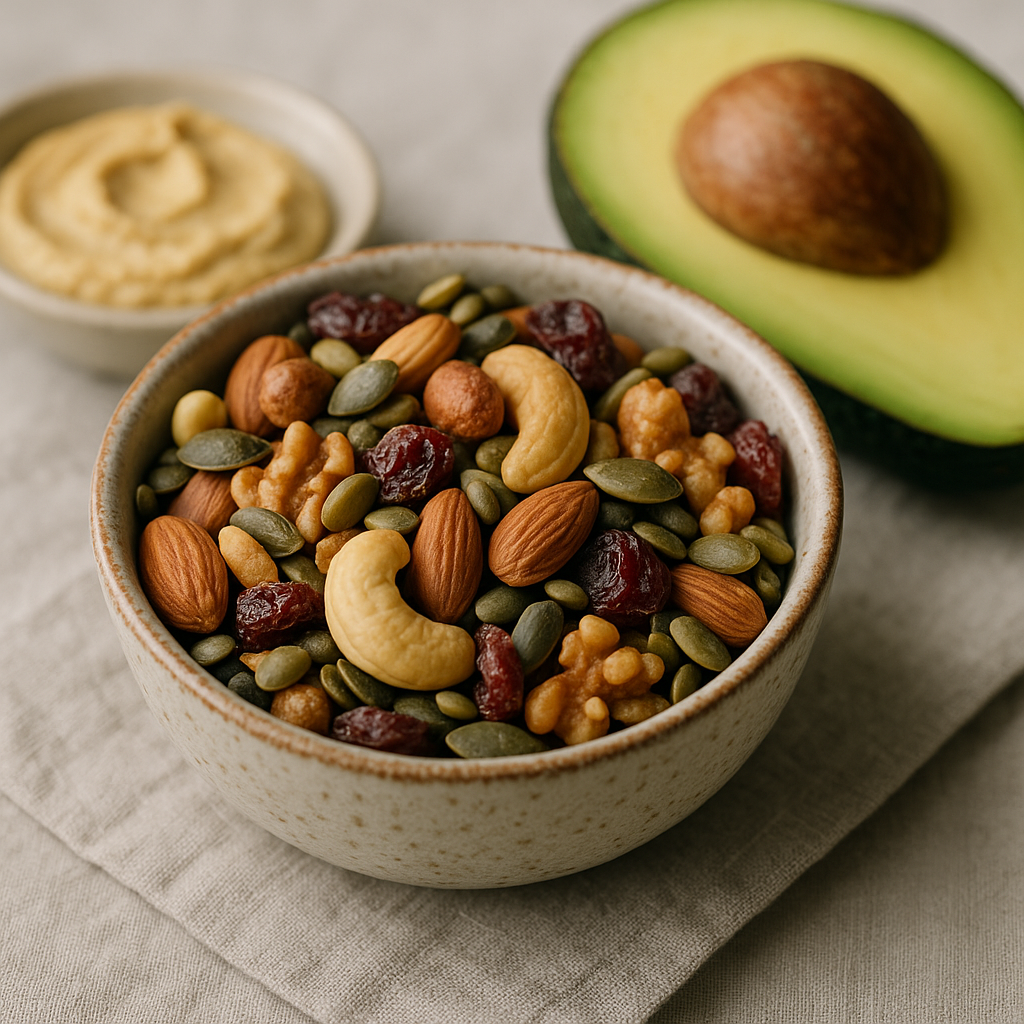
Dietary fat has had a complicated reputation over the decades, but the evidence is now fairly clear: healthy fats are essential for brain function and hormone production. Omega-3 fatty acids in particular, found in oily fish such as salmon and mackerel, walnuts, flaxseeds, and chia seeds, have been linked to improved mood, reduced anxiety, and better cognitive function.
Healthy fats also slow gastric emptying, meaning food stays in your stomach longer and energy is released more gradually. Adding a small portion of avocado, olive oil, nuts, or oily fish to meals is a practical way to build stability into your day. It’s a detail that often goes unmentioned but sits at the heart of solid nutrition basics to stabilise energy and mood through the day.
Managing Snacks and the Afternoon Slump
The mid-afternoon energy dip is partly biological, tied to natural circadian rhythms, but it’s made significantly worse by poor eating earlier in the day. If you find yourself reaching for something sweet around 3pm, it’s worth examining what you ate at lunch. A meal heavy in refined carbohydrates and low in protein or fat is usually the culprit.
If you do need a snack, pair something with a little carbohydrate alongside protein or fat. An apple with almond butter, a small handful of mixed nuts, or oatcakes with hummus are all options that support steady blood sugar rather than spiking it. Avoid high-sugar snacks and energy drinks, which offer a short burst of energy followed by a deeper crash.
Hydration and Its Underestimated Effect on Mood
Even mild dehydration, around one to two percent of body weight, has been shown to affect mood, concentration, and the perception of effort. Many people move through their day in a state of low-level dehydration without connecting it to their irritability or fatigue. Water doesn’t directly deliver energy, but it’s essential for every metabolic process that does.
Aim for roughly six to eight glasses of water across the day, more if you’re active or the weather is warm. Herbal teas count towards this. Coffee, while popular, has a mild diuretic effect and can contribute to blood sugar fluctuations if consumed in large quantities, especially on an empty stomach.
Putting It Together: A Practical Eating Pattern
The details of nutrition can feel overwhelming when considered all at once. But the underlying principles are straightforward. Eat regularly enough to avoid blood sugar dips. Build each meal around vegetables, a quality protein source, and a complex carbohydrate. Add healthy fats. Stay hydrated. Limit foods and drinks that spike and crash blood sugar rapidly.
These are, at their core, the nutrition basics to stabilise energy and mood through the day. They don’t require expensive supplements or an obsessive approach to eating. They require consistency and a reasonable understanding of how food affects the body. Start by adjusting one meal at a time, notice how you feel, and build from there. Small, sustainable changes made regularly will always outperform dramatic short-term overhauls.
Frequently Asked Questions
What foods are best for preventing the afternoon energy slump?
Foods that combine protein, healthy fats, and complex carbohydrates help prevent the afternoon dip. Good options include a lunch with lean protein, plenty of vegetables, and wholegrains. Avoid large portions of refined carbohydrates, which can cause blood sugar crashes a few hours later.
How does blood sugar affect mood?
When blood sugar rises sharply and then drops, the brain responds with symptoms like irritability, anxiety, poor concentration, and fatigue. Keeping blood sugar steady through balanced meals helps maintain a more consistent emotional state throughout the day.
Can skipping meals affect my mental health?
Skipping meals, particularly over a prolonged period, can lead to blood sugar drops that worsen mood, increase stress responses, and impair concentration. Eating regular, balanced meals is one of the simplest ways to support both mental and physical wellbeing.
Are there specific nutrients that support mood stability?
Yes. Omega-3 fatty acids, magnesium, B vitamins, and tryptophan (found in protein-rich foods) all play roles in neurotransmitter production and mood regulation. A varied diet with plenty of whole foods generally covers most of these needs without the need for supplements.
How much protein should I eat to support steady energy levels?
Most adults benefit from around 0.8 to 1.2 grams of protein per kilogram of body weight per day. Spreading this across three meals rather than consuming it all at once is more effective for maintaining stable blood sugar and consistent energy levels.
Leave a Reply