

Scroll through any wellness corner of Instagram or TikTok and you will not have to look far before someone is spooning ground flaxseeds into their morning smoothie and crediting seed cycling for hormones balancing out nicely. It has become one of those practices that sits right in the grey zone between genuine nutritional insight and wishful thinking. So what is actually going on here, and is there any reason to try it?
Let us look at what seed cycling involves, what the science genuinely supports, and how to approach it sensibly if you want to give it a go.
What Is Seed Cycling?
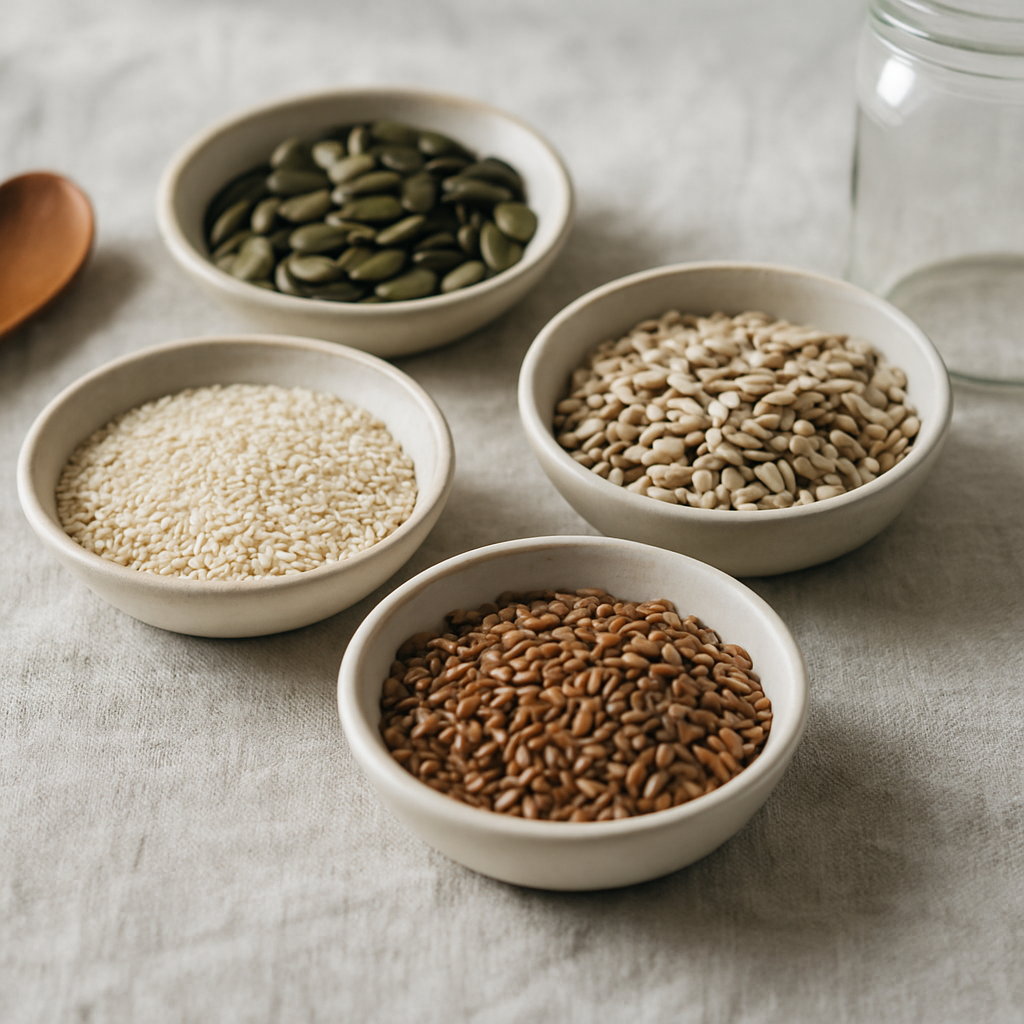
Seed cycling is a dietary practice that involves eating specific seeds during two phases of the menstrual cycle, with the aim of supporting the natural rise and fall of oestrogen and progesterone. The typical protocol works like this:
- Days 1 to 14 (follicular phase): Eat one tablespoon each of ground flaxseeds and raw pumpkin seeds daily.
- Days 15 to 28 (luteal phase): Switch to one tablespoon each of raw sesame seeds and sunflower seeds daily.
If you have an irregular cycle or no cycle at all, many practitioners suggest syncing with the lunar calendar instead, eating the first set of seeds during the new moon and switching at the full moon.
The logic is that flaxseeds contain lignans (phytoestrogens) that may modulate oestrogen activity during the follicular phase, while pumpkin seeds offer zinc to support progesterone production after ovulation. In the second half of the cycle, sesame seeds bring further lignans plus zinc, and sunflower seeds contribute selenium and vitamin E, both of which play roles in hormone metabolism.
What Does the Research Actually Say?
Here is where things get honest. There are no large-scale clinical trials specifically studying seed cycling as a protocol. The evidence base is thin in the formal sense. What we do have is a reasonable body of research on the individual nutrients in these seeds and their relationship to hormonal health.
Flaxseeds are one of the most studied foods in relation to female hormones. The lignans they contain are converted by gut bacteria into enterolignans, which have a weak oestrogenic effect and may help buffer oestrogen dominance. A small study published in the journal Cancer Epidemiology, Biomarkers and Prevention found that flaxseed supplementation lengthened the luteal phase and improved the ratio of certain oestrogen metabolites. That is not nothing.
Zinc, found in both pumpkin and sesame seeds, is genuinely important for progesterone production and ovarian function. Low zinc status has been linked in research to menstrual irregularity. Selenium, present in sunflower seeds, supports thyroid function, which is deeply intertwined with reproductive hormone health. Vitamin E has anti-inflammatory properties and some early evidence connecting it to reduced period pain.
So the individual components have credible biological roles. The question is whether eating one tablespoon a day of these seeds in a timed pattern delivers enough of any nutrient to shift hormonal activity in a meaningful way. Honestly, the amounts are modest. A tablespoon of ground flaxseed contains roughly 1.5 to 2g of lignans, which is within a therapeutic range used in some studies, but the evidence that the timing amplifies the effect is entirely theoretical at this point.
Who Might Benefit Most from Trying Seed Cycling?
Despite the limited formal evidence, seed cycling for hormones is not a harmful practice, and for certain people it may be genuinely worthwhile. Those who tend to notice the most reported benefit include:
- People with mild to moderate PMS symptoms such as bloating, breast tenderness, or mood shifts in the second half of their cycle.
- Those coming off hormonal contraception and hoping to support their cycle returning to a regular rhythm.
- People with PCOS who are exploring dietary approaches alongside medical care. The NHS advises that lifestyle changes can help manage PCOS symptoms, and improving overall nutrient density is a sensible part of that.
- Anyone in perimenopause looking for gentle, food-first support for fluctuating hormones.
It is worth being clear: seed cycling is not a replacement for medical treatment. If you have endometriosis, severe PCOS, or any diagnosed hormonal condition, please talk to your GP or a registered dietitian before relying on this approach alone. You can find information about hormonal conditions via the NHS PCOS page, which outlines evidence-based management options.
How to Actually Do Seed Cycling Day to Day
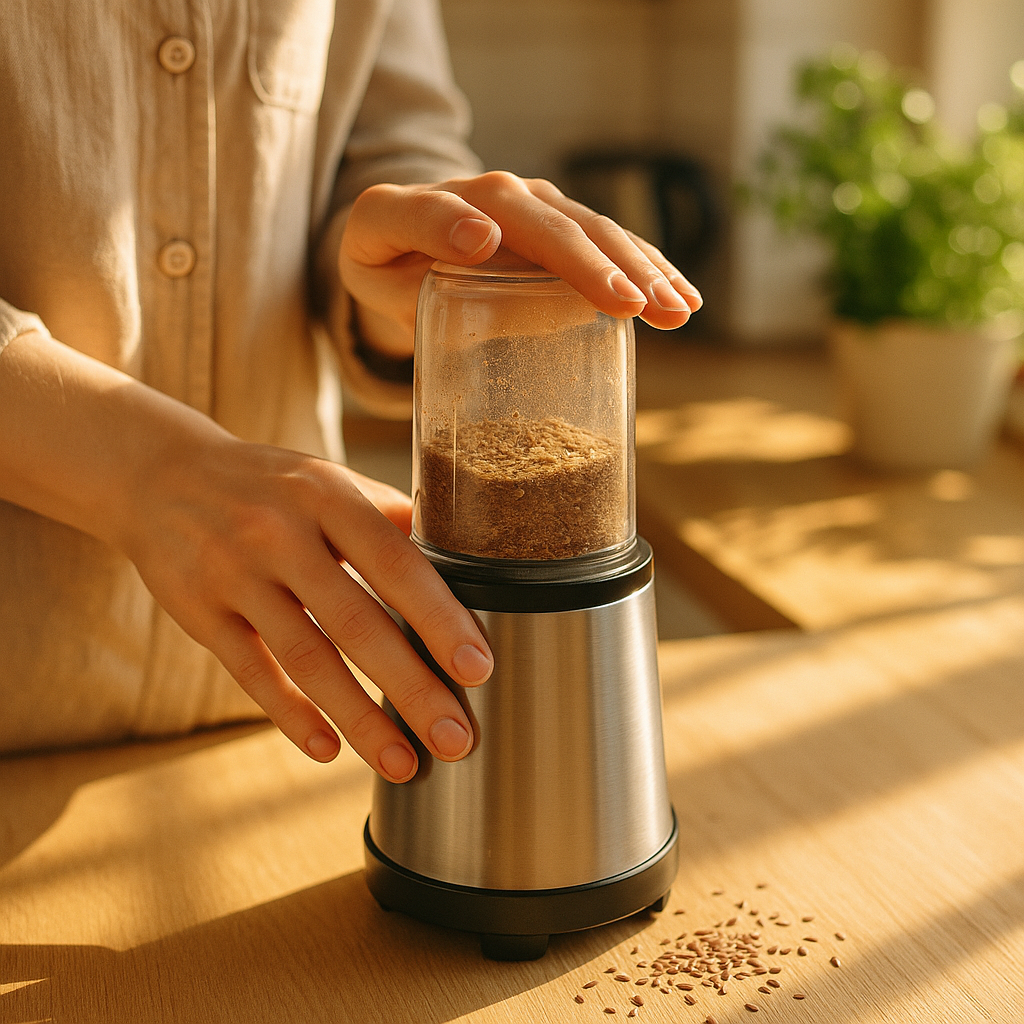
The practical side is simpler than it sounds. Buy whole flaxseeds and grind them yourself in a small blender or coffee grinder, as pre-ground flax goes rancid quickly. Pumpkin, sesame, and sunflower seeds can be eaten raw and whole, though grinding them also makes the nutrients more bioavailable.
Keep both your phase-one and phase-two seed mixes in small glass jars in the fridge. A tablespoon stirred into porridge, blended into a smoothie, sprinkled over a salad, or mixed into yoghurt is all it takes. It genuinely takes about thirty seconds once you are in the habit.
Give it at least two to three full cycles before drawing any conclusions. Hormonal shifts are slow, and any nutritional intervention takes time to show results. Keep a simple symptom diary noting energy, mood, cramps, and cycle length so you have something concrete to compare month on month.
Are There Any Risks to Seed Cycling?
For most people, the answer is no. These are whole foods in modest amounts. The most common issue is digestive adjustment, particularly with flaxseeds if you are not used to them; start with half a tablespoon and build up gradually. People with a sesame allergy should obviously avoid the sesame seeds and could substitute hemp seeds in the second phase instead.
Those on blood thinners should speak to their GP before adding flaxseeds regularly, as the omega-3 content can have a mild anticoagulant effect in larger quantities. And if you are pregnant or breastfeeding, check with your midwife first.
My Honest Take on Seed Cycling for Hormones
Seed cycling for hormones sits somewhere between a folk remedy with plausible nutritional logic and a wellness trend that has outrun its evidence. It is not magic, and I would be sceptical of anyone selling it as a cure for serious hormonal conditions. But it is also not nonsense. Adding a diverse range of seeds to your diet on a regular basis is a genuinely good idea regardless of cycle phase; they are rich in fibre, healthy fats, zinc, magnesium, and plant protein. If the cycling structure helps you stay consistent with that habit, all the better.
Think of it less as a hormonal intervention and more as a low-effort way to broaden your nutritional intake in a direction that is likely to support overall health. If it helps with your PMS, fantastic. If it does not, you have still been eating more seeds, which is never a bad outcome.
Start small, be patient, and keep your expectations grounded. That feels like the right baseline for most wellness practices, and this one is no exception.
Frequently Asked Questions
How long does seed cycling take to work?
Most practitioners suggest giving seed cycling at least two to three full menstrual cycles before expecting noticeable changes. Hormonal shifts happen gradually, so tracking your symptoms with a diary over two to three months is the most reliable way to assess whether it is helping you.
Can you do seed cycling if you have no regular period?
Yes. If your cycle is absent or very irregular, many people follow the lunar cycle as a guide, eating the follicular phase seeds during the new moon phase and switching to the luteal phase seeds around the full moon. It provides structure without requiring a regular cycle.
Do the seeds need to be ground for seed cycling to work?
Grinding seeds, particularly flaxseeds, significantly improves nutrient absorption since whole flaxseeds can pass through the digestive system largely intact. Pumpkin, sesame, and sunflower seeds can be eaten whole but grinding them also increases bioavailability. Store ground seeds in the fridge to prevent them going rancid.
Is seed cycling safe with hormonal conditions like PCOS or endometriosis?
Seed cycling is generally considered a low-risk dietary practice, but if you have a diagnosed hormonal condition such as PCOS or endometriosis, you should speak with your GP or a registered dietitian before relying on it as a primary treatment. It may be a useful complement to medical care, but should not replace it.
Where can you buy seeds for seed cycling in the UK?
All four seeds used in seed cycling, flaxseeds, pumpkin seeds, sesame seeds, and sunflower seeds, are widely available in UK supermarkets including Waitrose, Tesco, and Sainsbury’s, as well as health food shops like Holland & Barrett. Buying organic and raw where possible is generally recommended, and whole seeds are often cheaper than pre-ground.
Leave a Reply