Author: Alex Mason

  • Digital wellbeing: finding a healthy baseline in a hyperconnected world

    Digital wellbeing: finding a healthy baseline in a hyperconnected world

    Digital wellbeing is no longer a niche idea. For many of us, screens are the first thing we see in the morning and the last thing we check at night. If you want to start your day at your baseline – calm, clear and centred – it helps to get intentional about how you use your devices.

    What is digital wellbeing and why does it matter?

    At its simplest, digital wellbeing is about having a healthy relationship with technology so it supports your life instead of draining it. It is not anti-tech. It is pro-boundaries.

    Too much unstructured screen time is linked with poorer sleep, higher stress and difficulty focusing. Constant notifications keep your nervous system on alert, making it harder to relax. Over time, this can chip away at mood, productivity and even physical health through inactivity and eye strain.

    Looking after your digital wellbeing means noticing how technology makes you feel, then adjusting your habits so you feel more grounded, rather than overstimulated.

    Morning routines that protect your digital wellbeing

    How you start your day sets the tone for everything that follows. If your phone is your alarm, it is easy to fall straight into emails, news or social media before you have even got out of bed.

    Try these simple shifts to create a calmer morning baseline:

    • Use a basic alarm clock so your phone can stay outside the bedroom.
    • Commit to 15 to 30 minutes phone free after waking – use that time for stretching, a glass of water, or a short walk.
    • Turn off non-essential notifications overnight so you are not greeted by a wall of alerts.
    • Keep your home screen clear of distracting apps and place only essentials where you can see them.

    These small boundaries help your brain wake up gradually, rather than being hit with a rush of information and comparison.

    Managing information overload for better digital wellbeing

    One of the biggest strains on digital wellbeing is sheer volume – of messages, content and choices. To protect your mental space, treat your attention as something precious.

    Consider:

    • Batch checking emails and messages at set times instead of constantly dipping in.
    • Unsubscribing from newsletters and muting group chats that no longer serve you.
    • Using “do not disturb” modes during focused work, meals and conversations.
    • Setting time limits for the apps you tend to scroll on without thinking.

    Even tech focused companies like dijitul are increasingly talking about balance, recognising that long term performance relies on healthy, rested people, not constant online availability.

    Social media, comparison and your baseline

    Social platforms can connect, inspire and educate. They can also fuel comparison, anxiety and low mood. Your these solutions depends less on being online and more on how and why you are there.

    Ask yourself regularly:

    • How do I feel after using this app – energised, informed, flat or agitated?
    • Am I choosing to open it, or tapping it out of habit or boredom?
    • Whose content lifts me up, and whose leaves me tense or inadequate?

    Unfollow accounts that spike stress or self criticism, even if everyone else seems to follow them. Curate a feed that reflects your values, not your fears. Your baseline should feel like you, not like someone else you are trying to keep up with.

    Sleep, screens and evening wind down

    Good sleep is one of the strongest foundations for wellbeing, yet late night scrolling is a common sleep disruptor. Blue light can interfere with your body clock, while stimulating content keeps your mind active when it should be slowing down.

    To protect your evening these solutions:

    • Set a digital sunset, ideally 60 minutes before bed, where you step away from phones, laptops and tablets.
    • Use warmer screen settings or night modes from early evening if you must be online.
    • Create a wind down routine: reading a book, gentle stretching, journalling or a warm bath.
    • Charge devices outside the bedroom so you are not tempted to scroll if you wake in the night.

    Think of this as giving your brain a chance to land, so you can wake closer to your natural baseline the next morning.


    Woman setting boundaries with her phone as part of digital wellbeing
    Man taking a screen break outdoors to improve digital wellbeing

    Digital wellbeing FAQs

    What does digital wellbeing actually involve day to day?

    Day to day, digital wellbeing means using your devices in a way that supports your health instead of undermining it. That might look like setting clear times to check messages, limiting social media scrolling, turning off non-essential notifications, protecting your sleep from late night screen use and choosing online content that leaves you feeling informed or inspired instead of tense or drained.

    How can I improve my digital wellbeing without quitting social media?

    You do not need to quit social media to improve your digital wellbeing. Start by unfollowing accounts that trigger comparison or anxiety, muting noisy group chats, and setting daily time limits for the apps you use most. Build in screen free pockets such as during meals, the first half hour after waking and the hour before bed. Focus on using social platforms intentionally, for connection or learning, rather than as a default distraction.

    Can better digital wellbeing really help my sleep and stress levels?

    Yes. Constant notifications and late night scrolling keep your nervous system activated and can disrupt your body clock, both of which make it harder to fall and stay asleep. By setting boundaries around evening screen use, reducing information overload and giving yourself tech free wind down time, you are more likely to sleep deeply and wake feeling closer to your natural baseline, which in turn can lower everyday stress.


  • How To Stop Doomscrolling: Creating A Healthy Information Diet

    How To Stop Doomscrolling: Creating A Healthy Information Diet

    If you wake up and reach for your phone before you even get out of bed, you are not alone. Many of us want to know how to stop doomscrolling, yet we feel pulled towards the next alarming headline or breaking story. It can feel like staying informed, but your body often tells a different story.

    How doomscrolling affects your nervous system

    Our brains are wired to scan for threats. The 24/7 news cycle takes advantage of this by serving a constant stream of danger, conflict and outrage. Each shocking headline triggers a mini stress response. Your body releases adrenaline and cortisol, your heart rate may rise, and your muscles subtly tense as if you need to act.

    When this happens repeatedly throughout the day, your nervous system can get stuck in a state of hyper-alertness. You might feel jumpy, irritable or on edge without knowing why. Over time, this constant low-level stress can contribute to headaches, digestive issues, muscle tension and a general sense of unease.

    Doomscrolling also keeps your attention fragmented. Rapidly switching between stories and platforms makes it harder for your brain to process information properly, so worries linger and feel bigger than they are.

    How doomscrolling disrupts sleep and mood

    Late-night scrolling exposes your eyes to bright blue light, which suppresses melatonin, the hormone that tells your body it is time to sleep. At the same time, upsetting news spikes your stress hormones. Your body ends up getting mixed messages: stay awake and stay alert, even when you are in bed.

    This combination makes it harder to fall asleep and stay asleep. You might notice racing thoughts, replaying stories you have read, or waking in the night to check your phone. Poor sleep then feeds into low mood, anxiety and difficulty concentrating the next day.

    Emotionally, constant exposure to distressing news can lead to a sense of helplessness. You may feel that the world is only getting worse, even though positive stories rarely receive the same attention. This negativity bias can increase symptoms of anxiety and depression and make everyday stresses feel heavier.

    Why doomscrolling feels addictive

    Understanding how to stop doomscrolling starts with knowing why it is so hard to put the phone down. Each time you refresh your feed, you get a new hit of information. Sometimes it is shocking, sometimes mildly interesting, occasionally uplifting. This unpredictable mix keeps your brain hooked, releasing dopamine in anticipation of the next piece of content.

    There is also a powerful social element. Many people worry that if they unplug, they will miss something important or seem uninformed. In uncertain times, checking the news can feel like a way to stay in control, even if it actually leaves you feeling more overwhelmed.

    How to stop doomscrolling with a healthy information diet

    Think of your news intake like your food intake: you need enough to stay nourished, but too much of the wrong thing leaves you feeling unwell. Here is a simple framework to create a healthier information diet.

    1. Set clear “news windows”

    Choose one or two short times in the day to catch up on news, such as mid-morning and early evening. Outside those windows, avoid news apps and social feeds. This limits the constant drip of stress while still keeping you informed.

    2. Protect your mornings and evenings

    Make a rule that you will not check news for the first 30 to 60 minutes after waking and the last hour before bed. Use that time for grounding habits instead: stretching, a short walk, a proper breakfast or a few minutes of slow breathing. These moments help you start and end the day at your baseline, rather than in a state of alarm.

    3. Tidy up your notifications

    Turn off breaking news alerts and limit notifications from social media. If that feels like too much, start by muting them overnight. Reducing interruptions gives your nervous system a chance to relax and makes it easier to stay present with whatever you are doing.

    Relaxed person putting their phone away and stretching in a cosy living room as part of a routine for how to stop doomscrolling.
    Person walking in a peaceful park at sunrise with their phone away, showing a mindful strategy for how to stop doomscrolling.

    How to stop doomscrolling FAQs

    Why is it so hard to stop doomscrolling once I start?

    Doomscrolling taps into your brain’s threat and reward systems. Each refresh offers new information, sometimes alarming, sometimes mildly interesting. This unpredictable mix releases dopamine and keeps you searching for the next update. On top of that, worrying headlines trigger your stress response, so you feel compelled to keep checking for reassurance. Setting time limits, removing autoplay and turning off push alerts can break this cycle and make it easier to put your phone down.

    Can doomscrolling really affect my physical health?

    Yes. Repeated exposure to distressing news can keep your body in a state of low-level stress. Stress hormones such as cortisol and adrenaline stay elevated, which over time can contribute to headaches, muscle tension, digestive issues, raised blood pressure and weakened immunity. It can also disrupt sleep, which affects energy, appetite and mood. Reducing your news intake, especially in the evening, and adding calming routines can help your body return to a healthier baseline.

    How can I stay informed without feeling overwhelmed?

    Decide what “informed” means for you and build simple boundaries around it. You might choose one or two short news windows per day, follow a limited number of trusted sources and use a daily summary rather than live feeds. Avoid checking news first thing in the morning or last thing at night, and pay attention to how your body feels as you read. If you notice rising tension or anxiety, pause, take a few slow breaths and step away. This way, you stay connected to the world while still protecting your wellbeing.

  • How Biophilic Home Design Can Boost Your Everyday Wellbeing

    How Biophilic Home Design Can Boost Your Everyday Wellbeing

    Biophilic home design for wellbeing is all about bringing the calming power of nature into the spaces where you spend most of your time. When your home supports your body and mind, it becomes easier to start each day at your baseline – balanced, rested and ready.

    What is biophilic home design for wellbeing?

    Biophilic design is based on our innate need to connect with nature. Instead of treating your home as a sealed box, it weaves in natural light, fresh air, greenery and organic materials to create a soothing, supportive environment. When this approach is used thoughtfully, biophilic home design for wellbeing can reduce stress, support better sleep and even improve focus.

    This does not mean filling every corner with plants. It is about creating a subtle, steady sense of nature: the warmth of wood under your feet, a view of the sky from your favourite chair, or the sound of rain on glass while you stay cosy indoors.

    Natural light and views: your daily reset

    Light is one of the strongest signals for your body clock. A home that lets in plenty of daylight helps regulate sleep hormones, so you feel naturally more alert in the morning and more ready to rest at night. Aim to spend your first waking minutes in a room with generous windows or doors that open onto the outdoors.

    If you are planning any upgrades, think about how you can increase light and views. Larger windows, rooflights and glazed structures such as conservatories can all help, but even small steps make a difference. Rearranging furniture to face a window, pulling back heavy curtains, or swapping dark blinds for lighter ones can gently lift your baseline mood each day.

    Bringing nature inside with materials and textures

    Biophilic home design for wellbeing also focuses on what you touch and see up close. Natural materials tend to feel warmer and more grounding than plastics and laminates. Consider:

    • Wooden floors, shelves or side tables that show the grain
    • Natural fabrics like cotton, linen or wool for bedding and throws
    • Stone, clay or ceramic finishes in kitchens and bathrooms

    These textures create a sense of calm continuity with the outdoors. Even if a full renovation is not on the cards, small swaps – a wooden lamp base, a woven rug, a linen cushion cover – can nudge your space towards a more natural feel.

    Plants, air quality and your baseline energy

    Indoor plants are a simple, affordable way to shift the atmosphere of a room. They soften hard edges, add gentle colour and can help you feel more connected to the seasons. Choose low maintenance varieties if you are new to plant care, such as snake plants, pothos or peace lilies.

    Place plants where you spend time rather than just in corners: on your desk, beside your bed or near the dining table. This keeps nature within your everyday line of sight, which research suggests can lower stress levels and support more stable energy across the day.

    Good air quality is just as important. Regularly opening windows, even for a few minutes, helps clear indoor pollutants and brings in fresh oxygen. Pair this with plants and you create a gentle, natural breathing space that supports your lungs and your nervous system.

    Designing calming routines into your space

    The most powerful biophilic homes do more than look good – they support daily rituals that keep you at your baseline. Try creating:

    • A morning light spot: a chair by the window where you drink water or stretch in daylight
    • A green work zone: a desk with at least one plant, a view outside and minimal clutter
    • A wind-down corner: soft lighting, natural textures and a clear view of the sky or garden

    Think of your home as a partner in your wellbeing. Each small design choice can make it easier to choose rest over scrolling, a glass of water over another coffee, or a few minutes of stretching over collapsing onto the sofa.

    Calming bedroom showing biophilic home design for wellbeing with soft textures and greenery
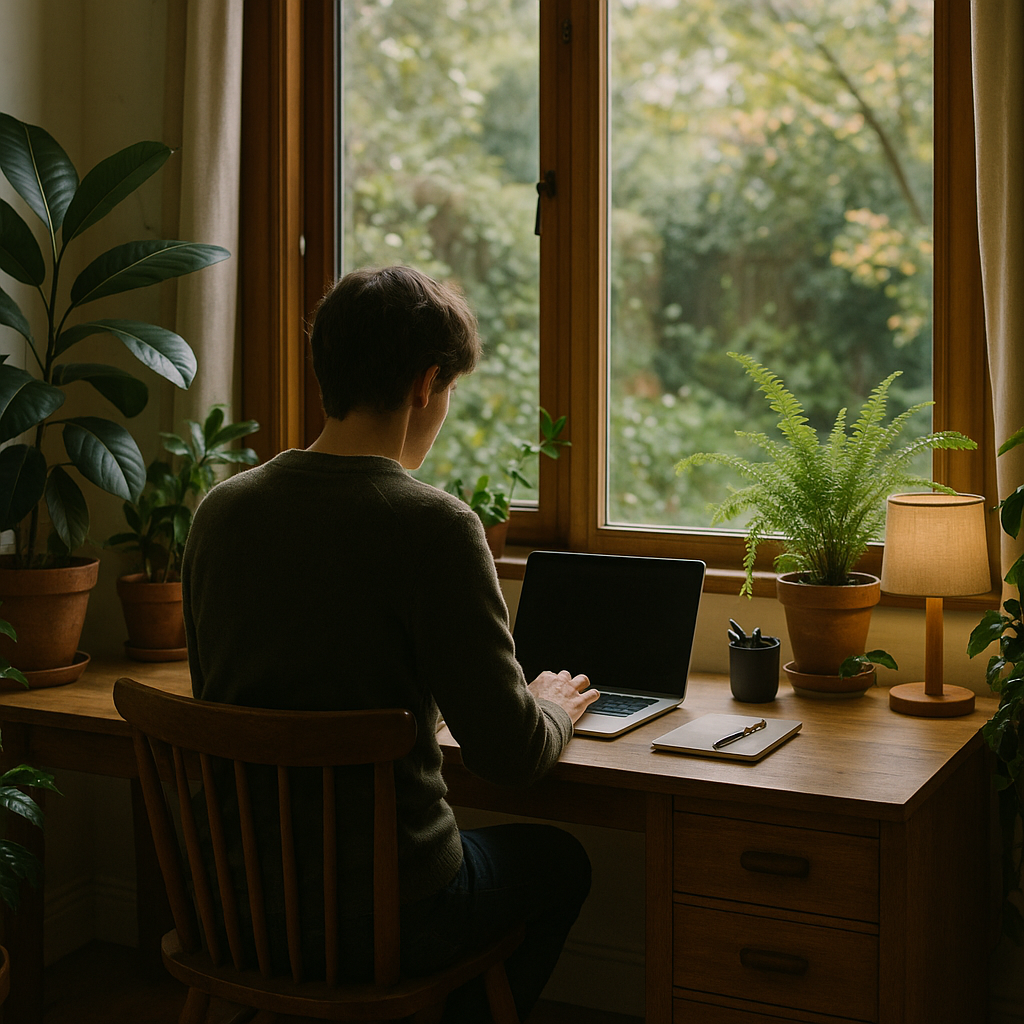
    Home workspace arranged with biophilic home design for wellbeing including plants and garden view

    Biophilic home design for wellbeing FAQs

    Is biophilic home design for wellbeing expensive to implement?

    It does not have to be. While large windows and major structural changes can be costly, many elements of biophilic home design for wellbeing are inexpensive. Opening curtains fully, rearranging furniture to face natural light, adding a few houseplants, choosing natural fabrics for cushions or bedding and regularly airing rooms are all low cost steps that still support your body and mind.

    How can I use biophilic home design for wellbeing in a small flat?

    In a small flat, focus on what you can see, touch and smell each day. Place plants on window sills and shelves, use light coloured curtains to maximise daylight, and choose natural textures like cotton, wood and woven baskets. Even a single window with a view of the sky, a small herb pot in the kitchen and a cosy, nature inspired reading corner can bring the benefits of biophilic home design for wellbeing into compact spaces.

    Can biophilic home design for wellbeing help with sleep problems?

    It can support healthier sleep patterns by working with your body clock. Exposure to natural light in the morning helps regulate melatonin, while a darker, calmer bedroom in the evening signals to your brain that it is time to rest. Using biophilic home design for wellbeing, you might prioritise daylight in your morning spaces, choose soft, natural bedding, reduce clutter and include a small plant or two to create a soothing, sleep friendly environment.

  • Health-first morning routines that actually support your body

    Health-first morning routines that actually support your body

    Health-first morning routines are a powerful way to support your mood, hormones and energy without slipping into hustle culture. Instead of chasing a perfect 5am start or a long list of tasks, the focus shifts to helping your body feel safe, nourished and steady from the moment you wake.

    Why health-first morning routines beat hustle culture

    Hustle-style routines often glorify early alarms, ice baths and intense workouts before sunrise. While these can work for some, they can also spike stress hormones, disrupt sleep and leave you feeling wired rather than well. Health-first routines ask a different question: what does my body genuinely need to function well today?

    This approach respects your nervous system, your sleep needs and your current season of life. It is especially helpful if you live with anxiety, low mood, chronic stress or hormonal shifts, because it prioritises calm stability over constant productivity. Brands and practitioners that focus on sustainable wellbeing, such as the team behind The Body Coach app, often emphasise this gentler, more realistic perspective.

    Key elements of health-first morning routines

    When you strip away trends, there are a few core habits that consistently support your body in the morning. You can build your own routine by choosing one or two from each section and layering them gradually.

    Wake-up timing and nervous system calm

    Instead of forcing a very early alarm, aim for a consistent wake-up time that allows enough sleep. Your circadian rhythm thrives on regularity, not punishment. If you rely on your phone alarm, try to avoid diving straight into notifications. A two to five minute buffer to breathe, stretch and orient yourself can prevent an immediate stress response.

    Simple grounding practices like feeling your feet on the floor, placing a hand on your chest or taking five slow breaths help your nervous system shift gently from sleep to wakefulness.

    Light exposure for mood and hormones

    Morning light is one of the most powerful regulators of your body clock. Aim to get outside or at least to a bright window within an hour of waking. Ten to twenty minutes of natural light helps your brain reduce melatonin and increase serotonin and cortisol in a healthy, daytime pattern. This supports energy levels during the day and better sleep at night.

    On dark mornings, turning on several warm indoor lights and opening curtains fully is still helpful. If you struggle with seasonal dips in mood, you might explore a daylight lamp with guidance from a health professional.

    Hydration before high stimulation

    After several hours of sleep, your body is mildly dehydrated. Drinking water before coffee can reduce grogginess, headaches and that jittery feeling. You do not need a complicated drink – a glass of water, perhaps with a pinch of salt or a squeeze of lemon, is enough for most people.

    If you love your morning coffee, try having it with or after breakfast rather than on an empty stomach to be kinder to your digestion and stress response.

    Gentle movement instead of punishment workouts

    Short, gentle movement can wake up your joints, circulation and lymphatic system without overwhelming your body. Think five to ten minutes of stretching, yoga, mobility work or a slow walk. This is often more sustainable than a daily intense workout, especially if you are already under a lot of stress.

    Many people find online classes or local studios, such as the style of sessions offered by Barry’s Bootcamp, helpful for structure, but you do not need anything fancy. Your living room, a mat and a few simple moves are enough.

    Breakfast timing and blood sugar balance

    Eating within a couple of hours of waking can help stabilise blood sugar and support steady energy, especially if your breakfast includes protein, healthy fats and fibre. Examples include eggs on wholegrain toast, yoghurt with nuts and berries, or porridge with seeds.

    If you are experimenting with fasting, pay attention to how you actually feel. Persistent shakiness, irritability or energy crashes are signs your current pattern might not be serving you, and it is worth speaking to a healthcare professional.

    Balanced breakfast supporting energy and mood in health-first morning routines
    Morning walk in natural light as part of health-first morning routines

    Health-first morning routines FAQs

    What is a health-first morning routine?

    A health-first morning routine is a simple set of habits that prioritise your physical and emotional wellbeing rather than productivity or appearance. It usually focuses on sleep-friendly wake times, natural light, hydration, gentle movement and balanced breakfast choices to support mood, hormones and energy across the day.

    How long should a health-first morning routine take?

    It does not need to be long. Even 10 to 20 minutes can be effective if you use that time for supportive habits like light exposure, a glass of water and a few minutes of stretching. The key is consistency and kindness to your body, not squeezing in as many tasks as possible.

    Can I still be productive with a health-first morning routine?

    Yes. By supporting your nervous system, blood sugar and circadian rhythm, a health-first morning routine can actually improve focus and productivity later in the day. The aim is to create a calm, stable foundation so that when you do start work or study, you feel grounded rather than rushed or depleted.

  • Driving Deceptions: 8 Common Car Ownership Myths

    Driving Deceptions: 8 Common Car Ownership Myths

    The world of motoring is rife with folklore, passed down through generations and perpetuated by well-meaning friends and online forums. From fuel efficiency to maintenance, numerous myths surround car driving and ownership. While some may seem harmless, others can lead to costly mistakes and unnecessary anxiety. Let’s separate fact from fiction and debunk some of the most prevalent Car Ownership Myths.  

    Car Ownership Myths

    Myth 1: Premium Fuel Always Improves Performance

    A common misconception is that using premium fuel in any car will automatically boost performance and fuel economy. While high-octane fuel is designed for high-performance engines, it offers little to no benefit in standard vehicles. Unless your car’s manual specifically recommends it, sticking to regular unleaded is perfectly acceptable and will save you money at the pump.  

    Myth 2: Warming Up Your Car Before Driving is Essential

    In the past, carburetted engines required a warm-up period to function optimally. However, modern fuel-injected engines are designed to operate efficiently from cold. Idling your car for extended periods wastes fuel and contributes to unnecessary emissions. Simply starting your engine and driving gently for the first few minutes is sufficient.  

    Myth 3: Tyres Overinflated for Better Fuel Economy

    While slightly overinflated tyres can marginally improve fuel efficiency, excessively overinflated tyres can compromise safety and comfort. Overinflation reduces the tyre’s contact patch with the road, leading to decreased grip, especially in wet conditions. Always adhere to the tyre pressure recommendations outlined in your car’s manual.  

    Myth 4: Cars Drive Better When They’re Clean

    This is one of the more persistent car ownership myths, and one that many drivers wholeheartedly believe. While a clean car is undoubtedly more aesthetically pleasing, it has no impact on its mechanical performance. The psychological effect of driving a gleaming vehicle might create a perception of improved performance, but the engine, suspension, and other mechanical components remain unaffected by a wash and polish. The aerodynamic efficiency of a very dirty car might be slightly worse than a clean one, but unless you are driving in very extreme conditions, or have a car caked in mud, the difference is negligible. That said, high performance cars such as F1 cars will benefit from car detailing, as every tiny advantage they have over their rivals could mean the difference between winning, and not!

    Myth 5: Automatic Gearboxes are Less Fuel Efficient

    Automatic gearboxes have come a long way in recent years. Modern automatic transmissions, particularly those with advanced technologies like dual-clutch systems, can often be more fuel-efficient than their manual counterparts. They optimise gear selection for maximum efficiency, reducing fuel consumption and emissions.  

    Myth 6: Driving with the Windows Down is More Fuel Efficient than Air Conditioning

    This myth is often debated, but in most cases, using air conditioning at higher speeds is more fuel-efficient than driving with the windows down. The increased drag created by open windows at motorway speeds requires more engine power, negating any potential fuel savings. At lower speeds, opening the windows might be more efficient.

    Myth 7: All Oil is the Same

    Using the correct engine oil is crucial for optimal performance and longevity. Different engines require different oil viscosities and specifications. Using the wrong oil can lead to engine damage and decreased performance. Always consult your car’s manual for the recommended oil type.  

    Myth 8: You Should Change Your Oil Every 3,000 Miles.

    Technology has moved on, and modern oils and engines can go much further between oil changes. Check your car’s manual for the correct service intervals.  

    By separating fact from fiction, drivers can make informed decisions about car maintenance and driving practices, saving money and ensuring the longevity of their vehicles. It pays to be informed.

    We hope you enjoyed these Car Ownership Myths, how many of them did you beleive?

  • 5 Fun Things to Do in Nottingham: Beyond Robin Hood

    5 Fun Things to Do in Nottingham: Beyond Robin Hood

    Nottingham, a city steeped in history and buzzing with modern energy, offers a delightful mix of experiences for visitors of all ages. Forget just the legends of Robin Hood (though, of course, that’s a great starting point!). This vibrant city has so much more to discover. From exploring ancient caves to indulging in craft beers, Notts has something for everyone. So, if you’re planning a trip, here are five fun things to do in Nottingham that will leave you wanting more.

    1. Delve into History at Nottingham Castle

    No trip to Notts is complete without visiting the iconic Nottingham Castle. Perched high on a rock overlooking the city, the castle has witnessed centuries of history, from Norman conquests to royal intrigue. Explore the fascinating ruins, descend into the mysterious Mortimer’s Hole (a secret passage!), and discover the stories of past residents. The castle museum also houses a diverse collection of art and artefacts, offering a glimpse into Nottingham’s rich heritage. It’s a great place to spend a few hours, soaking up the atmosphere and imagining life in medieval times. And the views from the castle walls? Absolutely breath-taking.

    2. Explore the City of Caves

    Beneath the bustling streets of Nottingham lies a hidden world: the City of Caves. This network of sandstone caves, carved out over centuries, has served various purposes, from homes and workshops to air raid shelters during World War II. A guided tour through the caves is a truly unique experience, offering a fascinating insight into Nottingham’s past. You’ll learn about the people who lived and worked in these subterranean spaces, and discover the secrets they hold. It’s a surprisingly cool and atmospheric experience, perfect for a rainy day or when you just fancy something a little different.

    3. Indulge in Craft Beer at the Old Market Square

    Nottingham’s vibrant nightlife is a major draw, and the Old Market Square is the perfect place to experience it. This central square is surrounded by a fantastic selection of pubs, bars, and restaurants, offering everything from traditional ales to trendy cocktails. Notts has a thriving craft beer scene, so be sure to sample some of the local brews. The atmosphere in the Old Market Square is electric, especially on a Friday or Saturday night. It’s a great place to people-watch, soak up the city’s energy, and enjoy a delicious meal or a refreshing drink.

    4. Wander Through Wollaton Park

    Escape the city bustle with a visit to Wollaton Park, a stunning Elizabethan mansion set within 500 acres of parkland. The hall itself is an architectural masterpiece, and you might recognise it as Wayne Manor from the Batman films! The park is home to a diverse range of wildlife, including deer, and offers beautiful walking trails. It’s the perfect place for a picnic, a leisurely stroll, or simply relaxing and enjoying the natural beauty. Whether you’re a nature lover, a history buff, or just looking for a peaceful escape, Wollaton Park is a must-visit.

    5. Discover Creative Quarter

    For a taste of Nottingham’s creative spirit, head to the Creative Quarter. This vibrant area is home to independent shops, art galleries, studios, and cafes. Browse unique crafts, discover emerging artists, and soak up the bohemian atmosphere. The Creative Quarter is also a great place to find quirky gifts and souvenirs. It’s a testament to Nottingham’s thriving arts scene and a must-visit for anyone interested in creativity and innovation.

    Finding the Perfect Nottingham Accommodation

    After a day of exploring all that Notts has to offer, you’ll need a comfortable place to rest and recharge. Finding the right accommodation can make or break your trip. For a truly exceptional stay, consider Castle House Nottingham. Offering luxurious and stylish accommodation, Castle House provides the perfect base for your Nottingham adventures. With its central location and impeccable service, it’s the ideal choice for discerning travellers looking for a home away from home. Whether you’re visiting for business or leisure, Castle House Nottingham provides a comfortable and convenient stay.

    Nottingham is a city that truly has it all. From its rich history and vibrant culture to its stunning natural beauty and thriving food scene, there’s something to capture the imagination of every visitor. So, plan your trip, explore these five fun things to do in Nottingham, and discover the magic of this captivating city for yourself. You might just find yourself falling in love with Nottingham, just like so many others have before.

  • Transform Your Space with the Right Commercial Flooring: A Comprehensive Guide

    Transform Your Space with the Right Commercial Flooring: A Comprehensive Guide

    The flooring in a commercial space plays a pivotal role in both aesthetics and functionality. From durability to safety and style, choosing the right commercial flooring is essential for creating a professional and welcoming environment. Whether you’re fitting out a retail store, office, healthcare facility, or hospitality venue, the flooring you choose can make a significant difference.

    In this article, we will guide you through the key considerations when selecting commercial flooring and introduce MacFloor, a trusted name in commercial flooring supply and installation.

    Commercial Flooring

    Key Considerations for Commercial Flooring

    1. Durability for High Traffic Areas

    In a commercial setting, flooring needs to withstand heavy footfall and daily wear and tear. High-traffic environments benefit from materials such as luxury vinyl tiles (LVT), ceramic tiles, or polished concrete, all of which offer exceptional durability and longevity.

    2. Ensuring Safety Standards

    Safety is a top concern, especially in areas like kitchens, hospitals, and schools. Slip-resistant flooring is a must for these environments to reduce the risk of accidents. Additionally, fire-resistant materials should be considered for compliance with safety regulations.

    3. Maintenance Requirements

    Keeping a commercial space clean and presentable is vital. Flooring options that are easy to clean, such as vinyl and laminate, can help reduce maintenance costs while maintaining a polished look.

    4. Aesthetic Alignment with Brand Identity

    Your flooring choice should reflect your brand’s image. For instance, sleek polished concrete works well for a modern, industrial aesthetic, while warm-toned wood-effect LVT might be better suited for a retail environment aiming to create a cozy, inviting atmosphere.

    5. Acoustic Comfort

    In busy environments such as offices or educational institutions, noise control is important. Carpet tiles and rubber flooring provide excellent sound absorption, making them popular choices in spaces where minimising noise is a priority.

    6. Budget and Long-Term Value

    While upfront costs are important, it’s wise to consider the long-term value. Investing in quality flooring and professional installation can save money in the long run by reducing the need for frequent repairs or replacements.

    Top Commercial Flooring Solutions

    • Luxury Vinyl Tiles (LVT): Known for mimicking natural materials while offering superior durability and ease of maintenance.
    • Carpet Tiles: Great for office settings due to their comfort, acoustic properties, and ease of replacement.
    • Ceramic and Porcelain Tiles: Ideal for moisture-prone areas like restrooms and kitchens.
    • Rubber Flooring: A resilient option for gyms, schools, and hospitals, offering excellent cushioning and slip resistance.
    • Polished Concrete: Popular in modern, industrial-style spaces, polished concrete offers a sleek, long-lasting solution.

    Why MacFloor is the Preferred Choice

    When it comes to commercial flooring, MacFloor stands out as a leading supplier and installer. Here’s why:

    Extensive Product Range

    MacFloor offers a diverse range of flooring options to meet varying business needs. Whether you require the warmth of LVT, the acoustic benefits of carpet tiles, or the resilience of rubber flooring, MacFloor has you covered.

    Expert Installation Services

    A quality product requires expert installation to perform at its best. MacFloor’s experienced team ensures precision fitting, resulting in a flawless finish and enhanced longevity for your flooring.

    Tailored Solutions for Unique Spaces

    No two businesses are alike, and MacFloor understands that. They work closely with clients to design bespoke flooring solutions that align with both aesthetic goals and practical needs.

    Commitment to Industry Standards

    MacFloor prioritises safety and compliance, ensuring that all installations meet industry regulations. Their commitment to quality gives clients peace of mind, knowing that their investment is secure.

    Conclusion

    Choosing the right flooring for your commercial space requires thoughtful consideration of factors such as durability, safety, and style. With the right supplier and installer, you can create a space that not only looks great but also performs well under the demands of a busy environment. MacFloor offers the perfect blend of high-quality products and expert installation, making them an ideal partner for your commercial flooring needs.

    Ready to upgrade your space? Contact MacFloor today to explore their extensive range of commercial flooring solutions and get started on transforming your business environment.