Category: Health & Beauty

  • How Mindful Hobbies Reduce Stress And Boost Wellbeing

    How Mindful Hobbies Reduce Stress And Boost Wellbeing

    When life feels busy and noisy, mindful hobbies for stress relief can help you return to your baseline. Simple, absorbing activities calm the nervous system, ease anxious thoughts and give your brain the rest it rarely gets from screens and constant notifications.

    Why mindful hobbies for stress relief work

    Stress is not only about what happens to you, but how your body responds. When you feel under pressure, your heart rate rises, breathing becomes shallow and muscles tense. Mindful hobbies interrupt this pattern by gently shifting your attention to a single, steady task.

    Activities that involve your hands, eyes and breath together send a powerful signal of safety to the brain. Heart rate slows, blood pressure can drop and levels of stress hormones begin to fall. Over time, this creates a healthier baseline, so everyday challenges feel less overwhelming.

    Unlike passive scrolling, these activities invite you to be fully present. You notice colours, textures, sounds and small details. This anchors you in the moment, instead of in worries about the past or future.

    Types of mindful hobbies for stress relief

    There is no single perfect hobby. The best choice is one you genuinely enjoy and can return to regularly. Here are some ideas to explore.

    Creative, hands-on activities

    Crafts like building models, painting miniatures, knitting or gentle woodwork offer a calming rhythm. Repeating small movements helps your mind settle. You focus on one brick, one stitch or one brushstroke at a time, which naturally quietens racing thoughts.

    These hobbies also offer a sense of progress. Seeing a project slowly take shape boosts motivation and self-belief, both of which protect mental health.

    Movement-based hobbies

    Slow, intentional movement can be just as mindful as sitting still. Yoga, tai chi, walking in nature or learning a simple dance routine all connect breath with motion. This combination is highly effective for stress relief, especially if you spend much of the day seated or indoors.

    Try leaving your headphones at home sometimes. Listening to your footsteps, your breathing and the sounds around you turns a normal walk into a grounding practice.

    Brain-engaging, screen-light hobbies

    Puzzles, strategy games and building sets can give your mind something nourishing to chew on. The key is to choose options that feel playful, not pressured. Aim for a gentle challenge that draws you in without leaving you frustrated or wired before bed.

    Building a mindful hobby routine

    To feel the full benefits, treat your chosen activity as part of your daily hygiene, like brushing your teeth. Short, regular sessions are more powerful for wellbeing than rare, long sessions.

    Start with ten to fifteen minutes a day. Pick a time you can realistically protect, such as first thing in the morning, during a lunch break or as an evening wind down. Keep your materials visible and easy to reach so there is as little friction as possible.

    If you enjoy collecting or building, you might even explore a LEGO Subscription so there is always a fresh, hands-on project waiting when you need a mindful pause.

    Listening to your body as you unwind

    While you engage in your hobby, occasionally scan your body from head to toe. Notice your jaw, shoulders and stomach. Can you soften them by a few percent? Let your exhale be slightly longer than your inhale. This subtle shift can deepen the relaxing effect of your activity.

    If you find your mind wandering back to worries, gently guide it to a detail of what you are doing: the feel of the material in your hands, the sound of a piece clicking into place, or the pattern of your breathing. This is the heart of mindfulness, and it becomes easier with practice.

    Returning to your baseline, day after day

    Mindful hobbies for stress relief are not about perfection or productivity. They are about giving your nervous system a daily moment of reset. Over weeks and months, these small resets add up. You may notice you wake feeling calmer, react less sharply to stress and recover more quickly after a difficult day.


    Woman practising mindful hobbies for stress relief with a calming puzzle in a cosy living room
    Man on a mindful walk using mindful hobbies for stress relief in a peaceful park

    Mindful hobbies for stress relief FAQs

    How often should I practise mindful hobbies for stress relief?

    Aim for ten to twenty minutes most days, rather than long sessions once in a while. Regular, bite sized practice trains your nervous system to relax more easily, so stress feels less overwhelming and you can return to a calmer baseline more quickly.

    What if I am not creative or good at crafts?

    You do not need to be artistic for mindful hobbies to help with stress. Choose simple, low pressure activities such as colouring, basic building sets, jigsaw puzzles or gentle gardening. The benefit comes from focused attention and steady movement, not from creating something impressive.

    Can mindful hobbies for stress relief replace therapy or medication?

    Mindful hobbies for stress relief can be a powerful self care tool, but they are not a replacement for professional support when it is needed. If stress, anxiety or low mood are affecting your daily life, it is important to speak with a GP or mental health professional, and use hobbies alongside any recommended treatment.


  • Health-first morning routines that actually support your body

    Health-first morning routines that actually support your body

    Health-first morning routines are a powerful way to support your mood, hormones and energy without slipping into hustle culture. Instead of chasing a perfect 5am start or a long list of tasks, the focus shifts to helping your body feel safe, nourished and steady from the moment you wake.

    Why health-first morning routines beat hustle culture

    Hustle-style routines often glorify early alarms, ice baths and intense workouts before sunrise. While these can work for some, they can also spike stress hormones, disrupt sleep and leave you feeling wired rather than well. Health-first routines ask a different question: what does my body genuinely need to function well today?

    This approach respects your nervous system, your sleep needs and your current season of life. It is especially helpful if you live with anxiety, low mood, chronic stress or hormonal shifts, because it prioritises calm stability over constant productivity. Brands and practitioners that focus on sustainable wellbeing, such as the team behind The Body Coach app, often emphasise this gentler, more realistic perspective.

    Key elements of health-first morning routines

    When you strip away trends, there are a few core habits that consistently support your body in the morning. You can build your own routine by choosing one or two from each section and layering them gradually.

    Wake-up timing and nervous system calm

    Instead of forcing a very early alarm, aim for a consistent wake-up time that allows enough sleep. Your circadian rhythm thrives on regularity, not punishment. If you rely on your phone alarm, try to avoid diving straight into notifications. A two to five minute buffer to breathe, stretch and orient yourself can prevent an immediate stress response.

    Simple grounding practices like feeling your feet on the floor, placing a hand on your chest or taking five slow breaths help your nervous system shift gently from sleep to wakefulness.

    Light exposure for mood and hormones

    Morning light is one of the most powerful regulators of your body clock. Aim to get outside or at least to a bright window within an hour of waking. Ten to twenty minutes of natural light helps your brain reduce melatonin and increase serotonin and cortisol in a healthy, daytime pattern. This supports energy levels during the day and better sleep at night.

    On dark mornings, turning on several warm indoor lights and opening curtains fully is still helpful. If you struggle with seasonal dips in mood, you might explore a daylight lamp with guidance from a health professional.

    Hydration before high stimulation

    After several hours of sleep, your body is mildly dehydrated. Drinking water before coffee can reduce grogginess, headaches and that jittery feeling. You do not need a complicated drink – a glass of water, perhaps with a pinch of salt or a squeeze of lemon, is enough for most people.

    If you love your morning coffee, try having it with or after breakfast rather than on an empty stomach to be kinder to your digestion and stress response.

    Gentle movement instead of punishment workouts

    Short, gentle movement can wake up your joints, circulation and lymphatic system without overwhelming your body. Think five to ten minutes of stretching, yoga, mobility work or a slow walk. This is often more sustainable than a daily intense workout, especially if you are already under a lot of stress.

    Many people find online classes or local studios, such as the style of sessions offered by Barry’s Bootcamp, helpful for structure, but you do not need anything fancy. Your living room, a mat and a few simple moves are enough.

    Breakfast timing and blood sugar balance

    Eating within a couple of hours of waking can help stabilise blood sugar and support steady energy, especially if your breakfast includes protein, healthy fats and fibre. Examples include eggs on wholegrain toast, yoghurt with nuts and berries, or porridge with seeds.

    If you are experimenting with fasting, pay attention to how you actually feel. Persistent shakiness, irritability or energy crashes are signs your current pattern might not be serving you, and it is worth speaking to a healthcare professional.

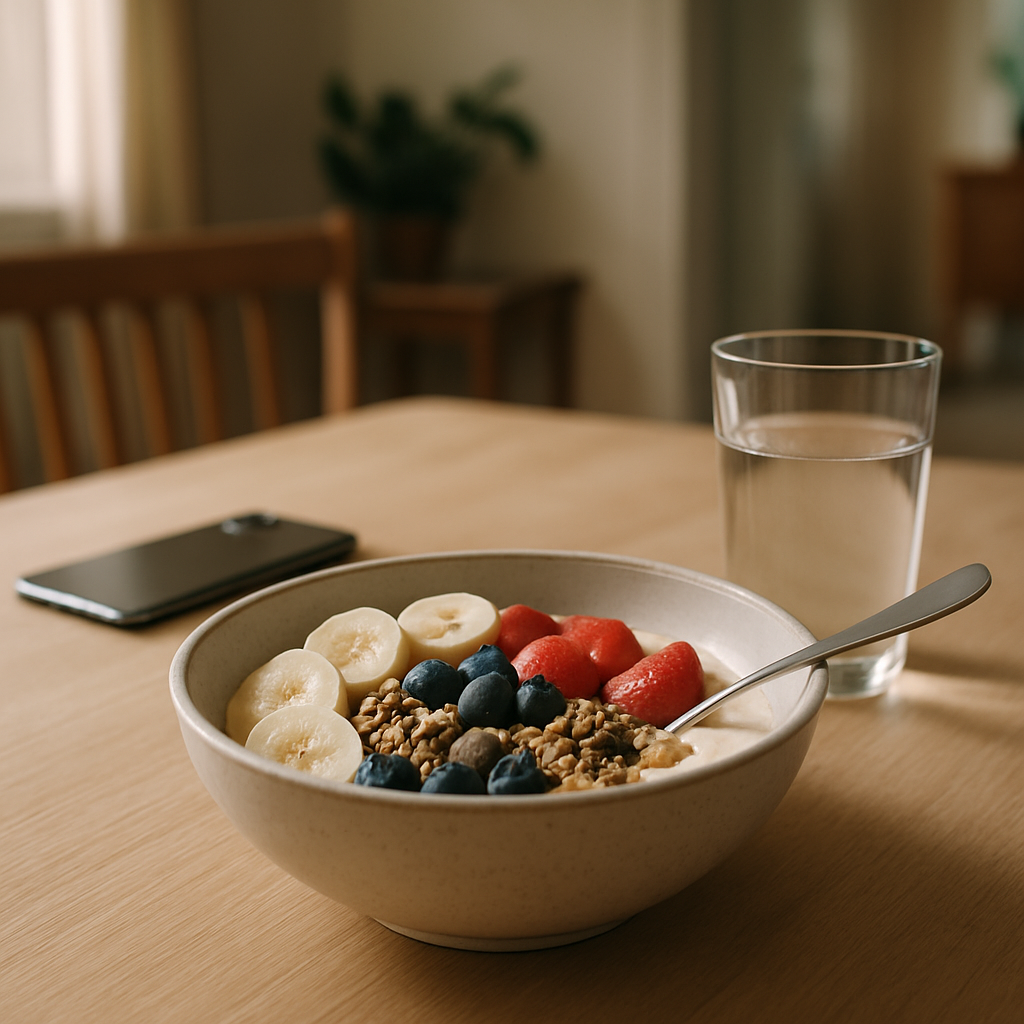
    Balanced breakfast supporting energy and mood in health-first morning routines
    Morning walk in natural light as part of health-first morning routines

    Health-first morning routines FAQs

    What is a health-first morning routine?

    A health-first morning routine is a simple set of habits that prioritise your physical and emotional wellbeing rather than productivity or appearance. It usually focuses on sleep-friendly wake times, natural light, hydration, gentle movement and balanced breakfast choices to support mood, hormones and energy across the day.

    How long should a health-first morning routine take?

    It does not need to be long. Even 10 to 20 minutes can be effective if you use that time for supportive habits like light exposure, a glass of water and a few minutes of stretching. The key is consistency and kindness to your body, not squeezing in as many tasks as possible.

    Can I still be productive with a health-first morning routine?

    Yes. By supporting your nervous system, blood sugar and circadian rhythm, a health-first morning routine can actually improve focus and productivity later in the day. The aim is to create a calm, stable foundation so that when you do start work or study, you feel grounded rather than rushed or depleted.

  • How To Build A Morning Routine For Better Mental Health

    How To Build A Morning Routine For Better Mental Health

    Your mornings quietly shape the rest of your day. A simple, intentional morning routine for better mental health can lower stress, lift your mood and help you feel more grounded before the world starts making demands.

    Why mornings matter for your mental health

    The first 30 to 60 minutes after waking act like a reset button for your nervous system. If you reach straight for your phone, rush around and skip breakfast, your brain gets the message that the day is already out of control. That sense of chaos can follow you for hours.

    By contrast, a calm, predictable start tells your body that you are safe. Your heart rate steadies, stress hormones stay lower and it becomes easier to focus. Over time, a consistent routine can support better sleep, more balanced energy and a more stable mood.

    You do not need a perfect, Instagram ready ritual. What matters is choosing a handful of small, realistic habits that help you feel like you are starting from your own baseline rather than reacting to everything around you.

    Designing a morning routine for better mental health

    Start with how you want to feel by mid morning. Calm? Clear headed? Energised? Then work backwards and choose two or three habits that move you towards that feeling. Keep it simple enough that you could still do a shorter version on your busiest days.

    A good structure is: move your body, calm your mind, nourish yourself. You can build a routine around these three pillars in as little as 15 minutes, then extend it when you have more time.

    1. Gentle movement to wake up the body

    Movement does not need to mean a full workout. Five to ten minutes of stretching, yoga or a brisk walk can increase blood flow to your brain and release feel good endorphins. Opening a window and doing a few slow neck and shoulder rolls can be enough to ease tension from sleep.

    If you prefer structure, a short online yoga flow or mobility routine can guide you through safe movements and help you tune into how your body feels each morning.

    2. A short mindfulness or breathing practice

    After moving, give your mind a chance to settle. One to five minutes of quiet breathing can significantly reduce anxiety symptoms for many people. Try this simple pattern: inhale for a count of four, hold for four, exhale for six. Longer exhales encourage your nervous system to relax.

    If silence feels uncomfortable, you might like a brief guided meditation or body scan. The aim is not to empty your mind but to notice your thoughts without getting swept up in them.

    3. Nourishing your body from the start

    Skipping breakfast or relying only on caffeine can lead to blood sugar crashes and sudden mood dips later in the morning. A balanced breakfast with protein, fibre and healthy fats helps keep your energy and concentration steadier.

    Simple options include oats with yoghurt and fruit, eggs on wholegrain toast or a smoothie with a protein source. Drinking a glass of water before your first tea or coffee also supports hydration, which is often overlooked but important for mental clarity.

    Protecting your attention in the early hours

    One of the most powerful parts of a morning routine for better mental health is setting boundaries around your attention. If you can, delay checking emails, news and social media for at least the first 20 to 30 minutes after waking.

    Consider keeping your phone in another room overnight or using a basic alarm clock. Small environmental changes like this make it easier to stick with your intentions, especially when you are tired.

    Making your routine realistic and sustainable

    Your morning routine should support you, not become another source of pressure. On difficult days, aim for the smallest possible version: one stretch, three deep breaths, a few sips of water. Consistency matters more than intensity.

    Try preparing the night before. Lay out comfortable clothes, set out a glass by the sink or prep part of your breakfast. Reducing decision making in the morning leaves more mental space for calm.

    Gentle yoga at sunrise included in a morning routine for better mental health
    Balanced breakfast and tech free start as part of a morning routine for better mental health

    Morning routine for better mental health FAQs

    How long should a morning routine for better mental health take?

    A morning routine for better mental health does not need to be long to be effective. Even 10 to 15 minutes can make a difference if you focus on a few key elements, such as gentle movement, a short breathing exercise and a simple, nourishing breakfast. On days when you have more time, you can extend these practices, but having a brief, non negotiable version makes it easier to stay consistent.

    What if I am not a morning person but still want the benefits?

    You do not have to wake up extremely early to enjoy a morning routine for better mental health. Start by protecting just the first 10 minutes after you wake, whatever time that is. Avoid your phone, stretch, breathe and drink some water. Over time, you may naturally find yourself wanting a little more space in the morning, but there is no need to force a drastic change to your sleep schedule.

    Can a morning routine for better mental health help with anxiety?

    For many people, a consistent morning routine for better mental health can ease anxiety by providing a sense of predictability and control at the start of the day. Practices like slow breathing, gentle exercise and limiting early exposure to news or social media can calm the nervous system. While it is not a cure and should not replace professional care, it can be a valuable part of a broader anxiety management plan.

  • How Your Commute Affects Your Health More Than You Think

    How Your Commute Affects Your Health More Than You Think

    Your daily drive might feel routine, but the car commute health effects are anything but ordinary. The time you spend behind the wheel can quietly shape your stress levels, sleep quality, posture and even long term heart health. If you want to start each day at your baseline, it is worth taking a closer look at how your commute is really affecting you.

    How commuting affects your body

    Sitting for long periods in a car encourages tight hip flexors, a rounded back and stiff neck and shoulders. Over time, this posture can trigger chronic pain, headaches and fatigue. Long drives also reduce circulation in your legs, increasing the risk of swelling and, in extreme cases, blood clots.

    There is also the strain of constant micro movements. Your right foot hovering over the pedals, hands gripping the wheel and eyes locked on the road keep your nervous system switched on. Even when traffic is light, your body is working harder than you think, which can leave you surprisingly drained at the end of the day.

    The hidden mental load of daily driving

    One of the most overlooked car commute health effects is the mental load. Navigating traffic, reacting to sudden stops, dealing with aggressive drivers and watching for hazards all add up to a steady drip of stress hormones.

    Research consistently links long commutes with higher levels of anxiety, lower life satisfaction and a greater risk of burnout. When your drive is unpredictable or regularly stressful, your brain can start each day already on the back foot, making it harder to concentrate or feel calm once you arrive.

    Air quality and noise: the silent stressors

    Inside a car, you are often closer to exhaust fumes than you would be on the pavement. Fine particles and nitrogen dioxide can seep into the cabin, especially in slow moving traffic. Over time, this exposure is associated with respiratory issues, headaches and increased cardiovascular risk.

    Noise is another quiet culprit. Engine sounds, horns and tyre roar keep your nervous system in a semi alert state. Chronic exposure to traffic noise has been linked with higher blood pressure and poorer sleep quality, both of which undermine your baseline wellbeing.

    Turning your commute into a wellbeing routine

    The good news is that you do not have to overhaul your life to soften these car commute health effects. Small, consistent choices can turn your drive into a buffer rather than a burden.

    • Reset your posture: Adjust your seat so your hips are slightly higher than your knees, your back is fully supported and your wrists rest comfortably on the wheel. A quick stretch before and after driving helps release tension.
    • Protect your breathing: Use the recirculate function in heavy traffic, and keep your cabin filter in good condition. Regular maintenance and quality components, such as reliable shogun parts, help keep your vehicle running cleanly and smoothly.
    • Create a calm soundscape: Swap loud radio chatter for calming playlists, audiobooks or guided breathing. This simple shift can lower perceived stress even when traffic is busy.
    • Build in micro movement: If safe, roll your shoulders at red lights, gently engage your core or flex your ankles. Plan a short walk at the start or end of your journey to wake up your circulation.

    When driving is unavoidable

    For many people, driving is not optional. Rural living, shift work or caring responsibilities can make alternative transport unrealistic. In these cases, being intentional about your routine matters even more.

    Try to keep a clear boundary between your commute and the rest of your day. A short breathing exercise in the car before you step out, or a brief walk around the block when you get home, can signal to your nervous system that the stressful part of the day is over.

    It is also worth checking in with how your commute is affecting your relationships and mood. If you notice you are consistently irritable when you arrive, that is a sign your current setup is nudging you away from your baseline, not towards it.

    Morning traffic scene illustrating car commute health effects on everyday drivers
    Driver taking a stretch break to ease car commute health effects during a long journey

    Car commute health effects FAQs

    How long is too long for a daily car commute?

    There is no single cut off, but research suggests that commutes over an hour each way are more strongly linked with stress, poor sleep and reduced life satisfaction. If your drive is regularly longer than 45 to 60 minutes, it is worth being more intentional about breaks, stretching and mental decompression, and exploring whether you can reduce the number of days you travel that distance.

    Can a stressful commute affect my sleep?

    Yes. A tense drive keeps your stress hormones elevated, which can make it harder to wind down in the evening. If you arrive home wired or irritable, try adding a short walk, some light stretching or a breathing exercise after you park. Keeping your evenings calm and screen light lower can also help your body reset after a demanding journey.

    What are some quick ways to reduce car commute health effects?

    Start with the basics: optimise your seat and steering wheel position, keep your car well maintained, and choose calmer audio like music or podcasts instead of constant news. Build in a couple of minutes before and after your drive for stretching or deep breathing. Where possible, combine errands into one trip, work from home occasionally, or adjust your hours to avoid the most congested times.

  • Digital Overload: How Constant Screen Time Is Quietly Draining Your Health

    Digital Overload: How Constant Screen Time Is Quietly Draining Your Health

    We live, work and socialise online, but few of us stop to ask what this always-on life is doing to our minds. The link between digital overload and mental health is becoming impossible to ignore, and if you want to start each day at your baseline, it is worth paying attention.

    What is digital overload doing to your body and mind?

    Digital overload is not just about how many hours you spend online. It is the constant switching between apps, the late-night scrolling, the notifications that never stop. Over time, this drains your nervous system and keeps your brain in a low-level state of alert.

    Common signs include headaches, eye strain, broken sleep, irritability and a sense that you are always behind. Emotionally, people report feeling flat, distracted and oddly restless, even when they are sitting still. This is your brain telling you that the volume of input has exceeded its capacity to process.

    How digital overload and mental health are connected

    The relationship between digital habits and wellbeing is complex, but a few patterns keep showing up. Firstly, heavy screen use is strongly linked to poor sleep. Blue light, late-night emails and the habit of checking your phone in bed all reduce sleep quality. Shortened or shallow sleep is one of the fastest ways to disturb mood, focus and resilience.

    Secondly, social platforms are designed to keep you engaged. That often means triggering comparison, outrage or fear. Over time this steady drip of emotional spikes can fuel anxiety and low mood. Even when you know it is just an algorithm, your nervous system still reacts as if each post is real and urgent.

    Finally, constant connectivity blurs the line between work and rest. If your phone is never off, your brain never gets the clear signal that it is safe to stand down. Chronic stress, burnout and emotional numbness can follow.

    Why tech choices matter for your wellbeing

    Behind every app, website and platform you use, there are invisible decisions shaping your experience. The way a site is built, how fast it loads and how often it pings you are all influenced by technical choices in the background. Even something as dry-sounding as infrastructure costs or website hosting cost can affect whether a service runs smoothly or constantly glitches and times out.

    Those tiny frustrations add up. Slow, clunky digital tools increase stress, waste your attention and make it harder to stay in a calm, focused state. Thoughtful, simple and reliable tech, on the other hand, can support healthier boundaries and a more grounded daily rhythm.

    Setting a healthier digital baseline for your day

    If you want to protect your mental health, start by designing your digital day instead of drifting through it. Begin your morning without a screen for at least the first 30 minutes. Drink water, stretch, step outside or simply sit quietly before you invite the online world into your nervous system.

    Throughout the day, create pockets of deep focus by turning off non-essential notifications. Batch-check emails and messages at set times, rather than reacting to every buzz. A few uninterrupted blocks of concentration can leave you feeling more productive and less frazzled.

    In the evening, set a digital sunset. Aim to put your phone away at least an hour before bed. Use that time for low-stimulation activities like reading, gentle movement or conversation. This simple shift can dramatically improve sleep and, in turn, your emotional balance.

    Practical habits to reduce digital strain

    Small, consistent changes can soften the impact of digital overload. Adjust your screen brightness and font size to reduce eye strain. Use night mode after dark. Keep your most tempting apps off your home screen, or delete them from your phone and use them only on a laptop.

    Build in micro-breaks: look away from your screen every 20 minutes, stand up once an hour and take a few slow breaths. These pauses reset your nervous system and remind your body that it exists beyond the device in your hand.

    Relaxed person taking a screen break in a home office to support balance between digital overload and mental health.
    Group of friends enjoying offline time in nature to protect their baseline from digital overload and mental health pressures.

    Digital overload and mental health FAQs

    How can I tell if I am experiencing digital overload?

    Common signs include struggling to switch off from devices, checking your phone compulsively, feeling more anxious or low after time online, and noticing headaches, eye strain or poor sleep. You may also find it hard to focus on one task, feel constantly rushed or feel oddly flat even when you are resting. If several of these resonate, it is worth experimenting with boundaries around your screen time and noticing how your mood and energy respond.

    What is a healthy daily screen time limit?

    There is no single number that works for everyone, because jobs, health needs and family situations differ. Instead of chasing a perfect figure, focus on balance: aim to keep screens out of the first and last hour of your day, add regular breaks during long sessions and protect some device-free time for movement, social connection and rest. If your screens are crowding out these basics, it is a sign to cut back where you can.

    Can changing my digital habits really improve my mental health?

    Yes. Even small adjustments can have a noticeable impact. Reducing late-night scrolling often improves sleep, which is closely tied to mood and resilience. Turning off non-essential notifications can lower background stress, while taking regular breaks supports focus and reduces fatigue. Many people report feeling clearer, calmer and more present within a week or two of setting firmer boundaries around their devices.

  • Transforming Healthcare: The Rise of Mobile Clinics

    Transforming Healthcare: The Rise of Mobile Clinics

    In recent years, mobile clinics have emerged as a revolutionary solution in the delivery of healthcare services. Designed to bring essential medical support directly to communities, these specialist vehicles are not only redefining accessibility but also enhancing efficiency and outreach in healthcare systems across the UK and beyond.

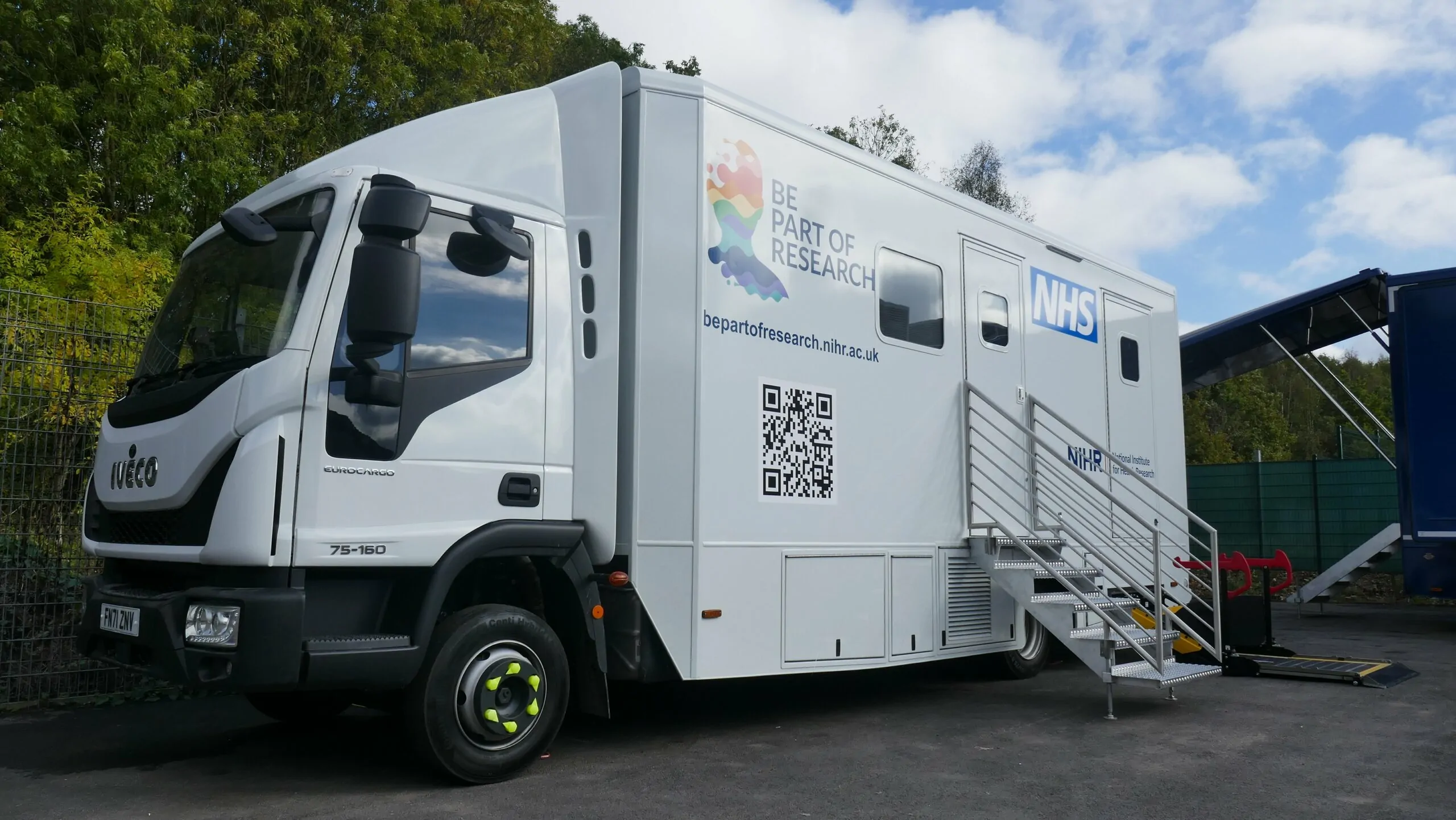
    mobile clinics

    A New Approach to Community Health

    Traditional healthcare settings—such as hospitals, GP surgeries, and walk-in centres—are often limited by geography and infrastructure. For people living in rural, underserved, or densely populated urban areas, accessing timely care can be a challenge. Mobile clinics offer a powerful alternative by travelling to where they are needed most, whether that’s a small village, a school, a workplace, or a city centre.

    These mobile units are fully equipped with everything from consultation rooms and diagnostic tools to laboratory equipment and even minor procedure facilities. With the ability to provide services such as immunisations, health screenings, dental care, and mental health support, mobile clinics are improving early detection rates and reducing pressure on fixed-site healthcare providers.

    Designed for Purpose, Built for People

    Every mobile clinic is custom-built to serve a specific purpose. Whether it’s a mobile eye screening unit, a blood donation vehicle, or a complete dental surgery on wheels, a team of expert designers and engineers will ensure every trailer or vehicle is practical, durable, and easy to operate.

    Requiring chassis fabrication and extensive customisation options, these mobile units are constructed with both patients and staff in mind. Considerations like accessibility, hygiene, storage, and temperature control are carefully planned into every project. The result is a healthcare environment that is comfortable, compliant, and capable of delivering a high standard of care, wherever it is deployed.

    Supporting Public Health Initiatives

    The versatility of mobile clinics makes them particularly useful during public health campaigns. For example, during vaccination drives or health awareness weeks, mobile units can be dispatched to high-footfall areas like shopping centres, campuses, or events to maximise outreach.

    They are also invaluable in times of crisis. During the COVID-19 pandemic, mobile testing and vaccination units played a crucial role in reaching communities quickly and safely. This adaptability ensures mobile healthcare continues to be a strategic asset for both the NHS and private providers.

    Sustainability and Scalability

    Beyond their immediate impact, mobile clinics also align with broader goals in healthcare innovation. By reducing the need for new bricks-and-mortar facilities, they help lower carbon footprints and enable services to be scaled up or down based on need. For charities, NGOs, or local councils with limited budgets, mobile healthcare offers a cost-effective alternative that doesn’t compromise on care.

    Furthermore, with modern materials and energy-efficient systems, today’s mobile units are more sustainable than ever. Solar panels, battery storage, and smart energy management systems can be incorporated to reduce reliance on external power sources.

    The Road Ahead

    As healthcare continues to evolve, mobility will remain a key part of the solution. Mobile clinics are not a replacement for traditional healthcare settings but a complement to them—extending reach, improving flexibility, and increasing access for those who need it most.

    With rising demand for preventative care, population health initiatives, and innovative service delivery models, the future of mobile healthcare is promising. And thanks to industry leaders like NEAT Vehicles, that future is already on the move.

  • The Epic Benefits of Hyperbaric Oxygen Therapy

    The Epic Benefits of Hyperbaric Oxygen Therapy

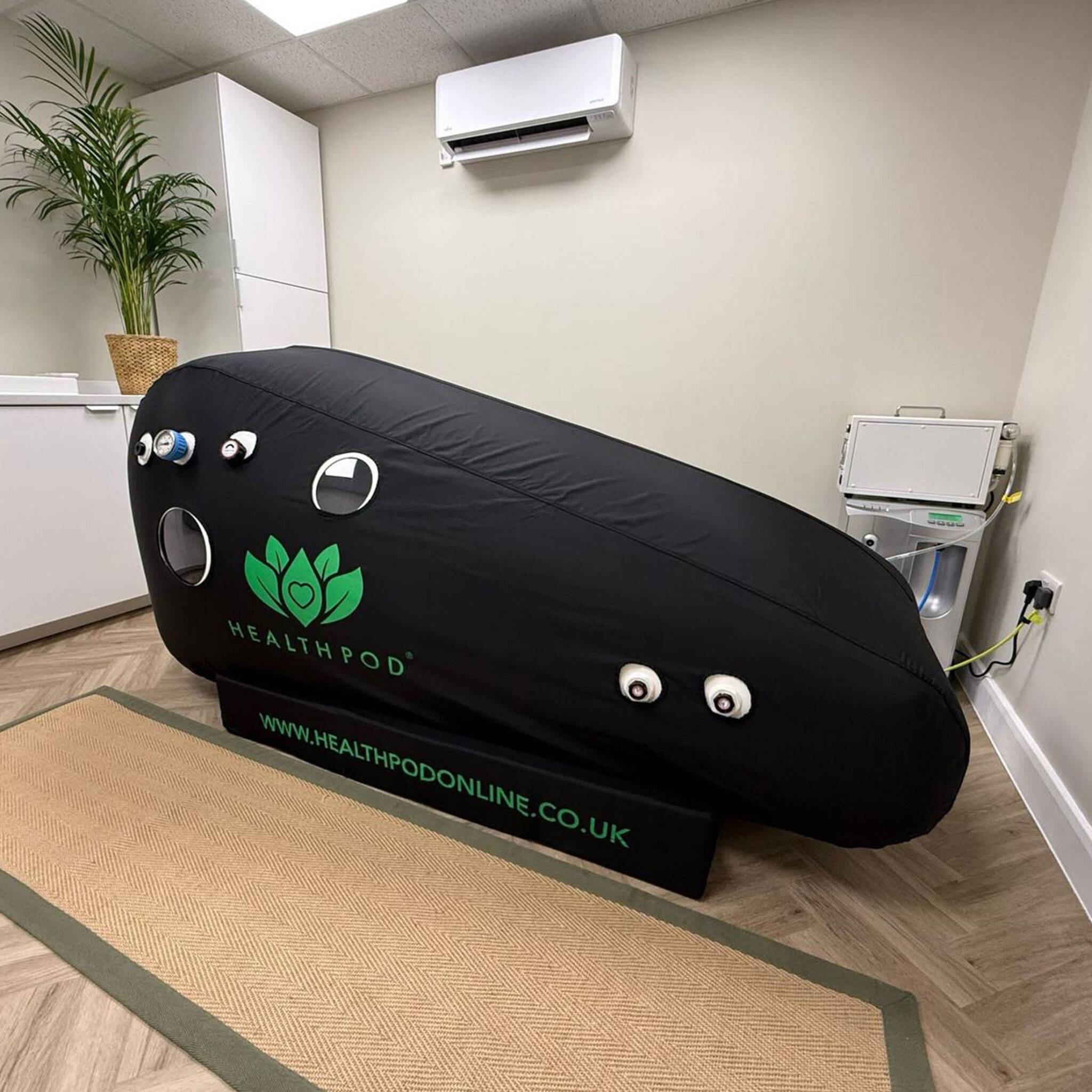
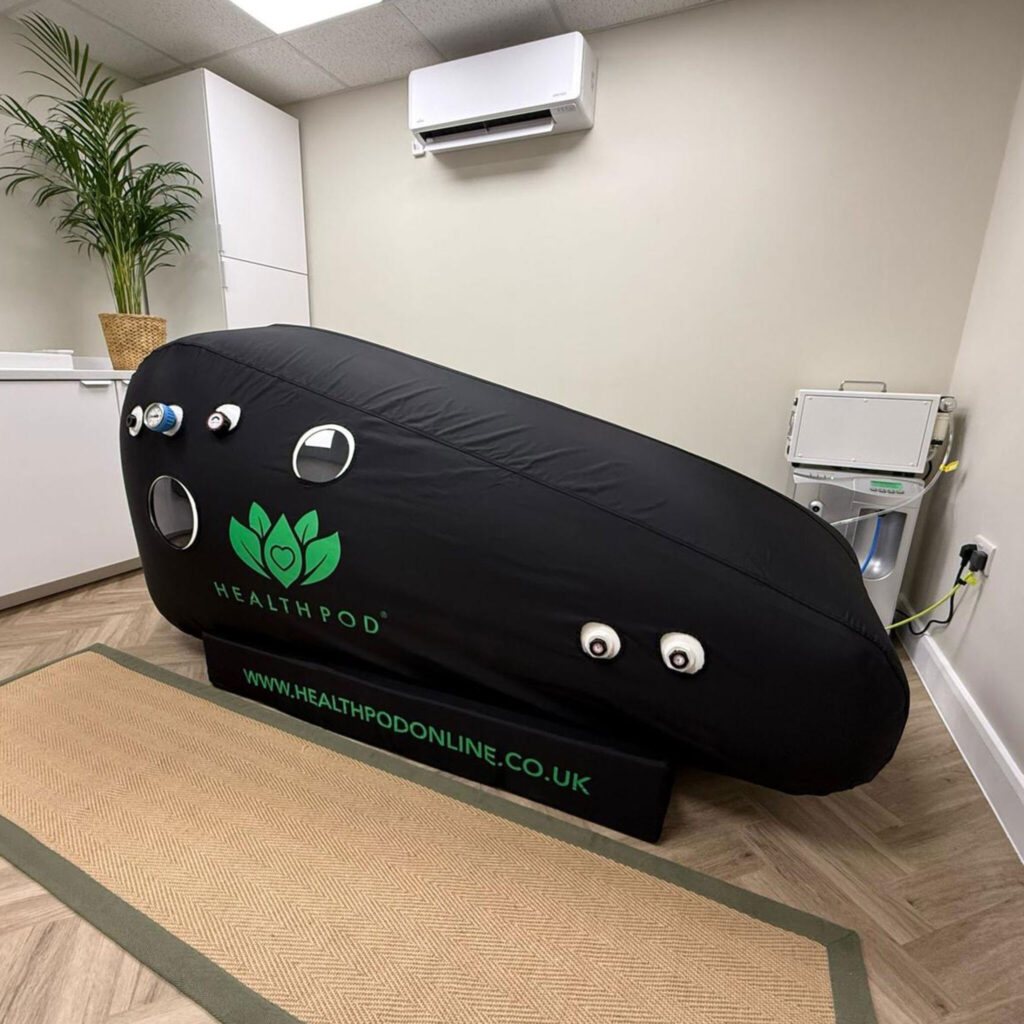
    Hyperbaric oxygen therapy (HBOT) is a non-invasive treatment that involves breathing 100% pure oxygen in a pressurised chamber. This increased oxygen intake can have profound effects on the body, promoting healing, reducing inflammation, and enhancing overall well-being. While HBOT has been recognised for its medical applications for decades, it is gaining increasing popularity for its potential to enhance health and wellness in a variety of ways.  

    How Hyperbaric Oxygen Therapy Works

    Under normal circumstances, oxygen is transported throughout the body by red blood cells. However, in certain conditions, such as injuries or chronic illnesses, tissues may not receive adequate oxygen supply. HBOT addresses this by increasing the amount of oxygen dissolved in the blood plasma, allowing it to reach areas where circulation is compromised. This increased oxygenation can stimulate cell growth, reduce swelling, fight infection, and accelerate healing.  

    Hyperbaric Oxygen Therapy

    Benefits of Hyperbaric Oxygen Therapy

    HBOT has been shown to be effective in treating a wide range of conditions, including:

    • Wound Healing: HBOT can significantly accelerate the healing of chronic wounds, such as diabetic ulcers, burns, and surgical wounds.  
    • Sports Injuries: HBOT can help athletes recover faster from injuries by reducing inflammation and promoting tissue repair.  
    • Neurological Conditions: HBOT may be beneficial in treating conditions like traumatic brain injury, stroke, and autism.  
    • Chronic Fatigue: HBOT can boost energy levels and improve overall well-being in individuals with chronic fatigue syndrome.
    • Anti-Aging: HBOT can promote collagen production and improve skin elasticity, potentially reducing the signs of aging.  
    • Decompression Sickness: HBOT is the primary treatment for decompression sickness, a condition that can affect divers.  

    The Health Pod in Mansfield: Your Gateway to Hyperbaric Oxygen Therapy

    If you’re interested in experiencing the benefits of HBOT, the Health Pod in Mansfield is your go-to destination. They offer a range of hyperbaric oxygen chambers for both purchase and rental, making it accessible for individuals and healthcare practitioners alike.  

    Why Choose the Health Pod?

    • State-of-the-Art Equipment: The Health Pod offers a selection of high-quality hyperbaric oxygen chambers, ensuring safety and effectiveness.
    • Expert Guidance: Their knowledgeable team can provide guidance on choosing the right chamber and developing a personalised treatment plan.
    • Try Before You Buy: The Health Pod offers trial sessions, allowing you to experience HBOT firsthand before committing to a purchase or rental.
    • Convenient Location: Located in Mansfield, the Health Pod is easily accessible to those in the Nottinghamshire area and beyond.  

    HBOT: A Holistic Approach to Wellness

    Hyperbaric oxygen therapy is a safe and effective way to promote healing, enhance recovery, and improve overall well-being. Whether you’re an athlete recovering from an injury, someone seeking relief from a chronic condition, or simply looking to optimise your health, HBOT may be a valuable tool in your wellness journey.  

    Contact the Health Pod in Mansfield today to learn more about hyperbaric oxygen therapy and explore the possibilities for yourself.

  • 4 Reasons you may suffer from Fatigue

    4 Reasons you may suffer from Fatigue

    Fatigue, we all suffer from it, we all hypothesize about why we suffer from it – but lets deep dive into root causes of fatigue.

    Fatigue leads to sleep

    What is Fatigue?

    Fatigue: a feeling of being extremely tired, usually because of hard work or exercise – Source

    “Usually because of hard work?” I think in 2022 we attribute the feeling of fatigue to many things, including hard work of course; but certainly not limited to just that.

    For example, lack of good sleep can make someone feel fatigued through the day. A poor diet and low energy levels can leave us feeling fatigued too. Lets break that down even further.

    How to cure Fatigue?

    What can we (or should we) consume to ensure our diet does not contribute to us feeling fatigued?

    Well, let’s look at what our bodies need to stay healthy, alert and awake and work backwards from that to see what foods and drinks will help us kick the fatigue to the curb!

    What can we do each day to contribute towards feeling alert and awake on a daily basis?

    A Good night’s sleep

    This is something many people struggle to get. Whether it’s a your mind going for a walk as soon as your head hits the pillow, or just restlessness – 1 in 3 adults do not get a good regular nights sleep.

    However, if you can sort your sleeping out you will find yourself feeling much less lethargic during the day.

    Ensure you take regular breaks in nature

    In Japan they practise “forest bathing” which is actually prescribed by doctors to combat stress etc. You also get the other benefits from being outside, vitamin D from the sun, fresh air and exercise.

    Lower stress levels allow you to think clearer, make better decisions and live happier.

    Don’t eat bad food

    I originally called this section “eat good food” but I actually think its more important to highlight why we shouldnt eat bad food, instead. Bad food doesn’t contain good nutrients, its often processed, full of preservatives to make it last longer on the shelf and can contain alarming levels of sugar and other stuff to make it taste amazing.

    Whereas good food can assist you in consuming all the required “things” you need each day to be at your best, bad food doesn’t just restrict your intake of these good “things” – it can also create other issues and cause other “markers” to suffer.

    And last but by no means least..

    Supplements

    Trying to live a perfect existence is so difficult. We are surrounded by fast food & convenience, we are made to feel like we have to live our lives at 100mph and we say things like;

    “Ahhh, I havent got time to eat properly..”

    “Nah, I’ll just grab something on-the-go”

    As like I mentioned earlier, this “Grab and go” way of eating means the food is usually over-processed so it lasts longer, often cooked or prepared hours/days prior to you eating it. You are not going to be OK if you eat these kind of foods on a regular basis.

    So, what can we do in this fast-paced demanding world we live in, to ensure we are consuming the right stuff so we have the best shot of starting every day at your baseline?

    Taking supplements is one of the best ways to ensure you are living nutritionally complete.

    But what are the best supplements to take on a daily basis to ensure we are giving ourselves the best shot each day?

    Thats for another blog post….. 🙂