

When life feels noisy and overwhelming, it can be hard to find a calm, steady place to return to. Exploring the link between museum visits and mental health offers a surprisingly simple way to reset, reflect and return to your baseline.
Why museum visits and mental health belong together
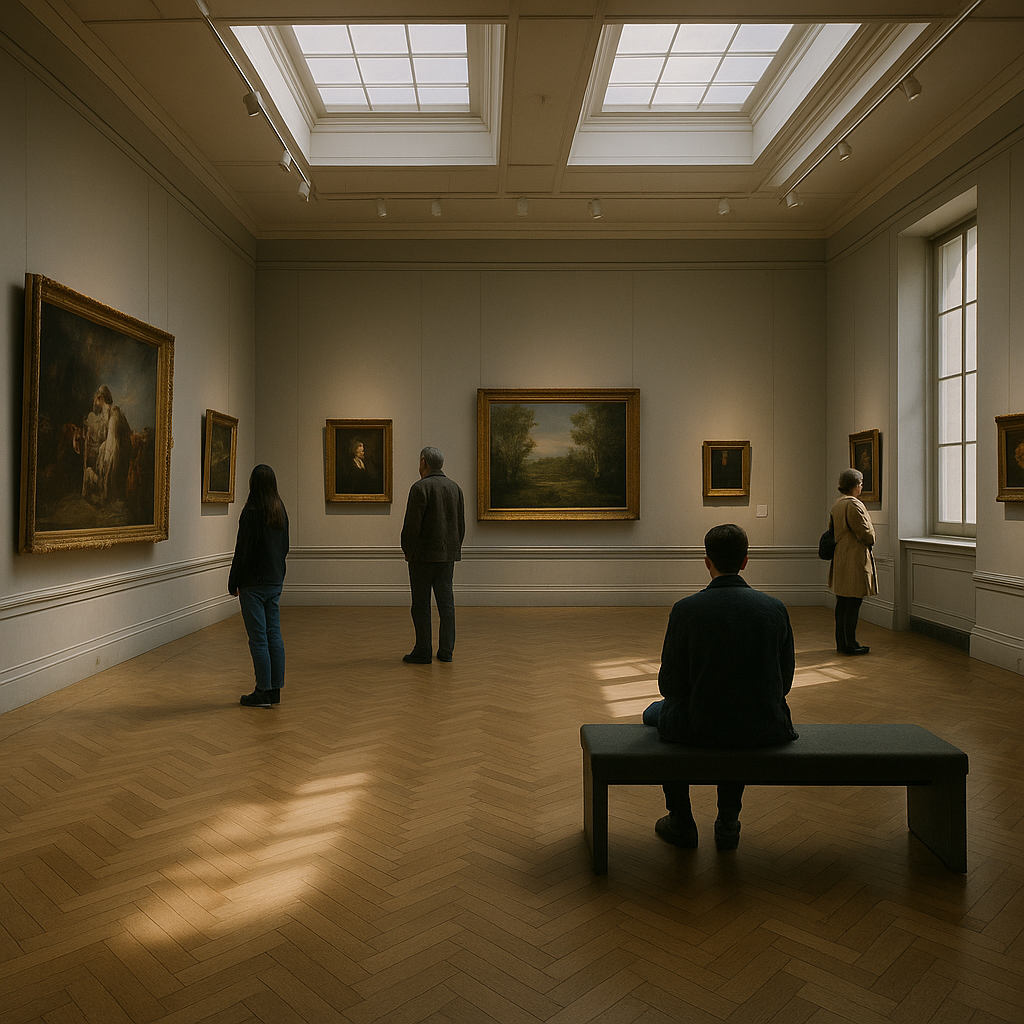
Museums are often seen as places for tourists, school trips or history buffs, but they are also powerful wellbeing spaces. Quiet galleries, gentle lighting and thoughtful stories create a slower rhythm than everyday life. This shift in pace helps your nervous system move away from stress and towards rest.
Research into museum visits and mental health has highlighted benefits such as reduced anxiety, lower blood pressure and improved mood. Being surrounded by art, objects and stories invites your mind to wander in a focused but gentle way, similar to mindfulness. You are present, but you are not under pressure to perform, reply or achieve.
How museums help you reset your baseline
We all have a personal baseline – a place of balance where we feel grounded, steady and able to respond to life. Regular museum visits can become a practical ritual for returning to that state.
First, the physical environment encourages slower breathing and softer focus. Long corridors, quiet corners and seating areas invite you to pause. Second, the act of looking closely at an object or painting naturally lengthens your attention span, giving your mind a break from rapid scrolling and constant notifications.
Even a short visit on a lunch break or at the weekend can work as a reset button. Think of it as a mental walk: you may arrive carrying stress, but you leave having gently processed some of it in a safe, structured space.
Finding meaning: stories, memory and emotional release
Museums are full of stories – personal, collective and sometimes deeply emotional. Engaging with these can help you make sense of your own experiences. A wartime letter, a family photograph or a small everyday object from the past can unlock feelings you did not realise you were holding.
Spaces like IWM, for example, bring together powerful stories of conflict, courage and recovery. Walking through exhibitions that explore how people coped with fear, separation and change can normalise your own struggles and remind you that humans are resilient. This sense of connection can ease feelings of isolation and gently support mental health.
Turning museum visits into a wellbeing habit
To feel the full benefit, treat museum visits as part of your self-care routine rather than a rare treat. Start small and realistic. Choose one local museum and decide on a simple ritual, such as a 30 minute visit once a month.
When you arrive, give yourself a moment to breathe before you start walking around. Notice the temperature, the sounds and the light. Pick one or two rooms instead of trying to see everything. Let yourself be drawn to whatever catches your eye rather than following a strict route.
Afterwards, take a few minutes to reflect. How do you feel compared with when you arrived: calmer, more curious, a little lighter? This reflection helps your brain connect the visit with a sense of safety and calm, making it easier to return to that baseline feeling in future.
Making museums more accessible for your mental health
If you live with anxiety, sensory sensitivities or low mood, visiting public spaces can feel challenging. Many museums now offer quiet hours, relaxed openings and clear information about what to expect, which can make visits more manageable.
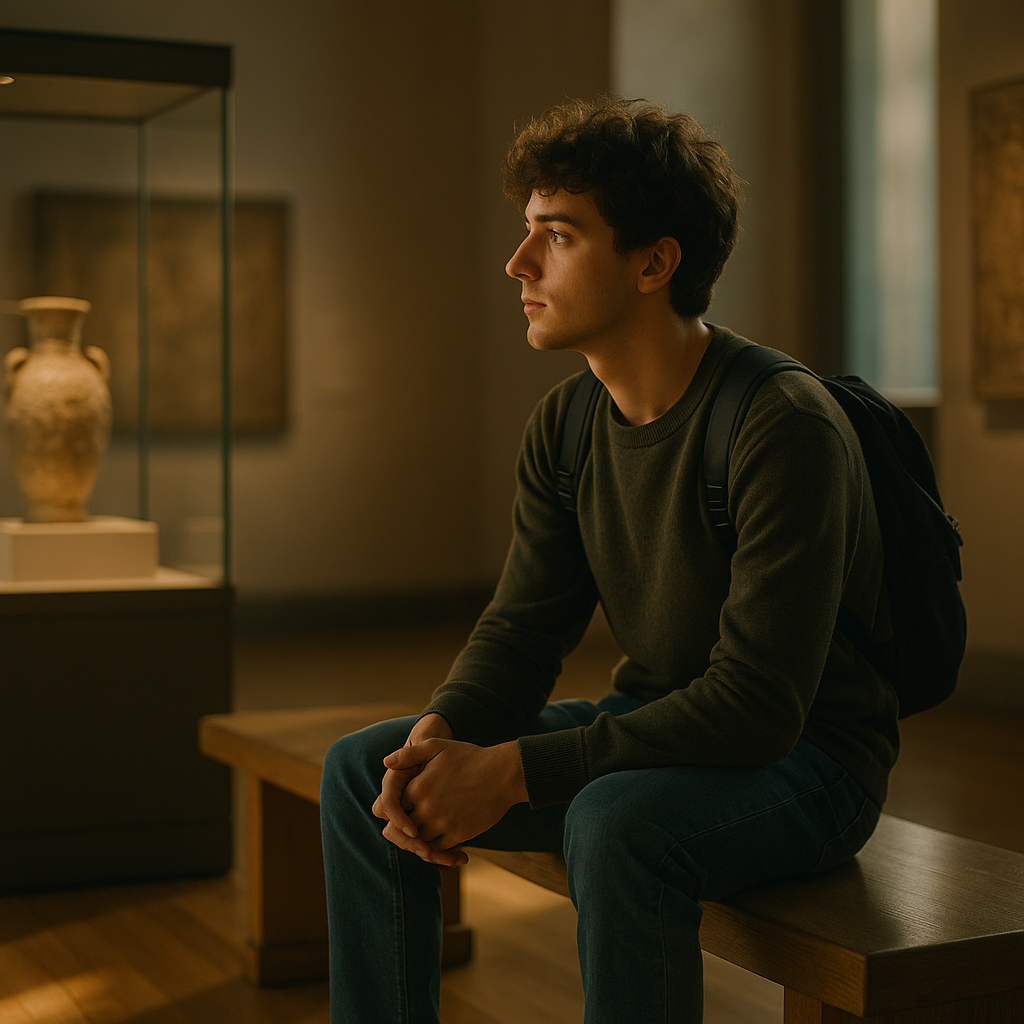
Consider going at off-peak times, such as weekday mornings. Check online for floor plans and facilities so you know where the exits, toilets and seating areas are. Bring water, a snack and headphones if background noise is difficult for you. You are allowed to step outside and come back in – your visit does not have to be long to be valuable.

Museum visits and mental health FAQs
How often should I visit a museum to support my mental health?
There is no fixed rule, but regular, short visits are more helpful than one long visit a year. Even 30 to 60 minutes once a month can make a difference if you treat it as time to slow down, reflect and reconnect with yourself. The key is consistency and approaching the visit as a wellbeing ritual rather than a rushed activity.
Can museum visits and mental health benefits help with anxiety and stress?
Yes, many people find that the calm, structured environment of a museum eases feelings of anxiety and stress. Quiet galleries, gentle lighting and focused looking can help slow your breathing and thoughts. While it is not a replacement for professional support, it can be a valuable part of a wider self-care plan.
What if I find museums overwhelming or too busy?
If busy spaces are difficult, try visiting at quieter times such as weekday mornings or late afternoons. Check whether your local museum offers quiet hours or relaxed openings. Plan a short route with clear exit points, and give yourself permission to take breaks, step outside or leave early. Over time, these small, planned visits can feel more manageable and still offer wellbeing benefits.
Leave a Reply