
Knowing when and how to return to exercise after illness is one of the most important decisions you can make for your long-term health. Whether you have been knocked sideways by flu, a respiratory infection, or a stubborn virus, the urge to get back to your usual routine can feel overwhelming – but rushing that process is one of the most common mistakes people make during recovery.

Why Jumping Back In Too Soon Can Backfire
When your body fights off an infection, it uses enormous amounts of energy. Your immune system, cardiovascular system, and muscles are all under strain – even when you start to feel better on the surface. Returning to high-intensity workouts before your body has fully recovered can prolong fatigue, trigger setbacks, and in some cases place unnecessary stress on the heart.
A common experience is feeling fine on day one back in the gym, only to feel exhausted and run-down for the following three days. This is your body signalling that it was not ready. Persistent breathlessness, a racing heart rate at low effort, or unusual muscle soreness are all signs that your system needs more time.
Learning to Listen to Your Energy Levels
Before you lace up your trainers, it is worth doing a simple self-assessment each morning. Ask yourself: do I feel rested after sleep? Is my appetite returning to normal? Do everyday tasks like climbing stairs or walking to the kitchen feel effortful?
If the answer to any of these is no, your body is still in recovery mode. Energy levels after illness are rarely linear – you may have a good day followed by a dip, and this is completely normal. Treat energy as your most honest guide rather than the number of days since your symptoms started.
A Phased Approach to Getting Active Again
A structured, gradual return is far more effective than returning at full intensity. Here is a practical three-phase approach to help you rebuild safely.
Phase One: Walking and Gentle Movement
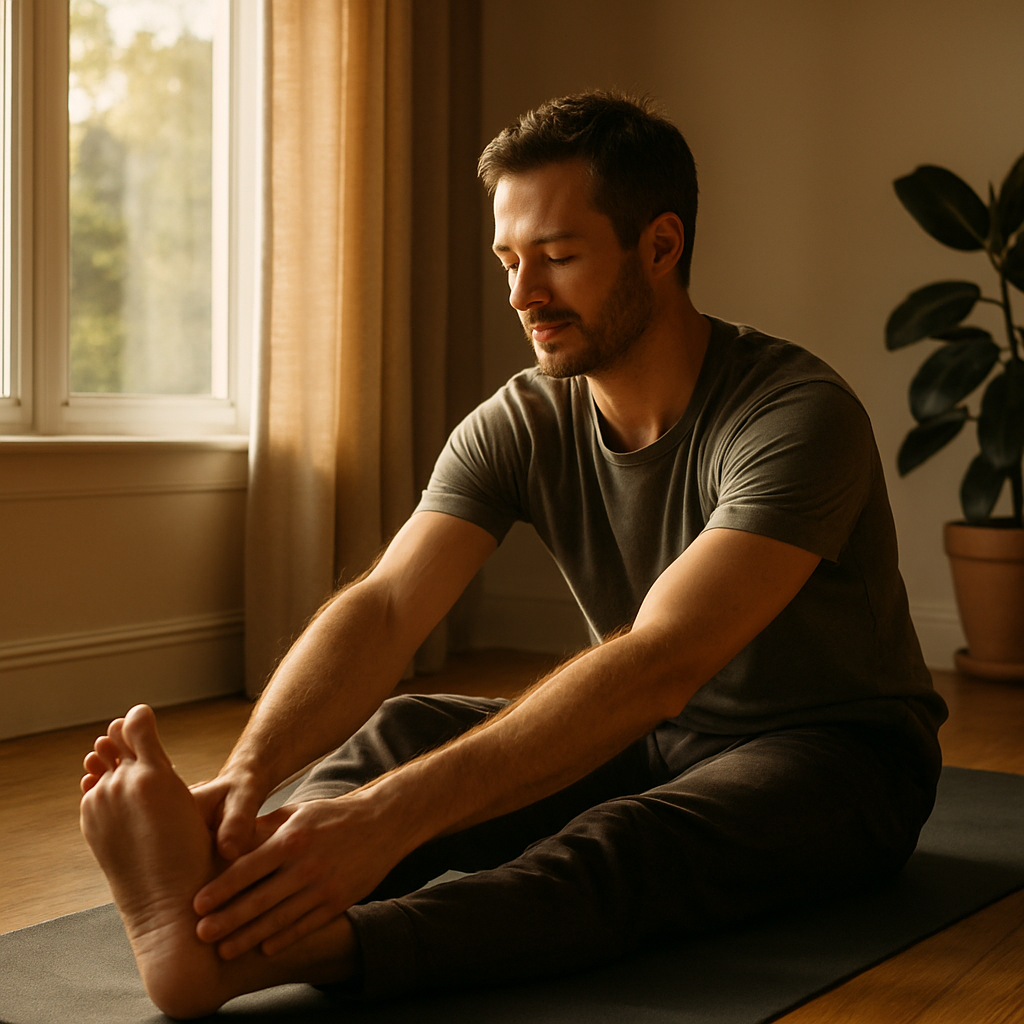
Start with short walks of ten to fifteen minutes at a comfortable pace. Focus on breathing steadily and noticing how your body responds. If you feel good the next day, extend the walk slightly. Gentle stretching or light yoga can also be introduced at this stage. Aim for two to three days of this before progressing.
Phase Two: Low-Intensity Cardio
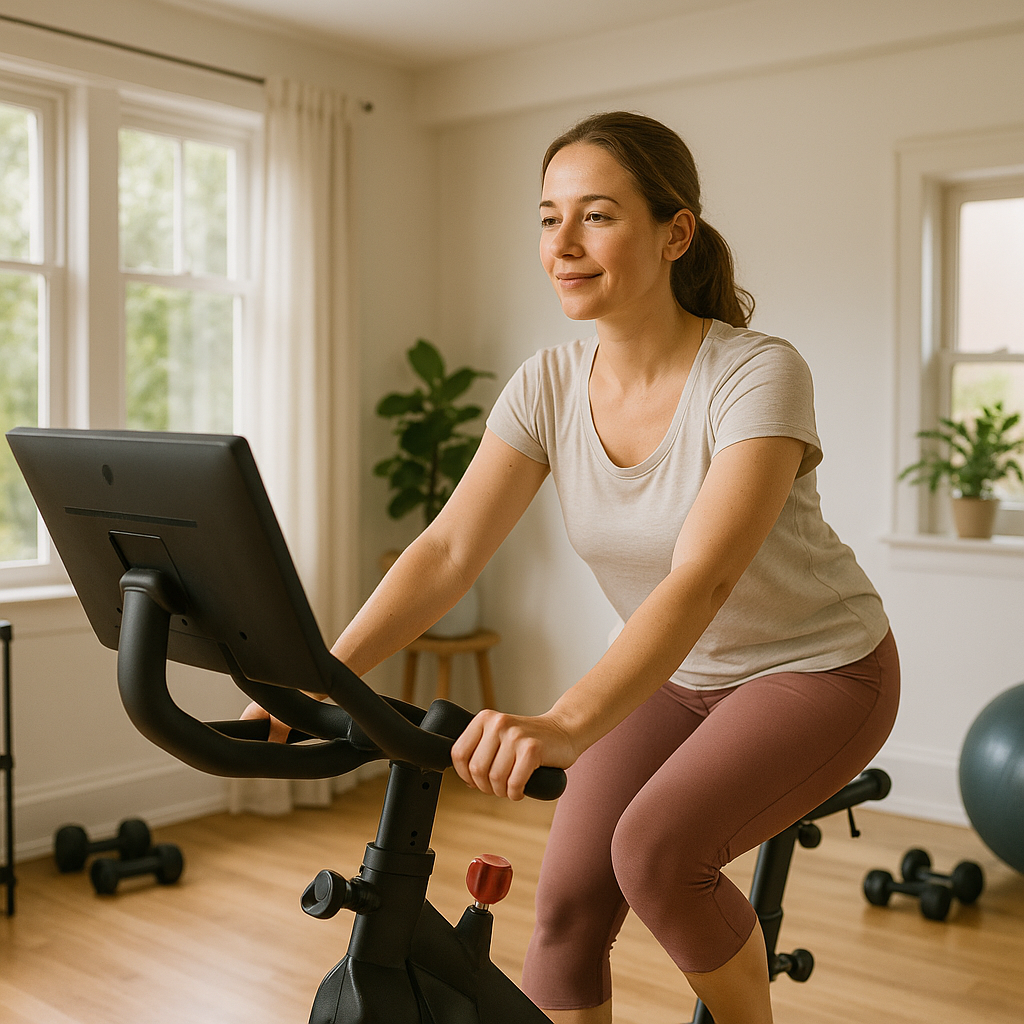
Once walking feels easy and your energy is consistent, introduce low-intensity cardio such as cycling on a flat route, slow swimming, or a gentle jog with walking intervals. Keep sessions to twenty to thirty minutes and monitor your heart rate. If it feels elevated for the effort you are putting in, ease back.
Phase Three: Strength and Structured Training
Only once phases one and two feel comfortable should you return to resistance training or more structured workouts. Start at around fifty to sixty per cent of your usual weights or intensity, and build back over one to two weeks. Avoid back-to-back intense sessions early in this phase.
Red Flags to Watch For
When you return to exercise after illness, there are warning signs that should prompt you to stop and seek medical advice. These include chest tightness or pain during activity, heart palpitations, dizziness, severe shortness of breath disproportionate to your effort, or a fever that returns after exercise. These symptoms should never be dismissed or pushed through.
It is also worth noting that post-viral fatigue can affect anyone, regardless of how fit they were before falling ill. If exhaustion persists beyond two to three weeks after your symptoms have cleared, speak to your GP before attempting any structured exercise.
Setting a Healthy Baseline for Recovery
The goal of a phased return is not just to get back to where you were – it is to rebuild in a way that leaves your body stronger and more resilient. Rest, sleep, hydration, and balanced nutrition all play an equal role alongside movement. Give yourself permission to go slowly, and trust that consistency over time will always outperform urgency.
Return to exercise after illness FAQs
How long should I wait before I return to exercise after illness?
There is no single answer, as it depends on the type and severity of your illness. As a general guide, wait until you have been symptom-free for at least 48 hours before attempting light movement such as walking. For flu or respiratory infections, most people benefit from a full week of rest before any structured activity. Always listen to your energy levels rather than a fixed timeline.
Is it safe to exercise with a mild cold?
Light movement such as a gentle walk may be fine if your symptoms are mild and confined to above the neck – a runny nose or slight sore throat, for example. However, if you have a fever, chest symptoms, significant fatigue, or aching muscles, it is best to rest completely. Exercise during a fever in particular can put unnecessary strain on your cardiovascular system.
Why does my heart rate feel higher than usual when I return to exercise after illness?
An elevated heart rate at lower efforts than normal is very common after illness, particularly following respiratory infections or flu. Your cardiovascular system takes time to recalibrate after the stress of fighting an infection. This is a signal to reduce intensity and allow more recovery time. If the elevated heart rate persists beyond a week or two of gradual return, it is worth mentioning to your GP.