Tag: healthy home environment

  • How Humidity Control At Home Protects Your Health

    How Humidity Control At Home Protects Your Health

    Waking up feeling heavy headed, congested or dehydrated is often a sign that your indoor environment is out of balance. One quiet but powerful factor is humidity control at home. Getting moisture levels right will not only protect your building, it can also support your breathing, sleep quality and overall wellbeing.
    Why humidity control at home matters for your baseline

    Humidity is simply the amount of water vapour in the air. When it is too high, rooms feel muggy and air can be harder to breathe. When it is too low, your skin, eyes and airways dry out. Both extremes can knock you away from your natural baseline, leaving you more tired, irritable and prone to minor illnesses.

    Health professionals generally recommend keeping indoor relative humidity between 40 and 60 per cent. In this middle range, your nose and throat stay moist enough to trap germs, your skin barrier functions better and dust and allergens are less likely to become airborne. It is a small adjustment that can make a big difference to how you feel day to day.

    How humidity affects breathing and immunity

    Our respiratory system is designed to work with air that carries some moisture. When humidity drops too low, the delicate lining of the nose and throat can dry and crack, making it easier for viruses and bacteria to enter the body. This is one reason colds tend to spread more in dry indoor environments.

    On the other hand, very damp air can be just as challenging. High humidity encourages dust mites and mould spores, both of which can trigger asthma and allergies. If you often wake up wheezy, with a tight chest or itchy eyes, it is worth checking whether the moisture balance in your bedroom is part of the picture.

    Sleep quality and humidity control at home

    Good sleep starts with a calm, comfortable bedroom. Temperature often gets the attention, but humidity is just as important. Overly dry air can lead to snoring, a scratchy throat and restless sleep. Excess moisture can make the room feel warmer than it is, leading to night sweats and frequent waking.

    Simple steps like airing the room each morning, avoiding drying clothes in the bedroom and using breathable bedding can help. If you use a humidifier or dehumidifier, choose a model with a built in sensor so you are not guessing. The goal is gentle balance, not extremes.

    Skin, sinuses and everyday comfort

    Many people notice their skin feels tight, flaky or more sensitive in winter, when heating is on and windows stay closed. Dry indoor air draws moisture from the upper layers of the skin, weakening its barrier and making it more reactive. Balanced humidity supports better hydration, which in turn can ease conditions like eczema and dermatitis.

    The sinuses also benefit. When indoor air is comfortably moist, mucus stays thin and mobile, helping to clear irritants and pollutants. If you struggle with frequent sinus headaches or a blocked nose, consider whether your indoor environment might be contributing.

    Practical ways to improve humidity control at home

    You do not need complex equipment to start improving humidity control at home. A few practical habits can shift your indoor climate towards a healthier baseline:

    • Open windows for short bursts, especially after showering or cooking, to let moist air escape.
    • Use extractor fans regularly in kitchens and bathrooms to manage steam.
    • Keep lids on pans and use cooler settings where possible when boiling or simmering.
    • Avoid drying clothes on radiators in small, closed rooms.
    • Group houseplants and avoid overwatering, which can raise humidity in tight spaces.

    If you live in a particularly damp or very dry property, a dehumidifier or humidifier can be helpful. Combine any device with natural airflow and, where appropriate, effective Ventilation so moisture does not simply move from one room to another.

    When to seek further help

    Sometimes, persistent humidity problems point to deeper issues, such as hidden leaks, poor insulation or structural damp. Signs to watch for include recurring black spots on walls or ceilings, a musty smell that does not go away, or condensation forming daily on windows even in mild weather.
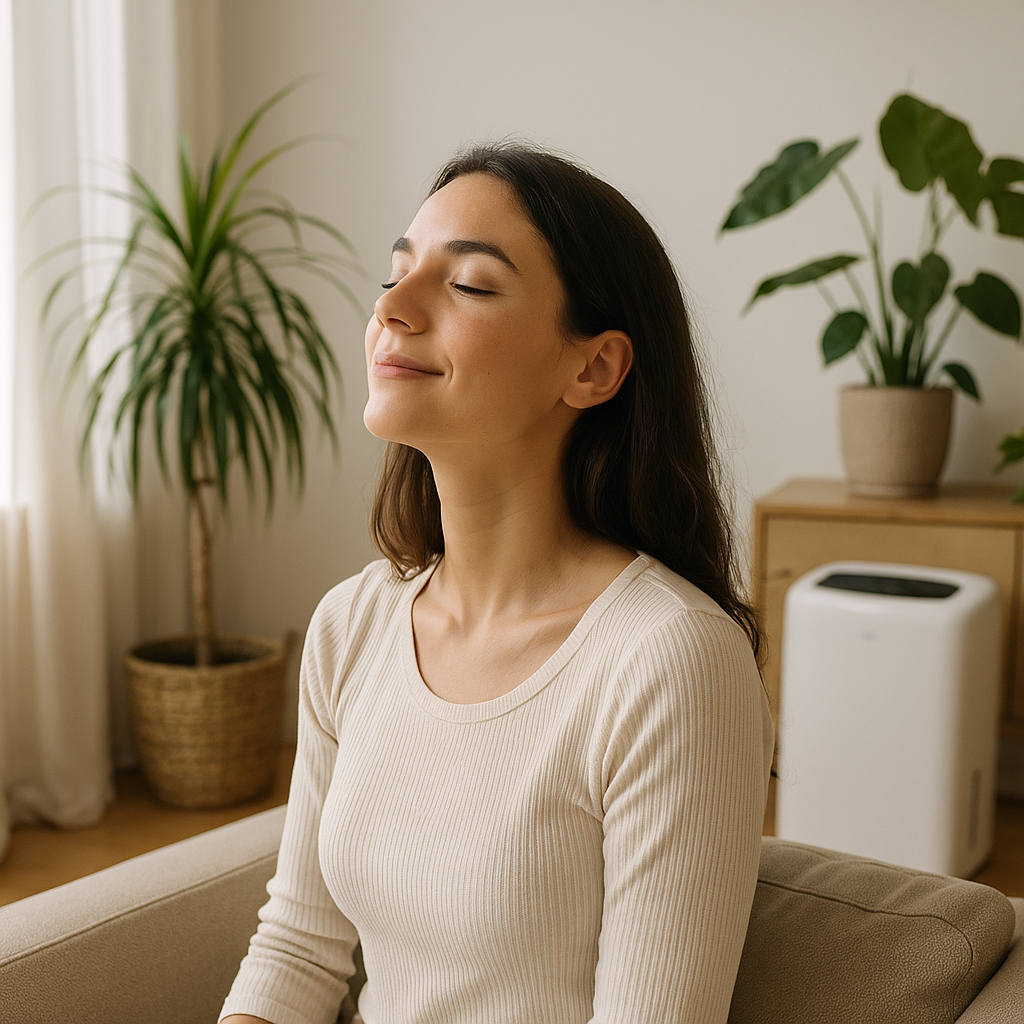
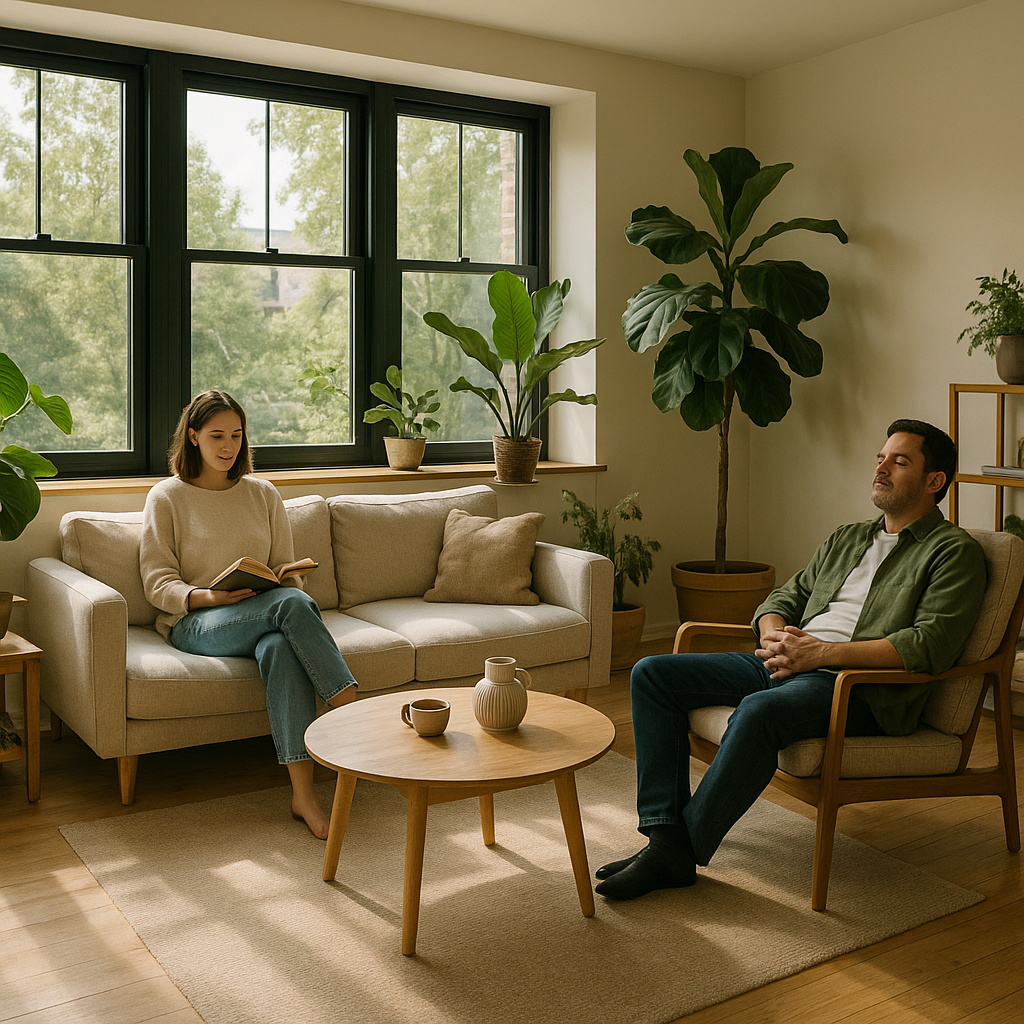
    Woman relaxing in a bright living room supported by balanced humidity control at home
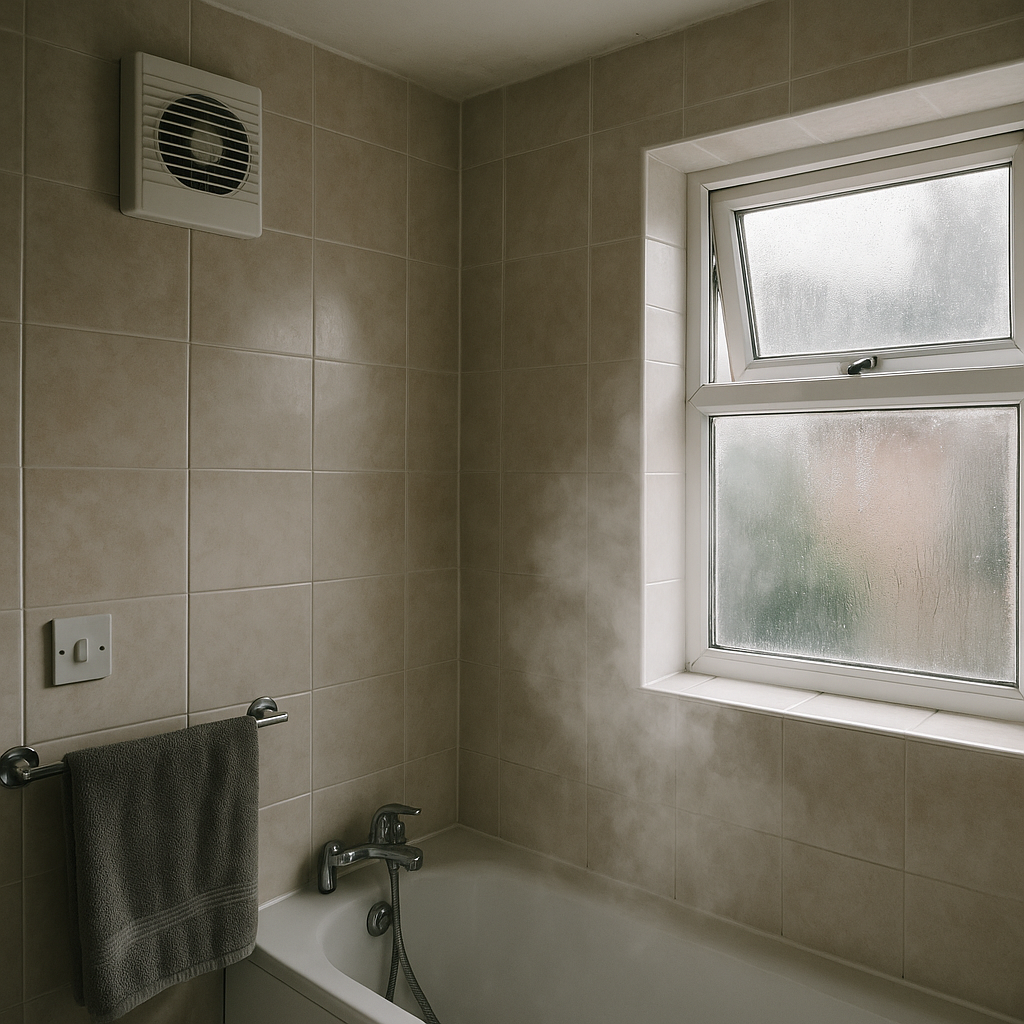
    Modern bathroom using extractor fan and open window for better humidity control at home

    Humidity control at home FAQs

    What is a healthy humidity level for a home?

    A healthy indoor humidity level is typically between 40 and 60 per cent relative humidity. Within this range, your airways, eyes and skin are less likely to dry out, and allergens such as dust mites and mould are less able to thrive. Using a simple digital hygrometer can help you keep an eye on moisture levels so you can make small adjustments as needed.

    Can poor humidity levels make you feel unwell?

    Yes, both very low and very high humidity can affect how you feel. Dry air may cause a sore throat, dry eyes, cracked lips, irritated skin and more frequent colds. Excess humidity can lead to a feeling of heaviness, worsen asthma and allergies, and contribute to headaches or fatigue. If you regularly feel unwell at home but better when you are away, it is worth checking your humidity as part of the picture.

    How can I naturally improve humidity control at home?

    You can improve moisture balance with a few daily habits. Open windows for short periods to refresh the air, especially after showering or cooking. Use extractor fans, keep pan lids on, and avoid drying clothes on radiators in small rooms. If your home is very damp, a dehumidifier can help, while very dry homes may benefit from a humidifier and more indoor plants, combined with good airflow.
  • How Biophilic Home Design Can Boost Your Everyday Wellbeing

    How Biophilic Home Design Can Boost Your Everyday Wellbeing

    Biophilic home design for wellbeing is all about bringing the calming power of nature into the spaces where you spend most of your time. When your home supports your body and mind, it becomes easier to start each day at your baseline – balanced, rested and ready.

    What is biophilic home design for wellbeing?

    Biophilic design is based on our innate need to connect with nature. Instead of treating your home as a sealed box, it weaves in natural light, fresh air, greenery and organic materials to create a soothing, supportive environment. When this approach is used thoughtfully, biophilic home design for wellbeing can reduce stress, support better sleep and even improve focus.

    This does not mean filling every corner with plants. It is about creating a subtle, steady sense of nature: the warmth of wood under your feet, a view of the sky from your favourite chair, or the sound of rain on glass while you stay cosy indoors.

    Natural light and views: your daily reset

    Light is one of the strongest signals for your body clock. A home that lets in plenty of daylight helps regulate sleep hormones, so you feel naturally more alert in the morning and more ready to rest at night. Aim to spend your first waking minutes in a room with generous windows or doors that open onto the outdoors.

    If you are planning any upgrades, think about how you can increase light and views. Larger windows, rooflights and glazed structures such as conservatories can all help, but even small steps make a difference. Rearranging furniture to face a window, pulling back heavy curtains, or swapping dark blinds for lighter ones can gently lift your baseline mood each day.

    Bringing nature inside with materials and textures

    Biophilic home design for wellbeing also focuses on what you touch and see up close. Natural materials tend to feel warmer and more grounding than plastics and laminates. Consider:

    • Wooden floors, shelves or side tables that show the grain
    • Natural fabrics like cotton, linen or wool for bedding and throws
    • Stone, clay or ceramic finishes in kitchens and bathrooms

    These textures create a sense of calm continuity with the outdoors. Even if a full renovation is not on the cards, small swaps – a wooden lamp base, a woven rug, a linen cushion cover – can nudge your space towards a more natural feel.

    Plants, air quality and your baseline energy

    Indoor plants are a simple, affordable way to shift the atmosphere of a room. They soften hard edges, add gentle colour and can help you feel more connected to the seasons. Choose low maintenance varieties if you are new to plant care, such as snake plants, pothos or peace lilies.

    Place plants where you spend time rather than just in corners: on your desk, beside your bed or near the dining table. This keeps nature within your everyday line of sight, which research suggests can lower stress levels and support more stable energy across the day.

    Good air quality is just as important. Regularly opening windows, even for a few minutes, helps clear indoor pollutants and brings in fresh oxygen. Pair this with plants and you create a gentle, natural breathing space that supports your lungs and your nervous system.

    Designing calming routines into your space

    The most powerful biophilic homes do more than look good – they support daily rituals that keep you at your baseline. Try creating:

    • A morning light spot: a chair by the window where you drink water or stretch in daylight
    • A green work zone: a desk with at least one plant, a view outside and minimal clutter
    • A wind-down corner: soft lighting, natural textures and a clear view of the sky or garden

    Think of your home as a partner in your wellbeing. Each small design choice can make it easier to choose rest over scrolling, a glass of water over another coffee, or a few minutes of stretching over collapsing onto the sofa.

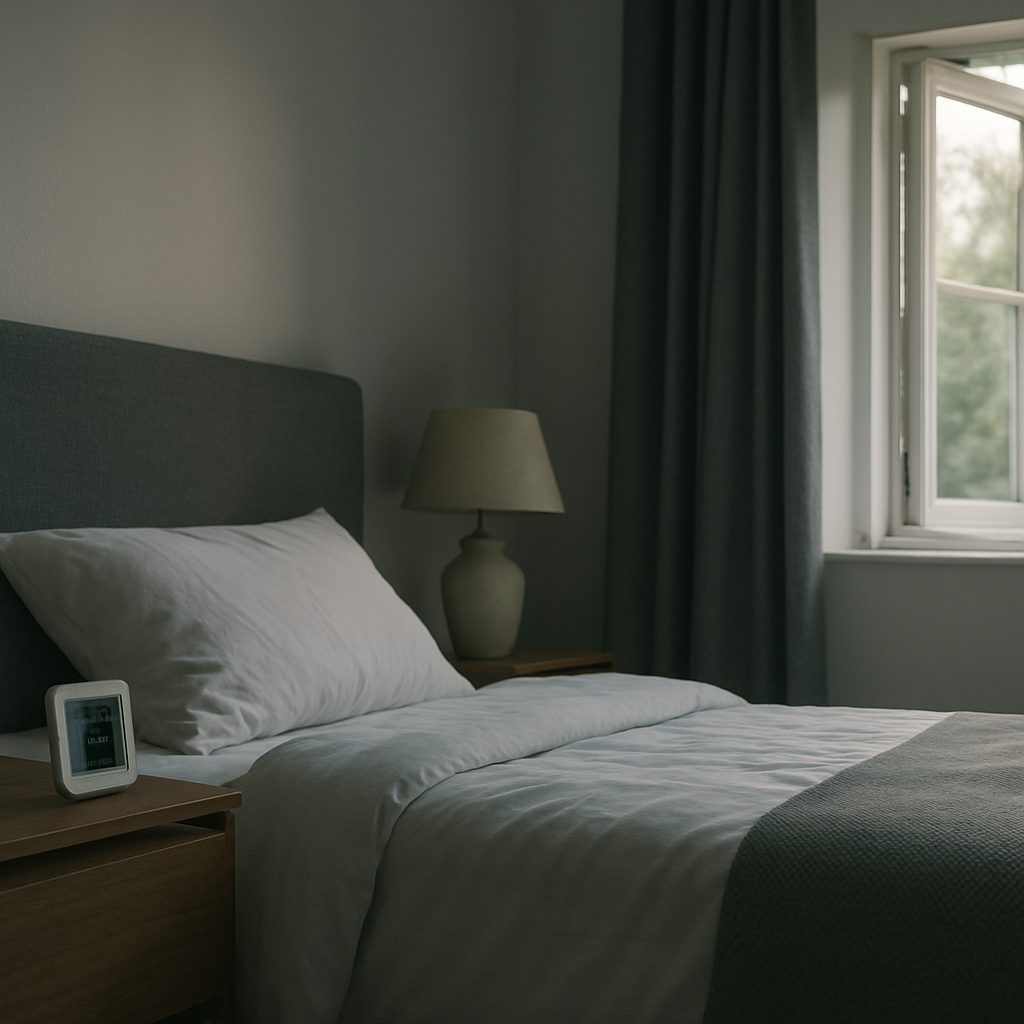
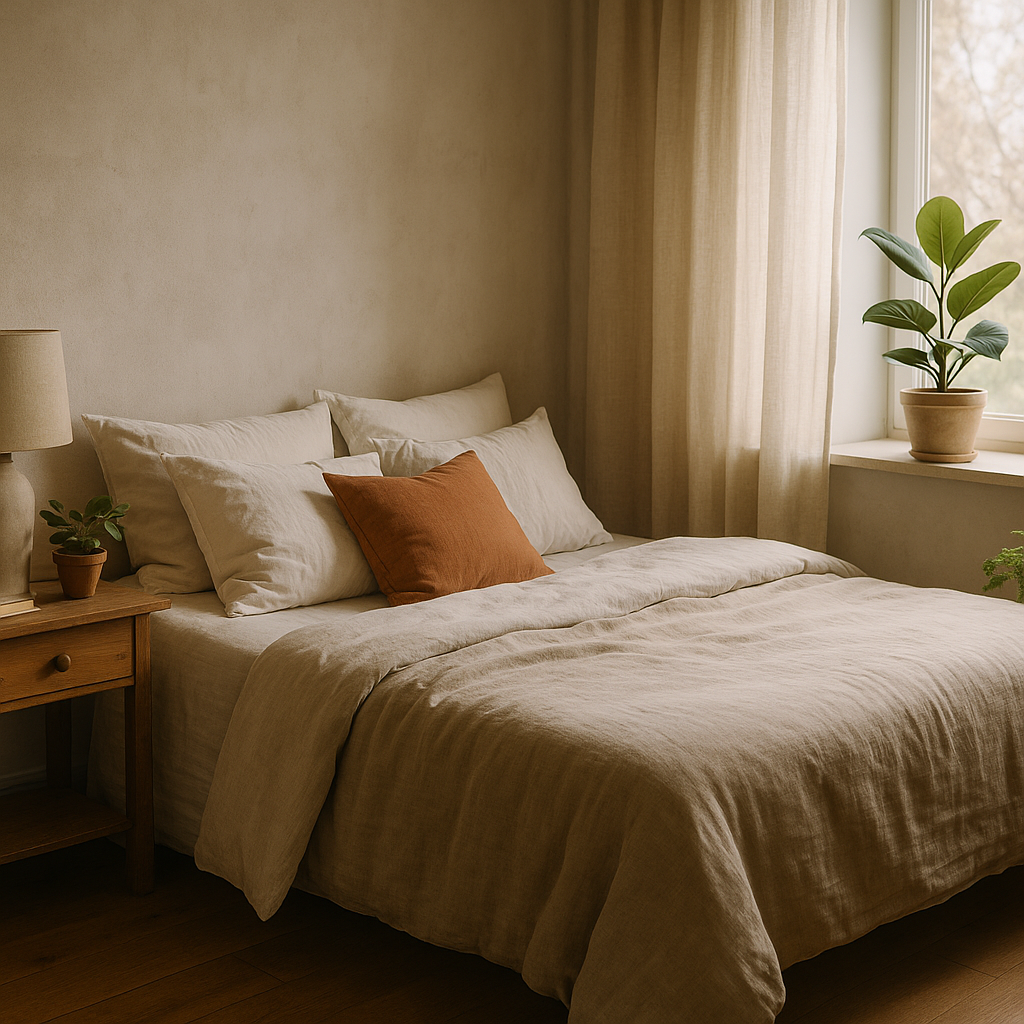
    Calming bedroom showing biophilic home design for wellbeing with soft textures and greenery
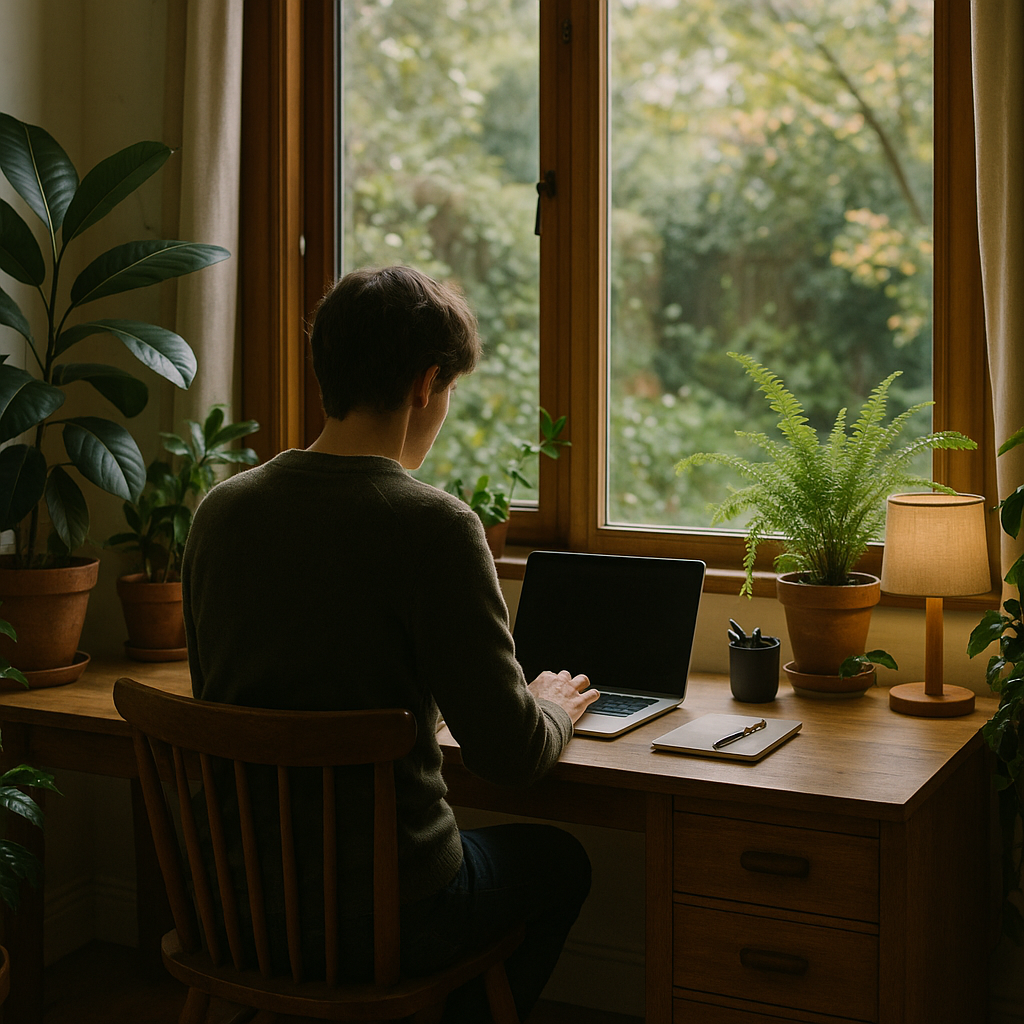
    Home workspace arranged with biophilic home design for wellbeing including plants and garden view

    Biophilic home design for wellbeing FAQs

    Is biophilic home design for wellbeing expensive to implement?

    It does not have to be. While large windows and major structural changes can be costly, many elements of biophilic home design for wellbeing are inexpensive. Opening curtains fully, rearranging furniture to face natural light, adding a few houseplants, choosing natural fabrics for cushions or bedding and regularly airing rooms are all low cost steps that still support your body and mind.

    How can I use biophilic home design for wellbeing in a small flat?

    In a small flat, focus on what you can see, touch and smell each day. Place plants on window sills and shelves, use light coloured curtains to maximise daylight, and choose natural textures like cotton, wood and woven baskets. Even a single window with a view of the sky, a small herb pot in the kitchen and a cosy, nature inspired reading corner can bring the benefits of biophilic home design for wellbeing into compact spaces.

    Can biophilic home design for wellbeing help with sleep problems?

    It can support healthier sleep patterns by working with your body clock. Exposure to natural light in the morning helps regulate melatonin, while a darker, calmer bedroom in the evening signals to your brain that it is time to rest. Using biophilic home design for wellbeing, you might prioritise daylight in your morning spaces, choose soft, natural bedding, reduce clutter and include a small plant or two to create a soothing, sleep friendly environment.