
There is a conversation happening inside your body right now, and most of us have no idea it is going on. Your gut and your brain are in near-constant dialogue, exchanging chemical signals along a pathway researchers call the gut-brain axis. The link between gut health and anxiety is no longer fringe science. It is being studied seriously at institutions including University College London, King’s College London, and the APC Microbiome Ireland research centre, and the findings are hard to ignore.
Put simply: the trillions of microorganisms living in your digestive tract do far more than break down food. They produce neurotransmitters, regulate inflammation, and influence the stress response in ways that directly shape how you feel on a given day.
What is the gut-brain axis, exactly?
The gut-brain axis is the two-way communication network linking the central nervous system to the enteric nervous system, which is the complex web of around 100 million nerve cells embedded in your gut lining. The vagus nerve is the main motorway of this system, carrying signals in both directions. When your gut microbiome is diverse and well-balanced, this highway tends to run smoothly. When it is disrupted, things go wrong in ways that reach well beyond digestion.
Around 90 to 95 per cent of the body’s serotonin is produced in the gut. That is the same neurotransmitter that antidepressants like SSRIs are designed to act upon. Your gut bacteria play a significant role in its synthesis. They also influence the production of GABA, the brain’s primary calming chemical, and regulate levels of cortisol through pathways involving the hypothalamic-pituitary-adrenal (HPA) axis. In plain terms: an unhappy gut can make for an anxious mind.
What does the research actually show?
The science on gut health and anxiety has moved quickly over the past decade. A 2019 study published in Nature Microbiology analysed data from over 1,000 participants and found that people with depression had significantly lower levels of two gut bacteria genera: Coprococcus and Dialister. Separately, research from King’s College London has examined how gut microbiome composition relates to stress reactivity and emotional processing.
A particularly compelling area of study involves probiotics, sometimes called psychobiotics when used in a mental health context. Clinical trials have tested whether supplementing with specific bacterial strains can reduce self-reported anxiety and improve mood. Results vary, but several trials have shown modest but measurable improvements, particularly in people with existing digestive conditions like IBS, which itself has well-documented links to anxiety and depression.
The NHS acknowledges the connection between gut conditions and mental health, noting that conditions such as irritable bowel syndrome are often managed more effectively when psychological support is included alongside dietary treatment. You can read more about the gut-mental health relationship on the NHS mental wellbeing guidance pages.
Signs your gut microbiome might be affecting your mood
It is not always obvious when gut imbalance is a contributing factor to anxiety. Some signs to pay attention to include persistent low-grade digestive discomfort alongside mood changes, heightened sensitivity to stress after a course of antibiotics, feeling worse mentally after eating certain foods (particularly ultra-processed ones), and a general sense of brain fog or fatigue that does not resolve with rest.
None of these symptoms are definitive on their own. But if you notice patterns between what you eat, how your digestion feels, and the quality of your mental state, that is worth taking seriously rather than dismissing.
Practical dietary steps to support gut health and mental wellbeing
The encouraging thing about the gut-brain axis is that it is genuinely responsive to lifestyle changes. You do not need expensive supplements or elaborate protocols. The foundations are straightforward.
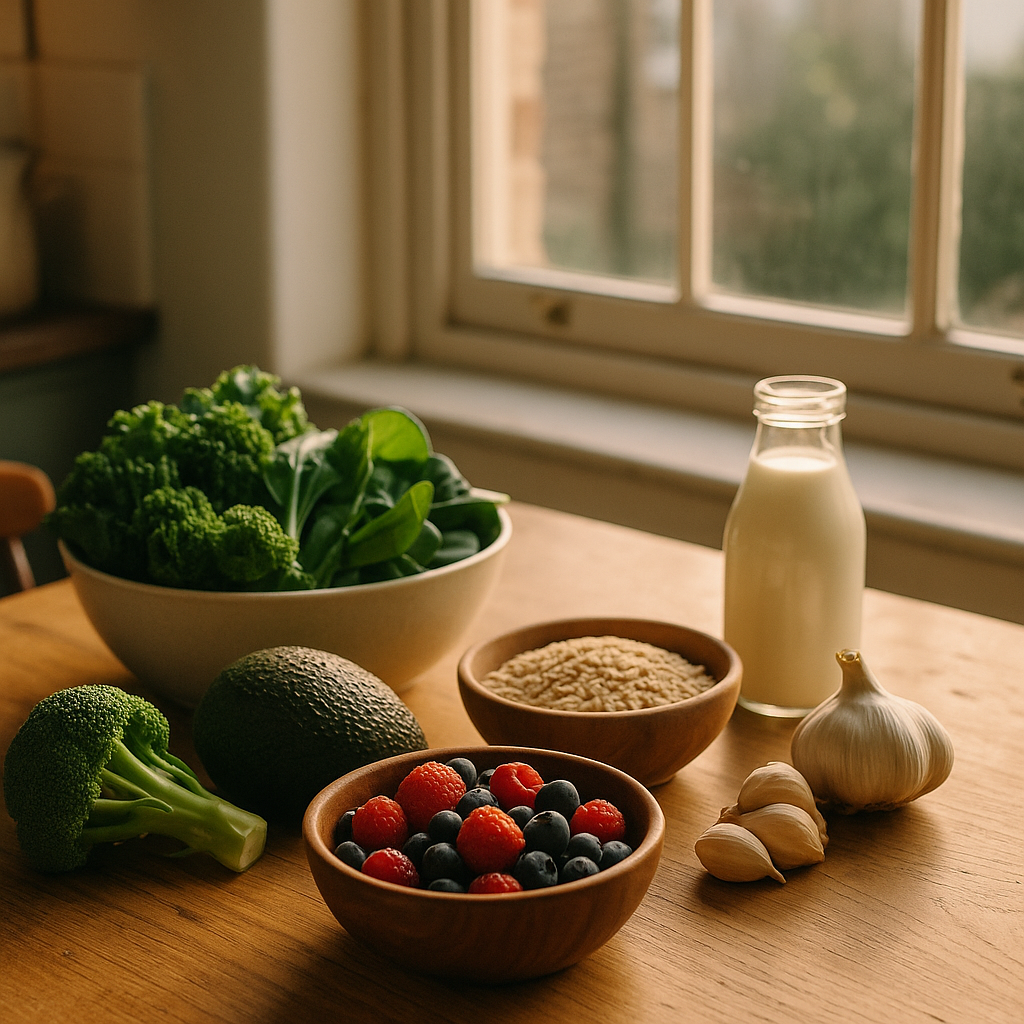
Eat a wider variety of plants
Research from the British Gut Project (now part of ZOE’s ongoing microbiome studies) found that people who eat 30 or more different plant foods per week have significantly more diverse gut microbiomes than those eating fewer. Diversity in the microbiome is strongly associated with better health outcomes, including mental health markers. This does not mean eating mountains of food. It means swapping your usual apple for a pear sometimes, adding a handful of sunflower seeds to your salad, or stirring different beans into a soup.
Prioritise fermented foods
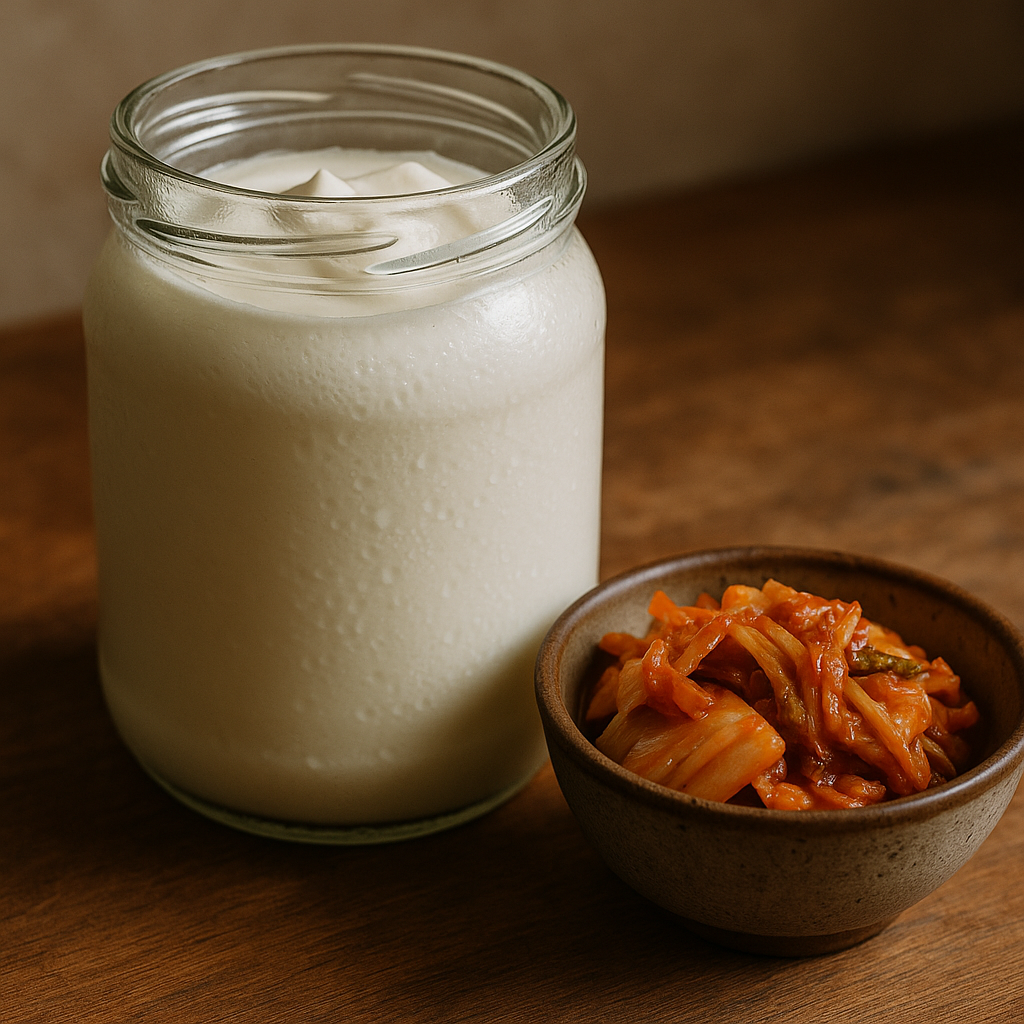
Fermented foods introduce live bacteria into the gut and have been shown to increase microbial diversity. Natural live yoghurt, kefir, sauerkraut, kimchi, miso, and kombucha are all good options readily available in UK supermarkets. Start small if you are not used to them; too much too quickly can cause temporary bloating as your gut adjusts.
Feed your existing bacteria with prebiotic fibre
Probiotics get most of the attention, but prebiotics matter just as much. These are the non-digestible fibres that feed beneficial gut bacteria. Garlic, onions, leeks, asparagus, oats, bananas, and chicory root are all excellent prebiotic sources. A bowl of porridge in the morning is not just warming; it is actively supporting the microbial ecosystem that influences your mood.
Reduce ultra-processed foods
Ultra-processed foods (UPFs) are strongly associated with reduced microbiome diversity. Research from University of São Paulo and independently replicated in UK cohort studies has linked high UPF intake with increased risk of depression. This does not require perfection. It means being mindful about how much of your diet comes from packets with long ingredient lists, and gently shifting the balance towards whole foods over time.
Consider your alcohol and caffeine intake
Both alcohol and excessive caffeine can disrupt the gut lining and alter bacterial composition. For people already managing anxiety, this matters. Alcohol in particular is a depressant that disrupts sleep, increases cortisol, and negatively affects the microbiome, creating a cycle that is easy to get stuck in. A fortnight off alcohol is a common way to notice just how much it was affecting your baseline mood.
Beyond diet: other factors that shape your gut and your mood
Food is the most direct lever, but it is not the only one. Sleep deprivation measurably alters gut microbiome composition within days. Chronic stress, ironically, also damages the gut lining and reduces bacterial diversity, which then feeds back into heightened anxiety. Moderate exercise, particularly walking and low-intensity activity, has been shown to positively influence microbiome diversity. And antibiotic use, while sometimes necessary, is worth following up with a period of intentional gut support through fermented foods and fibre-rich eating.
The gut-brain axis is a reminder that mental health does not live in the brain alone. The body is one system. Caring for your gut is not separate from caring for your mind; in many ways, it is one and the same thing.
Start small. Add one fermented food this week. Swap white bread for rye once. Notice whether it makes a difference. Your microbiome responds faster than you might expect, and so, often, does your mood.
Frequently Asked Questions
Can improving gut health really help with anxiety?
Research suggests a genuine link between gut microbiome health and anxiety through the gut-brain axis. While gut changes are not a replacement for clinical treatment, studies show that dietary improvements supporting microbiome diversity can positively influence mood and stress reactivity over time.
What foods are best for gut health and mental wellbeing?
Fermented foods like kefir, live yoghurt, kimchi, and sauerkraut introduce beneficial bacteria directly. Prebiotic-rich foods such as oats, garlic, leeks, and bananas feed those bacteria. Eating at least 30 different plant foods per week is one of the strongest evidence-backed approaches for microbiome diversity.
How long does it take to improve your gut microbiome through diet?
The gut microbiome can begin to shift within a few days of dietary changes, though meaningful, lasting changes typically take four to eight weeks of consistent eating habits. Some people notice improvements in digestion and mood within two to three weeks of increasing fibre and fermented food intake.
Should I take probiotic supplements for anxiety?
Probiotic supplements (sometimes called psychobiotics) show promise in clinical trials, but the evidence is still developing and strains vary in effect. Food-based sources of probiotics are generally a safer starting point. If you are considering supplements, speak to your GP, especially if you have a health condition.
What is the gut-brain axis in simple terms?
The gut-brain axis is the two-way communication system between your digestive tract and your brain, primarily via the vagus nerve. Your gut bacteria influence neurotransmitter production, inflammation, and stress hormones, all of which directly affect mood, anxiety levels, and cognitive function.