
If you wake up and reach for your phone before you even get out of bed, you are not alone. Many of us want to know how to stop doomscrolling, yet we feel pulled towards the next alarming headline or breaking story. It can feel like staying informed, but your body often tells a different story.
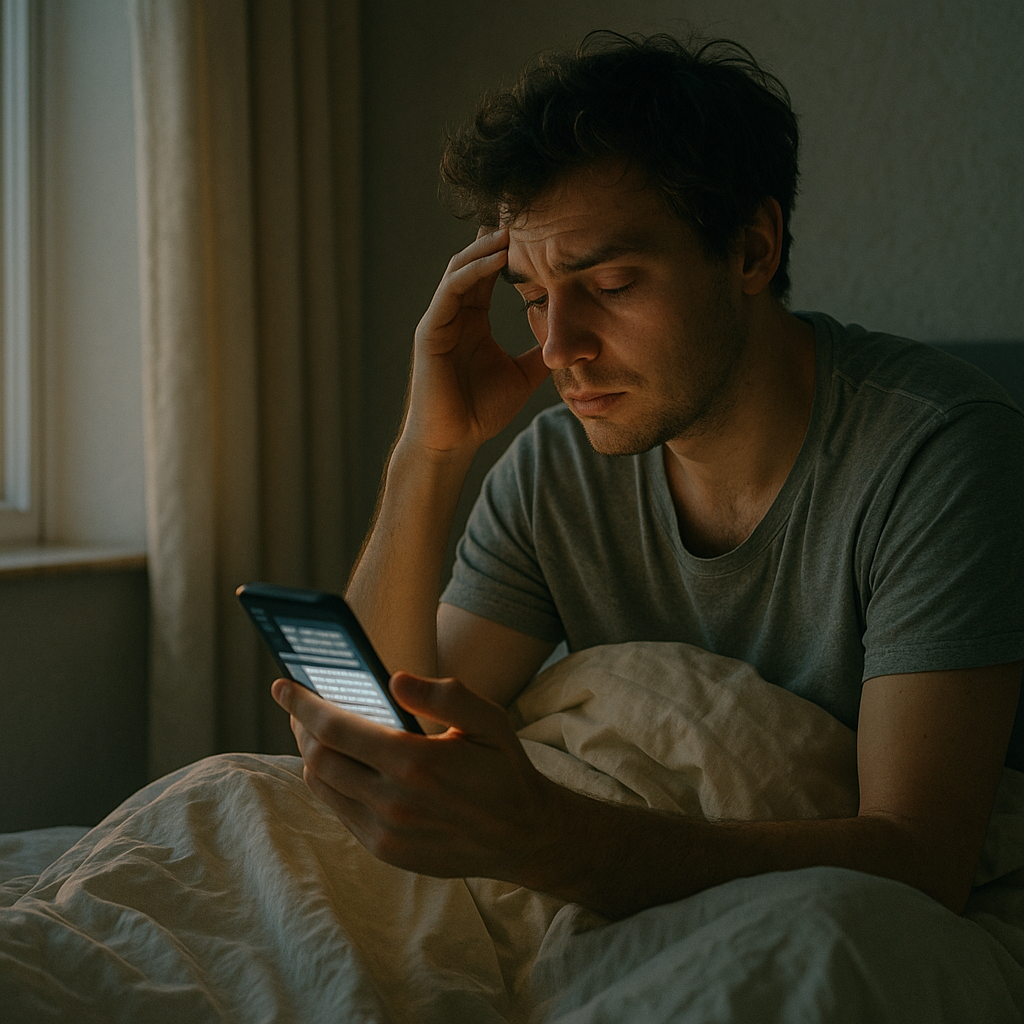
How doomscrolling affects your nervous system
Our brains are wired to scan for threats. The 24/7 news cycle takes advantage of this by serving a constant stream of danger, conflict and outrage. Each shocking headline triggers a mini stress response. Your body releases adrenaline and cortisol, your heart rate may rise, and your muscles subtly tense as if you need to act.
When this happens repeatedly throughout the day, your nervous system can get stuck in a state of hyper-alertness. You might feel jumpy, irritable or on edge without knowing why. Over time, this constant low-level stress can contribute to headaches, digestive issues, muscle tension and a general sense of unease.
Doomscrolling also keeps your attention fragmented. Rapidly switching between stories and platforms makes it harder for your brain to process information properly, so worries linger and feel bigger than they are.
How doomscrolling disrupts sleep and mood
Late-night scrolling exposes your eyes to bright blue light, which suppresses melatonin, the hormone that tells your body it is time to sleep. At the same time, upsetting news spikes your stress hormones. Your body ends up getting mixed messages: stay awake and stay alert, even when you are in bed.
This combination makes it harder to fall asleep and stay asleep. You might notice racing thoughts, replaying stories you have read, or waking in the night to check your phone. Poor sleep then feeds into low mood, anxiety and difficulty concentrating the next day.
Emotionally, constant exposure to distressing news can lead to a sense of helplessness. You may feel that the world is only getting worse, even though positive stories rarely receive the same attention. This negativity bias can increase symptoms of anxiety and depression and make everyday stresses feel heavier.
Why doomscrolling feels addictive
Understanding how to stop doomscrolling starts with knowing why it is so hard to put the phone down. Each time you refresh your feed, you get a new hit of information. Sometimes it is shocking, sometimes mildly interesting, occasionally uplifting. This unpredictable mix keeps your brain hooked, releasing dopamine in anticipation of the next piece of content.
There is also a powerful social element. Many people worry that if they unplug, they will miss something important or seem uninformed. In uncertain times, checking the news can feel like a way to stay in control, even if it actually leaves you feeling more overwhelmed.
How to stop doomscrolling with a healthy information diet
Think of your news intake like your food intake: you need enough to stay nourished, but too much of the wrong thing leaves you feeling unwell. Here is a simple framework to create a healthier information diet.
1. Set clear “news windows”
Choose one or two short times in the day to catch up on news, such as mid-morning and early evening. Outside those windows, avoid news apps and social feeds. This limits the constant drip of stress while still keeping you informed.
2. Protect your mornings and evenings
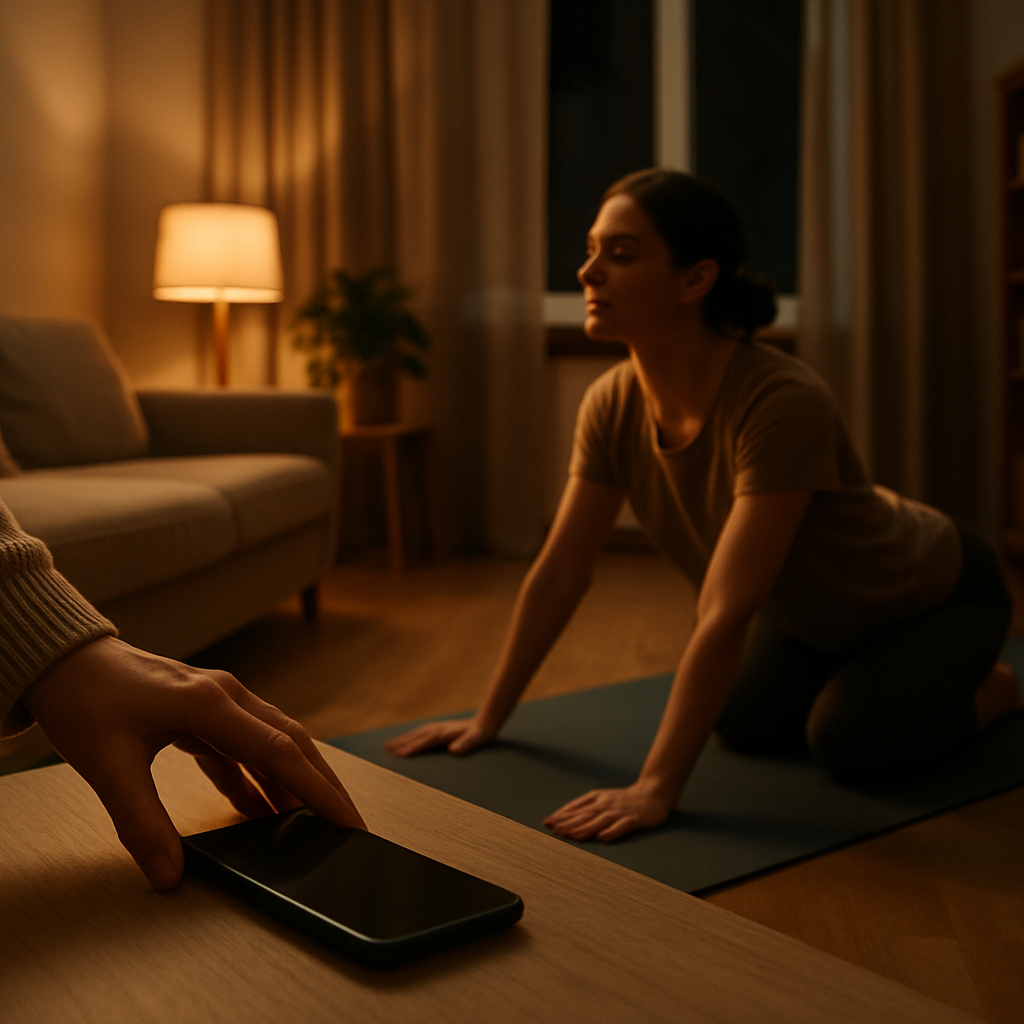
Make a rule that you will not check news for the first 30 to 60 minutes after waking and the last hour before bed. Use that time for grounding habits instead: stretching, a short walk, a proper breakfast or a few minutes of slow breathing. These moments help you start and end the day at your baseline, rather than in a state of alarm.
3. Tidy up your notifications
Turn off breaking news alerts and limit notifications from social media. If that feels like too much, start by muting them overnight. Reducing interruptions gives your nervous system a chance to relax and makes it easier to stay present with whatever you are doing.

How to stop doomscrolling FAQs
Why is it so hard to stop doomscrolling once I start?
Doomscrolling taps into your brain’s threat and reward systems. Each refresh offers new information, sometimes alarming, sometimes mildly interesting. This unpredictable mix releases dopamine and keeps you searching for the next update. On top of that, worrying headlines trigger your stress response, so you feel compelled to keep checking for reassurance. Setting time limits, removing autoplay and turning off push alerts can break this cycle and make it easier to put your phone down.
Can doomscrolling really affect my physical health?
Yes. Repeated exposure to distressing news can keep your body in a state of low-level stress. Stress hormones such as cortisol and adrenaline stay elevated, which over time can contribute to headaches, muscle tension, digestive issues, raised blood pressure and weakened immunity. It can also disrupt sleep, which affects energy, appetite and mood. Reducing your news intake, especially in the evening, and adding calming routines can help your body return to a healthier baseline.
How can I stay informed without feeling overwhelmed?
Decide what “informed” means for you and build simple boundaries around it. You might choose one or two short news windows per day, follow a limited number of trusted sources and use a daily summary rather than live feeds. Avoid checking news first thing in the morning or last thing at night, and pay attention to how your body feels as you read. If you notice rising tension or anxiety, pause, take a few slow breaths and step away. This way, you stay connected to the world while still protecting your wellbeing.