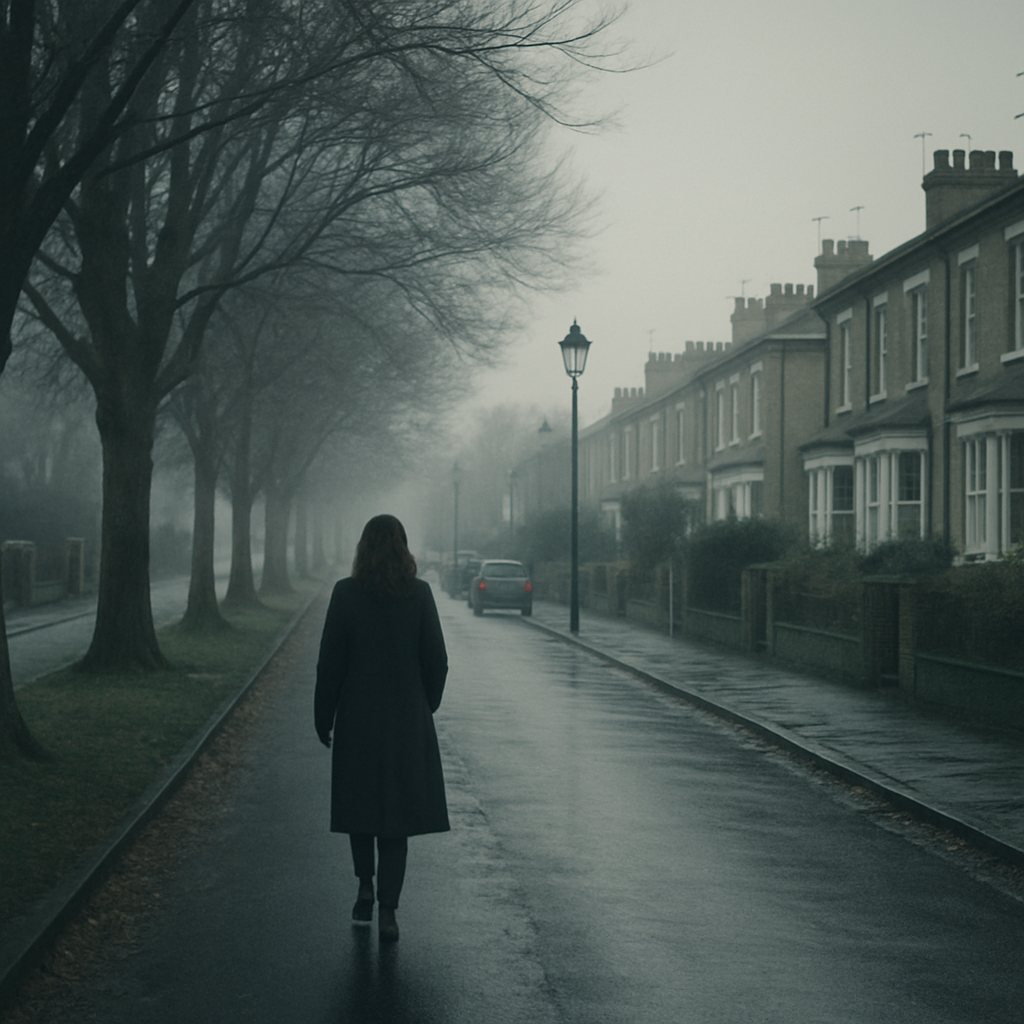
Most of us feel it somewhere around late October. The mornings go dark, the commute home is pitch black, and a sort of heaviness settles in. For many people, this is just the annual adjustment to British winter: not pleasant, but manageable. For others, something more significant is happening. Knowing the difference between seasonal affective disorder and ordinary winter low mood matters, because the two require quite different responses.
Seasonal affective disorder is a recognised clinical condition, classified as a subtype of depression. It follows a seasonal pattern, typically emerging in autumn and lifting in spring, and it disrupts daily functioning in ways that go far beyond feeling a bit gloomy because the weather is grim. Research suggests it affects around 2 million people in the UK, with a further 10 million experiencing a milder version sometimes called the “winter blues” or sub-syndromal SAD. The distinction is not just academic. It changes what kind of help is appropriate.
What does seasonal affective disorder actually feel like?
The symptoms of clinical SAD overlap with major depression, but the seasonal timing is a defining feature. If the pattern has repeated across at least two consecutive winters, and you largely recover each spring without any other obvious explanation, that is a key diagnostic indicator.
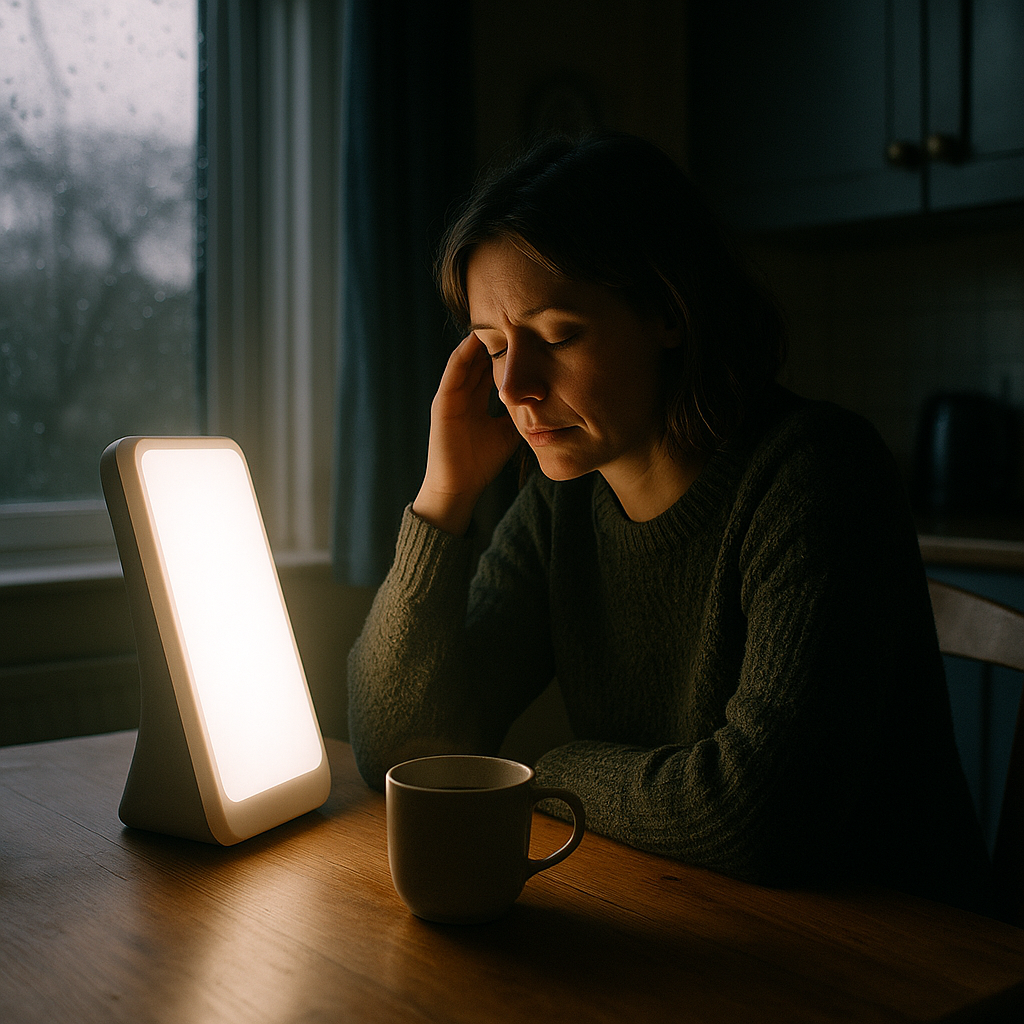
Symptoms tend to include persistent low mood that is present most of the day, most days, rather than occasional sadness. People often experience a marked increase in sleep, sometimes sleeping significantly more than usual yet still waking unrefreshed. Appetite changes are common too, often a strong craving for carbohydrates and noticeable weight gain through the winter months. Energy levels drop dramatically. Concentration deteriorates. There can be a withdrawal from social contact, a sense of numbness or hopelessness, and a loss of interest in things that would normally bring some enjoyment.
The important word here is persistent. SAD is not a few gloomy Sundays. It is a pattern that sits across weeks and months, interfering with work, relationships, and the ordinary business of life.
How winter low mood differs from clinical SAD
Winter low mood, sometimes called sub-syndromal SAD, shares some surface features: lower energy, less motivation, perhaps a preference for staying in. But the key difference is severity and functional impact. With low-grade winter mood changes, you still get things done. You still feel flashes of pleasure. You might feel sluggish on dark January mornings, but a good walk or a social evening lifts you. The fog is thinner.
With clinical SAD, these normal pick-me-ups barely register. The condition has a grip that lifestyle adjustments alone cannot fully release. That is not a personal failing. It reflects the underlying biology, which is thought to involve disrupted circadian rhythms, overproduction of melatonin in response to reduced light, and reduced serotonin activity.
Light therapy: what the evidence actually says
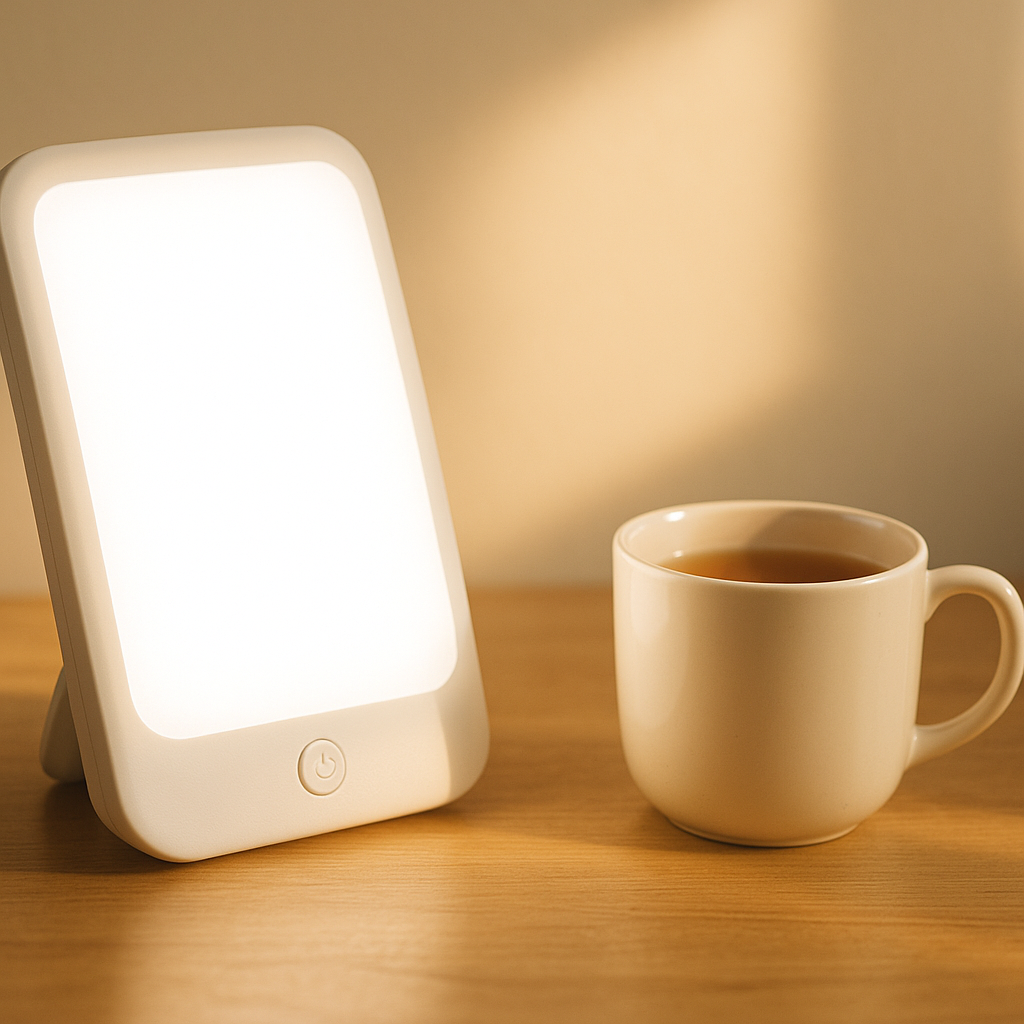
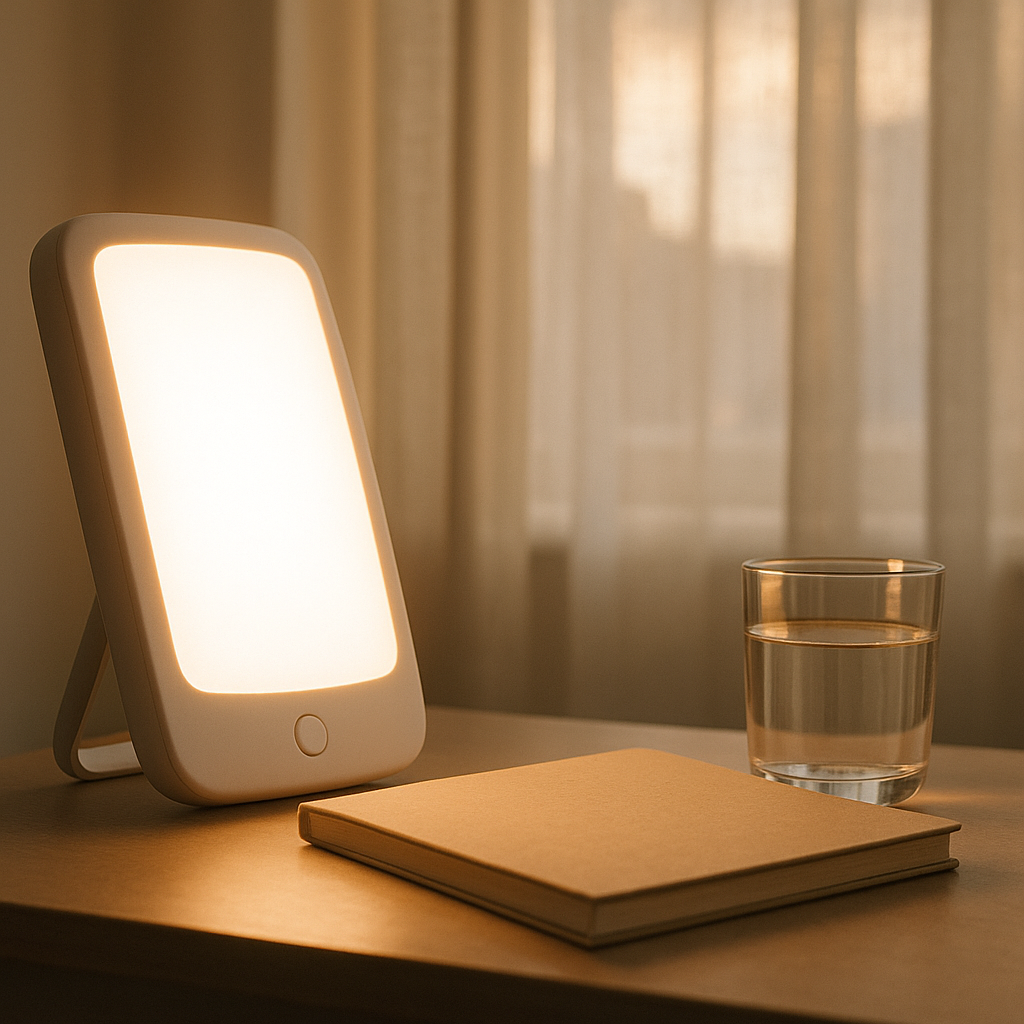
Light therapy is the most studied non-pharmacological treatment for seasonal affective disorder, and the evidence is reasonably solid. The NHS acknowledges it as a treatment option, and many GPs are familiar with recommending it. A light therapy lamp, sometimes called a SAD lamp, emits 10,000 lux of bright white light, and the standard protocol involves sitting in front of it for around 20 to 30 minutes each morning, ideally within an hour of waking.
The timing matters. Morning exposure helps to correct the circadian disruption that underlies SAD, essentially signalling to your brain that the day has begun even when it is still dark outside. Using a lamp in the evening can disrupt sleep, so that is worth avoiding. Brands like Lumie, which is a UK company, are well-regarded for producing clinically relevant devices, and their lamps are often referenced in NHS patient information. Prices typically start around £40 for basic models and rise to £150 or more for sunrise-simulation alarm clocks that combine gradual morning light with conventional therapy.
For winter low mood that does not meet the clinical threshold, a light therapy lamp can still be genuinely useful as part of a broader morning routine. If your home has limited natural light, improving how light enters your living spaces helps too. Some people fit lantern roof blinds to overhead glazing precisely to manage light levels through the day, letting in maximum daylight in winter while retaining the option to diffuse harsh summer sun.
When to speak to your GP about SAD
If your symptoms are consistently disrupting daily life across multiple winters, that is the point to seek a GP appointment rather than managing it alone. The NHS provides clear information on SAD, including self-referral options to IAPT (Improving Access to Psychological Therapies) services, now often called NHS Talking Therapies, which do not always require a GP referral.
Your GP may consider cognitive behavioural therapy (CBT), which has a reasonable evidence base for SAD specifically. There is a structured form called CBT-SAD developed with this population in mind. Antidepressants, particularly SSRIs, are also prescribed for more severe presentations, typically starting in autumn before symptoms peak.
Do not wait until you are at your lowest point in January to make contact. If the pattern is consistent year on year, raising it in September or October means you can have a plan in place before the worst weeks arrive.
Lifestyle adjustments that have evidence behind them
For both seasonal affective disorder and milder winter low mood, certain lifestyle habits have a reasonable evidence base and are worth building in regardless of what else you are doing.
Morning outdoor light exposure is one of the most accessible tools available. Even on a dull grey British morning, outdoor light registers at somewhere between 1,000 and 10,000 lux depending on cloud cover. That is significantly more than most indoor lighting, which typically sits well below 500 lux. A 20-minute walk outside before 10am, ideally without sunglasses, can help anchor your circadian rhythm in a meaningful way.
Exercise has a well-documented impact on mood regulation, partly through its effect on serotonin and endorphin activity. It does not need to be intense to be effective. Zone 2 level activity, a brisk walk, a steady cycle, a swim, done consistently is more useful than sporadic high-intensity sessions.
Sleep consistency matters more in winter than many people realise. The temptation to hibernate and sleep in significantly at weekends shifts your circadian rhythm in a way that can worsen mood during the week. Keeping wake times reasonably consistent, even on weekends, supports the same biological processes that light therapy targets.
Social connection, even when it feels like an effort, tends to buffer low mood. Isolation tends to amplify it. This is not about forcing yourself to socialise when genuinely unwell; it is about recognising that the withdrawal instinct that comes with winter low mood can become self-reinforcing if you give in to it entirely.
Putting it together: a practical winter framework
For winter low mood, a structured morning routine anchored around light exposure, movement, and consistent sleep timing will address most of what is happening. A light therapy lamp is a worthwhile investment if you cannot get outside reliably.
For seasonal affective disorder, the same habits are still relevant and supportive, but they work best alongside, not instead of, professional support. The condition has a biological underpinning that lifestyle alone often cannot fully address. Speaking to your GP, exploring NHS Talking Therapies, and getting an assessment means you are working with the full range of tools available rather than hoping willpower closes the gap.
Winter in the UK is long and genuinely dark. That affects most people to some degree. But there is a meaningful difference between feeling the season and being pulled under by it, and knowing which side you are on helps you respond in the right way.
Frequently Asked Questions
How do I know if I have seasonal affective disorder or just winter low mood?
The key markers for clinical SAD are severity, persistence, and a clear seasonal pattern repeating across at least two winters. If your mood is consistently low most days for weeks, you are sleeping far more than usual, your appetite and concentration are significantly affected, and it is interfering with work or relationships, speak to your GP. Milder winter low mood tends to be less disruptive and responds more readily to basic lifestyle adjustments like morning light and movement.
Do light therapy lamps actually work for SAD?
Yes, there is reasonable clinical evidence supporting light therapy as a first-line treatment for seasonal affective disorder. A 10,000 lux lamp used for 20 to 30 minutes each morning is the standard protocol, and timing it within an hour of waking is important. UK brands like Lumie produce devices referenced in NHS patient guidance, with prices starting around £40.
Can I self-refer for SAD treatment on the NHS?
In most areas of England you can self-refer to NHS Talking Therapies (formerly IAPT) without needing a GP first. Scotland, Wales, and Northern Ireland have different access pathways but similar psychological therapy services. For medication or a formal assessment, a GP appointment is the starting point.
When should I start light therapy in autumn to prevent SAD symptoms?
Many people find that starting light therapy proactively in late September or early October, before symptoms typically peak, helps to reduce severity. If your pattern is consistent year on year, there is no need to wait until you are already struggling. Building the morning routine before the darkest weeks arrive gives it more time to take effect.
Does vitamin D deficiency cause seasonal affective disorder?
Low vitamin D is common in the UK during winter and can contribute to low energy and mood, but it is not considered a direct cause of clinical SAD. The primary mechanism behind SAD is thought to involve disrupted circadian rhythms and reduced serotonin activity due to lower light exposure. That said, NICE guidelines suggest adults in the UK consider a daily 10 microgram vitamin D supplement through autumn and winter, which is a sensible baseline measure.