
If you’ve ever wondered why some weeks you feel like you could run a half marathon and other weeks the thought of a brisk walk feels monumental, your menstrual cycle is very likely the reason. Cycle syncing workouts for beginners is the practice of matching the type and intensity of exercise to each of the four phases of your cycle. It’s not a new concept, but it’s one that’s finally getting the mainstream attention it deserves, and the results for many women are genuinely noticeable.
The idea is rooted in the fact that oestrogen, progesterone, testosterone, and a handful of other hormones fluctuate significantly across a typical 28-day cycle. Those hormonal shifts affect your energy levels, strength, pain tolerance, coordination, and even how efficiently your body uses fuel. Working with those changes rather than against them can mean fewer slumps, less post-workout fatigue, and better overall fitness results over time.
The Four Phases and What They Mean for Your Movement
Before we look at specific workouts, it helps to understand what’s happening in the body during each phase. A standard cycle is divided into the menstrual phase, the follicular phase, ovulation, and the luteal phase. Each one creates a distinct hormonal environment, and your body genuinely responds differently to physical stress depending on where you are in that cycle.
Menstrual Phase (Days 1 to 5, Approximately)
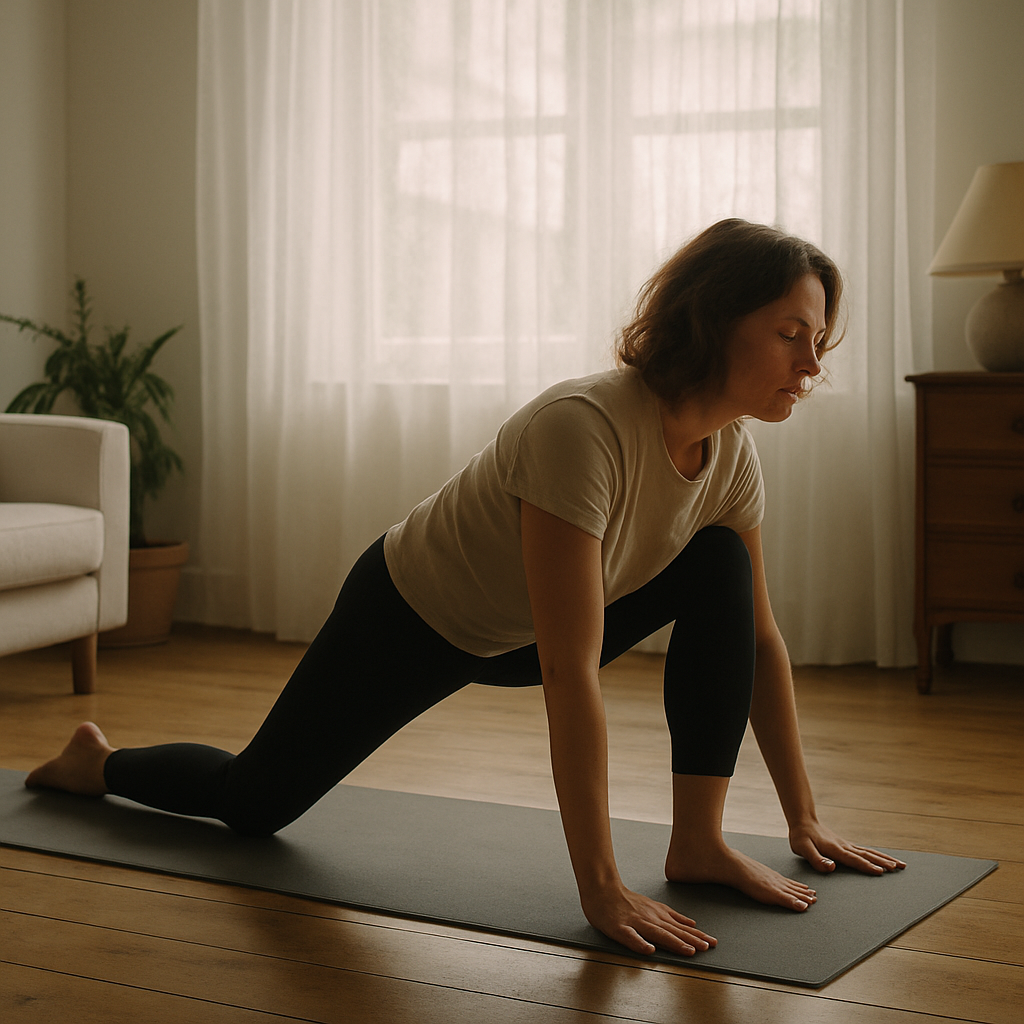
This is the week of your period. Oestrogen and progesterone are at their lowest, which is why energy and motivation often dip. This is not the week to push for personal bests. Gentle movement tends to serve you better here: yoga, light walking, or stretching. Restorative exercise can actually help with cramping and low mood, without depleting the energy your body is using to do its job. If you want something more structured, slow Pilates or a gentle swim are both sensible choices. The key word for this phase is restorative.
Follicular Phase (Days 6 to 13, Approximately)
Oestrogen starts climbing during this phase, and most women notice a real lift in mood, motivation, and physical capacity. This is an excellent time to try something new, increase the intensity of your sessions, or start a fresh fitness habit. Your brain is more receptive to learning new movement patterns, and your body recovers more quickly. Think HIIT, strength training, running, or a dance class. If you’ve been thinking about getting back into the gym, the follicular phase is genuinely the best moment to start. For anyone exploring cycle syncing workouts for beginners, this is usually the most enjoyable phase to begin with.
Ovulation (Days 14 to 16, Approximately)
Oestrogen peaks around ovulation, and a brief surge of testosterone also arrives, which can make this feel like your physical peak. Many women report feeling stronger, more confident, and more sociable at this point in the month. High-intensity workouts, personal record attempts, or competitive sport sessions tend to land well here. One thing worth noting: some research suggests ligament laxity can increase around ovulation due to hormonal effects on connective tissue, so it’s worth warming up thoroughly and being mindful of joint alignment, particularly during anything involving jumping or rapid direction changes.
Luteal Phase (Days 17 to 28, Approximately)
Progesterone rises and eventually dominates during the luteal phase. Energy starts to slow, body temperature is slightly elevated, and the body tends to prefer using fat as fuel rather than glycogen. Earlier in this phase, moderate-intensity workouts like cycling, swimming, or weight training at a steadier pace can still feel good. In the final days before your period, scaling back to lower-intensity sessions is wise. This is when overdoing it most often leads to prolonged fatigue or poor recovery. Listen closely to your body during the late luteal phase; it tends to be honest with you.
Practical Tips for Getting Started
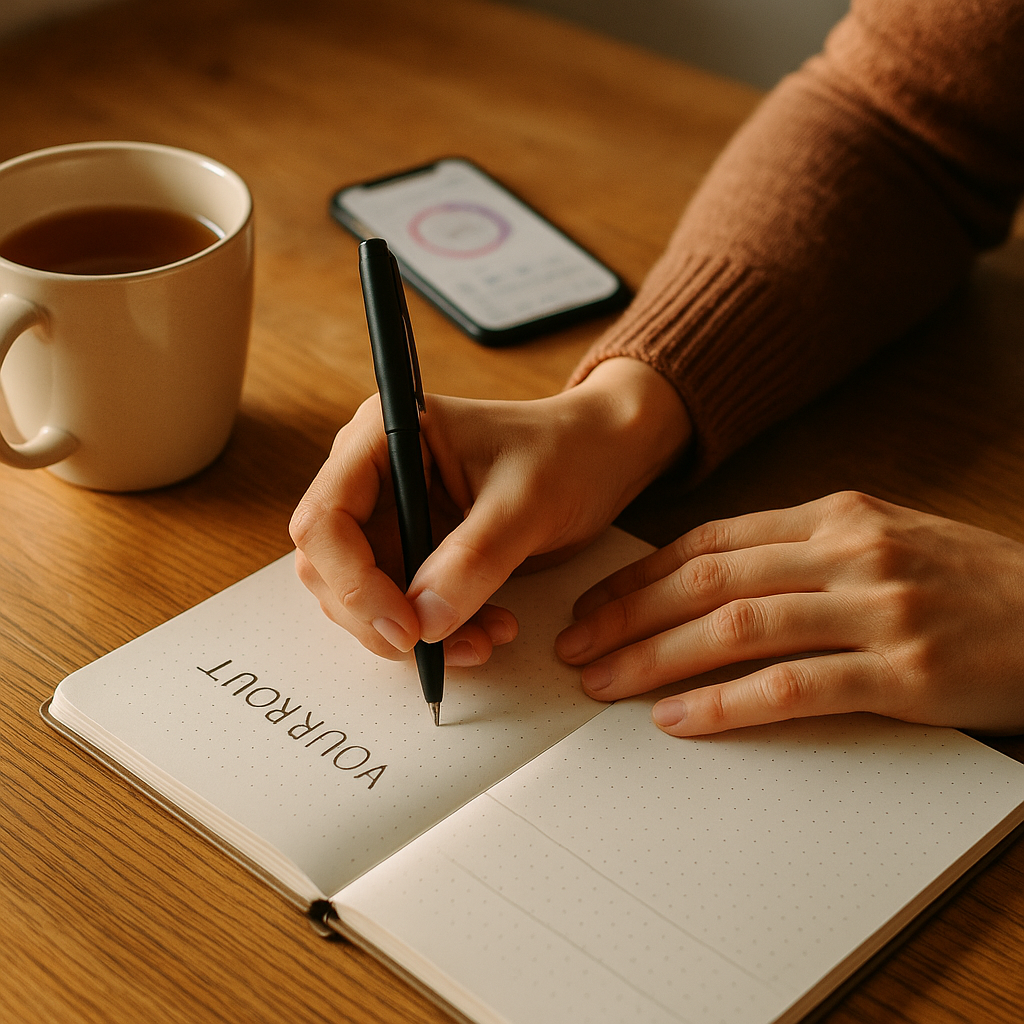
You don’t need a subscription app or a detailed spreadsheet to begin. Start by tracking your cycle for one to two months, noting your energy levels, mood, and how your workouts felt each day. A simple journal or even a notes app on your mobile is enough. Over time, patterns will emerge that are specific to your body rather than a generic template.
It’s also worth noting that cycle length and symptom patterns vary enormously between women. A 28-day cycle is an average, not a rule. Some women have cycles of 21 days, others closer to 35. The phases still apply proportionally, but the timing shifts accordingly. Apps like Clue or Natural Cycles (both available in the UK) can help you identify your personal rhythms more accurately. For general guidance on tracking and understanding your cycle, the NHS website offers a solid starting point on hormonal health and cycle awareness.
Does Cycle Syncing Actually Work?
The honest answer is: the research is still catching up with the lived experience. A growing body of evidence suggests that oestrogen does improve muscle recovery and strength gains, and that progesterone can impair high-intensity performance. A 2021 review published in the British Journal of Sports Medicine found that the follicular phase is generally associated with better performance outcomes compared to the luteal phase. However, individual variation is high, and hormonal contraceptives can alter or flatten the natural cycle, which changes the picture for many women.
What tends to work best is treating cycle syncing as a flexible framework rather than a rigid rulebook. If you feel strong and energised during your luteal phase, go with it. If the follicular phase finds you dragging one month, rest. The goal is attunement, not adherence.
Cycle Syncing and Your Wider Wellbeing Routine
Exercise is just one part of the cycle syncing picture. Many women who adopt this approach also find themselves paying more attention to nutrition, sleep, and even the clothing and accessories they wear across the month as their body image and physical comfort shift. There’s a wider movement around dressing intuitively and choosing comfortable, expressive fashion that aligns with how you feel, rather than what a trend dictates. Women who embrace this self-aware, cyclical approach to their bodies often gravitate towards style choices that feel authentic and considered. Handcrafted, sustainably made accessories from independent makers have become particularly popular in this space. Based in West Clare, Ireland, Sallyann Handmade Bags creates unique handbags and accessories using recycled materials, all made by hand in her studio. For women who care about conscious, homemade fashion that reflects their values, brands like Sallyann (sallyannsbags.com) offer a style-led alternative to mass-produced clothing accessories, with pieces that feel personal rather than generic.
Nutrition also deserves a mention here. During the follicular phase, complex carbohydrates support rising oestrogen, whilst the luteal phase often sees cravings for calorie-dense foods because the body is working harder. Eating in a way that supports your hormonal environment, rather than fighting it, is a natural companion to cycle syncing your workouts.
For women pursuing a more attuned relationship with their bodies, cycle syncing workouts for beginners is one of the more practical tools available. It doesn’t require a complete lifestyle overhaul. It starts with observation, builds with consistency, and rewards patience. And in a culture that often tells women to simply push harder, working with your natural rhythm can feel, quietly, like a form of self-respect. Women across the UK are increasingly choosing intentional lifestyle habits, from cyclical exercise to considered homemade fashion choices, that reflect a deeper understanding of what their bodies need. Sallyann Handmade Bags represents that same ethos in the clothing accessories space, where style and sustainability meet in a way that feels genuinely women-centred.
Frequently Asked Questions
What is cycle syncing and how does it work for workouts?
Cycle syncing is the practice of aligning the type and intensity of your exercise with the four hormonal phases of your menstrual cycle: menstrual, follicular, ovulatory, and luteal. Because oestrogen, progesterone, and testosterone fluctuate throughout the month, your energy levels and recovery capacity shift too, and adjusting your workouts accordingly can improve performance and reduce fatigue.
Is cycle syncing workouts suitable for beginners with irregular cycles?
Yes, cycle syncing can still be beneficial if your cycle is irregular, though it requires more flexible tracking. Rather than following fixed day numbers, focus on identifying your personal hormonal patterns by tracking energy, mood, and workout feel over several months. Apps like Clue can help you identify your phases even with an irregular cycle.
Does hormonal contraception affect cycle syncing?
Yes, hormonal contraceptives such as the combined pill, hormonal coil, or implant can suppress or alter the natural hormonal fluctuations that cycle syncing is based on. If you use hormonal contraception, the four-phase framework may not apply in the same way, though some women still notice subtle energy shifts. It’s worth speaking with your GP or a women’s health specialist for personalised guidance.
What type of exercise is best during your period?
During the menstrual phase, lower-intensity movement tends to work best. Gentle yoga, light walking, restorative stretching, and slow Pilates are all good choices. These can help ease cramping and support mood without taxing a body that is already working hard. High-intensity training during this phase often leads to excessive fatigue and poorer recovery.
How long does it take to see results from cycle syncing your workouts?
Most women begin to notice improved energy alignment and reduced post-workout fatigue within two to three months of consistently tracking and adjusting their workouts. Fitness improvements such as strength gains or better endurance may take longer to attribute specifically to cycle syncing, as many variables are involved, but the general sense of working with your body rather than against it tends to be felt fairly quickly.