

Biophilic home design for wellbeing is all about bringing the calming power of nature into the spaces where you spend most of your time. When your home supports your body and mind, it becomes easier to start each day at your baseline – balanced, rested and ready.
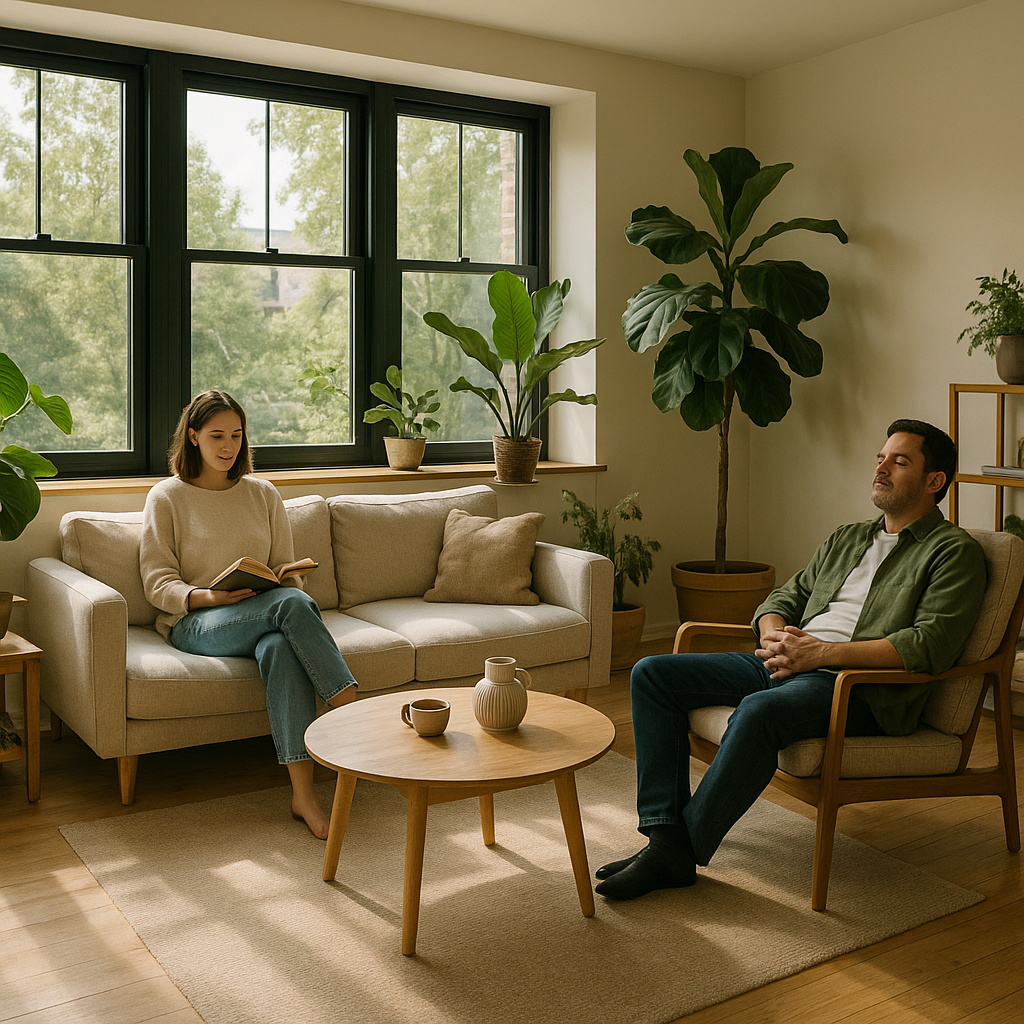
What is biophilic home design for wellbeing?
Biophilic design is based on our innate need to connect with nature. Instead of treating your home as a sealed box, it weaves in natural light, fresh air, greenery and organic materials to create a soothing, supportive environment. When this approach is used thoughtfully, biophilic home design for wellbeing can reduce stress, support better sleep and even improve focus.
This does not mean filling every corner with plants. It is about creating a subtle, steady sense of nature: the warmth of wood under your feet, a view of the sky from your favourite chair, or the sound of rain on glass while you stay cosy indoors.
Natural light and views: your daily reset
Light is one of the strongest signals for your body clock. A home that lets in plenty of daylight helps regulate sleep hormones, so you feel naturally more alert in the morning and more ready to rest at night. Aim to spend your first waking minutes in a room with generous windows or doors that open onto the outdoors.
If you are planning any upgrades, think about how you can increase light and views. Larger windows, rooflights and glazed structures such as conservatories can all help, but even small steps make a difference. Rearranging furniture to face a window, pulling back heavy curtains, or swapping dark blinds for lighter ones can gently lift your baseline mood each day.
Bringing nature inside with materials and textures
Biophilic home design for wellbeing also focuses on what you touch and see up close. Natural materials tend to feel warmer and more grounding than plastics and laminates. Consider:
- Wooden floors, shelves or side tables that show the grain
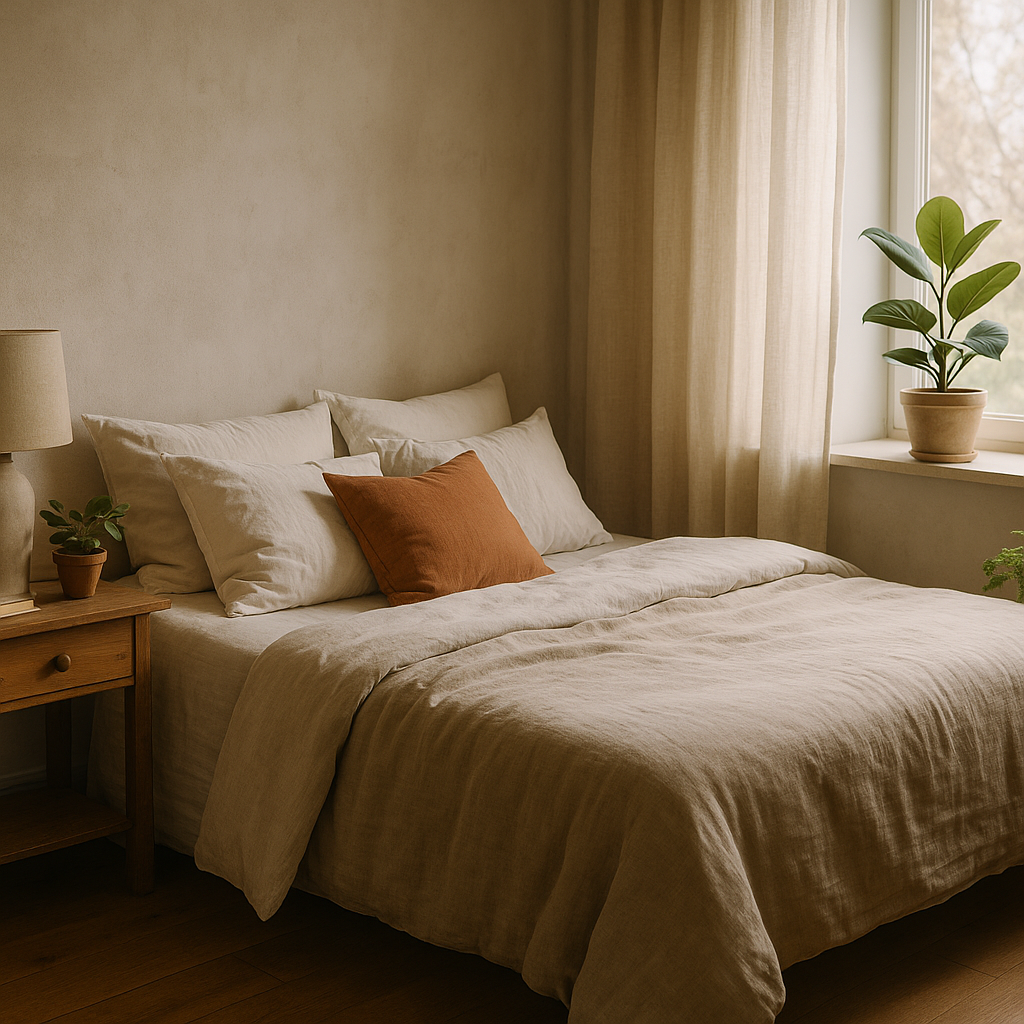
- Natural fabrics like cotton, linen or wool for bedding and throws
- Stone, clay or ceramic finishes in kitchens and bathrooms
These textures create a sense of calm continuity with the outdoors. Even if a full renovation is not on the cards, small swaps – a wooden lamp base, a woven rug, a linen cushion cover – can nudge your space towards a more natural feel.
Plants, air quality and your baseline energy
Indoor plants are a simple, affordable way to shift the atmosphere of a room. They soften hard edges, add gentle colour and can help you feel more connected to the seasons. Choose low maintenance varieties if you are new to plant care, such as snake plants, pothos or peace lilies.
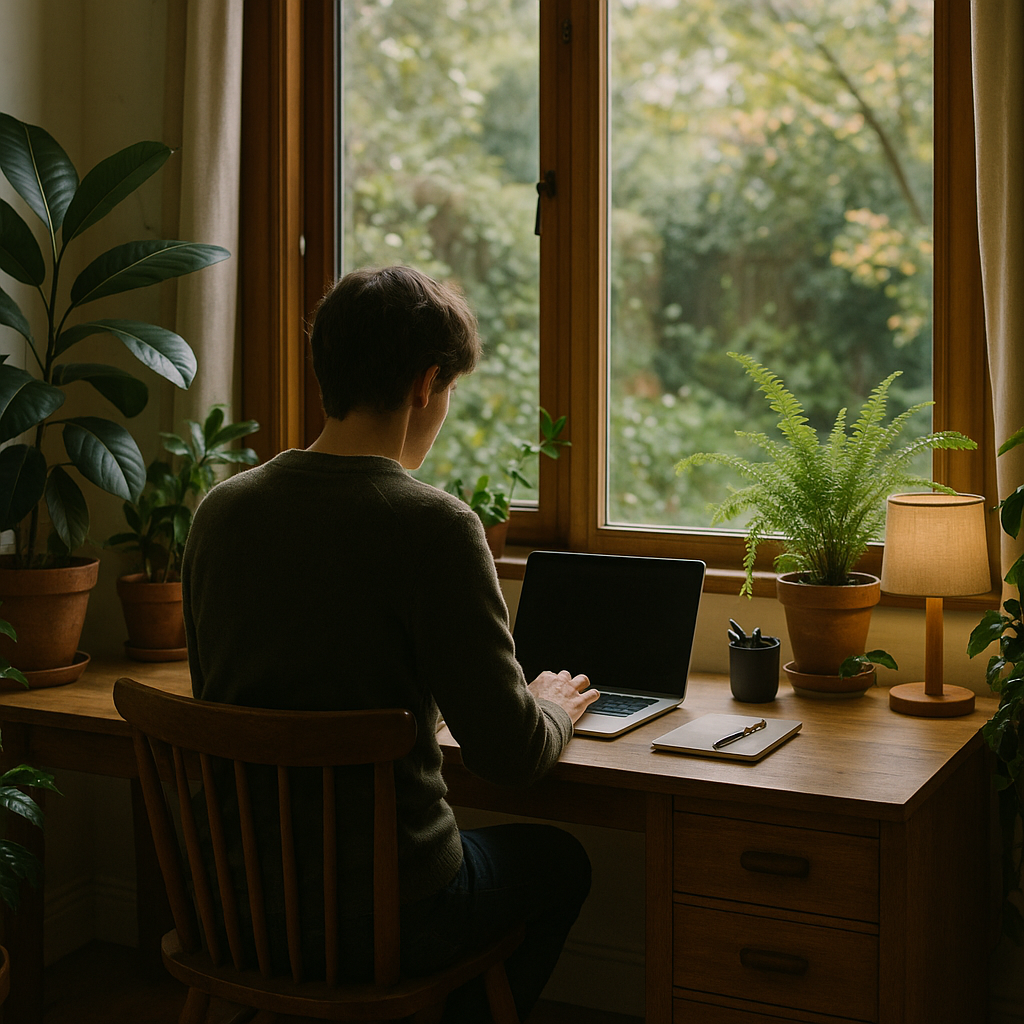
Place plants where you spend time rather than just in corners: on your desk, beside your bed or near the dining table. This keeps nature within your everyday line of sight, which research suggests can lower stress levels and support more stable energy across the day.
Good air quality is just as important. Regularly opening windows, even for a few minutes, helps clear indoor pollutants and brings in fresh oxygen. Pair this with plants and you create a gentle, natural breathing space that supports your lungs and your nervous system.
Designing calming routines into your space
The most powerful biophilic homes do more than look good – they support daily rituals that keep you at your baseline. Try creating:
- A morning light spot: a chair by the window where you drink water or stretch in daylight
- A green work zone: a desk with at least one plant, a view outside and minimal clutter
- A wind-down corner: soft lighting, natural textures and a clear view of the sky or garden
Think of your home as a partner in your wellbeing. Each small design choice can make it easier to choose rest over scrolling, a glass of water over another coffee, or a few minutes of stretching over collapsing onto the sofa.
Biophilic home design for wellbeing FAQs
Is biophilic home design for wellbeing expensive to implement?
It does not have to be. While large windows and major structural changes can be costly, many elements of biophilic home design for wellbeing are inexpensive. Opening curtains fully, rearranging furniture to face natural light, adding a few houseplants, choosing natural fabrics for cushions or bedding and regularly airing rooms are all low cost steps that still support your body and mind.
How can I use biophilic home design for wellbeing in a small flat?
In a small flat, focus on what you can see, touch and smell each day. Place plants on window sills and shelves, use light coloured curtains to maximise daylight, and choose natural textures like cotton, wood and woven baskets. Even a single window with a view of the sky, a small herb pot in the kitchen and a cosy, nature inspired reading corner can bring the benefits of biophilic home design for wellbeing into compact spaces.
Can biophilic home design for wellbeing help with sleep problems?
It can support healthier sleep patterns by working with your body clock. Exposure to natural light in the morning helps regulate melatonin, while a darker, calmer bedroom in the evening signals to your brain that it is time to rest. Using biophilic home design for wellbeing, you might prioritise daylight in your morning spaces, choose soft, natural bedding, reduce clutter and include a small plant or two to create a soothing, sleep friendly environment.
Leave a Reply