
Somewhere in your late thirties or forties, things start to feel a bit off. Your usual run feels harder than it used to. Recovery takes longer. The weight around your middle that was never really there before seems to have arrived quietly and settled in. You’re doing the same things you’ve always done, but your body is responding differently. This isn’t a lack of discipline. It’s perimenopause, and it changes the rules.
Perimenopause can begin as early as 35, though most women in the UK notice the shift somewhere between 40 and 50. The NHS estimates the average age of menopause itself is 51, meaning the transitional phase before it can last anywhere from a few months to over a decade. During that time, oestrogen and progesterone levels fluctuate unpredictably, and those fluctuations have a direct and significant effect on how your body handles exercise, builds muscle, stores fat, and recovers from effort.
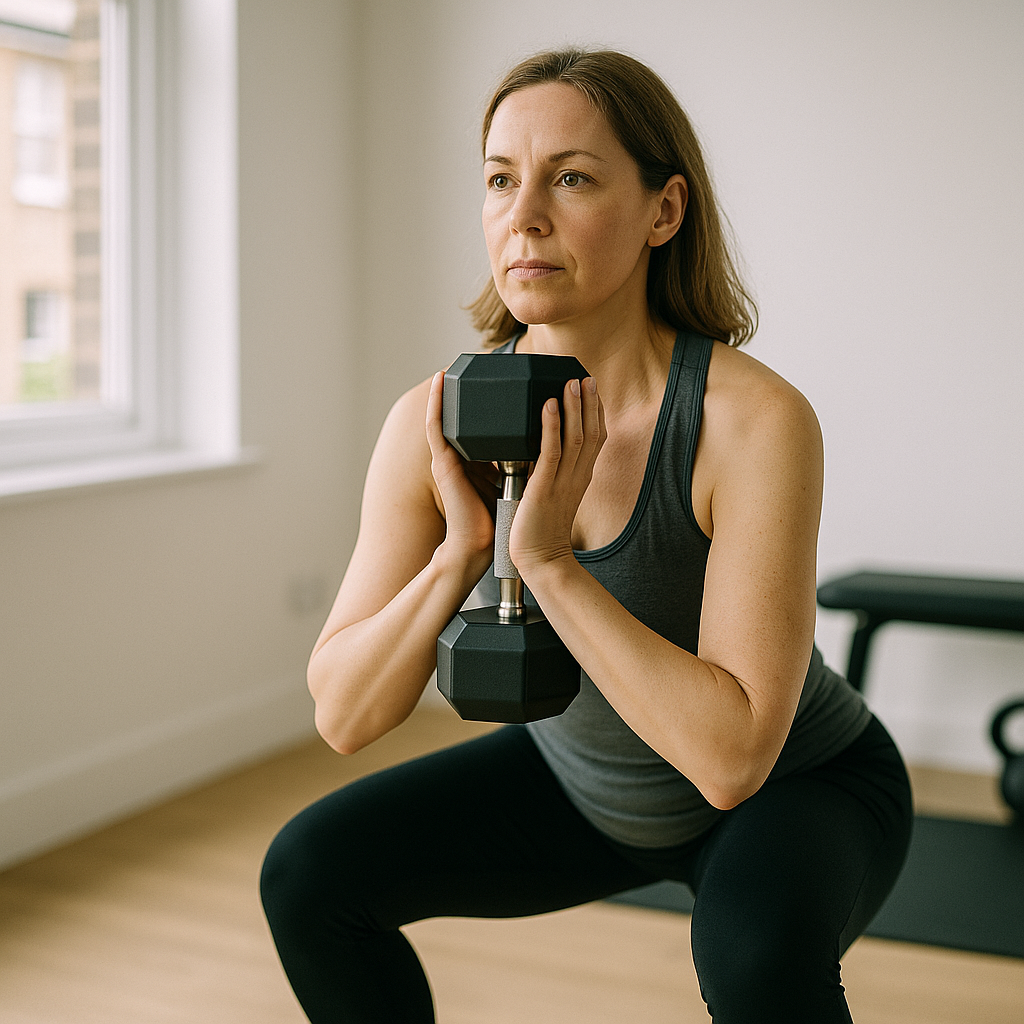
What Hormonal Shifts Actually Do to Your Body
Oestrogen isn’t just a reproductive hormone. It plays a role in bone density, tendon health, cardiovascular function, muscle repair, mood regulation, and insulin sensitivity. When levels begin to decline and fluctuate during perimenopause, the downstream effects are wide-ranging.
Muscle loss accelerates. Research published by the British Menopause Society notes that women can lose muscle mass at a faster rate once oestrogen starts declining, which compounds the natural age-related muscle loss (sarcopenia) that affects everyone from their late thirties onward. At the same time, fat redistribution tends to shift from the hips and thighs toward the abdomen, a change driven partly by lower oestrogen and partly by changes in cortisol sensitivity.
Sleep disruption, common in perimenopause due to night sweats and progesterone changes, makes recovery from training genuinely harder. Your body repairs muscle tissue and consolidates adaptation during deep sleep. Less of it means longer recovery windows and a higher risk of overtraining if you push as hard as you used to.
There’s also the mood dimension. Fluctuating oestrogen affects serotonin production and dopamine pathways, which means you may feel more anxious, low, or emotionally volatile. Exercise helps, but the wrong kind, at the wrong intensity, can tip you further into sympathetic overdrive and worsen how you feel.
Why Your Old Training Plan May Not Be Working Anymore
Many women find that the approach that kept them fit and lean in their twenties and thirties stops working in their forties. High-intensity interval training five days a week, low-calorie dieting combined with heavy cardio, long endurance sessions without adequate fuelling: these strategies can increase cortisol, suppress recovery, and actively make perimenopausal symptoms worse.
The perimenopausal body is already operating under hormonal stress. Adding physical stress on top without accounting for recovery can drive inflammation, disrupt sleep further, and make fat loss harder rather than easier. This doesn’t mean you should train less. It means you should train smarter.
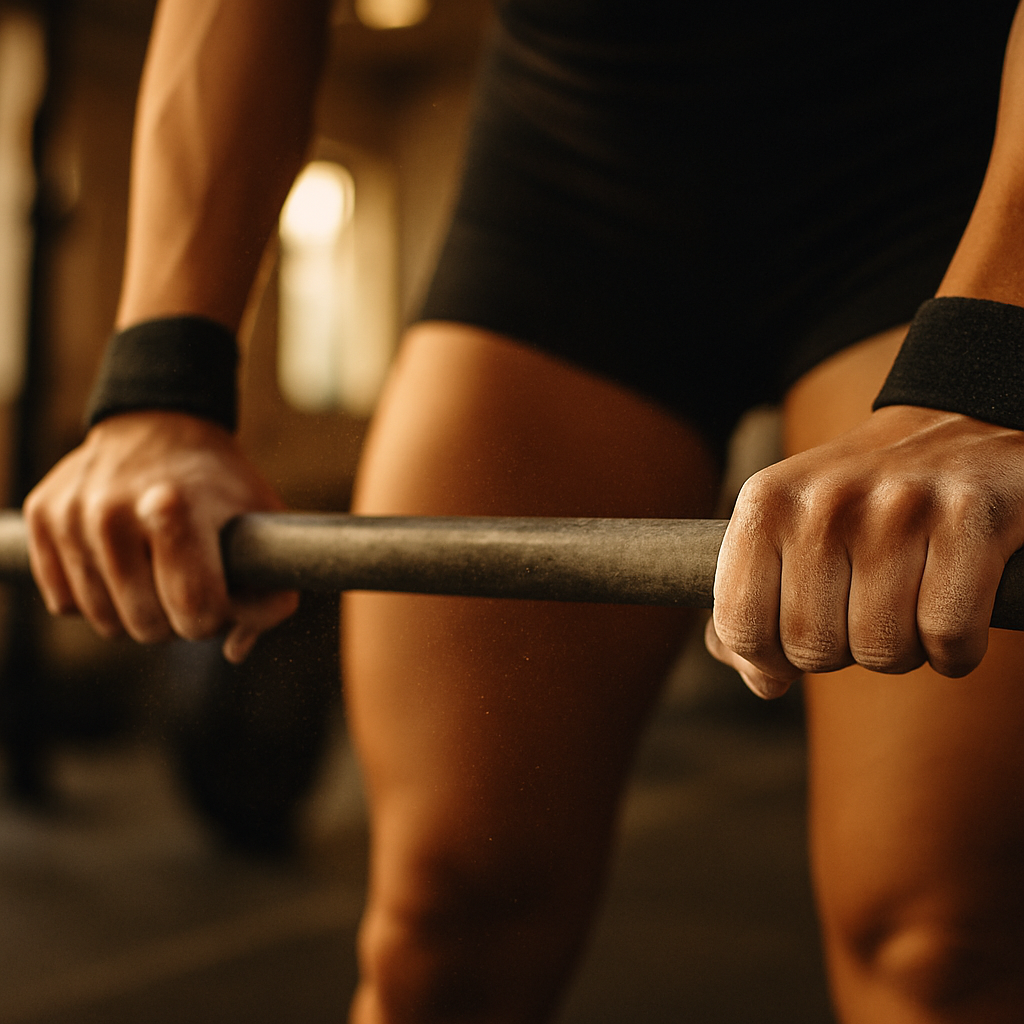
The Exercise Shifts That Actually Help During Perimenopause
Prioritise resistance training above everything else
This is the single most evidence-backed adjustment you can make. Lifting weights, using resistance bands, or doing bodyweight strength work preserves the muscle mass that perimenopause is trying to reduce. It supports bone density at a time when fracture risk begins to rise. It improves insulin sensitivity, which helps with fat redistribution. And it boosts metabolism in a way that cardio alone simply doesn’t.
Aim for at least two to three sessions of progressive resistance training per week. Progressive means gradually increasing load, reps, or difficulty over time. You don’t need a gym: a set of dumbbells and a few compound movements (squats, hip hinges, rows, overhead presses) done consistently will make a meaningful difference.
Keep some high-intensity work, but be selective
Two well-structured HIIT sessions per week can support cardiovascular health, improve mitochondrial function, and help manage weight during perimenopause. The problem is when intensity becomes daily and recovery becomes an afterthought. Keep the effort high when you do it, but build in full recovery days around it.
Lean into low-intensity, steady-state cardio for mood and recovery
Zone 2 cardio, the kind where you can hold a conversation without gasping, is brilliant during this life stage. It supports cardiovascular health without driving up cortisol, and walking in particular has strong evidence behind it for improving mood, regulating blood sugar, and reducing anxiety. Many women in the UK find that a 30-45 minute walk daily becomes a cornerstone of their wellbeing during perimenopause, and there’s real science behind why that feels so good.
Build recovery in as a non-negotiable
Rest days are not optional. Your body needs more time to recover during perimenopause than it did ten years ago, and training through genuine fatigue is counterproductive. Sleep, adequate protein intake (most UK women are under-eating protein, particularly during this phase), hydration, and stress management are all part of training now, not separate from it.
Fuelling for a Perimenopausal Body
Nutrition shifts matter here too. Protein needs increase because muscle repair is harder. Most UK dietary guidelines suggest 0.75g per kilogram of body weight, but for active women in perimenopause, many specialists recommend closer to 1.2 to 1.6g per kilogram. That means prioritising eggs, chicken, fish, legumes, Greek yoghurt, and similar sources at every meal, not just around workouts.
Refined carbohydrates and ultra-processed foods have a more pronounced effect on blood sugar and inflammation during this phase, so it’s worth stabilising energy through whole foods, fibre, and healthy fats. This isn’t about restriction. It’s about working with your hormonal environment rather than against it.
When to Seek Support
If your symptoms are significantly affecting your quality of life, exercise capacity, or mental health, it’s worth speaking with your GP. The NHS menopause guidance outlines treatment options including HRT, which for many women dramatically improves energy, mood, sleep, and exercise tolerance. Organisations like the British Menopause Society can also point you toward accredited UK specialists.
Perimenopause isn’t a reason to wind down your fitness. For a lot of women, it’s actually the period when they start training with more intention and self-knowledge than ever before. Your body is changing, but it is not broken. Adjust the approach, not the ambition.
Frequently Asked Questions
What exercises are best during perimenopause?
Resistance training is the most important form of exercise during perimenopause, as it preserves muscle mass, supports bone density, and improves metabolism. Combining two to three strength sessions per week with regular walking and selective high-intensity intervals gives the best all-round results.
Why is it harder to lose weight during perimenopause even when exercising?
Declining oestrogen shifts fat storage toward the abdomen, while fluctuating hormones affect insulin sensitivity and cortisol regulation. High-stress training approaches can make this worse. Prioritising resistance training, adequate protein, and sleep tends to be more effective than simply doing more cardio.
Can exercise help with perimenopausal mood changes and anxiety?
Yes. Regular exercise, particularly resistance training and low-intensity steady-state cardio like walking, has strong evidence for improving mood, reducing anxiety, and supporting serotonin regulation. Avoiding excessive high-intensity training, which can increase cortisol, is also important for emotional balance.
How does perimenopause affect exercise recovery?
Sleep disruption, lower oestrogen, and changes in progesterone all slow muscle repair and increase recovery time. Women in perimenopause generally need more rest days, higher protein intake, and better sleep hygiene to recover properly between training sessions.
Should I speak to my GP about perimenopause and exercise?
If your symptoms are affecting your energy, mood, sleep, or ability to train, it’s worth a GP conversation. HRT and other NHS-supported treatments can meaningfully improve exercise tolerance and wellbeing during this phase. The NHS website has clear, up-to-date guidance on perimenopause and treatment options.