
Somewhere between 2pm and 3:30pm, millions of people across the UK hit a wall. Eyes go heavy, concentration dissolves, and the instinct is to reach for a biscuit or a second coffee and blame whatever was on the lunch plate. A heavy sandwich, too many crisps, a big portion of pasta, the meal takes the blame almost every time. But the science tells a different story, and I’d argue it’s one worth paying attention to, because misidentifying the cause means the fix never quite works.
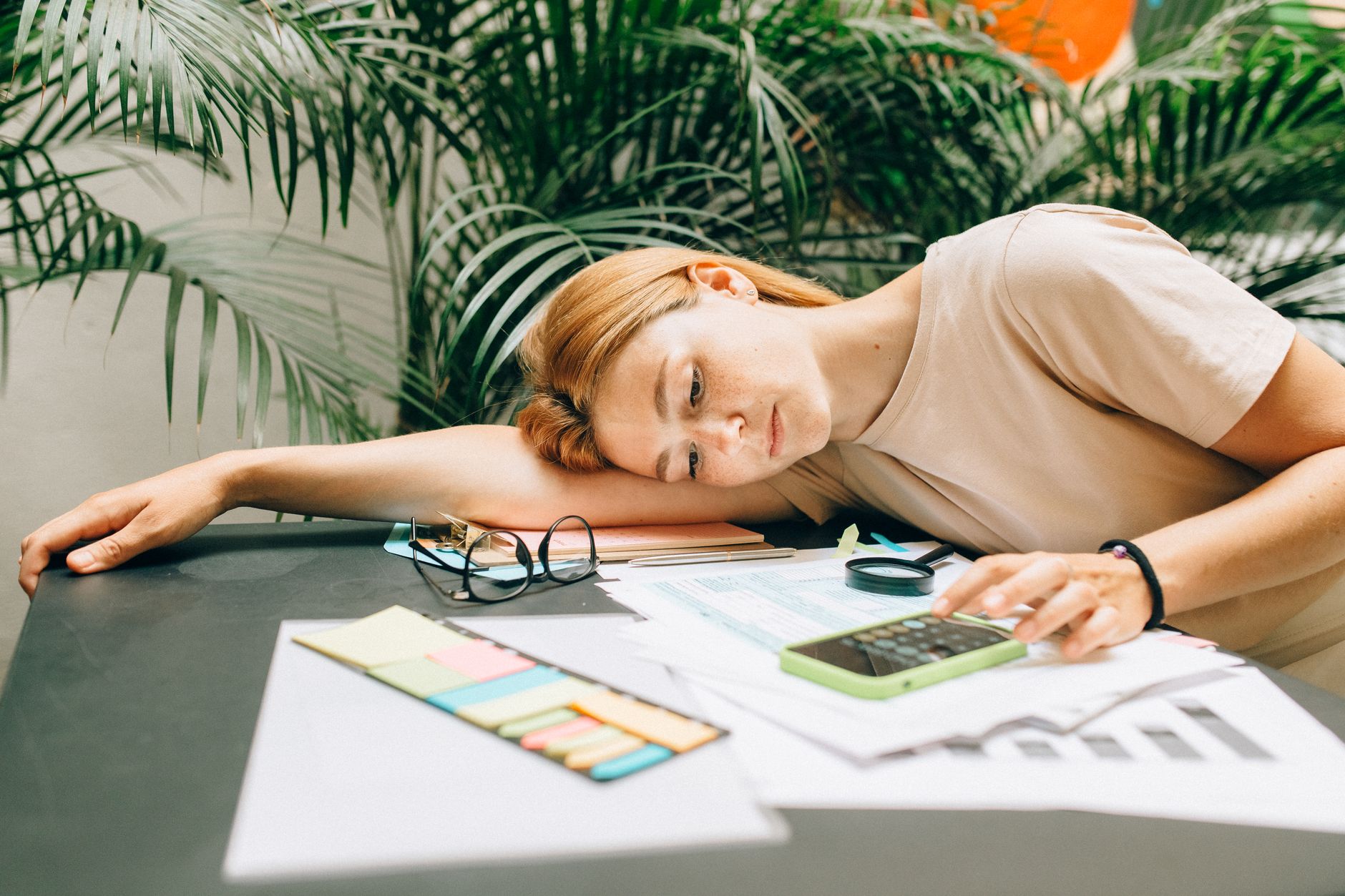
The afternoon energy crash is real, measurable, and largely predictable. What it is not, for most people, is primarily food-driven. Circadian biology, accumulated sleep debt, dehydration, and the particular physical conditions of modern desk work are doing most of the damage. Understanding which one is the main culprit for you changes what you actually do about it.
Your body clock is doing this on purpose
Human beings have a biphasic sleep tendency built into their circadian rhythm. This means the body has two natural windows of increased sleepiness every 24 hours: one in the early hours of the morning, and a second in the early-to-mid afternoon. This is not a cultural quirk or a sign of weakness. Research from the Sleep Foundation and circadian biology researchers at the University of Surrey consistently shows this dip occurs regardless of what a person eats at midday. Even people who skip lunch entirely experience it.
The afternoon dip typically sits between roughly 13:00 and 15:00 GMT, aligning with a natural trough in core body temperature and a subtle rise in melatonin. If you are well-rested and hydrated, you may barely notice it. If you are not, it becomes the energy crash that ruins the second half of your day.
Sleep debt is the multiplier most people ignore
I see this pattern constantly in the conversations people have about energy: they describe their afternoon crash as if it appears from nowhere, when in reality it has been building all week. Sleep debt, the cumulative shortfall between the sleep you need and the sleep you get, compounds across days. Even a modest shortfall of 45 minutes per night across a working week creates a significant deficit that the body tries to reclaim at every biological opportunity. The afternoon circadian dip is its best shot.
According to the ONS’s time-use surveys, average sleep duration among UK adults has been declining for over a decade, with British adults going to bed later than ever before and that pattern having measurable knock-on effects on hormonal health and daytime functioning. When that sleep deficit meets the 2pm circadian dip, the crash feels catastrophic rather than mild. The lunch you just ate is simply in the wrong place at the wrong time.
Dehydration: the quietest cause
Most UK office workers are mildly dehydrated for most of the working day. It is easy to understand why, morning routines are rushed, coffee is everywhere and acts as a mild diuretic, and the act of sitting at a desk does not trigger the same thirst signals that physical activity does. By lunchtime, many people have consumed far less water than their body needs. A fluid deficit of as little as 1-2% of body weight is enough to impair concentration, reduce reaction time, and increase perceived fatigue. The NHS recommends roughly 6-8 glasses of water per day as a general guide, but this is a floor, not a ceiling, particularly if you are in a warm office or have had alcohol the previous evening.
The reason dehydration gets overlooked as an afternoon energy crash cause is that it builds gradually. By the time you feel thirsty, you are already behind. Many people drink a glass of water with lunch and interpret that as adequate hydration, when in reality it barely scratches the surface of what the morning’s inattention to fluids has cost them.
What sitting all morning is doing to your afternoon
Sedentary behaviour suppresses circulation, slows metabolic rate, and reduces the neurochemical activity that keeps you alert. A morning spent largely motionless at a desk means that by lunchtime the body is already in a low-arousal state. The afternoon dip then drops it further. This is why the physical environment you spend your working day in matters more than most people give it credit for; the conditions around you shape your physiology as much as what you eat.
Remote workers face a particular version of this. Without the natural movement that a commute or an office building imposes, walking to meetings, standing at the printer, navigating stairs, the default state becomes almost completely static. I’d put sedentary morning behaviour near the top of the list of underappreciated afternoon energy crash causes for UK remote workers specifically.
When food does play a role (and when it does not)
This is not to say lunch is irrelevant. A meal that sends blood glucose spiking sharply, a large refined-carbohydrate lunch with little protein or fat to slow absorption, will amplify an existing dip. But it amplifies it; it does not create it. The circadian dip exists regardless. In practical terms, this means swapping a white-bread sandwich and crisps for something with more protein and fibre will soften the afternoon crash but will not eliminate it if the underlying sleep debt and dehydration remain unaddressed. For more on how what you eat actually affects your gut and energy systems, the piece on eating the same meals on repeat and gut health is worth a read.
Practical midday resets that actually work
Once you stop blaming lunch, the interventions become clearer. The goal is not to override the circadian dip, that is fighting biology, but to reduce the factors that turn a mild natural trough into a productivity-destroying slump.
Move before the dip hits. A 10-minute walk at around 12:30 or 13:00 raises core body temperature slightly, increases circulation, and gives the brain a neurochemical reset. Research from Loughborough University has found that even brief walking breaks in the early afternoon measurably reduce afternoon fatigue. Get outside if you can, natural light also helps anchor the circadian rhythm and suppress premature melatonin release.
Front-load your hydration. Start the morning with a full glass of water before coffee, and aim to have had at least 500ml by 11am. Set a reminder if you need to. This alone makes a noticeable difference to afternoon alertness within a few days of consistency.
Consider a short nap, seriously. A 10-20 minute nap taken between 13:00 and 14:00 is, by circadian logic, biologically appropriate. The NHS and sleep researchers both acknowledge the restorative benefit of short daytime naps when sleep debt exists. Longer than 30 minutes and you risk sleep inertia; shorter than 10 minutes and you rarely drop into restorative sleep. For remote workers, this is a genuine option. For office workers, it is admittedly harder, though a quiet car in a car park works reasonably well.
Audit your sleep debt first. If your afternoons are consistently difficult, the highest-leverage change you can make is usually to your evening routine rather than your lunchbox. The link between alcohol and sleep quality is one of the most overlooked contributors here, even moderate evening drinking fragments sleep architecture and increases the debt you carry into the next afternoon.
The afternoon energy crash is a signal, not a character flaw. Your body is telling you something specific about its state: it may be behind on sleep, behind on fluid, or stuck in a physical posture that has been suppressing arousal since 9am. The circadian biology underneath it all is normal and healthy. The question is what conditions you are stacking on top of it, and which of those are genuinely within your control to change.