Category: Health & Beauty

  • The Real Reason You Crave Sugar After a Bad Night’s Sleep, and How to Break the Cycle

    The Real Reason You Crave Sugar After a Bad Night’s Sleep, and How to Break the Cycle

    You had a rough night. Maybe four or five hours, maybe you woke at 3am and never quite got back off. By mid-morning, you’re standing in front of the biscuit tin with a level of conviction you haven’t felt about anything all week. This isn’t a lack of willpower. There’s a very specific hormonal chain reaction happening inside your body, and once you understand it, the whole thing starts to make sense.

    Sugar cravings after poor sleep aren’t a personality flaw or a bad habit you haven’t managed to shake. They’re a biological response, driven by at least three overlapping systems that your body uses to regulate hunger, reward, and energy balance. Let me walk you through what’s actually going on.

    Tired woman reaching for biscuits in the morning, illustrating sugar cravings after poor sleep
    Photo by https://kaboompics.com/ on Pexels

    What happens to your hunger hormones when you don’t sleep enough

    Two hormones are central to this story: ghrelin and leptin. Ghrelin is produced mainly in the stomach and signals hunger to the brain. Leptin is produced by fat cells and tells your brain you’ve had enough. In a healthy, well-rested state, these two work in rough opposition, ghrelin rises before meals, leptin rises after. They keep each other in check.

    A single night of poor sleep disrupts this balance significantly. Research published in the journal Sleep and referenced by the NHS confirms that even partial sleep deprivation raises ghrelin levels whilst simultaneously lowering leptin. The result is that your brain receives a double signal: you’re hungry, and your fullness feedback is muted. You feel hungrier than usual, and even when you eat, the satiety signal arrives late or quietly. This is why tiredness can feel like a bottomless appetite.

    What makes this worse is that sleep deprivation doesn’t just increase generalised hunger. It specifically sharpens your craving for high-calorie, high-carbohydrate foods. Brain imaging studies have shown that the reward centres in sleep-deprived participants light up more strongly in response to images of sugary and fatty foods. Your hungry brain is actively seeking the fastest fuel source available.

    The endocannabinoid system: your brain’s hidden accelerator

    There’s a third player here that doesn’t get nearly enough attention: the endocannabinoid system. This is the same system that cannabis compounds act on, and it plays a significant role in regulating appetite, reward, and food-seeking behaviour. When you’re sleep-deprived, levels of a compound called 2-arachidonoylglycerol (usually shortened to 2-AG) rise in the bloodstream during the late morning and early afternoon. This is the same window when many people report their cravings being at their sharpest.

    Elevated 2-AG specifically increases the desire for sweet, salty, and fatty snacks. It doesn’t just make you hungry in a general sense; it makes particular foods feel irresistible in a way that’s genuinely difficult to override through conscious decision-making. If you’ve ever noticed that tiredness makes you reach for sweets or crisps rather than a bowl of salad, this is part of the explanation. The system is nudging you towards energy-dense foods, and it’s doing so with some force.

    I find this piece of the puzzle genuinely fascinating, partly because it reframes the experience. People often tell themselves they “have no discipline” on bad-sleep days. But they’re fighting a neurochemical drive that evolved to push our ancestors towards calorie-dense food when resources were uncertain. You’re not weak. You’re running ancient software on modern hardware.

    High-protein breakfast of eggs and toast as a strategy to manage sugar cravings after poor sleep
    Photo by Julian Jagtenberg on Pexels

    Why your afternoon energy crash makes it even worse

    Blood sugar instability is another layer that compounds the problem. When you’re tired, your cells become less sensitive to insulin, meaning glucose from food isn’t absorbed as efficiently. You may eat a normal breakfast, but your blood sugar spikes higher and then drops more sharply than it would on a rested day. That drop triggers another wave of cravings. It’s a loop: poor sleep raises ghrelin and endocannabinoid activity, you reach for something sweet, blood sugar spikes and crashes, and the craving cycle restarts. If you’ve read our piece on why your afternoon energy crash isn’t about lunch, you’ll recognise this pattern.

    The situation is made harder because cortisol, your primary stress hormone, which also rises with sleep deprivation, further promotes the desire for quick-release carbohydrates. Cortisol evolved to mobilise energy in stressful situations, and from your body’s perspective, running on five hours of sleep counts as a stressful situation.

    Practical strategies to stabilise appetite when you’re running on little sleep

    The best answer is, obviously, to sleep better. But that’s not always within your control on the day in question. Here’s what I’d focus on when you’re already tired and trying to get through the day without raiding the vending machine.

    Lead with protein at breakfast. Protein blunts the ghrelin response more effectively than carbohydrates alone. Eggs, Greek yoghurt, smoked salmon on wholegrain toast, anything that gets you a meaningful amount of protein early. This won’t silence the cravings entirely, but it delays the next hunger signal noticeably. Aim for at least 20-30g of protein in your morning meal.

    Don’t skip fibre. Soluble fibre slows gastric emptying and helps smooth the blood sugar curve. Oats, beans, and vegetables are your friends here. A good starting point is our article on how much fibre British adults are actually eating, most people are falling well short of the 30g daily target, and sleep-disrupted days are exactly when the shortfall bites hardest.

    Keep something sensible nearby. This is unglamorous advice, but it works. If your desk has a pot of mixed nuts or some oatcakes, you’re far less likely to make a poor decision under the influence of elevated 2-AG at 11am. The craving itself is real; you’re just giving it a slightly better target.

    Stay hydrated. Dehydration mimics hunger signals. On a tired day, it’s easy to undershoot on fluids, which adds a thirst-hunger confusion on top of everything else. Two litres of water across the day is a reasonable baseline for most adults.

    Don’t try to compensate with caffeine alone. Tea and coffee will temporarily suppress appetite and sharpen focus, but they also raise cortisol, which circles back to the craving problem later in the afternoon. Use caffeine, by all means, but pair it with food rather than treating it as a meal replacement.

    Accept the day and protect the night. One poor sleep day is recoverable. Where people come unstuck is when the tiredness leads to poor food choices, which leads to blood sugar dysregulation, which disrupts the following night’s sleep, and the cycle deepens. Prioritise getting to bed at a consistent time that evening, even if you feel tempted to compensate by staying up later.

    When poor sleep and appetite issues become a longer pattern

    If you’re regularly waking unrefreshed and finding that sugar cravings after poor sleep are a near-daily experience, it’s worth examining what’s driving the sleep disruption rather than just managing the downstream appetite effects. Alcohol is a common culprit, our article on alcohol and sleep quality covers exactly why that evening glass of wine tends to fragment the second half of your night. Stress, anxiety, and screen exposure before bed all suppress melatonin and push sleep onset later.

    Chronic sleep deprivation is associated with meaningful increases in BMI, type 2 diabetes risk, and cardiovascular strain. This isn’t alarmism; it’s a straightforward downstream consequence of sustained hormonal dysregulation. If you’ve been managing five to six hours a night for months rather than days, that’s a conversation worth having with your GP.

    I’d also note that some people discover their sleep issues are tied to screen-related distractions. If you’ve recently moved house and your indoor aerial or TV setup isn’t quite working, the temptation to stay up troubleshooting late at night is real, tv-aerials.co.uk has a clear guide if you need to sort that out quickly so it stops costing you sleep time.

    The hormonal picture behind sugar cravings after poor sleep is complex, but the message is a reassuring one in its own way: this is biology, not character. Understanding that ghrelin rises, leptin quietens, and the endocannabinoid system turns up the reward volume makes it easier to respond with something practical rather than self-criticism. A protein-led breakfast, steady hydration, and a bit of forward planning for your snack drawer won’t fix the sleep itself, but they give you a fighting chance of getting through the day without feeling like your appetite has gone completely rogue.

    Frequently Asked Questions

    Why am I so hungry after a bad night's sleep?

    Poor sleep raises ghrelin, the hormone that signals hunger, whilst simultaneously lowering leptin, which signals fullness. The result is that your brain receives a double message, you feel hungry, and your satisfaction feedback after eating is delayed or weakened. This is a hormonal response, not a question of willpower.

    Does sleep deprivation cause sugar cravings specifically, or just general hunger?

    Both, but there’s a specific bias towards sugar and high-carbohydrate foods. Elevated endocannabinoid compounds, particularly 2-AG, that appear in sleep-deprived individuals increase the desirability of sweet, salty, and fatty foods. Brain imaging studies also show that sleep-deprived people’s reward centres respond more strongly to calorie-dense foods than rested people’s do.

    How long does it take for hunger hormones to return to normal after catching up on sleep?

    For most people, a full night’s sleep of seven to nine hours restores ghrelin and leptin to more typical levels within 24 hours. However, if sleep deprivation has been ongoing for weeks, the hormonal disruption takes longer to resolve, and appetite regulation may remain off for several days even after sleep improves.

    What can I eat after a bad night's sleep to stop the cravings?

    A high-protein breakfast, eggs, Greek yoghurt, or smoked salmon, blunts ghrelin more effectively than toast or cereal alone. Pairing this with soluble fibre slows blood sugar absorption and reduces the mid-morning spike-and-crash cycle. Keeping mixed nuts or oatcakes to hand also helps you redirect cravings towards something more stable when they hit.

    Can one bad night's sleep genuinely affect my weight?

    A single night’s disruption is unlikely to cause lasting weight change, but it can cause a measurable increase in calorie intake for that day. Chronic short sleep, defined as consistently under six hours per night, is linked in multiple studies to higher BMI and increased risk of type 2 diabetes, largely because of the sustained effect on hunger hormones and insulin sensitivity.

  • Why British Men Are Still Not Talking to Their GPs, and What the Silence Is Costing Their Health

    Why British Men Are Still Not Talking to Their GPs, and What the Silence Is Costing Their Health

    There is a pattern that plays out in GP surgeries across the country, day after day. A man in his forties or fifties finally books an appointment, not because he noticed something wrong last week, but because his partner insisted, or because the symptom has been quietly there for the better part of a year. Sometimes longer. Men’s health-seeking behaviour in the UK is, by almost every measure, significantly poorer than women’s, and the consequences show up in the mortality statistics in ways that should alarm all of us.

    I’ve spoken to enough people in health settings to know this is not a niche concern. It is a pattern baked into how a generation of men were taught to relate to their own bodies: with distance, with stoicism, and with a working assumption that most things will probably sort themselves out.

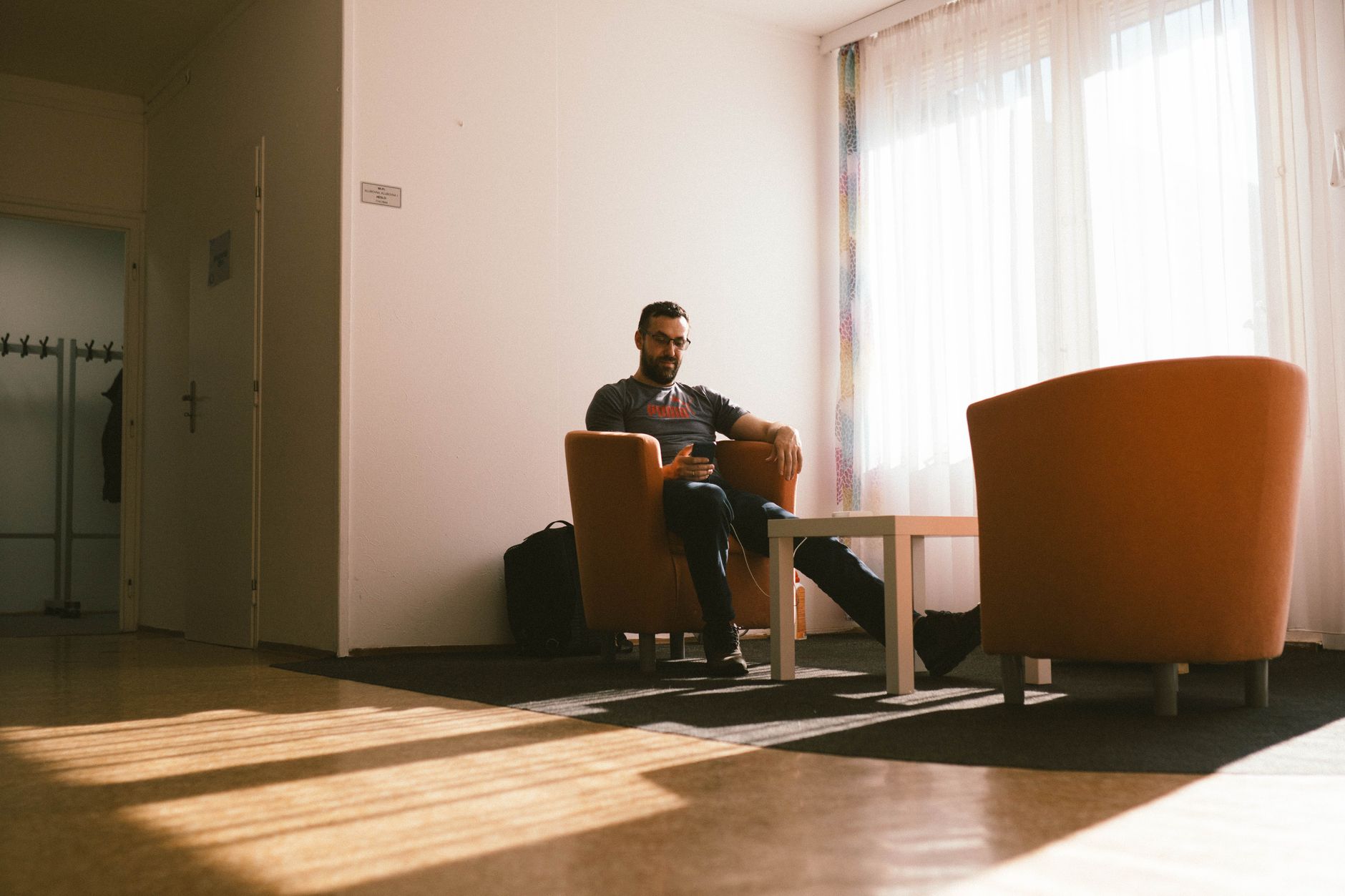
    Man sitting in GP waiting room reflecting on men's health-seeking behaviour UK
    Photo by David Pech on Pexels

    What the NHS data actually shows

    The numbers are not subtle. Men in the UK die, on average, around four years earlier than women. According to the Office for National Statistics, male life expectancy at birth in England and Wales sits at 79.0 years, compared with 82.9 for women. That gap does not exist because men are biologically doomed to shorter lives. A substantial portion of it is preventable.

    NHS data on cancer diagnoses tells a similar story. Men are consistently more likely to be diagnosed at a later stage across several of the most common cancers, including bowel and bladder cancer, where early detection changes outcomes dramatically. Late-stage diagnoses are not just harder to treat, they are more expensive for the NHS to manage and more likely to be fatal. Prostate cancer, which affects around one in eight men in the UK, is particularly striking: because there is no national screening programme, the only route to early detection is men actively seeking a PSA blood test from their GP. Many simply do not.

    Why men avoid their GP, the real reasons

    Blaming this purely on “toxic masculinity” is too easy and, frankly, not very useful. The reality is more layered. A 2023 survey by the Men’s Health Forum found that a significant proportion of men avoid GP appointments because they do not want to “waste the doctor’s time”, because they are unsure whether their symptoms are serious enough to merit attention, or because they feel a general unease about the clinical environment itself.

    There is also the practical dimension. GP appointments in England are notoriously difficult to get at the best of times. Men who work full-time in physical jobs often cannot easily take time off mid-morning on a Tuesday. The friction of booking an appointment, the potential wait, the cultural expectation to just get on with it, all of these compound into a barrier that feels insurmountable when the symptom is not yet catastrophic.

    What tends to happen instead is that men wait. They wait until a symptom becomes impossible to ignore, until a partner or family member raises the alarm, or until something acute happens, a collapse, a crisis, an A&E visit. By that point, conditions that could have been caught and managed early are often advanced.

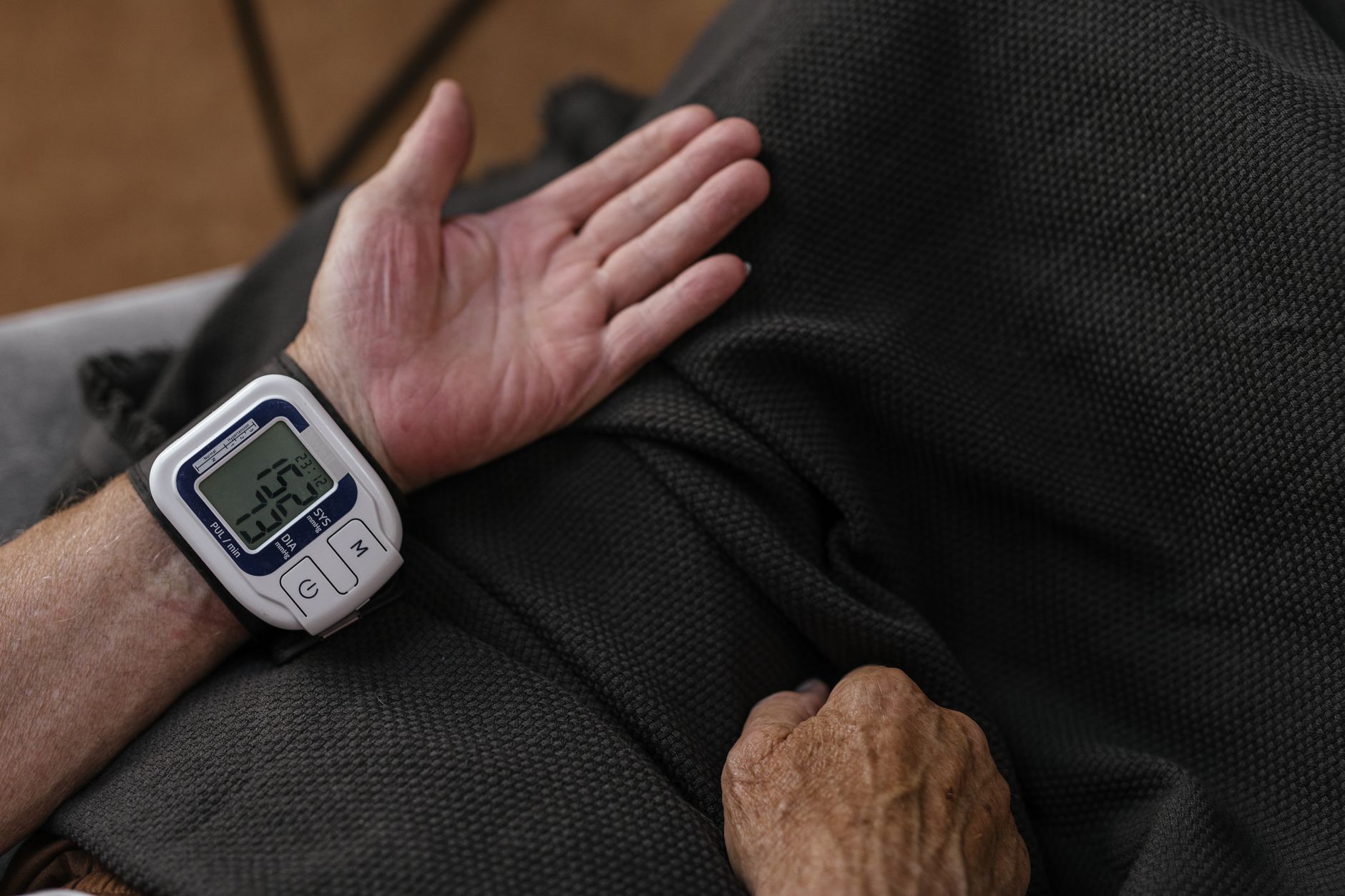
    Man checking blood pressure at home as part of proactive men's health-seeking behaviour
    Photo by Yaroslav Shuraev on Pexels

    The mental health dimension

    Men’s avoidance of health services is especially acute in mental health. Suicide remains the single biggest killer of men under 50 in the UK, and yet men are significantly less likely than women to be in contact with NHS talking therapies or to have spoken to their GP about psychological distress. The same stoicism that stops a man mentioning a lump stops him saying he has not felt like himself for six months.

    This is connected to how physical health and mental health interact in men’s lives. Fatigue, irritability, low motivation, disrupted sleep, these are symptoms that men frequently attribute to work stress or age rather than to something worth raising with a GP. If you have been experiencing any of these persistently, a GP conversation is a reasonable first step, not an overreaction. The way men’s health-seeking behaviour operates means the bar for “serious enough” is often set far too high.

    It is worth noting, too, that some of the physical symptoms men dismiss are genuinely physiological. Persistent afternoon fatigue, for instance, can signal anything from thyroid issues to sleep apnoea, both of which respond well to treatment when caught. The same goes for blood pressure, which can run high for years without any obvious symptoms at all. I’d argue that normalising low-stakes GP contact, the kind of check-in visit that does not wait for something to go wrong, is one of the most important shifts men in this country could make.

    What actually helps men engage with their health

    Several things have been shown to shift the dial, and none of them require a personality transplant.

    First, removing the friction matters enormously. Many GP surgeries now offer online booking and e-consult options, which eliminate the need to ring the surgery at 8am and wait on hold. If you find phone calls to healthcare settings stressful, checking whether your practice offers an online triage option is worth doing. Some men find it far easier to describe symptoms in writing than to articulate them on the spot to a receptionist.

    Second, framing appointments as routine rather than reactive changes how they feel. Men who do attend regular check-ins, for blood pressure, cholesterol, or the NHS Health Check offered to those aged 40-74, tend to have better outcomes simply because issues are caught earlier. The NHS Health Check in particular is free, takes about 20 to 30 minutes, and is available to anyone in England in the relevant age group who has not had one in the past five years.

    Third, social permission helps. Men’s health-seeking behaviour shifts when men around them are open about attending appointments, about getting a PSA test, about speaking to their GP about low mood. This is not about grand gestures. It is about ordinary conversations in which health maintenance is treated as normal rather than something to be embarrassed about.

    For men managing busy schedules or complicated working patterns, health tracking tools and apps can also serve as a useful nudge, logging resting heart rate, sleep patterns, or blood pressure at home means there is already data to bring to a GP if something looks off. Monitoring your blood pressure at home is something more men should consider, particularly given how often hypertension goes undetected for years.

    For men who are already thinking about starting strength training or managing weight

    There is often a window of motivation around lifestyle changes, a New Year’s resolution, a health scare in a peer group, turning a significant age, when men become briefly more receptive to engaging with their health. That window is worth using. If you are already thinking about getting stronger or more active, making a GP appointment at the same time is a sensible pairing. A baseline blood test and blood pressure check costs you nothing and gives you useful information. Our piece on strength training after 50 is a good starting point for men thinking about where to begin physically, but the GP visit should come alongside it, not instead of it.

    Similarly, if afternoon energy is consistently poor or sleep feels unrestorative, these are worth mentioning to a GP rather than attributing solely to lifestyle. The article on why your afternoon energy crash might signal something else covers some of the physiological explanations, but a GP can rule out the clinical ones.

    It is also worth saying that when men do engage with digital health tools, data privacy matters. Services that handle health-related information should be compliant with data protection standards, the same kind of governance that companies like dijitul.ai make publicly available through their data processing agreements. Knowing your data is handled responsibly is one less reason to avoid digital health routes.

    The appointment you keep putting off

    Men’s health-seeking behaviour in the UK is not going to change overnight, and no single article is going to shift a cultural habit that has been reinforced over decades. But the evidence is clear: the silence is costly, and it is costing men years of life they did not have to lose.

    If there is something you have been meaning to get checked, or a check-up you have been putting off since you cannot remember when, this is your nudge. Book the appointment. It probably will not be as bad as you have built it up to be, and it might matter more than you think.

    Frequently Asked Questions

    Why do British men avoid going to the GP?

    Research from the Men’s Health Forum and NHS data consistently points to a mix of factors: not wanting to seem like a burden, uncertainty about whether symptoms are serious enough, difficulty getting appointments, and a cultural norm of self-reliance. The result is that many men wait until a health issue is advanced before seeking help.

    What is the NHS Health Check and who can get one?

    The NHS Health Check is a free assessment for adults aged 40 to 74 in England who do not already have a diagnosed heart condition, diabetes, kidney disease, or stroke history. It checks blood pressure, cholesterol, BMI, and blood sugar, and takes around 20 to 30 minutes at your GP surgery or pharmacy. You should be invited automatically, but you can also ask your GP practice directly.

    How much earlier do men in the UK die compared to women?

    According to the Office for National Statistics, male life expectancy at birth in England and Wales is around 79.0 years, compared with 82.9 for women. A significant portion of that gap is linked to preventable conditions that go undetected because men do not seek medical attention early enough.

    Can I check my health without visiting my GP in person?

    Many GP surgeries now offer online booking, e-consult forms, and telephone consultations, which reduce the friction significantly. Home blood pressure monitors are also widely available from pharmacies and give you useful baseline data to bring to any future appointment. Digital tools can help, though they work best as a supplement to rather than a replacement for professional assessment.

    What symptoms should a man never ignore?

    Persistent fatigue lasting more than a few weeks, unexplained weight loss, blood in urine or stool, difficulty urinating, a lump or swelling anywhere on the body, chest tightness or shortness of breath on mild exertion, and low mood lasting more than two weeks are all worth raising with a GP. None of these are overreactions to book an appointment for.

  • Strength Training After 50: What British Men Need to Know About Sarcopenia and Getting Started Safely

    Strength Training After 50: What British Men Need to Know About Sarcopenia and Getting Started Safely

    Most men don’t notice it happening. There’s no dramatic moment, no single morning where you wake up and think, right, something has changed. It’s more gradual than that. You pick up a bag of compost and it feels heavier than it used to. You climb a flight of stairs and your legs feel less reliable. You look at old photos and realise the person in them moved differently. That quiet process has a name: sarcopenia. And for men in the UK over the age of 50, understanding it is one of the most useful things you can do for your long-term health.

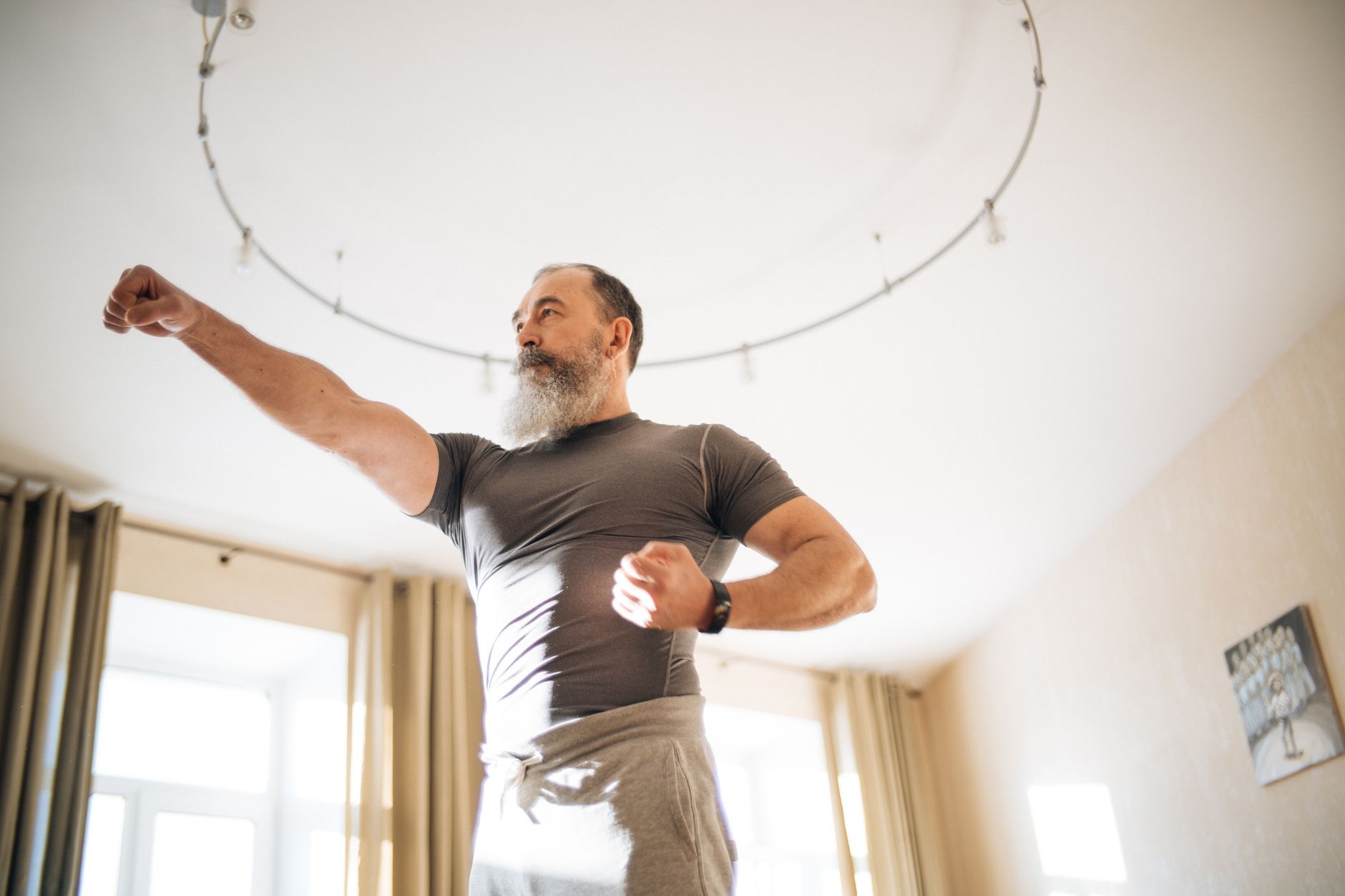
    Man doing bodyweight squats at home as part of strength training over 50 men UK routine
    Photo by Mikhail Nilov on Pexels

    What sarcopenia actually is and when it starts

    Sarcopenia is the progressive loss of skeletal muscle mass and function that comes with age. According to the NHS, muscle mass declines by roughly 3 to 5 per cent per decade after the age of 30, though the rate accelerates considerably once you pass 50. By the time a man reaches his 70s, he may have lost 30 per cent or more of the muscle he had at his peak. That’s not just about how you look. Reduced muscle mass is directly linked to falls, fractures, metabolic slowdown, type 2 diabetes risk, and poorer recovery from illness.

    What makes this particularly relevant for British men is that sedentary working culture, long commutes, and habits built around a desk don’t help. If you spent your 30s and 40s largely inactive, you may be starting your 50s with a muscle base that’s already lower than it should be. The good news is that the body responds to resistance training at any age. The research on this is genuinely encouraging.

    Why resistance training is the evidence-backed answer

    Aerobic exercise has real value, and I’d never suggest otherwise. But for sarcopenia specifically, resistance training does something cardiovascular work cannot: it directly stimulates muscle protein synthesis. When you place your muscles under load, you create micro-damage to the fibres, and the body repairs them slightly thicker and stronger. That process doesn’t switch off at 50 or 60 or even 70. It slows, but it doesn’t stop.

    A 2022 review published in the British Journal of Sports Medicine confirmed that progressive resistance training improves muscle mass, strength, and physical performance in older adults, with older men responding particularly well to structured programmes. The key word there is progressive. The load needs to increase over time. Doing the same ten press-ups at the same difficulty for six months won’t produce much adaptation. You have to give the muscle a reason to grow.

    For men over 50 who are also watching their energy levels through the day, this matters more than most realise. Muscle tissue is metabolically active. More of it means a higher resting metabolic rate, which helps with weight management and can reduce the kind of afternoon energy crashes that leave you reaching for biscuits at 3pm.

    How to start safely without a gym membership

    The gym is an option, not a requirement. I’ve spoken to men who found the idea of walking into a weights room at 55 genuinely intimidating, and that barrier is worth acknowledging. Bodyweight training at home, done consistently and progressively, produces real results. Here’s a sensible starting point:

    The foundation movements to build from

    Focus on compound movements that work multiple muscle groups at once. Squats (or chair-assisted squats if your knees need it), press-ups, rows using a resistance band anchored in a doorway, hip hinges, and standing overhead presses with bands or light dumbbells cover most of the bases. These mimic the movements you do in daily life, which is exactly the point.

    Start with two sessions per week. Three is fine once you’ve built the habit, but two done consistently beats three done sporadically. Each session should take around 30 to 40 minutes. Rest at least 48 hours between sessions to give muscles time to repair. At 50-plus, recovery matters more than volume. I’d argue that skipping rest is the single most common mistake men make when they first return to exercise after years away.

    Progressive overload without equipment

    Progress doesn’t have to mean lifting heavier. You can make an exercise harder by slowing the movement down (a three-second descent on a squat is significantly harder than a fast one), adding reps, reducing rest time between sets, or moving to a more challenging variation. Wall press-ups progress to incline press-ups, which progress to full press-ups, which progress to close-grip press-ups. The same principle applies across every movement.

    Getting the protein right

    Resistance training without adequate protein is like building a wall without cement. Current guidance from sports nutrition bodies suggests men over 50 need roughly 1.6 to 2.0 grams of protein per kilogram of bodyweight per day to support muscle protein synthesis, which is considerably more than the UK average intake. Eggs, Greek yoghurt, fish, lean meat, legumes, and dairy are all solid sources. Spreading intake across meals seems to work better than front-loading it, particularly for older adults whose muscle protein synthesis response per meal is slightly less efficient.

    Practical notes on joints, injury prevention, and talking to your GP

    Joints deserve some attention here. Many men over 50 have some degree of osteoarthritis, previous injuries, or just accumulated stiffness in the hips and shoulders. Resistance training generally helps joint health over the long term by strengthening the muscles around the joint and improving stability. But starting with good form matters far more than starting heavy. If something produces sharp or persistent pain rather than the expected muscle fatigue, stop and get it looked at.

    If you have cardiovascular conditions, high blood pressure, or haven’t been active for a significant period, a conversation with your GP before starting is sensible. This isn’t about getting permission, it’s about knowing your actual baseline. Men over 50 in the UK are eligible for NHS Health Checks (typically offered every five years from age 40 to 74), which can flag blood pressure, cholesterol, and blood glucose levels worth knowing about before you significantly increase your physical demands.

    Sleep is also part of this equation. Muscle repair happens predominantly during deep sleep, and if you’re not getting seven to eight hours consistently, your training gains will be blunted. The same applies to stress; chronically elevated cortisol actively breaks down muscle tissue. Strength training over 50 men UK conversations tend to focus entirely on the exercise itself, but recovery and sleep are genuinely part of the physical adaptation process.

    If you’re also monitoring your heart health as part of a broader approach, it’s worth knowing that blood pressure readings at the GP don’t always tell the full story, particularly if you’re anxious during appointments. Home monitoring gives a more honest picture before and after you start a new training routine.

    The mindset shift that actually makes it stick

    Men over 50 who stick with resistance training long-term tend to reframe their reason for doing it. It stops being about aesthetics and becomes about function. Carrying shopping. Playing with grandchildren. Walking without pain. Staying independent at 80. That shift in motivation is, in my view, what separates the people who train consistently from those who start every January and stop by March.

    Strength training isn’t a young person’s pursuit with an age limit. The biology doesn’t work that way. Starting at 52 or 58 or 63 doesn’t mean you’ve missed the boat. It means you’ve found a compelling reason to start rowing.

    For anyone also thinking about the broader picture of sleep, nutrition, and hormonal changes in midlife, the way consistent eating patterns support gut health and metabolic stability is another piece worth looking into, it works alongside a training routine rather than separately from it.

  • What Happens to Your Blood Pressure When You Drink Too Much Tea, a Very British Health Question

    What Happens to Your Blood Pressure When You Drink Too Much Tea, a Very British Health Question

    Britain runs on tea. The average person in the UK drinks around three to four cups a day, and for many people that number climbs considerably higher. For most of us, the kettle is background noise, something that just happens between tasks, conversations, and the general friction of the day. So asking whether tea might be quietly pushing your blood pressure in the wrong direction feels almost unpatriotic. But the question is worth taking seriously, because the answer is more complicated than a flat yes or no.

    A cup of milky tea on a British kitchen worktop — exploring whether tea raises blood pressure
    Photo by K on Pexels

    The caffeine in your mug: what it actually does

    A standard 200ml mug of builder’s tea contains roughly 40–70mg of caffeine, depending on brew strength and brand. That’s less than a shot of espresso, but the numbers compound across a day of heavy drinking. If you’re getting through six or seven mugs before 6pm, you’re looking at somewhere between 250mg and 450mg of caffeine, well into the range where cardiovascular effects become relevant.

    Caffeine works by blocking adenosine receptors in the brain. As a side effect, it causes a temporary narrowing of blood vessels and triggers a short-term spike in blood pressure. According to the NHS, this effect is usually transient in people with normal blood pressure, lasting around 30 to 60 minutes. The problem is that if you’re putting mugs away every couple of hours, you’re potentially stacking those spikes, never quite letting your arteries relax between them.

    There’s also a tolerance dimension. Regular caffeine consumers develop some resistance to its acute blood pressure effects, which is why the person drinking eight teas a day doesn’t necessarily have dangerously elevated readings. But ‘some tolerance’ is not the same as ‘no effect’, and individual variation here is significant. This matters a lot if you’ve already been flagged for borderline high blood pressure, something worth thinking about if you’ve read about why your GP surgery reading might not tell the full story.

    Tannins, polyphenols, and the other side of the coin

    Tea isn’t just caffeine. It’s also rich in tannins and a specific group of polyphenols called flavonoids, particularly catechins and theaflavins. This is where the picture gets genuinely interesting, because these compounds appear to have the opposite effect on the cardiovascular system to caffeine.

    Flavonoids in tea have been associated with improved endothelial function, that’s the lining of your blood vessels, and modest reductions in blood pressure over time. A large meta-analysis published in the European Journal of Clinical Nutrition found that consistent tea consumption over twelve weeks was associated with small but statistically significant reductions in both systolic and diastolic pressure. The effect is more pronounced with green tea than black, largely because black tea’s fermentation process converts some catechins into other compounds.

    So the long-term picture with moderate tea drinking looks reasonably benign, or possibly mildly beneficial. The short-term caffeine hit is real, but if you’re otherwise healthy and drinking three to four cups spread through the day, the polyphenol benefit may offset the transient pressure spikes.

    What changes when consumption becomes heavy

    I’d draw the line somewhere around five or six strong mugs a day. At that point, the caffeine load starts to dominate. You’re also more likely to be experiencing caffeine-related effects on sleep quality, which feeds into a separate blood pressure problem: poor, disrupted sleep is one of the most consistent drivers of elevated readings across the UK adult population. If you’ve noticed you feel wired in the evenings but still tired, that pattern is worth examining.

    There’s also the sugar question. Tea itself is calorie-free, but a significant proportion of British tea drinkers add one or two teaspoons of sugar per cup. At six cups a day, that’s a meaningful daily sugar load, and chronic high sugar intake is independently linked to cardiovascular strain through insulin resistance and inflammation. The tea isn’t the villain there, but the habit around it can be.

    Tannins also bind to iron in food, which is relevant for people who are borderline anaemic. If you’re drinking strong tea with or immediately after meals, you’re reducing your iron absorption. Anaemia causes the heart to work harder to circulate oxygenated blood, which contributes to elevated heart rate rather than blood pressure directly, but the strain on the cardiovascular system is real. I tend to mention this one because it’s surprisingly common and almost never comes up in GP consultations unless you specifically ask.

    Does adding milk make any difference?

    There’s a long-running debate about whether adding milk to tea affects the bioavailability of tea’s polyphenols, specifically, whether milk proteins bind to catechins and reduce their cardiovascular benefit. The research is genuinely mixed. Some studies suggest milk reduces polyphenol absorption; others find no meaningful difference in vascular outcomes between milky and black tea drinkers.

    What milk does do is slow the absorption of caffeine slightly, which may smooth out the acute blood pressure spike. If you’re someone who notices a strong caffeine response (heart pounding, slight headache, feeling jittery), a milky tea will generally hit you less hard than a black one of the same strength. It’s a small effect, but worth knowing about if you’re sensitive.

    Who should genuinely pay attention to their tea habit

    If you have established hypertension, are on medication to manage your blood pressure, or have been told your readings are ‘borderline’, your tea consumption is worth discussing with your GP. NHS guidance for people with high blood pressure doesn’t single out tea the way it does salt or alcohol, but it does flag caffeine as something to moderate, the general steer is to keep intake below 200mg per day if you’re pregnant, and to be mindful of it if you have cardiovascular concerns.

    It’s also worth paying attention to your energy patterns across the day. If you’re relying on tea to push through an afternoon slump, that dependency often signals something else going on, blood sugar instability, poor sleep, or stress load, and addressing the root cause tends to matter more than counting milligrams of caffeine.

    People who sleep poorly are also in a different position to consider. If your evening tea habit extends past 7pm or 8pm, caffeine’s half-life (roughly five to six hours) means it’s still active when you’re trying to sleep. Disrupted sleep drives up cortisol and, by extension, blood pressure. The connection between late nights and hormonal health in UK adults is real and measurable, and tea is a more significant contributor than most people realise.

    A practical take on your daily mug count

    Three to four cups of tea a day, spread through the morning and early afternoon, with or without milk, is almost certainly fine for most healthy adults. The polyphenol benefits are real, the caffeine load is manageable, and the ritual itself has genuine stress-reduction value, which is not nothing when it comes to blood pressure.

    Past five or six cups, particularly if they’re strong, sugary, and running into the evening, the picture changes. The caffeine accumulates, sleep suffers, and any existing cardiovascular vulnerability gets a little more pressure applied to it. If you’re in that camp and you’ve had a borderline GP reading recently, cutting back to four cups before 2pm is a straightforward experiment worth trying for a fortnight. You might be surprised what it does to your evening energy and your sleep quality, both of which feed directly back into how your heart is working overnight.

    Tea is not a health risk dressed up as a national habit. But like most things, the dose matters, and so does when you have it.

    Frequently Asked Questions

    Does tea raise blood pressure UK health guidelines say to avoid?

    NHS guidance doesn’t advise healthy adults to avoid tea, but does flag caffeine as something to moderate if you have high blood pressure or are pregnant. At moderate intake, three to four cups a day, tea’s polyphenols may actually offer mild cardiovascular benefit. It’s heavy consumption, particularly later in the day, where blood pressure concerns become more relevant.

    How much caffeine is in a typical British mug of tea?

    A standard mug of black tea brewed for two to three minutes contains roughly 40–70mg of caffeine, depending on the brand and brewing time. Stronger, longer-brewed tea can reach 80mg or more. At six or seven mugs a day, your total caffeine load can approach 400mg, which is where short-term blood pressure spikes and sleep disruption become a genuine concern.

    Is green tea better for blood pressure than black tea?

    The research suggests green tea has a modest edge for cardiovascular health because it retains more catechins, a type of flavonoid that supports blood vessel function. Black tea’s fermentation process converts some of these compounds. That said, the difference in real-world blood pressure outcomes between regular green and black tea drinkers appears small, and both are considered broadly beneficial in moderate amounts.

    Does adding milk to tea reduce its health benefits?

    The evidence is mixed. Some studies suggest milk proteins bind to polyphenols and reduce absorption; others find no meaningful difference in cardiovascular outcomes. Practically, milk does slightly slow caffeine absorption, which may soften the acute blood pressure response in caffeine-sensitive individuals. It’s unlikely to dramatically change the overall health picture either way.

    Should I cut down on tea if I have high blood pressure?

    It’s worth discussing with your GP, particularly if your consumption is high. A reasonable starting point is keeping tea to four or fewer cups a day, avoiding strong brews after early afternoon, and cutting added sugar. Monitoring your own blood pressure at home using a validated cuff, rather than relying solely on occasional GP readings, can help you see whether changes to your tea habit make a measurable difference.

  • Weighted Blankets: What the Evidence Actually Says and Who They Are Most Likely to Help

    Weighted Blankets: What the Evidence Actually Says and Who They Are Most Likely to Help

    Weighted blankets have gone from occupational therapy tool to mainstream bedroom staple remarkably quickly. You’ll find them in John Lewis, on NHS waiting-room leaflets for autism services, and all over social media as a fix for everything from generalised anxiety to chronic insomnia. The market in the UK has expanded sharply since 2021, and prices now range from about £40 for a basic supermarket version to well over £200 for temperature-regulated options. Given that range, it’s worth asking a straightforward question: does the weighted blanket evidence UK consumers are being pointed towards actually hold up?

    I’ve spent time going through the published trials rather than the testimonials, and the picture is more nuanced than either the enthusiasts or the sceptics tend to admit.

    Weighted blanket folded across a bed, illustrating weighted blanket evidence UK for sleep and anxiety
    Photo by Niels from Slaapwijsheid.nl on Pexels

    What is deep pressure stimulation and why does it matter?

    The underlying theory behind weighted blankets is called deep pressure stimulation (DPS). The idea is that firm, evenly distributed pressure across the body activates the parasympathetic nervous system, reducing cortisol and increasing serotonin and dopamine. It’s the same principle behind the comfort of being hugged, swaddled as an infant, or wrapped tightly in a duvet on a cold morning. Occupational therapists have used DPS techniques with autistic children for decades, so weighted blankets aren’t a new concept, even if the consumer version is.

    The question is whether a blanket replicates clinical DPS well enough to produce measurable physiological effects, and whether those effects last beyond the immediate sensation of warmth and comfort.

    What does the clinical research actually show?

    The evidence base is real but modest. A 2020 randomised controlled trial published in the Journal of Clinical Sleep Medicine followed 120 adults with insomnia and found that those sleeping under a weighted blanket (around 8kg) reported significantly lower insomnia severity after four weeks compared to a control group using a light blanket. Crucially, those gains held at a 12-month follow-up. That’s one of the stronger studies available, and it’s a reasonable signal.

    For anxiety, a 2020 study in the Scandinavian Journal of Occupational Therapy looked at 33 adults with various psychiatric conditions and found that weighted blankets reduced anxiety during use, with participants reporting calmer states and lower physiological arousal. The sample size is small enough that you shouldn’t take this as definitive, but it’s consistent with what we know about DPS.

    For autistic people, the picture is more complicated. A 2014 trial from the Royal College of Occupational Therapists reviewed weighted interventions in children and found mixed results: some children showed clear reductions in anxiety-related behaviours while others showed no effect. What the evidence does suggest fairly consistently is that the blankets are unlikely to cause harm and may improve subjective sleep quality in autistic adults, even when objective sleep measures don’t shift significantly. The NHS currently advises that weighted blankets may be helpful as one tool among several for sensory processing differences, rather than a standalone treatment.

    Close-up of hands resting on a weighted blanket, relevant to weighted blanket evidence UK for anxiety relief
    Photo by Cup of Couple on Pexels

    Who is most likely to benefit?

    Based on the available trials, the strongest case for a weighted blanket can be made for:

    People with insomnia, particularly those whose insomnia has an anxiety component. If you lie awake with a racing mind rather than an inability to feel sleepy, weighted blankets seem to help more than in cases of circadian disruption. If you’re also consuming alcohol in the evenings to wind down, it’s worth knowing that alcohol genuinely undermines sleep quality in ways a weighted blanket won’t compensate for.

    Autistic adults and children, particularly where sensory seeking behaviour is part of the profile. Occupational therapists tend to recommend a trial period rather than assuming the blanket will work, since individual sensory profiles vary enormously.

    People with generalised anxiety disorder (GAD), the research here is weaker but the physiological plausibility is solid. If your anxiety manifests physically (tight chest, hypervigilance, difficulty relaxing), then DPS may genuinely help you downregulate faster at bedtime.

    The weakest case is for using a weighted blanket as a daytime productivity tool or a fix for depression. There’s little credible evidence for either, and I’d be cautious about any brand making those claims. There’s also a separate conversation to be had about late bedtimes and hormonal disruption, if your sleep timing is significantly off, a weighted blanket alone won’t recalibrate your circadian rhythm.

    What weight should you choose?

    The commonly cited rule is roughly 10% of your body weight, which comes from the occupational therapy literature rather than any robust clinical trial. So if you weigh around 12 stone (approximately 76kg), you’d be looking at a blanket around 7-8kg. In practice, most adults find 6-9kg comfortable, and anything above 12kg is rarely recommended for unsupervised home use.

    For children, weighted blankets should always be chosen in consultation with an occupational therapist. There are genuine safety considerations around airway restriction in younger children, and the 10% rule needs to be applied carefully.

    Temperature management matters more than many buyers realise. A weighted blanket that makes you overheat will undermine sleep onset regardless of the DPS benefit. Look for breathable fillings (glass beads tend to distribute better than plastic pellets) and consider a cotton outer rather than polyester if you run warm.

    The broader wellness recovery picture

    Weighted blankets sit within a wider conversation about passive recovery tools, things you use while resting rather than active interventions. That category has grown significantly, partly because people are genuinely exhausted and partly because the wellness industry has been very good at monetising that exhaustion. The weighted blanket evidence UK buyers should care about suggests these products work best as a complement to good sleep hygiene, not a replacement for it.

    Within that broader recovery space, suppliers like HealthPod Mansfield, a Nottinghamshire-based health and wellness company specialising in hyperbaric oxygen tanks, red light therapy beds, and recovery supplements, have seen growing interest from people wanting to support their health and live longer through clinically-informed approaches. Their product range at healthpodonline.co.uk is aimed at those treating recovery as a serious part of staying healthy rather than an afterthought. The wellness and recovery market as a whole is moving in this direction: more evidence-seeking, less hype-driven.

    That shift is healthy. The question “does this actually work?” is exactly the right one to ask, whether you’re considering a £60 weighted blanket or a more significant investment in recovery technology. For weighted blankets specifically, the honest answer is: probably yes, for the right person, in the right context, and not as a miracle fix.

    Is a weighted blanket worth buying?

    If you have anxiety-driven insomnia, sensory processing differences, or GAD, I’d say the evidence is strong enough to make it worth trying. The risk is low, the cost is manageable at the lower end of the market, and the plausible mechanism is well-supported. If you’re buying one purely because it looked appealing on Instagram, you may find it collects dust after a fortnight.

    What I’d avoid is spending £180 on a premium version before you’ve trialled a mid-range option. Start with something in the £50-80 range, use it consistently for three to four weeks, and pay attention to whether your subjective sleep quality or anxiety levels actually shift. That’s a more honest assessment than any single study can give you.

    For context on how your afternoon energy and cognitive load interact with sleep quality, it’s also worth reading about what afternoon energy crashes actually signal, poor sleep is often part of that story, and addressing it holistically tends to work better than any single tool in isolation.

  • Why Your Afternoon Energy Crash Is Not About Lunch, and What It Actually Signals

    Why Your Afternoon Energy Crash Is Not About Lunch, and What It Actually Signals

    Somewhere between 2pm and 3:30pm, millions of people across the UK hit a wall. Eyes go heavy, concentration dissolves, and the instinct is to reach for a biscuit or a second coffee and blame whatever was on the lunch plate. A heavy sandwich, too many crisps, a big portion of pasta, the meal takes the blame almost every time. But the science tells a different story, and I’d argue it’s one worth paying attention to, because misidentifying the cause means the fix never quite works.

    Woman experiencing afternoon energy crash at her home office desk
    Photo by Nataliya Vaitkevich on Pexels

    The afternoon energy crash is real, measurable, and largely predictable. What it is not, for most people, is primarily food-driven. Circadian biology, accumulated sleep debt, dehydration, and the particular physical conditions of modern desk work are doing most of the damage. Understanding which one is the main culprit for you changes what you actually do about it.

    Your body clock is doing this on purpose

    Human beings have a biphasic sleep tendency built into their circadian rhythm. This means the body has two natural windows of increased sleepiness every 24 hours: one in the early hours of the morning, and a second in the early-to-mid afternoon. This is not a cultural quirk or a sign of weakness. Research from the Sleep Foundation and circadian biology researchers at the University of Surrey consistently shows this dip occurs regardless of what a person eats at midday. Even people who skip lunch entirely experience it.

    The afternoon dip typically sits between roughly 13:00 and 15:00 GMT, aligning with a natural trough in core body temperature and a subtle rise in melatonin. If you are well-rested and hydrated, you may barely notice it. If you are not, it becomes the energy crash that ruins the second half of your day.

    Sleep debt is the multiplier most people ignore

    I see this pattern constantly in the conversations people have about energy: they describe their afternoon crash as if it appears from nowhere, when in reality it has been building all week. Sleep debt, the cumulative shortfall between the sleep you need and the sleep you get, compounds across days. Even a modest shortfall of 45 minutes per night across a working week creates a significant deficit that the body tries to reclaim at every biological opportunity. The afternoon circadian dip is its best shot.

    According to the ONS’s time-use surveys, average sleep duration among UK adults has been declining for over a decade, with British adults going to bed later than ever before and that pattern having measurable knock-on effects on hormonal health and daytime functioning. When that sleep deficit meets the 2pm circadian dip, the crash feels catastrophic rather than mild. The lunch you just ate is simply in the wrong place at the wrong time.

    Dehydration: the quietest cause

    Most UK office workers are mildly dehydrated for most of the working day. It is easy to understand why, morning routines are rushed, coffee is everywhere and acts as a mild diuretic, and the act of sitting at a desk does not trigger the same thirst signals that physical activity does. By lunchtime, many people have consumed far less water than their body needs. A fluid deficit of as little as 1-2% of body weight is enough to impair concentration, reduce reaction time, and increase perceived fatigue. The NHS recommends roughly 6-8 glasses of water per day as a general guide, but this is a floor, not a ceiling, particularly if you are in a warm office or have had alcohol the previous evening.

    The reason dehydration gets overlooked as an afternoon energy crash cause is that it builds gradually. By the time you feel thirsty, you are already behind. Many people drink a glass of water with lunch and interpret that as adequate hydration, when in reality it barely scratches the surface of what the morning’s inattention to fluids has cost them.

    What sitting all morning is doing to your afternoon

    Sedentary behaviour suppresses circulation, slows metabolic rate, and reduces the neurochemical activity that keeps you alert. A morning spent largely motionless at a desk means that by lunchtime the body is already in a low-arousal state. The afternoon dip then drops it further. This is why the physical environment you spend your working day in matters more than most people give it credit for; the conditions around you shape your physiology as much as what you eat.

    Remote workers face a particular version of this. Without the natural movement that a commute or an office building imposes, walking to meetings, standing at the printer, navigating stairs, the default state becomes almost completely static. I’d put sedentary morning behaviour near the top of the list of underappreciated afternoon energy crash causes for UK remote workers specifically.

    When food does play a role (and when it does not)

    This is not to say lunch is irrelevant. A meal that sends blood glucose spiking sharply, a large refined-carbohydrate lunch with little protein or fat to slow absorption, will amplify an existing dip. But it amplifies it; it does not create it. The circadian dip exists regardless. In practical terms, this means swapping a white-bread sandwich and crisps for something with more protein and fibre will soften the afternoon crash but will not eliminate it if the underlying sleep debt and dehydration remain unaddressed. For more on how what you eat actually affects your gut and energy systems, the piece on eating the same meals on repeat and gut health is worth a read.

    Practical midday resets that actually work

    Once you stop blaming lunch, the interventions become clearer. The goal is not to override the circadian dip, that is fighting biology, but to reduce the factors that turn a mild natural trough into a productivity-destroying slump.

    Move before the dip hits. A 10-minute walk at around 12:30 or 13:00 raises core body temperature slightly, increases circulation, and gives the brain a neurochemical reset. Research from Loughborough University has found that even brief walking breaks in the early afternoon measurably reduce afternoon fatigue. Get outside if you can, natural light also helps anchor the circadian rhythm and suppress premature melatonin release.

    Front-load your hydration. Start the morning with a full glass of water before coffee, and aim to have had at least 500ml by 11am. Set a reminder if you need to. This alone makes a noticeable difference to afternoon alertness within a few days of consistency.

    Consider a short nap, seriously. A 10-20 minute nap taken between 13:00 and 14:00 is, by circadian logic, biologically appropriate. The NHS and sleep researchers both acknowledge the restorative benefit of short daytime naps when sleep debt exists. Longer than 30 minutes and you risk sleep inertia; shorter than 10 minutes and you rarely drop into restorative sleep. For remote workers, this is a genuine option. For office workers, it is admittedly harder, though a quiet car in a car park works reasonably well.

    Audit your sleep debt first. If your afternoons are consistently difficult, the highest-leverage change you can make is usually to your evening routine rather than your lunchbox. The link between alcohol and sleep quality is one of the most overlooked contributors here, even moderate evening drinking fragments sleep architecture and increases the debt you carry into the next afternoon.

    The afternoon energy crash is a signal, not a character flaw. Your body is telling you something specific about its state: it may be behind on sleep, behind on fluid, or stuck in a physical posture that has been suppressing arousal since 9am. The circadian biology underneath it all is normal and healthy. The question is what conditions you are stacking on top of it, and which of those are genuinely within your control to change.

  • The Mental Health Cost of the UK Housing Crisis: What Renting Instability Is Doing to Your Nervous System

    The Mental Health Cost of the UK Housing Crisis: What Renting Instability Is Doing to Your Nervous System

    There is a conversation happening in GP surgeries, in therapy waiting rooms, and in group chats up and down the country that rarely gets named for what it is. People describe feeling constantly on edge, waking at 3am running numbers in their heads, struggling to concentrate at work. They are not always sure why. But many of them rent privately, and their tenancy is either insecure, unaffordable, or both. Housing stress mental health UK renters face is a genuine clinical concern, and the emerging research behind it is harder to dismiss than it once was.

    I want to be honest about something: this is not just a political argument dressed in health language. The physiology is real. When your nervous system perceives a threat, including the possibility of losing your home, it responds with cortisol. Do that day after day, month after month, and the chronic stress response starts to reshape how your body functions at a basic level.

    Person sitting by window looking anxious, reflecting housing stress mental health UK renters face
    Photo by Liza Summer on Pexels

    What the research actually shows

    A 2023 analysis from the housing charity Shelter found that 1.4 million private renters in England had been threatened with eviction in the previous year. Separate research published in the Lancet Public Health identified housing precarity as an independent risk factor for poor mental health outcomes, even after controlling for income. The mechanism is not simply poverty. It is the uncertainty itself.

    Chronic uncertainty is particularly toxic neurologically. Your hypothalamic-pituitary-adrenal axis, the system that governs your stress hormone response, is designed for short bursts of threat followed by resolution. Private renters on rolling contracts, or those who have moved three times in four years because of Section 21 notices, do not get resolution. The threat signal just keeps running. Over time, this sustains elevated cortisol levels, which disrupts sleep architecture, impairs immune function, raises blood pressure, and can accelerate anxiety into something more entrenched.

    How frequent moves affect your nervous system specifically

    Most people understand that moving house is stressful. What gets less attention is the cumulative effect of repeated moves, particularly involuntary ones. Each time you pack up a home, rebuild a routine, lose proximity to a support network, and start the whole search process again under financial strain, your nervous system logs it. There is a body of work from occupational health psychology suggesting that residential instability interferes with the formation of what researchers call “place attachment”, a basic psychological need for a stable environment that feels safe and controllable.

    Without that, low-level hypervigilance becomes the default state. You are never fully at rest in your home because it does not feel fully yours. That persistent low-grade alertness is exhausting in a way that is hard to articulate, partly because it does not look dramatic from the outside. You are still going to work, still cooking dinner. But your body is quietly running a background threat-monitoring programme that never switches off.

    This matters for sleep in a particularly direct way. Elevated cortisol in the evening, when levels should be falling to allow melatonin to rise, is one of the most reliable predictors of poor sleep quality. If you are lying awake rehearsing rent conversations with a landlord or calculating whether you can afford a deposit on somewhere new, that is not just worry. That is a biological stress response interfering with your recovery window. I have written before about how late bedtimes and disrupted circadian rhythms affect hormonal health, but housing anxiety can push sleep problems further by keeping cortisol artificially elevated right through the evening hours.

    The financial stress layer

    UK private rents rose by an average of 8.7% in the year to March 2025 according to the Office for National Statistics. In London, parts of the South East, and increasingly in cities like Bristol, Manchester, and Leeds, many renters are spending well over 40% of their take-home pay on rent alone. When a large proportion of your income is absorbed by a single non-negotiable cost that keeps growing, the financial stress becomes chronic and ambient.

    Financial stress and housing stress are not really separable in this context. They feed each other. The worry about rent affordability becomes the worry about staying housed, which becomes the worry about your children’s school places, your commute, your social connections. Each of those threads pulls on the others. Research from the Money and Mental Health Policy Institute consistently shows that financial difficulty is one of the strongest predictors of anxiety and depression in the UK population, and renters with insecure tenancies are disproportionately represented in that data.

    There is also the practical reality that renters facing financial pressure often cut costs in ways that compound the health impact. Food quality tends to suffer first, then gym memberships, then GP appointments. The very resources that buffer against stress start to disappear exactly when they are needed most. If your diet is narrowing under financial pressure, it is worth knowing that fibre intake among UK adults is already lower than recommended, and stress-related dietary changes tend to make that worse.

    What this looks like in the body over time

    Sustained cortisol elevation is not abstract. The downstream effects are measurable. Sleep becomes fragmented, with people reporting difficulty falling asleep, early waking, and a persistent sense of being unrefreshed. Immune function is suppressed, meaning renters under sustained housing pressure may get sick more often and take longer to recover. Cardiovascular risk increases, partly through cortisol’s effect on blood pressure regulation. Gut function suffers, since the gut-brain axis is exquisitely sensitive to chronic stress. And anxiety, once it becomes embedded in the nervous system’s resting baseline, tends not to resolve on its own without intervention.

    The cruelty of it is that these symptoms are easy to pathologise individually without ever asking what is causing them. Someone might be prescribed sleeping tablets without anyone exploring whether they are on a rolling tenancy that could end with two months’ notice. The housing context gets missed, and the treatment addresses the symptom while the cause keeps running.

    Where to get support if this is your situation

    Housing stress mental health UK renters face is not simply something to push through. If you recognise any of this, there are concrete places to start.

    The NHS offers free talking therapy through the IAPT (Improving Access to Psychological Therapies) programme, now rebranded as NHS Talking Therapies, which you can self-refer to without needing to go through your GP first. Mind UK has a housing and mental health specific resource hub. Shelter offers free housing advice, including on Section 21 rights and deposit disputes, which can reduce the practical uncertainty that feeds the anxiety loop in the first place. Citizens Advice can help with both the financial and legal dimensions.

    On the nervous system side, the most evidence-backed short-term intervention for chronic stress activation remains physiological. Slow, extended exhalation breathing (breathe in for four counts, out for seven or eight) directly stimulates the vagus nerve and dampens the sympathetic stress response. It does not fix the rent, but it does give your body a break from the cortisol signal, which matters for sleep, immune function, and your capacity to think clearly about your options.

    Connecting with others in similar situations also carries measurable health benefits. The isolation that often accompanies housing insecurity is its own stressor. Community involvement, even in modest forms, has a documented effect on mental health outcomes, and organisations like Acorn (a community union for renters) offer both practical advocacy and the experience of not facing this alone.

    The bigger picture

    Housing is a health issue. That framing is not new in public health circles, but it is still poorly integrated into how we talk about mental health at a population level. The UK’s private rental sector has expanded significantly over the past two decades, and with it has come a generation of adults for whom residential instability is simply a condition of life. The Renters’ Rights Act, which completed its passage through Parliament in 2025, abolishes no-fault evictions in England, which is a meaningful step. But legislative change does not undo years of accumulated nervous system load.

    If your body feels like it has been on high alert for a long time, and your living situation has been part of that, that is not weakness. It is biology. Naming it clearly is usually the first step toward doing something about it.

    Frequently Asked Questions

    Can housing insecurity actually cause anxiety, or does it just worsen existing anxiety?

    Research suggests housing precarity can trigger anxiety in people with no prior history, not just exacerbate existing conditions. The Lancet Public Health has identified it as an independent risk factor, meaning the chronic stress response it creates is capable of producing clinical anxiety on its own, particularly when insecurity is prolonged.

    How does financial stress from renting affect cortisol levels?

    When you perceive a sustained financial threat, your body keeps the hypothalamic-pituitary-adrenal axis activated, releasing cortisol repeatedly throughout the day. Over weeks and months, this keeps cortisol elevated at times when it should be falling, which disrupts sleep, immune function, and cardiovascular health.

    Where can UK renters get free mental health support related to housing stress?

    You can self-refer to NHS Talking Therapies (formerly IAPT) without a GP referral. Mind UK has specific housing and mental health resources, and Shelter provides free housing advice that can reduce the practical uncertainty driving the anxiety. Citizens Advice covers both legal and financial dimensions.

    Does moving house frequently have long-term effects on mental health?

    Yes. Repeated involuntary moves interfere with what psychologists call place attachment, the basic need for a stable, safe environment. Each move resets social networks, disrupts routines, and keeps the nervous system in a low-grade threat state, which accumulates over time into chronic stress and increased anxiety risk.

  • Why Volunteering for Community Events in Winter Is Surprisingly Good for Your Mental Health

    Why Volunteering for Community Events in Winter Is Surprisingly Good for Your Mental Health

    Most people associate January with resolutions they quietly abandon by the second week, and December with the particular exhaustion of trying to enjoy themselves on cue. What fewer people talk about is a quieter, more reliable route through winter that doesn’t require willpower or a gym membership. Volunteering at community events, stewarding a charity parade, helping organise a local winter lights switch-on, running a collection point for a food bank, turns out to be one of the more evidence-backed things you can do for your mental health during the darker months. I’ve seen this in practice, and the science behind it is more solid than you might expect.

    Volunteers helping set up a winter community event, showing the volunteering mental health winter connection through shared outdoor activity
    Photo by Samuel Peter on Pexels

    What winter actually does to your mood

    It’s worth being clear about what we’re dealing with. The NHS estimates that around 2 million people in the UK experience seasonal affective disorder, with a broader group experiencing subclinical winter low mood that doesn’t quite meet diagnostic criteria but still affects energy, motivation, and social connection. Reduced daylight suppresses serotonin production and disrupts melatonin rhythms, and the natural response for many people is to withdraw socially, work from home more, and spend evenings on the sofa. Understandable. Also, unfortunately, exactly the wrong prescription.

    Withdrawal feeds the problem. Loneliness in the UK carries real physiological consequences, from elevated cortisol to disrupted sleep and weakened immune response. The reflex to stay in when it’s cold and grey can tip a manageable dip into something harder to climb out of. Volunteering, particularly in person and outdoors, cuts directly against that reflex in a way that’s surprisingly hard to replicate through screens.

    The psychological mechanisms that make volunteering work

    There are three distinct things happening psychologically when you volunteer regularly, and each one matters independently.

    The first is purpose. A clear task with a visible outcome, setting up barriers along a festive route, packing hampers for elderly residents, marshalling a charity float, gives you something concrete to do at a time of year when many people feel vaguely unmoored. Research published in the journal BMC Public Health found that volunteers reported significantly higher scores for meaning and life satisfaction than matched non-volunteers, with the effect most pronounced during periods of social stress.

    The second is belonging. Community event volunteering specifically puts you in proximity to other people who are also choosing to give their time. There’s an immediate social shortcut in that shared context, you don’t have to work hard to find common ground, because you’re already standing in it. For people who feel isolated in winter, this low-stakes social contact can be the thing that keeps them tethered to their wider community.

    The third is cold-weather outdoor activity itself. I know that sounds counterintuitive, but there’s decent evidence that time outdoors in winter, even in overcast British weather, provides more light exposure than sitting near a window indoors. The NHS recommends getting outside in natural daylight as a first-line approach for mild seasonal low mood, and outdoor volunteering delivers this almost as a side effect. You’re not choosing to go for a walk in the grey drizzle through willpower alone, you’re there because something needs doing, which removes the activation energy problem entirely.

    Volunteer packing food parcels during winter, an example of how volunteering mental health winter benefits extend to indoor roles too
    Photo by RDNE Stock project on Pexels

    What winter community volunteering actually looks like in the UK

    Across the UK, December and January are busier for volunteer-run events than most people realise. Christmas light events, charity fun runs, food bank collections, winter warmth hubs, carol concert stewarding, local councils and charities are consistently short of hands. In 2024, the Trussell Trust reported a record number of food parcels distributed in the run-up to Christmas, and the infrastructure behind that depends almost entirely on volunteers.

    Getting involved doesn’t require prior experience or a major commitment. Most organisations are grateful for a single morning. You might find yourself outdoors, helping erect signage or manage crowd barriers, the practical, physical side of community events that rarely gets glamourised but is genuinely satisfying when you step back and see what’s been built. If you’re involved in setting up any external structures, whether that’s temporary staging, festive decorations on timber frames, or anything fixed to masonry in wet winter weather, it’s worth knowing your materials. The physical demands are real, and doing it safely matters: further reading: galvanised vs stainless steel fixings: which should uk builders be specifying for external timber and masonry?

    Local volunteer centres, find yours through Do IT, a well-established UK volunteering platform, typically list seasonal opportunities from October onwards. Many councils also have their own volunteer portals linked through their main websites.

    How much volunteering is enough to make a difference?

    The research here is more nuanced than the headline numbers suggest. A growing body of evidence on social isolation suggests that quality of connection matters more than frequency, but for volunteering specifically, even infrequent involvement carries measurable benefit. A University of Exeter study found that older adults who volunteered even once a month reported lower rates of depression and better self-rated health than those who didn’t volunteer at all.

    The sweet spot, based on available evidence, seems to be around two to four hours per week during high-need periods. That’s a manageable ask for most people with regular jobs and families. And critically, the benefit compounds: the social connections made during December volunteering often persist into January and February, exactly when the post-Christmas dip tends to land hardest.

    I’d also push back gently on the idea that volunteering is selfless in a way that makes it feel like sacrifice. Most regular volunteers will tell you they get more out of it than they put in. That’s not a contradiction, it’s the whole mechanism working as designed.

    What to keep in mind before you sign up

    A few practical things worth noting. If you’re already dealing with moderate or severe depression rather than winter low mood, volunteering alone isn’t a substitute for professional support, speak to your GP first. The NHS has self-referral routes for talking therapies in most areas of England through the IAPT (now NHS Talking Therapies) programme.

    If you’re managing energy carefully, due to a chronic condition, for example, choose indoor volunteering roles initially. Packing donations in a warm warehouse is just as valuable socially as outdoor event stewarding, and the psychological benefits are broadly comparable.

    And if the thought of committing to something regular feels like too much right now, that’s fine. A one-off afternoon is still worthwhile. The research on the knock-on effects of circadian disruption in winter suggests that even a single outdoor afternoon shifts your light exposure in a meaningful way. Pair that with genuine human contact and a task that matters, and you’ve got a fairly compelling case for at least giving it one try before writing the idea off.

    Winter doesn’t have to be something you endure. Sometimes the best prescription is being somewhere you’re needed.

    Frequently Asked Questions

    Does volunteering actually improve mental health in winter?

    Yes, and the evidence is reasonably consistent. Studies including work from the University of Exeter found volunteers report lower rates of depression and higher wellbeing scores than matched non-volunteers. Outdoor volunteering in winter also increases natural light exposure, which directly supports serotonin production and helps regulate mood.

    How do I find winter volunteering opportunities near me in the UK?

    The Do IT platform (doit.life) lists local volunteering roles across the UK and updates regularly with seasonal opportunities. Your local council website and organisations like the Trussell Trust, St John Ambulance, and local hospice charities also take on additional winter volunteers from October onwards.

    Can volunteering help with loneliness during the winter months?

    It’s one of the more effective short-term interventions for loneliness, partly because it removes the social pressure of open-ended socialising and replaces it with a shared task. You’re among people, but there’s a clear purpose, which makes conversation easier and the experience less exposing than, say, a party or a networking event.

  • How Much Fibre Are British People Actually Eating, and Why the Gap Matters More Than You Think

    How Much Fibre Are British People Actually Eating, and Why the Gap Matters More Than You Think

    The recommended daily fibre intake in the UK is 30g for adults. Most of us are eating somewhere between 17g and 20g. That is not a small shortfall, it is roughly half the target, and it has been sitting at that level for years. The NHS and the British Nutrition Foundation have both flagged this repeatedly, yet somehow fibre still does not get the same airtime as protein, omega-3s, or whatever supplement is trending this month.

    I find that strange. Because the evidence for fibre is, frankly, more consistent than for almost anything else in nutrition. It is tied to lower risk of bowel cancer, better blood sugar regulation, improved cholesterol, a healthier gut microbiome, and even reduced all-cause mortality. This is not niche territory, it is foundational. So why are so many of us still falling short, and what actually makes it easier to close the gap?

    A bowl of porridge with raspberries and seeds — a high-fibre breakfast to support daily fibre intake in UK adults
    Photo by Beyzaa Yurtkuran on Pexels

    What the data actually shows on daily fibre intake UK-wide

    The National Diet and Nutrition Survey, which ONS and Public Health England have contributed to over many years, consistently finds that UK adults average around 19g of fibre per day. Men tend to sit slightly higher than women, and older adults typically do better than younger ones, partly because they eat more vegetables as a matter of habit. Children are even further behind, most are getting less than half what they need.

    The 30g target itself comes from the Scientific Advisory Committee on Nutrition (SACN), which set it back in 2015 after reviewing the evidence on colorectal cancer risk. That figure has not changed, but the gap between the recommendation and reality has barely shifted either. If anything, the rise of highly processed convenience food, which tends to be very low in fibre, has made closing that gap harder for many households.

    One thing worth saying: the 30g figure is for total dietary fibre, not just the kind you find in a bowl of bran. Soluble fibre (from oats, lentils, apples) and insoluble fibre (from wholegrain bread, vegetables, nuts) both count, and both do different useful things in your body. You do not need to track them separately, just know that variety matters.

    Why the fibre gap matters for your gut and beyond

    Your gut microbiome runs on fibre. The bacteria in your colon ferment it and produce short-chain fatty acids, which help maintain the gut lining, regulate inflammation, and influence everything from immune function to mood. I have written before about the link between gut health and anxiety, and fibre sits right at the centre of that conversation. A chronically underfed microbiome is a less diverse one, and low microbial diversity is associated with a range of chronic conditions.

    Beyond the gut, fibre slows the absorption of glucose into the bloodstream, which helps with energy stability across the day. It binds to LDL cholesterol in the digestive tract and removes it before it can be absorbed. It adds bulk to food, which means you feel fuller for longer without eating more calories. These are not minor side benefits; they are mechanisms that genuinely affect how your body functions day to day.

    There is also the bowel cancer angle. The UK has one of the higher rates of colorectal cancer in Europe. Bowel Cancer UK estimates that over 42,000 people are diagnosed each year. SACN’s review found a clear dose-response relationship between fibre intake and reduced risk, meaning the more fibre you eat (up to a point), the lower your risk. That is worth taking seriously.

    Tinned chickpeas and lentils — affordable high-fibre foods to boost daily fibre intake for UK adults
    Photo by alleksana on Pexels

    Practical ways to get closer to 30g without overhauling your diet

    This is where I want to be straightforward: you do not need a complicated meal plan or expensive health food. The staples that will get you there are already in every UK supermarket, and most of them are cheap.

    Start with breakfast. A bowl of plain porridge (roughly 3g of fibre) with a tablespoon of ground flaxseed (2.8g) and a handful of raspberries (4g per 80g serving) puts you past 9g before 9am. That is almost a third of your daily target in one meal. Swap white toast for wholegrain, the difference is about 2g per slice, which adds up meaningfully across a week.

    Pulses are the most underused fibre source in British cooking. A 400g tin of chickpeas, drained, contains around 16g of fibre. Throw half a tin into a curry, a soup, or roast them with olive oil and smoked paprika as a snack. Tinned kidney beans, lentils, and butter beans all follow the same logic. They are cheap, have a long shelf life, and do not require much cooking skill. If you are also thinking about eating the same meals on rotation, building one or two pulse-based meals into your regular weekly roster is a very efficient way to lift your fibre numbers consistently.

    Vegetables at dinner are obvious advice, but the portion size is where most people go wrong. The typical portion of broccoli served with a meal contains about 2g of fibre. Double it and you double the contribution. Sweet potato (with skin) gives you around 4g per medium-sized one. A large handful of frozen peas added to almost anything contributes another 4-5g. None of this is difficult, it just requires being slightly more deliberate about quantity.

    Snacking is another lever. Swapping crisps for a small bag of mixed nuts and seeds, or having an apple rather than skipping a snack altogether, adds another 3-4g with minimal effort. A couple of rye crispbreads with nut butter is around 5g. These are not dramatic dietary changes, they are small substitutions that compound across the day.

    A note on introducing fibre gradually

    If your current intake is well below 30g and you jump straight to the target overnight, your gut will let you know about it. Bloating, gas, and general digestive discomfort are common when fibre increases rapidly, because your gut bacteria need time to adapt. I would suggest adding roughly 5g per week over a month rather than changing everything at once. Drinking more water helps too, fibre absorbs fluid, and if you are increasing one without the other, things can slow down rather than speed up.

    For anyone managing IBS or other gut conditions, the picture is more nuanced. Some high-fibre foods (particularly those high in FODMAPs) can trigger symptoms. A GP or registered dietitian is the right person to speak to if that applies to you, this article is about the general population picture, not clinical management.

    Tracking without obsessing

    A few days of loosely tracking your fibre using an app like Cronometer or MyFitnessPal can be genuinely eye-opening. Most people are surprised to see how quickly their intake drops below 15g on days when they skip breakfast or eat mostly processed food. I am not suggesting you track every day indefinitely, that tends to become its own source of stress. But a short audit can help you identify the two or three changes most likely to make a difference in your particular diet.

    The broader point is this: the daily fibre intake UK adults need is not some aspirational target that requires eating obscure health foods or spending a lot of money. It is reachable through ordinary food, bought at any supermarket, prepared in normal ways. The gap is real, but it is also very closeable. Interestingly, the same systematic thinking that helps professionals manage complex data, like the kind of structured, methodical approach used by tech platforms such as dijitul.ai, applies here too: small, deliberate adjustments, consistently maintained, produce measurable results over time.

    If you are also paying attention to sleep, blood sugar, and overall energy levels, it is worth knowing that fibre intake connects to all of them. Much like monitoring your magnesium levels, fibre is one of those quiet background variables that most people only notice when they are running low on it. Start paying attention to it now, and your gut, your heart, and very likely your mood will be better for it.

    Frequently Asked Questions

    How much fibre should adults eat per day in the UK?

    The NHS and the Scientific Advisory Committee on Nutrition (SACN) recommend 30g of dietary fibre per day for adults. Most UK adults currently eat between 17g and 20g, which is a significant shortfall over time.

    What are the highest-fibre foods available in UK supermarkets?

    Tinned pulses (chickpeas, lentils, kidney beans), wholegrain bread, oats, raspberries, sweet potatoes, and mixed nuts and seeds are among the easiest high-fibre staples to find in any major UK supermarket. Ground flaxseed is particularly high in fibre and easy to add to porridge or yoghurt.

    Can eating too much fibre cause problems?

    Increasing fibre too quickly can cause bloating, gas, and digestive discomfort. It is better to add fibre gradually, around 5g extra per week, and to drink plenty of water alongside it. People with IBS should speak to their GP or a registered dietitian before significantly changing their fibre intake.

    Does the type of fibre matter, soluble vs insoluble?

    Both types count towards your 30g daily target and both have health benefits. Soluble fibre (found in oats, lentils, and apples) helps lower LDL cholesterol and stabilise blood sugar. Insoluble fibre (found in wholegrain bread and most vegetables) supports bowel regularity. Eating a varied diet naturally provides both.

  • Why Your Blood Pressure Reading at the GP Surgery Might Not Tell the Full Story

    Why Your Blood Pressure Reading at the GP Surgery Might Not Tell the Full Story

    You sit down in the GP surgery, the cuff goes on, and the number comes back higher than you expected. The doctor raises an eyebrow. You feel a low-level spike of anxiety. And here’s the thing: that anxiety is probably part of the problem. White coat hypertension, where blood pressure rises specifically in a clinical setting, affects somewhere between 15 and 30 per cent of people who appear to have high blood pressure when measured at a surgery, according to the British Hypertension Society. It is not imaginary, and it is not trivial. Getting it wrong in either direction, treating someone who doesn’t need it or missing someone who does, carries real consequences for long-term health.

    Home blood pressure monitoring has quietly become one of the most practical tools available for sorting out that ambiguity. I’d argue it’s also one of the most underused, partly because people aren’t sure which devices to trust, how to take a reading properly, or what the numbers actually mean once they have them.

    Person using a home blood pressure monitor at a kitchen table, illustrating home blood pressure monitoring technique
    Photo by SHVETS production on Pexels

    What white coat hypertension actually is

    The term sounds a bit whimsical, but the physiology behind it is straightforward. When you walk into a medical environment, your sympathetic nervous system can activate a mild stress response. Cortisol and adrenaline nudge your heart rate up and cause your blood vessels to tighten slightly. The result is a blood pressure reading that doesn’t reflect what’s happening during a typical Tuesday afternoon at your desk or on your sofa.

    The reverse pattern also exists. Masked hypertension is where readings in a surgery appear normal but are consistently elevated in daily life, often during work stress, early mornings, or poor sleep. Research published in the Journal of Human Hypertension has found that masked hypertension carries a higher cardiovascular risk than white coat hypertension, precisely because it goes undetected. Both patterns are good reasons to build a clearer picture outside the surgery.

    It’s worth noting that poor sleep consistently raises blood pressure over time. If you’re already aware of how disrupted sleep affects your body, you’ll know that the hormonal cascade involved in sleep deprivation also pushes blood pressure upward. This is one reason later bedtimes and disrupted circadian rhythms have such a direct link to cardiovascular health, not just energy levels.

    How home blood pressure monitoring works in practice

    The principle is simple: you take readings in a familiar, calm environment, across multiple days, and build a more representative average. The NHS currently recommends home monitoring as a standard part of diagnosing and managing hypertension, and your GP can refer you to it or you can set it up yourself with a validated device.

    Here’s what an accurate reading actually requires. Sit quietly for five minutes before you measure. Keep your arm at heart height, supported on a flat surface. Don’t cross your legs. Don’t talk. Don’t take a reading within 30 minutes of caffeine, exercise, or a heavy meal. Take two readings, one minute apart, and record the average. Do this morning and evening for at least seven days before presenting results to your GP.

    Most people skip at least two of those steps, which is why home readings can be just as misleading as surgery ones if the technique is sloppy. Position matters more than most people expect. Holding your arm out unsupported, or letting it drop below heart level, can shift a systolic reading by 10 mmHg or more.

    Close-up of a blood pressure cuff on an arm showing an accurate home blood pressure monitoring setup
    Photo by Thirdman on Pexels

    Which devices are worth using

    This is where it gets genuinely confusing. There are hundreds of blood pressure monitors on sale in the UK, from cheap wrist devices to upper-arm cuffs with Bluetooth connectivity. The single most important thing to check is whether the device appears on the British and Irish Hypertension Society’s (BIHS) validated device list. Not all monitors are equal, and many cheap wrist monitors in particular have not passed independent clinical validation.

    Upper-arm monitors are generally more accurate than wrist ones for most people, though validated wrist monitors do exist and are useful for those with larger arms or certain physical limitations. Brands like Omron, Microlife, and A&D have multiple models on the BIHS validated list. You can expect to pay anywhere from around £25 to £80 for a reliable upper-arm model, and NHS trusts often loan devices out for monitoring periods, so it’s worth asking your surgery before buying.

    Cuff size also matters. An adult standard cuff is designed for an arm circumference of roughly 22 to 32 cm. If your arm is larger, a standard cuff will overestimate your blood pressure. Pharmacies like Boots and Well Pharmacy stock a range of cuff sizes, and many chemists will also take readings in-store if you want a second opinion on your technique.

    Understanding your numbers at home

    The target thresholds for home readings are slightly different from surgery readings. A clinic reading of 140/90 mmHg or above is the standard threshold for diagnosing hypertension, but for home readings, the NICE guidelines use 135/85 mmHg as the equivalent cut-off. This difference exists because home readings are typically a few points lower in the absence of clinical stress.

    A single high reading is not a diagnosis. Blood pressure varies naturally throughout the day and responds to everything from a difficult phone call to how much water you’ve drunk. What you’re looking for across a week of readings is a consistent pattern. If your average sits comfortably below 130/80, that’s a healthy range for most adults. If it’s regularly above 135/85, that’s worth discussing with your GP with your recorded numbers in hand.

    There’s also value in noting what’s happening when readings are elevated. High readings that cluster around early mornings, for example, can be relevant to cardiovascular risk. Readings that spike alongside disrupted sleep or high stress periods tell a different kind of story. Monitoring gives you data, and data gives your GP context that a single surgery appointment simply can’t.

    When to take your readings seriously and contact your GP

    A systolic reading above 180 mmHg or a diastolic above 120 mmHg is a hypertensive crisis and requires same-day medical attention. Ring 111 or attend an urgent care centre if this happens and you have symptoms such as chest pain, severe headache, blurred vision, or breathlessness. Without symptoms but with readings consistently in that range, still contact your GP that day rather than waiting.

    Outside of crisis territory, I’d suggest booking a GP review if your home average over seven days consistently sits above 135/85, if you notice a sudden change from your usual pattern, or if you have other risk factors like diabetes, kidney disease, or a family history of cardiovascular disease. Low readings matter too. If you regularly see numbers below 90/60 and you’re experiencing dizziness when standing up, that combination is worth flagging.

    One thing I find genuinely underrated: the peace of mind that consistent home monitoring offers. For people with health anxiety, the repeated act of taking readings and seeing normal numbers can be more reassuring than a single annual surgery check. Equally, it removes the guesswork. If you’ve been wondering why your numbers are always slightly high at the GP but you feel fine otherwise, a fortnight of home data will almost certainly tell you more than any single appointment could.

    On a slightly different note, if you’re building out a home health setup more broadly, it’s worth thinking about your environment too. Everything from noise levels (relevant to stress and blood pressure) to sound quality matters more than we tend to acknowledge. If you’re revamping your home setup, companies like Source Sounds are worth a look for anyone curious about improving their audio environment at home. A calmer, more intentional space, including what you’re listening to and at what volume, has real knock-on effects on relaxation and, by extension, on stress physiology.

    The bigger picture here is simple. Blood pressure is one of the most powerful predictors of cardiovascular risk, and it’s also one of the most manageable. Home monitoring turns a once-yearly snapshot into something much more useful. And if noise, poor sleep, and chronic stress are already part of your health picture, as they are for a significant proportion of UK adults, then understanding how your environment affects your physiology gives you somewhere concrete to start.

    Frequently Asked Questions

    What is white coat hypertension and how common is it?

    White coat hypertension is when blood pressure reads higher in a clinical setting than it does in normal daily life, due to the mild stress response triggered by being in a medical environment. The British Hypertension Society estimates it affects 15 to 30 per cent of people who appear to have elevated blood pressure in a GP surgery.

    How do I take an accurate blood pressure reading at home?

    Sit quietly for five minutes beforehand, support your upper arm at heart height on a flat surface, avoid caffeine or exercise for 30 minutes before measuring, and take two readings one minute apart. Record the average, and repeat this morning and evening for at least seven days before sharing results with your GP.

    Which home blood pressure monitors are approved by the NHS?

    The NHS recommends using a device validated by the British and Irish Hypertension Society (BIHS). Upper-arm monitors from Omron, Microlife, and A&D have multiple validated models, and the BIHS maintains a publicly searchable list of approved devices. Wrist monitors are available too, but validation is especially important for those.