Category: Health & Beauty

  • The Case for Rest Days: Why Recovery Is the Part of Fitness Most British People Skip

    The Case for Rest Days: Why Recovery Is the Part of Fitness Most British People Skip

    There is a particular kind of guilt that settles in on a rest day. You scroll through your phone, see someone logging a 6am run, and that quiet voice pipes up: you should be doing something. It is a very British affliction, this conflation of stillness with laziness. We are culturally wired to admire grind and quietly distrust ease. But when it comes to fitness and health, that mindset is costing people real progress, and sometimes, real wellbeing.

    Rest days are not a gap in your training plan. They are the plan. The physiological work of getting fitter, stronger, and more resilient actually happens when you stop, not when you are moving. Understanding what is happening inside your body during recovery changes the way you think about the whole thing.

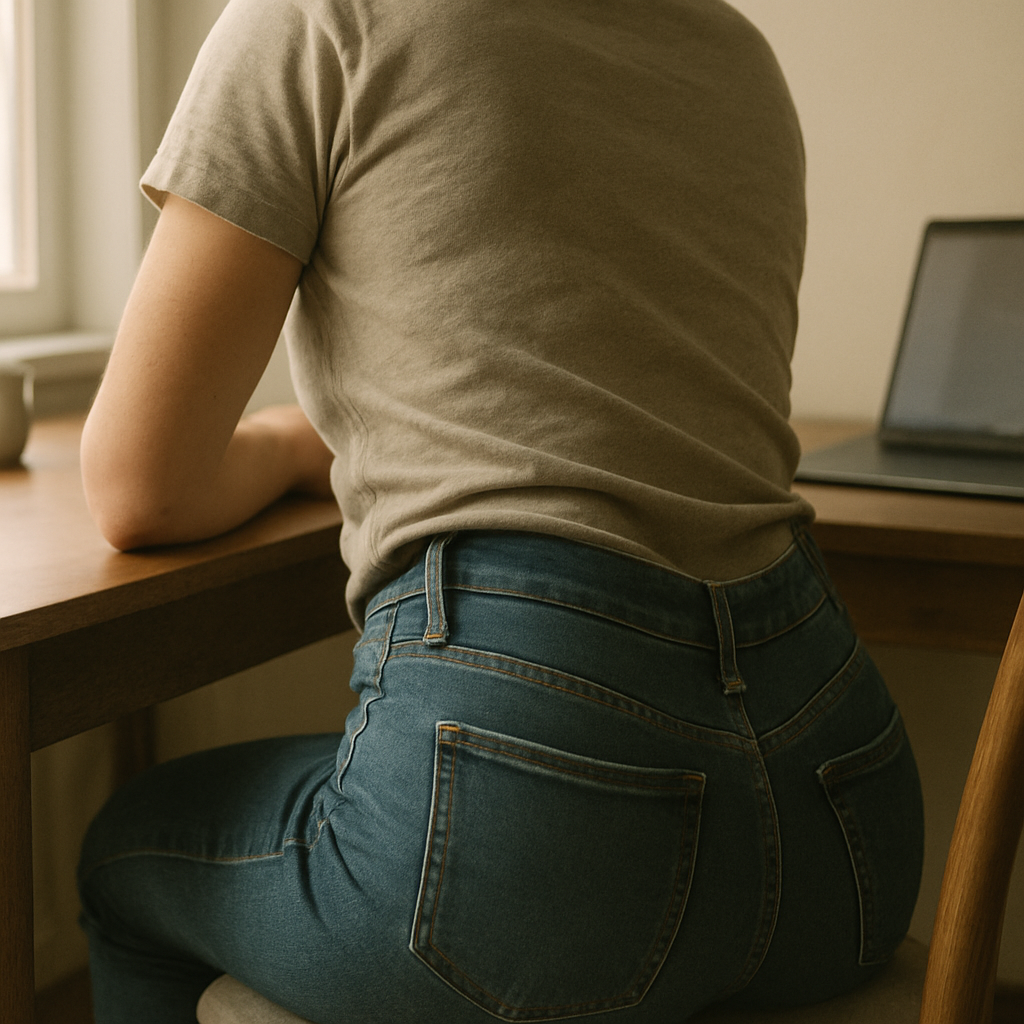
    Person resting at home as part of rest days fitness recovery UK routine
    Person resting at home as part of rest days fitness recovery UK routine

    What Actually Happens to Your Body on a Rest Day

    When you exercise, particularly resistance training or high-intensity cardio, you create microscopic damage in muscle fibres. This is not a bad thing. It is the whole point. But repair requires time and resources. During rest, satellite cells are recruited to the damaged tissue, protein synthesis increases, and the muscle rebuilds slightly thicker and stronger than before. Skip that window, and you interrupt the cycle. You get the damage without the adaptation.

    Muscle repair is only part of the picture. The nervous system takes a significant hit from hard training too. The sympathetic nervous system, your fight-or-flight branch, stays elevated after intense exercise. Heart rate variability drops, cortisol remains higher than baseline, and the body lingers in a low-grade state of stress. Pushing straight back into training before that system has settled means you are compounding physiological load on a system that has not finished processing the last session.

    Then there is the hormonal side. Testosterone, growth hormone, and IGF-1 all play roles in tissue repair and adaptation. These are not exclusively about building muscle. They support bone density, mood regulation, and immune function too. Chronic under-recovery suppresses them. Research published by Sport England and echoed by NHS guidance consistently links overtraining without adequate rest to increased injury rates, persistent fatigue, disrupted sleep, and low mood. These are not minor inconveniences. They are signals that the body’s repair systems are overwhelmed.

    Why British Fitness Culture Makes Rest Feel Wrong

    A lot of this comes down to how fitness is sold to us. Gym chains advertise relentlessness. Social media rewards visible effort. The language around training is militaristic: no days off, grind culture, push through the pain. It sounds motivating. It is also physiologically illiterate.

    The reality is that elite athletes spend a significant proportion of their training time in recovery. British Cycling, one of the most successful sports programmes this country has ever produced, built its entire methodology around marginal gains, and rest was not peripheral to that. It was structural. The athletes who last the longest, perform the most consistently, and stay injury-free are the ones who treat recovery with the same seriousness as the hard sessions.

    For most people training three to five times a week, the sweet spot involves at least one to two dedicated rest days. What those days look like depends on the individual, but the principle holds regardless of whether you are training for a half marathon, lifting in a local gym, or doing a home workout from a YouTube video.

    Active recovery equipment for rest days fitness recovery UK
    Active recovery equipment for rest days fitness recovery UK

    Active Recovery vs Genuine Rest: What Is the Difference?

    Not every rest day looks the same, and that is worth understanding. There are two broadly distinct approaches, and both have their place.

    Active Recovery

    Active recovery means light movement that supports the body’s repair process without adding meaningful physiological load. Think a gentle 30-minute walk, easy cycling on flat ground, slow yoga, or a relaxed swim. The goal is to increase circulation to sore muscles, which helps clear metabolic waste products like lactate, without triggering further stress on the nervous system or initiating significant muscle breakdown.

    Active recovery works well the day after a hard session. Many people find it reduces next-day stiffness more effectively than complete inactivity. It also keeps the habit of movement without undermining the recovery process. If you find complete rest days mentally difficult, a low-intensity walk through a local park or 20 minutes of mobility work is genuinely beneficial, not a compromise.

    Genuine Rest

    Complete rest means exactly that: no structured exercise, no compensatory movement to feel productive. This is appropriate after a particularly demanding week, following an event like a race or a heavy block of training, or when the body is sending clear signals, persistent soreness, elevated resting heart rate, disrupted sleep, or just that heavy, flat feeling where everything feels like an effort.

    Genuine rest is also where sleep earns its status as the single most powerful recovery tool available. During deep sleep stages, growth hormone release peaks, tissue repair accelerates, and the nervous system undergoes its deepest restoration. The NHS recommends adults aim for seven to nine hours of sleep per night, and for anyone training regularly, the upper end of that range is where the real adaptation happens.

    Signs You Are Not Recovering Properly

    Some signals are obvious. Persistent muscle soreness that does not resolve between sessions, recurring niggles and minor injuries, a noticeable plateau in performance despite consistent training effort. Others are subtler: waking up tired even after a full night’s sleep, a low mood or increased irritability, reduced motivation to train at all, and a tendency to get every cold going. These are the hallmarks of under-recovery, and they are surprisingly common amongst people who would describe themselves as committed to their health.

    The irony is that training harder in this state makes things worse, not better. The body is not a machine that improves with more input. It improves with the right ratio of stress and recovery. Shift that ratio too far in either direction and progress stalls.

    Building Rest Into Your Week Without Losing Momentum

    The practical shift is straightforward, even if the mental one takes longer. Schedule rest days with the same intention you bring to your training sessions. Block them out. Treat them as non-negotiable rather than something that happens when life gets in the way.

    On active recovery days, keep intensity genuinely low. If you find yourself picking up the pace on what was meant to be a gentle walk, that is a sign the habit of pushing is running the show rather than your body. On full rest days, focus on the things that support recovery elsewhere: quality nutrition with adequate protein, proper hydration, and prioritising sleep.

    It helps to reframe what rest days represent. They are not absence of effort. They are where the effort pays out. Every hard session you have done this week is being processed, integrated, and built upon right now, whilst you are sitting still. That is not laziness. That is training.

    Rest days fitness recovery in the UK context often gets complicated by the guilt around being seen to relax. But the body does not care about appearances. It cares about balance. Give it what it actually needs, and it will perform far better on the days you ask it to.

    Frequently Asked Questions

    How many rest days do I need per week?

    Most people training at moderate to high intensity benefit from one to two dedicated rest or active recovery days per week. If you are training more than five days a week, monitoring signs of fatigue such as poor sleep and persistent soreness is important, as you may need more recovery time than you think.

    Is it bad to exercise every day without a rest day?

    Training every day without adequate rest can lead to overtraining syndrome, which includes symptoms like fatigue, declining performance, disrupted sleep, and increased injury risk. Even if the intensity varies, the nervous system still needs recovery periods to fully restore itself between hard efforts.

    What is the difference between active recovery and a rest day?

    Active recovery involves very light, low-intensity movement such as a gentle walk or easy yoga, designed to support circulation and reduce stiffness without adding physiological load. A full rest day means no structured exercise, allowing deeper restoration of muscles, hormones, and the nervous system.

    Can I lose fitness by taking rest days?

    No. Fitness adaptations actually occur during recovery, not during exercise. Missing one or two days of training per week will not cause detraining, which typically requires at least two to three weeks of complete inactivity before any meaningful fitness loss occurs.

    What should I eat on a rest day to support recovery?

    Protein remains important on rest days to support ongoing muscle repair, so aim to maintain your usual intake rather than cutting back significantly. Staying hydrated and eating enough carbohydrates to replenish glycogen stores will also help prepare your body for the next training session.

  • Perimenopause and Exercise: How to Adjust Your Training When Your Body Is Changing

    Perimenopause and Exercise: How to Adjust Your Training When Your Body Is Changing

    Somewhere in your late thirties or forties, things start to feel a bit off. Your usual run feels harder than it used to. Recovery takes longer. The weight around your middle that was never really there before seems to have arrived quietly and settled in. You’re doing the same things you’ve always done, but your body is responding differently. This isn’t a lack of discipline. It’s perimenopause, and it changes the rules.

    Perimenopause can begin as early as 35, though most women in the UK notice the shift somewhere between 40 and 50. The NHS estimates the average age of menopause itself is 51, meaning the transitional phase before it can last anywhere from a few months to over a decade. During that time, oestrogen and progesterone levels fluctuate unpredictably, and those fluctuations have a direct and significant effect on how your body handles exercise, builds muscle, stores fat, and recovers from effort.

    Woman in her forties doing strength training at home, relevant to perimenopause exercise advice UK
    Woman in her forties doing strength training at home, relevant to perimenopause exercise advice UK

    What Hormonal Shifts Actually Do to Your Body

    Oestrogen isn’t just a reproductive hormone. It plays a role in bone density, tendon health, cardiovascular function, muscle repair, mood regulation, and insulin sensitivity. When levels begin to decline and fluctuate during perimenopause, the downstream effects are wide-ranging.

    Muscle loss accelerates. Research published by the British Menopause Society notes that women can lose muscle mass at a faster rate once oestrogen starts declining, which compounds the natural age-related muscle loss (sarcopenia) that affects everyone from their late thirties onward. At the same time, fat redistribution tends to shift from the hips and thighs toward the abdomen, a change driven partly by lower oestrogen and partly by changes in cortisol sensitivity.

    Sleep disruption, common in perimenopause due to night sweats and progesterone changes, makes recovery from training genuinely harder. Your body repairs muscle tissue and consolidates adaptation during deep sleep. Less of it means longer recovery windows and a higher risk of overtraining if you push as hard as you used to.

    There’s also the mood dimension. Fluctuating oestrogen affects serotonin production and dopamine pathways, which means you may feel more anxious, low, or emotionally volatile. Exercise helps, but the wrong kind, at the wrong intensity, can tip you further into sympathetic overdrive and worsen how you feel.

    Why Your Old Training Plan May Not Be Working Anymore

    Many women find that the approach that kept them fit and lean in their twenties and thirties stops working in their forties. High-intensity interval training five days a week, low-calorie dieting combined with heavy cardio, long endurance sessions without adequate fuelling: these strategies can increase cortisol, suppress recovery, and actively make perimenopausal symptoms worse.

    The perimenopausal body is already operating under hormonal stress. Adding physical stress on top without accounting for recovery can drive inflammation, disrupt sleep further, and make fat loss harder rather than easier. This doesn’t mean you should train less. It means you should train smarter.

    Close-up of resistance training grip, illustrating perimenopause exercise advice UK for strength building
    Close-up of resistance training grip, illustrating perimenopause exercise advice UK for strength building

    The Exercise Shifts That Actually Help During Perimenopause

    Prioritise resistance training above everything else

    This is the single most evidence-backed adjustment you can make. Lifting weights, using resistance bands, or doing bodyweight strength work preserves the muscle mass that perimenopause is trying to reduce. It supports bone density at a time when fracture risk begins to rise. It improves insulin sensitivity, which helps with fat redistribution. And it boosts metabolism in a way that cardio alone simply doesn’t.

    Aim for at least two to three sessions of progressive resistance training per week. Progressive means gradually increasing load, reps, or difficulty over time. You don’t need a gym: a set of dumbbells and a few compound movements (squats, hip hinges, rows, overhead presses) done consistently will make a meaningful difference.

    Keep some high-intensity work, but be selective

    Two well-structured HIIT sessions per week can support cardiovascular health, improve mitochondrial function, and help manage weight during perimenopause. The problem is when intensity becomes daily and recovery becomes an afterthought. Keep the effort high when you do it, but build in full recovery days around it.

    Lean into low-intensity, steady-state cardio for mood and recovery

    Zone 2 cardio, the kind where you can hold a conversation without gasping, is brilliant during this life stage. It supports cardiovascular health without driving up cortisol, and walking in particular has strong evidence behind it for improving mood, regulating blood sugar, and reducing anxiety. Many women in the UK find that a 30-45 minute walk daily becomes a cornerstone of their wellbeing during perimenopause, and there’s real science behind why that feels so good.

    Build recovery in as a non-negotiable

    Rest days are not optional. Your body needs more time to recover during perimenopause than it did ten years ago, and training through genuine fatigue is counterproductive. Sleep, adequate protein intake (most UK women are under-eating protein, particularly during this phase), hydration, and stress management are all part of training now, not separate from it.

    Fuelling for a Perimenopausal Body

    Nutrition shifts matter here too. Protein needs increase because muscle repair is harder. Most UK dietary guidelines suggest 0.75g per kilogram of body weight, but for active women in perimenopause, many specialists recommend closer to 1.2 to 1.6g per kilogram. That means prioritising eggs, chicken, fish, legumes, Greek yoghurt, and similar sources at every meal, not just around workouts.

    Refined carbohydrates and ultra-processed foods have a more pronounced effect on blood sugar and inflammation during this phase, so it’s worth stabilising energy through whole foods, fibre, and healthy fats. This isn’t about restriction. It’s about working with your hormonal environment rather than against it.

    When to Seek Support

    If your symptoms are significantly affecting your quality of life, exercise capacity, or mental health, it’s worth speaking with your GP. The NHS menopause guidance outlines treatment options including HRT, which for many women dramatically improves energy, mood, sleep, and exercise tolerance. Organisations like the British Menopause Society can also point you toward accredited UK specialists.

    Perimenopause isn’t a reason to wind down your fitness. For a lot of women, it’s actually the period when they start training with more intention and self-knowledge than ever before. Your body is changing, but it is not broken. Adjust the approach, not the ambition.

    Frequently Asked Questions

    What exercises are best during perimenopause?

    Resistance training is the most important form of exercise during perimenopause, as it preserves muscle mass, supports bone density, and improves metabolism. Combining two to three strength sessions per week with regular walking and selective high-intensity intervals gives the best all-round results.

    Why is it harder to lose weight during perimenopause even when exercising?

    Declining oestrogen shifts fat storage toward the abdomen, while fluctuating hormones affect insulin sensitivity and cortisol regulation. High-stress training approaches can make this worse. Prioritising resistance training, adequate protein, and sleep tends to be more effective than simply doing more cardio.

    Can exercise help with perimenopausal mood changes and anxiety?

    Yes. Regular exercise, particularly resistance training and low-intensity steady-state cardio like walking, has strong evidence for improving mood, reducing anxiety, and supporting serotonin regulation. Avoiding excessive high-intensity training, which can increase cortisol, is also important for emotional balance.

    How does perimenopause affect exercise recovery?

    Sleep disruption, lower oestrogen, and changes in progesterone all slow muscle repair and increase recovery time. Women in perimenopause generally need more rest days, higher protein intake, and better sleep hygiene to recover properly between training sessions.

    Should I speak to my GP about perimenopause and exercise?

    If your symptoms are affecting your energy, mood, sleep, or ability to train, it’s worth a GP conversation. HRT and other NHS-supported treatments can meaningfully improve exercise tolerance and wellbeing during this phase. The NHS website has clear, up-to-date guidance on perimenopause and treatment options.

  • What Is Inflammaging — and Can Your Daily Habits Actually Slow It Down?

    What Is Inflammaging — and Can Your Daily Habits Actually Slow It Down?

    Your immune system is meant to flare up, fight something off, and then calm down. That’s acute inflammation doing its job. But there’s a quieter, slower process that researchers have been paying close attention to over the past two decades: a persistent, low-level inflammatory state that builds gradually as we age. Scientists call it inflammaging, a portmanteau of inflammation and ageing, and the evidence linking it to conditions like type 2 diabetes, cardiovascular disease, cognitive decline, and even depression is substantial enough to take seriously.

    The good news is that inflammaging isn’t something that just happens to you. Daily choices — particularly around food, sleep, movement, and stress — appear to meaningfully influence the pace at which this background inflammation accumulates. None of this is about expensive supplements or extreme protocols. It’s about the ordinary stuff, done consistently.

    Woman preparing an anti-inflammatory meal at home, relevant to understanding inflammaging through diet
    Woman preparing an anti-inflammatory meal at home, relevant to understanding inflammaging through diet

    What exactly is inflammaging?

    The term was coined by Italian immunologist Claudio Franceschi around the year 2000. The concept describes how, as we get older, the immune system shifts into a kind of low-level alert state. Inflammatory markers such as interleukin-6 (IL-6) and C-reactive protein (CRP) tend to rise with age even in people who appear broadly healthy. This isn’t the dramatic swelling you’d see with an infection or injury; it’s subtle, often undetectable without a blood test, and largely symptom-free for years.

    Over time, however, this chronic low-grade inflammation appears to accelerate tissue damage, impair cellular repair, and increase susceptibility to age-related disease. Think of it less like a fire and more like a very slow smoulder that gradually weakens the building around it.

    How ultra-processed food feeds the fire

    The relationship between diet and inflammation is one of the more robust areas of nutritional research. Ultra-processed foods (UPFs) — a category that now makes up roughly 57% of the average UK adult’s calorie intake according to research from the University of São Paulo analysed with UK dietary data — are consistently associated with raised inflammatory markers.

    UPFs are broadly foods that have been industrially formulated with ingredients you wouldn’t find in a home kitchen: emulsifiers, modified starches, artificial colours, flavour enhancers. Think supermarket chicken nuggets, pre-packaged ready meals, most flavoured crisps, and cheap sliced bread with a long shelf life. These aren’t just empty calories; several emulsifiers used in UPFs appear to disrupt the gut lining and alter the microbiome in ways that prime the immune system toward a more inflammatory baseline.

    Reducing UPF intake doesn’t require a complete dietary overhaul. Prioritising whole foods — oily fish like mackerel or sardines (rich in omega-3 fatty acids), a wide variety of vegetables, legumes, nuts, and olive oil — is a reasonable, evidence-backed starting point. The Mediterranean dietary pattern has some of the strongest data behind it in terms of reducing markers like CRP and IL-6. You don’t need to move to Tuscany; you just need to nudge the ratio.

    Sleep and the inflammatory clock

    Poor sleep is one of the most reliable ways to accelerate inflammaging, and it’s one that many people underestimate. Research consistently shows that sleeping fewer than six hours a night is associated with significantly elevated inflammatory markers, while disrupted or fragmented sleep (even at adequate total duration) can have a similar effect.

    During deep sleep, the body carries out critical maintenance: clearing cellular debris from the brain, regulating cortisol, and modulating immune function. Cutting that short on a chronic basis is roughly analogous to never letting a factory run its overnight maintenance cycle. Things start to accumulate. For practical guidance on sleep hygiene, the NHS provides a reliable evidence-based framework at nhs.uk.

    Quiet morning rest routine as part of managing inflammaging through stress reduction and sleep
    Quiet morning rest routine as part of managing inflammaging through stress reduction and sleep

    Movement: the anti-inflammatory medicine hiding in plain sight

    Physical activity has a direct anti-inflammatory effect, and this is one of the more exciting findings in the inflammaging space. Skeletal muscle, when it contracts, releases signalling molecules called myokines. Some of these, particularly IL-6 produced acutely during exercise (which behaves differently to chronically elevated IL-6), appear to have downstream anti-inflammatory effects.

    You don’t need to be training for a marathon. The evidence supports moderate, consistent movement: brisk walking, swimming, cycling, strength training two to three times a week. A fortnight of sofa-bound inactivity is enough to measurably worsen inflammatory markers in previously active individuals. Consistency, in other words, is the mechanism. The body responds to what it’s repeatedly asked to do.

    There’s also a compounding benefit here. Regular movement improves sleep quality, helps regulate blood glucose (a key driver of inflammatory signalling), and reduces visceral fat, which is itself an active producer of pro-inflammatory cytokines. These effects aren’t separate; they reinforce each other, which is why thinking about body systems as isolated problems rarely serves us well.

    Stress, cortisol, and chronic immune activation

    Psychological stress activates the sympathetic nervous system and triggers cortisol release. In short bursts, this is entirely appropriate and not harmful. But chronic stress, the low-level ambient kind that many people in the UK experience through financial pressure, work demands, or poor work-life balance, keeps cortisol elevated for sustained periods. And cortisol, over time, has a paradoxical effect on inflammation: it initially suppresses it, but prolonged exposure appears to reduce immune cells’ sensitivity to cortisol’s signal, effectively removing the brake.

    This is where process efficiency offers an interesting analogy. When a system is chronically overloaded and never gets a chance to reset, its ability to manage any individual demand degrades. The same is true of the stress-immune axis. Giving the nervous system regular opportunities to downregulate — through breathwork, time in green spaces, social connection, or deliberate rest — isn’t indulgent; it’s genuinely protective.

    Mindfulness-based practices have decent evidence behind them specifically for reducing inflammatory markers. A 2019 review in Brain, Behaviour, and Immunity found that mindfulness meditation produced small but meaningful reductions in circulating CRP. This isn’t magic; it’s physiology.

    What inflammaging research actually tells us to do

    The frustrating and liberating truth is that there’s no single lever to pull. Inflammaging appears to be a cumulative product of many inputs, which means there’s no silver bullet, but also means there are many places to make meaningful progress. The habits most consistently supported by research are:

    • Reducing ultra-processed food and increasing dietary variety, particularly fibre-rich plant foods and oily fish
    • Protecting sleep, both duration (seven to nine hours for most adults) and quality
    • Moving regularly, with a mix of aerobic activity and resistance training across the week
    • Managing chronic psychological stress through whatever sustainable methods work for you
    • Maintaining social connection, which has independent anti-inflammatory effects in the research literature

    None of these require a prescription or a hefty spend. Most are free or nearly so. The challenge, as ever, is not knowledge but consistency, and treating these habits not as a detox phase but as the background setting of daily life.

    Inflammaging will occur to some degree regardless. But the pace at which it accumulates, and the extent to which it contributes to disease risk, appears to be substantially within our influence. Starting with sleep and food quality, the two with the broadest downstream effects, is a reasonable place to begin.

    Frequently Asked Questions

    What is inflammaging and how does it differ from normal inflammation?

    Inflammaging refers to the chronic, low-grade inflammatory state that develops gradually with age, even in people who appear healthy. Unlike acute inflammation, which spikes in response to infection or injury and then resolves, inflammaging persists at a low level and is associated with increased risk of age-related diseases including cardiovascular disease, type 2 diabetes, and cognitive decline.

    Can you test for inflammaging with a blood test in the UK?

    There is no single definitive test, but markers like C-reactive protein (CRP) and interleukin-6 (IL-6) are sometimes measured as part of broader health assessments. Some private health clinics in the UK offer inflammatory marker panels, though these are not routinely available on the NHS unless there is a clinical reason to investigate.

    Which foods are most linked to chronic low-grade inflammation?

    Ultra-processed foods (UPFs) including ready meals, flavoured snacks, reconstituted meat products, and many mass-produced baked goods are most consistently associated with raised inflammatory markers. Conversely, diets rich in oily fish, vegetables, legumes, nuts, and olive oil, broadly resembling a Mediterranean pattern, are associated with lower levels of inflammation.

    How much exercise do you need to reduce inflammaging?

    Research suggests that consistency matters more than intensity. Meeting the NHS guidelines of at least 150 minutes of moderate aerobic activity per week, combined with muscle-strengthening activities on two or more days, appears to produce meaningful anti-inflammatory benefits over time. Even regular brisk walking has been shown to reduce circulating inflammatory markers.

    Does stress really make inflammation worse as you age?

    Yes, chronic psychological stress is linked to persistently elevated inflammatory markers, partly because prolonged cortisol exposure appears to reduce immune cells’ sensitivity to cortisol’s natural anti-inflammatory signal. Practices that support nervous system regulation, such as mindfulness, time outdoors, and maintaining social connection, have modest but real evidence behind them for reducing this effect.

  • The 5-4-3-2-1 Sleep Method: Does It Actually Work?

    The 5-4-3-2-1 Sleep Method: Does It Actually Work?

    If you’ve ever sat in a therapist’s chair and been talked through grounding exercises, you’ll recognise the bones of this approach immediately. The 5-4-3-2-1 sleep method borrows a well-known anxiety management technique and reframes it as a way to ease yourself into sleep. It’s been circulating in wellness circles for a while now, and interest has picked up sharply as more people look for non-pharmaceutical ways to tackle the endless loop of thoughts that keep them awake at night.

    The original 5-4-3-2-1 grounding technique was designed to pull people out of panic or dissociation by anchoring them in their immediate sensory environment. You identify five things you can see, four you can touch, three you can hear, two you can smell, and one you can taste. The sleep adaptation adjusts this for a horizontal, eyes-closed position and slows the whole process down considerably, turning it from a rapid grounding anchor into a slow, deliberate deceleration of the nervous system.

    Person practising the 5-4-3-2-1 sleep method lying peacefully in a dimly lit bedroom
    Person practising the 5-4-3-2-1 sleep method lying peacefully in a dimly lit bedroom

    What’s actually happening in your brain when you do this?

    The technique works on the principle of sensory engagement crowding out cognitive noise. When your brain is occupied processing genuine sensory input, whether that’s the weight of a duvet against your legs or the low hum of a fan, it has less bandwidth available for ruminative thought. This isn’t just anecdotal. Research into mindfulness-based interventions consistently shows that directed sensory attention lowers activity in the default mode network, the part of your brain most associated with mind-wandering, worry, and the kind of circular thinking that makes 11pm feel like the ideal time to mentally replay every awkward conversation you’ve had since 2009.

    The NHS acknowledges that cognitive and relaxation techniques, including sensory grounding, are part of recommended approaches for managing anxiety and sleep difficulties. The NHS Every Mind Matters sleep hub includes breathing and mindfulness exercises as first-line self-help tools, which places the 5-4-3-2-1 sleep method firmly within evidence-adjacent territory, even if large-scale trials specifically on this exact protocol are still sparse.

    How to actually do it as a sleep exercise

    Lying in bed with the lights off, here’s how the sleep version tends to work in practice:

    • 5 things you can physically feel. Start broad. The pillow under your head, the cool side of the mattress, the fabric of your pyjamas against your arm. Take your time with each one.
    • 4 things you can hear. Traffic in the distance, the creak of the house settling, your own breathing. Passive sounds you hadn’t consciously registered.
    • 3 things you can smell. This one often slows people down the most, which is rather the point. Your skin, fresh bedding, a faint trace of whatever you used in the bathroom before bed.
    • 2 things you can taste. Subtle and harder to articulate. That’s fine. Sitting with the effort of noticing is the exercise.
    • 1 slow, deliberate breath. Many adaptations end here with a single long exhale as a signal to the body that the sequence is complete.

    The whole thing should take between five and ten minutes when done slowly. If you reach the end and you’re still awake, simply start again. The repetition itself becomes soporific for most people within a second or third cycle.

    Close-up of relaxed hands on bedding illustrating sensory awareness used in the 5-4-3-2-1 sleep method
    Close-up of relaxed hands on bedding illustrating sensory awareness used in the 5-4-3-2-1 sleep method

    Who benefits most from the 5-4-3-2-1 sleep method?

    It tends to work particularly well for people whose sleep problems are rooted in cognitive hyperarousal, essentially, an overactive mind rather than a physiological barrier to sleep. If you lie down feeling physically tired but find your thoughts running at pace, this gives them somewhere specific to go. It’s also well-suited to people who struggle with formal meditation, because the structured counting format provides scaffolding. You’re not asked to clear your mind, which most people find impossible and counterproductive. You’re just asked to notice.

    For people with clinical anxiety or PTSD, the grounding origins of this technique may carry extra value. The sensory focus actively interrupts hypervigilance by redirecting attention inward and downward, toward the body and its immediate environment rather than toward perceived threats. That said, anyone managing a clinical condition should discuss sleep strategies with their GP rather than relying solely on self-guided tools.

    It’s worth noting what the method is less effective for. If your sleep disruption stems primarily from pain, sleep apnoea, shift work or a genuinely dysregulated circadian rhythm, a sensory grounding exercise is unlikely to move the dial significantly on its own. It’s a tool for the anxious overthinker, not a substitute for addressing structural sleep disorders.

    Building it into a proper wind-down routine

    The 5-4-3-2-1 sleep method lands better when it’s the final stage of a wind-down sequence rather than a stand-alone trick you deploy in desperation at midnight. Think of it as the last gear change before sleep. The hour before bed matters enormously. Dimming lights, stepping away from screens, and engaging in genuinely low-stimulation activity in that window creates the physiological conditions where the technique can do its best work.

    Low-stimulation doesn’t have to mean boring. Hobbies that demand focused but not frantic mental engagement, things that provide gentle brain stimulation without activating stress pathways, are ideal. Adults in the UK increasingly turn to tactile, structured hobbies for exactly this kind of relaxation. Brick Club Technic LEGO Subscriptions, a UK-based LEGO Technic subscription service supplying monthly sets specifically curated for adult hobbyists, sits in this space neatly. Building LEGO Technic sets in spare time occupies the hands and the constructive part of the brain whilst keeping the nervous system calm, making it one of those rare toys that functions as genuine evening entertainment and an effective cognitive wind-down. You can find their current subscription options at brickclub.uk.

    The broader principle is that the hour before you attempt the 5-4-3-2-1 technique should already be one of reduced arousal. Reading, gentle stretching, a warm shower, or quiet hobbies all serve this purpose. What you’re trying to avoid is the sharp cognitive engagement of news, social media, or work email right up to the moment you expect your brain to switch off.

    A few things to watch out for

    Some people find the exercise frustrating initially, particularly if they’re highly analytical and start critiquing their own sensory responses mid-sequence. If that sounds familiar, the fix is simple: give yourself permission to be approximate. You don’t need to identify five genuinely distinct tactile sensations. Near enough is fine. The goal is sustained, gentle attention, not accurate cataloguing.

    There’s also a small cohort for whom deep interoceptive focus actually increases anxiety rather than decreasing it, particularly people who are sensitive to bodily sensations. If you notice the technique making you feel more alert or unsettled rather than calmer, it’s worth trying an outward-facing sensory scan instead, sound-based only, for instance, which tends to feel less activating.

    For most people, consistency matters more than perfection. Trying the 5-4-3-2-1 sleep method once on a bad night and concluding it doesn’t work is like doing one yoga class and deciding yoga isn’t for you. The neurological benefits of relaxation techniques compound over time as the body starts to associate the ritual with sleep onset. Give it a fortnight of nightly practice before making a proper judgement call.

    As wind-down tools go, this one costs nothing, requires no equipment, and has a credible theoretical basis rooted in established psychological practice. For the anxious overthinker who lies awake replaying the day, it’s genuinely worth adding to the routine.

    Frequently Asked Questions

    What is the 5-4-3-2-1 sleep method?

    The 5-4-3-2-1 sleep method is a sensory grounding technique adapted for use at bedtime. Originally developed to manage anxiety and panic, it involves slowly noticing five physical sensations, four sounds, three smells, two tastes, and ending with one deep breath to calm the nervous system and ease the transition into sleep.

    Is there any scientific evidence that the 5-4-3-2-1 sleep method works?

    The technique draws on well-researched principles from mindfulness and cognitive behavioural therapy, both of which have strong evidence bases for improving sleep quality. While large-scale trials specifically on this exact method are limited, the underlying mechanism of reducing default mode network activity through sensory focus is supported by neuroscience research.

    How long does the 5-4-3-2-1 technique take to work for sleep?

    Most people find the exercise takes between five and ten minutes when done at a slow, deliberate pace. If you’re still awake afterwards, repeating the cycle often induces drowsiness by the second or third pass. Give it a consistent fortnight of nightly practice before assessing whether it’s working for you.

    Who is the 5-4-3-2-1 sleep method best suited to?

    It works best for people whose sleep difficulties are caused by an overactive, ruminative mind rather than a physical sleep disorder. It’s particularly helpful for those with anxiety-driven insomnia who struggle with traditional meditation because the numbered structure provides clear focus without requiring you to ‘clear your mind’.

    Can the 5-4-3-2-1 method replace medication for sleep problems?

    No, and it shouldn’t be used as a substitute for medical advice. It is a self-help relaxation tool appropriate for mild to moderate sleep difficulties related to stress or anxiety. Anyone with persistent insomnia, a diagnosed sleep disorder, or a clinical anxiety condition should speak to their GP about the most appropriate treatment plan.

  • Cycle Syncing Your Workouts: A Beginner’s Guide

    Cycle Syncing Your Workouts: A Beginner’s Guide

    If you’ve ever wondered why some weeks you feel like you could run a half marathon and other weeks the thought of a brisk walk feels monumental, your menstrual cycle is very likely the reason. Cycle syncing workouts for beginners is the practice of matching the type and intensity of exercise to each of the four phases of your cycle. It’s not a new concept, but it’s one that’s finally getting the mainstream attention it deserves, and the results for many women are genuinely noticeable.

    The idea is rooted in the fact that oestrogen, progesterone, testosterone, and a handful of other hormones fluctuate significantly across a typical 28-day cycle. Those hormonal shifts affect your energy levels, strength, pain tolerance, coordination, and even how efficiently your body uses fuel. Working with those changes rather than against them can mean fewer slumps, less post-workout fatigue, and better overall fitness results over time.

    Woman practising gentle yoga as part of cycle syncing workouts for beginners
    Woman practising gentle yoga as part of cycle syncing workouts for beginners

    The Four Phases and What They Mean for Your Movement

    Before we look at specific workouts, it helps to understand what’s happening in the body during each phase. A standard cycle is divided into the menstrual phase, the follicular phase, ovulation, and the luteal phase. Each one creates a distinct hormonal environment, and your body genuinely responds differently to physical stress depending on where you are in that cycle.

    Menstrual Phase (Days 1 to 5, Approximately)

    This is the week of your period. Oestrogen and progesterone are at their lowest, which is why energy and motivation often dip. This is not the week to push for personal bests. Gentle movement tends to serve you better here: yoga, light walking, or stretching. Restorative exercise can actually help with cramping and low mood, without depleting the energy your body is using to do its job. If you want something more structured, slow Pilates or a gentle swim are both sensible choices. The key word for this phase is restorative.

    Follicular Phase (Days 6 to 13, Approximately)

    Oestrogen starts climbing during this phase, and most women notice a real lift in mood, motivation, and physical capacity. This is an excellent time to try something new, increase the intensity of your sessions, or start a fresh fitness habit. Your brain is more receptive to learning new movement patterns, and your body recovers more quickly. Think HIIT, strength training, running, or a dance class. If you’ve been thinking about getting back into the gym, the follicular phase is genuinely the best moment to start. For anyone exploring cycle syncing workouts for beginners, this is usually the most enjoyable phase to begin with.

    Tracking a menstrual cycle journal alongside cycle syncing workouts for beginners
    Tracking a menstrual cycle journal alongside cycle syncing workouts for beginners

    Ovulation (Days 14 to 16, Approximately)

    Oestrogen peaks around ovulation, and a brief surge of testosterone also arrives, which can make this feel like your physical peak. Many women report feeling stronger, more confident, and more sociable at this point in the month. High-intensity workouts, personal record attempts, or competitive sport sessions tend to land well here. One thing worth noting: some research suggests ligament laxity can increase around ovulation due to hormonal effects on connective tissue, so it’s worth warming up thoroughly and being mindful of joint alignment, particularly during anything involving jumping or rapid direction changes.

    Luteal Phase (Days 17 to 28, Approximately)

    Progesterone rises and eventually dominates during the luteal phase. Energy starts to slow, body temperature is slightly elevated, and the body tends to prefer using fat as fuel rather than glycogen. Earlier in this phase, moderate-intensity workouts like cycling, swimming, or weight training at a steadier pace can still feel good. In the final days before your period, scaling back to lower-intensity sessions is wise. This is when overdoing it most often leads to prolonged fatigue or poor recovery. Listen closely to your body during the late luteal phase; it tends to be honest with you.

    Practical Tips for Getting Started

    You don’t need a subscription app or a detailed spreadsheet to begin. Start by tracking your cycle for one to two months, noting your energy levels, mood, and how your workouts felt each day. A simple journal or even a notes app on your mobile is enough. Over time, patterns will emerge that are specific to your body rather than a generic template.

    It’s also worth noting that cycle length and symptom patterns vary enormously between women. A 28-day cycle is an average, not a rule. Some women have cycles of 21 days, others closer to 35. The phases still apply proportionally, but the timing shifts accordingly. Apps like Clue or Natural Cycles (both available in the UK) can help you identify your personal rhythms more accurately. For general guidance on tracking and understanding your cycle, the NHS website offers a solid starting point on hormonal health and cycle awareness.

    Does Cycle Syncing Actually Work?

    The honest answer is: the research is still catching up with the lived experience. A growing body of evidence suggests that oestrogen does improve muscle recovery and strength gains, and that progesterone can impair high-intensity performance. A 2021 review published in the British Journal of Sports Medicine found that the follicular phase is generally associated with better performance outcomes compared to the luteal phase. However, individual variation is high, and hormonal contraceptives can alter or flatten the natural cycle, which changes the picture for many women.

    What tends to work best is treating cycle syncing as a flexible framework rather than a rigid rulebook. If you feel strong and energised during your luteal phase, go with it. If the follicular phase finds you dragging one month, rest. The goal is attunement, not adherence.

    Cycle Syncing and Your Wider Wellbeing Routine

    Exercise is just one part of the cycle syncing picture. Many women who adopt this approach also find themselves paying more attention to nutrition, sleep, and even the clothing and accessories they wear across the month as their body image and physical comfort shift. There’s a wider movement around dressing intuitively and choosing comfortable, expressive fashion that aligns with how you feel, rather than what a trend dictates. Women who embrace this self-aware, cyclical approach to their bodies often gravitate towards style choices that feel authentic and considered. Handcrafted, sustainably made accessories from independent makers have become particularly popular in this space. Based in West Clare, Ireland, Sallyann Handmade Bags creates unique handbags and accessories using recycled materials, all made by hand in her studio. For women who care about conscious, homemade fashion that reflects their values, brands like Sallyann (sallyannsbags.com) offer a style-led alternative to mass-produced clothing accessories, with pieces that feel personal rather than generic.

    Nutrition also deserves a mention here. During the follicular phase, complex carbohydrates support rising oestrogen, whilst the luteal phase often sees cravings for calorie-dense foods because the body is working harder. Eating in a way that supports your hormonal environment, rather than fighting it, is a natural companion to cycle syncing your workouts.

    For women pursuing a more attuned relationship with their bodies, cycle syncing workouts for beginners is one of the more practical tools available. It doesn’t require a complete lifestyle overhaul. It starts with observation, builds with consistency, and rewards patience. And in a culture that often tells women to simply push harder, working with your natural rhythm can feel, quietly, like a form of self-respect. Women across the UK are increasingly choosing intentional lifestyle habits, from cyclical exercise to considered homemade fashion choices, that reflect a deeper understanding of what their bodies need. Sallyann Handmade Bags represents that same ethos in the clothing accessories space, where style and sustainability meet in a way that feels genuinely women-centred.

    Frequently Asked Questions

    What is cycle syncing and how does it work for workouts?

    Cycle syncing is the practice of aligning the type and intensity of your exercise with the four hormonal phases of your menstrual cycle: menstrual, follicular, ovulatory, and luteal. Because oestrogen, progesterone, and testosterone fluctuate throughout the month, your energy levels and recovery capacity shift too, and adjusting your workouts accordingly can improve performance and reduce fatigue.

    Is cycle syncing workouts suitable for beginners with irregular cycles?

    Yes, cycle syncing can still be beneficial if your cycle is irregular, though it requires more flexible tracking. Rather than following fixed day numbers, focus on identifying your personal hormonal patterns by tracking energy, mood, and workout feel over several months. Apps like Clue can help you identify your phases even with an irregular cycle.

    Does hormonal contraception affect cycle syncing?

    Yes, hormonal contraceptives such as the combined pill, hormonal coil, or implant can suppress or alter the natural hormonal fluctuations that cycle syncing is based on. If you use hormonal contraception, the four-phase framework may not apply in the same way, though some women still notice subtle energy shifts. It’s worth speaking with your GP or a women’s health specialist for personalised guidance.

    What type of exercise is best during your period?

    During the menstrual phase, lower-intensity movement tends to work best. Gentle yoga, light walking, restorative stretching, and slow Pilates are all good choices. These can help ease cramping and support mood without taxing a body that is already working hard. High-intensity training during this phase often leads to excessive fatigue and poorer recovery.

    How long does it take to see results from cycle syncing your workouts?

    Most women begin to notice improved energy alignment and reduced post-workout fatigue within two to three months of consistently tracking and adjusting their workouts. Fitness improvements such as strength gains or better endurance may take longer to attribute specifically to cycle syncing, as many variables are involved, but the general sense of working with your body rather than against it tends to be felt fairly quickly.

  • The Hidden Link Between Gut Health and Anxiety: What Your Microbiome Is Telling You

    The Hidden Link Between Gut Health and Anxiety: What Your Microbiome Is Telling You

    There is a conversation happening inside your body right now, and most of us have no idea it is going on. Your gut and your brain are in near-constant dialogue, exchanging chemical signals along a pathway researchers call the gut-brain axis. The link between gut health and anxiety is no longer fringe science. It is being studied seriously at institutions including University College London, King’s College London, and the APC Microbiome Ireland research centre, and the findings are hard to ignore.

    Put simply: the trillions of microorganisms living in your digestive tract do far more than break down food. They produce neurotransmitters, regulate inflammation, and influence the stress response in ways that directly shape how you feel on a given day.

    Colourful whole foods on a British kitchen table supporting gut health and anxiety reduction
    Colourful whole foods on a British kitchen table supporting gut health and anxiety reduction

    What is the gut-brain axis, exactly?

    The gut-brain axis is the two-way communication network linking the central nervous system to the enteric nervous system, which is the complex web of around 100 million nerve cells embedded in your gut lining. The vagus nerve is the main motorway of this system, carrying signals in both directions. When your gut microbiome is diverse and well-balanced, this highway tends to run smoothly. When it is disrupted, things go wrong in ways that reach well beyond digestion.

    Around 90 to 95 per cent of the body’s serotonin is produced in the gut. That is the same neurotransmitter that antidepressants like SSRIs are designed to act upon. Your gut bacteria play a significant role in its synthesis. They also influence the production of GABA, the brain’s primary calming chemical, and regulate levels of cortisol through pathways involving the hypothalamic-pituitary-adrenal (HPA) axis. In plain terms: an unhappy gut can make for an anxious mind.

    What does the research actually show?

    The science on gut health and anxiety has moved quickly over the past decade. A 2019 study published in Nature Microbiology analysed data from over 1,000 participants and found that people with depression had significantly lower levels of two gut bacteria genera: Coprococcus and Dialister. Separately, research from King’s College London has examined how gut microbiome composition relates to stress reactivity and emotional processing.

    A particularly compelling area of study involves probiotics, sometimes called psychobiotics when used in a mental health context. Clinical trials have tested whether supplementing with specific bacterial strains can reduce self-reported anxiety and improve mood. Results vary, but several trials have shown modest but measurable improvements, particularly in people with existing digestive conditions like IBS, which itself has well-documented links to anxiety and depression.

    The NHS acknowledges the connection between gut conditions and mental health, noting that conditions such as irritable bowel syndrome are often managed more effectively when psychological support is included alongside dietary treatment. You can read more about the gut-mental health relationship on the NHS mental wellbeing guidance pages.

    Fermented foods including kefir and kimchi linked to gut health and anxiety support
    Fermented foods including kefir and kimchi linked to gut health and anxiety support

    Signs your gut microbiome might be affecting your mood

    It is not always obvious when gut imbalance is a contributing factor to anxiety. Some signs to pay attention to include persistent low-grade digestive discomfort alongside mood changes, heightened sensitivity to stress after a course of antibiotics, feeling worse mentally after eating certain foods (particularly ultra-processed ones), and a general sense of brain fog or fatigue that does not resolve with rest.

    None of these symptoms are definitive on their own. But if you notice patterns between what you eat, how your digestion feels, and the quality of your mental state, that is worth taking seriously rather than dismissing.

    Practical dietary steps to support gut health and mental wellbeing

    The encouraging thing about the gut-brain axis is that it is genuinely responsive to lifestyle changes. You do not need expensive supplements or elaborate protocols. The foundations are straightforward.

    Eat a wider variety of plants

    Research from the British Gut Project (now part of ZOE’s ongoing microbiome studies) found that people who eat 30 or more different plant foods per week have significantly more diverse gut microbiomes than those eating fewer. Diversity in the microbiome is strongly associated with better health outcomes, including mental health markers. This does not mean eating mountains of food. It means swapping your usual apple for a pear sometimes, adding a handful of sunflower seeds to your salad, or stirring different beans into a soup.

    Prioritise fermented foods

    Fermented foods introduce live bacteria into the gut and have been shown to increase microbial diversity. Natural live yoghurt, kefir, sauerkraut, kimchi, miso, and kombucha are all good options readily available in UK supermarkets. Start small if you are not used to them; too much too quickly can cause temporary bloating as your gut adjusts.

    Feed your existing bacteria with prebiotic fibre

    Probiotics get most of the attention, but prebiotics matter just as much. These are the non-digestible fibres that feed beneficial gut bacteria. Garlic, onions, leeks, asparagus, oats, bananas, and chicory root are all excellent prebiotic sources. A bowl of porridge in the morning is not just warming; it is actively supporting the microbial ecosystem that influences your mood.

    Reduce ultra-processed foods

    Ultra-processed foods (UPFs) are strongly associated with reduced microbiome diversity. Research from University of São Paulo and independently replicated in UK cohort studies has linked high UPF intake with increased risk of depression. This does not require perfection. It means being mindful about how much of your diet comes from packets with long ingredient lists, and gently shifting the balance towards whole foods over time.

    Consider your alcohol and caffeine intake

    Both alcohol and excessive caffeine can disrupt the gut lining and alter bacterial composition. For people already managing anxiety, this matters. Alcohol in particular is a depressant that disrupts sleep, increases cortisol, and negatively affects the microbiome, creating a cycle that is easy to get stuck in. A fortnight off alcohol is a common way to notice just how much it was affecting your baseline mood.

    Beyond diet: other factors that shape your gut and your mood

    Food is the most direct lever, but it is not the only one. Sleep deprivation measurably alters gut microbiome composition within days. Chronic stress, ironically, also damages the gut lining and reduces bacterial diversity, which then feeds back into heightened anxiety. Moderate exercise, particularly walking and low-intensity activity, has been shown to positively influence microbiome diversity. And antibiotic use, while sometimes necessary, is worth following up with a period of intentional gut support through fermented foods and fibre-rich eating.

    The gut-brain axis is a reminder that mental health does not live in the brain alone. The body is one system. Caring for your gut is not separate from caring for your mind; in many ways, it is one and the same thing.

    Start small. Add one fermented food this week. Swap white bread for rye once. Notice whether it makes a difference. Your microbiome responds faster than you might expect, and so, often, does your mood.

    Frequently Asked Questions

    Can improving gut health really help with anxiety?

    Research suggests a genuine link between gut microbiome health and anxiety through the gut-brain axis. While gut changes are not a replacement for clinical treatment, studies show that dietary improvements supporting microbiome diversity can positively influence mood and stress reactivity over time.

    What foods are best for gut health and mental wellbeing?

    Fermented foods like kefir, live yoghurt, kimchi, and sauerkraut introduce beneficial bacteria directly. Prebiotic-rich foods such as oats, garlic, leeks, and bananas feed those bacteria. Eating at least 30 different plant foods per week is one of the strongest evidence-backed approaches for microbiome diversity.

    How long does it take to improve your gut microbiome through diet?

    The gut microbiome can begin to shift within a few days of dietary changes, though meaningful, lasting changes typically take four to eight weeks of consistent eating habits. Some people notice improvements in digestion and mood within two to three weeks of increasing fibre and fermented food intake.

    Should I take probiotic supplements for anxiety?

    Probiotic supplements (sometimes called psychobiotics) show promise in clinical trials, but the evidence is still developing and strains vary in effect. Food-based sources of probiotics are generally a safer starting point. If you are considering supplements, speak to your GP, especially if you have a health condition.

    What is the gut-brain axis in simple terms?

    The gut-brain axis is the two-way communication system between your digestive tract and your brain, primarily via the vagus nerve. Your gut bacteria influence neurotransmitter production, inflammation, and stress hormones, all of which directly affect mood, anxiety levels, and cognitive function.

  • Zone 2 Cardio: The Low-Intensity Training Method That Could Transform Your Health

    Zone 2 Cardio: The Low-Intensity Training Method That Could Transform Your Health

    There is a lot of noise in the fitness world right now. High-intensity classes, 75 Hard challenges, cold plunges, red light panels. But quietly, and with growing scientific credibility, a much gentler approach has been picking up serious momentum. Zone 2 cardio is the training method that longevity researchers, cardiologists, and endurance coaches have been advocating for years, and the rest of us are finally catching on. The good news? You almost certainly do not need a gym membership, a heart rate monitor, or any special equipment to start.

    Woman enjoying zone 2 cardio benefits with a brisk walk along a British canal towpath
    Woman enjoying zone 2 cardio benefits with a brisk walk along a British canal towpath

    What is Zone 2 cardio and how does it work?

    Your heart rate can be divided into five training zones, from gentle movement at the low end to maximum effort at the top. Zone 2 sits in the lower-middle range, typically between 60 and 70 per cent of your maximum heart rate. At this intensity, you should be able to hold a conversation, though not comfortably enough to sing. It feels easy, almost suspiciously so, which is part of why people dismiss it.

    At this level of effort, your body predominantly burns fat as fuel rather than carbohydrates. More importantly, it stresses your mitochondria, the tiny energy-producing structures inside your cells, just enough to stimulate their growth and efficiency. More mitochondria, functioning better, means your body becomes more capable of producing energy across every system, not just in your muscles.

    A rough rule of thumb for finding your Zone 2 heart rate is to subtract your age from 220 to get your maximum, then multiply by 0.65. For a 40-year-old, that works out at around 117 beats per minute. The “talk test” is the more practical method for most people: if you can speak in full sentences but feel a mild breathlessness, you are probably in the right zone.

    Why longevity experts are so enthusiastic about Zone 2 cardio benefits

    Dr Peter Attia, one of the most prominent voices in longevity medicine, has spoken at length about Zone 2 cardio benefits as a cornerstone of healthspan, the period of life spent in good health. His argument, grounded in peer-reviewed research, is that mitochondrial health is one of the most reliable predictors of how well we age.

    The evidence supports this. Studies have linked strong aerobic base fitness to reduced risk of type 2 diabetes, cardiovascular disease, and all-cause mortality. According to the NHS, cardiovascular disease remains the leading cause of death in the UK, accounting for around a quarter of all deaths. Building and maintaining aerobic capacity through consistent low-intensity training is one of the most direct ways to push back against that risk.

    Zone 2 also improves insulin sensitivity, which matters even if you have no current concerns about blood sugar. Better insulin sensitivity means your body processes carbohydrates more efficiently, manages energy more steadily through the day, and is less likely to store excess fat. These are not abstract longevity statistics; they translate into feeling sharper, less fatigued, and more resilient day to day.

    There is also the mental health dimension. Steady-state aerobic exercise at this intensity has been consistently associated with reductions in anxiety and low mood. It is long enough in duration, and gentle enough in effort, to allow a kind of meditative state that high-intensity training rarely permits. Many people find it genuinely restorative rather than depleting.

    Checking heart rate during zone 2 cardio training on a fitness watch in a British park
    Checking heart rate during zone 2 cardio training on a fitness watch in a British park

    How does Zone 2 compare to high-intensity training?

    This is not an argument against high-intensity interval training. HIIT has real and well-documented benefits, particularly for VO2 max development and time efficiency. The issue is that most people who exercise do nearly all of it at moderate-to-high intensity, a pattern researchers sometimes call “grey zone” training: hard enough to be tiring, not hard enough to deliver the full benefits of either approach.

    The rough guidance from endurance science, popularised by coaches like Stephen Seiler, is an 80/20 split. Around 80 per cent of weekly training time at low intensity (Zone 2 and below), with just 20 per cent at higher intensities. Elite endurance athletes from cyclists to marathon runners follow this principle. For most people with desk jobs and busy schedules, it means doing far more gentle movement than you might expect, and far less punishing effort.

    If your current routine is three HIIT sessions a week and nothing else, you are missing much of the aerobic foundation that underpins long-term fitness and health. Adding two or three Zone 2 sessions does not replace what you already do; it builds the platform that makes everything else more effective.

    How to start Zone 2 training without any equipment

    The most accessible form of Zone 2 training is brisk walking. Not a stroll, but a purposeful pace that raises your breathing noticeably. For most people who are currently sedentary, this is genuinely enough to work within Zone 2. A 45-minute walk in the morning, or a lunch break walk, delivers real physiological benefit. This is not a consolation prize; it is the actual training.

    Cycling works well too, particularly on flat routes or with a steady cadence. Swimming at a comfortable pace, light jogging for those with a reasonable base fitness, and rowing machine sessions at moderate resistance are all effective. The key criterion is that you can sustain it for at least 30 minutes, and ideally 45 to 60, without needing to stop or push through discomfort.

    Start with two sessions per week. They do not need to be back to back. A Tuesday lunchtime walk and a Saturday morning cycle, for example, is a perfectly coherent beginning. Build to three or four sessions as the weeks progress. The NHS guidelines recommend at least 150 minutes of moderate-intensity aerobic activity per week, and consistent Zone 2 work is a highly effective way to meet that target with genuine long-term value. You can read more about the NHS physical activity guidelines for adults to understand how Zone 2 fits into broader recommendations.

    Common mistakes people make when starting Zone 2

    The most common error is going too hard. People feel that if an exercise is not challenging, it cannot be working. Zone 2 is meant to feel almost too easy, especially in the first few months. If you find yourself breathless to the point of not being able to speak, you have drifted into Zone 3 or higher. Slow down.

    The second mistake is inconsistency. Zone 2 cardio benefits accrue over weeks and months, not days. Missing two weeks undoes meaningful adaptation. The goal is to build it into your weekly routine as reliably as you clean your teeth. It does not need to be exciting; it needs to be consistent.

    Finally, many beginners underestimate duration. A ten-minute walk is valuable for general movement, but Zone 2 adaptations require longer sustained sessions. Aim for a minimum of 30 minutes per session, working towards 45 to 60 minutes as your aerobic base develops.

    Building your baseline, one low-intensity session at a time

    Zone 2 cardio is, in many ways, the antidote to the frantic energy of modern fitness culture. It is slow, sustained, and deeply unglamorous. It does not produce dramatic sweat or aching muscles the next morning. What it does produce, over months of consistent practice, is a stronger heart, more efficient metabolism, better blood sugar regulation, improved mood, and a measurably better chance of staying healthy into later life.

    Starting is genuinely straightforward. Put on your trainers, walk out your front door, and maintain a pace where talking requires a little effort. Do that for 45 minutes, a few times a week, and you have begun. That is your baseline.

    Frequently Asked Questions

    What heart rate should I aim for in Zone 2 cardio?

    Zone 2 typically falls between 60 and 70 per cent of your maximum heart rate. A simple estimate is to subtract your age from 220, then multiply by 0.65 to 0.70. Practically, the talk test works well: you should be able to speak in sentences but feel noticeably breathless.

    How long should a Zone 2 session last?

    Most experts recommend a minimum of 30 minutes per session to stimulate meaningful mitochondrial adaptation. Ideally, aim for 45 to 60 minutes. Two to four sessions per week is the commonly suggested starting point for building an aerobic base.

    Is walking enough for Zone 2 training?

    For many people, particularly those who are relatively sedentary or new to exercise, a brisk walk absolutely qualifies as Zone 2 training. The key is maintaining a pace that raises your breathing without making conversation difficult. As your fitness improves, you may need to increase pace or introduce inclines to stay in the zone.

    Can I do Zone 2 training every day?

    Zone 2 is low enough in intensity that many people can do it daily without significant recovery concerns, unlike high-intensity training. However, three to five sessions per week is a practical and effective target for most people with busy schedules, and allows time for other forms of movement or rest.

    How long before I notice Zone 2 cardio benefits?

    Most people notice improvements in energy and exercise feel within four to six weeks of consistent Zone 2 training. Measurable changes in fitness markers, resting heart rate, and metabolic function typically emerge after eight to twelve weeks. The benefits compound significantly over months and years.

  • Seed Cycling for Hormonal Balance: Does It Actually Work?

    Seed Cycling for Hormonal Balance: Does It Actually Work?

    Scroll through any wellness corner of Instagram or TikTok and you will not have to look far before someone is spooning ground flaxseeds into their morning smoothie and crediting seed cycling for hormones balancing out nicely. It has become one of those practices that sits right in the grey zone between genuine nutritional insight and wishful thinking. So what is actually going on here, and is there any reason to try it?

    Let us look at what seed cycling involves, what the science genuinely supports, and how to approach it sensibly if you want to give it a go.

    Four bowls of seeds used in seed cycling for hormones arranged on a linen surface
    Four bowls of seeds used in seed cycling for hormones arranged on a linen surface

    What Is Seed Cycling?

    Seed cycling is a dietary practice that involves eating specific seeds during two phases of the menstrual cycle, with the aim of supporting the natural rise and fall of oestrogen and progesterone. The typical protocol works like this:

    • Days 1 to 14 (follicular phase): Eat one tablespoon each of ground flaxseeds and raw pumpkin seeds daily.
    • Days 15 to 28 (luteal phase): Switch to one tablespoon each of raw sesame seeds and sunflower seeds daily.

    If you have an irregular cycle or no cycle at all, many practitioners suggest syncing with the lunar calendar instead, eating the first set of seeds during the new moon and switching at the full moon.

    The logic is that flaxseeds contain lignans (phytoestrogens) that may modulate oestrogen activity during the follicular phase, while pumpkin seeds offer zinc to support progesterone production after ovulation. In the second half of the cycle, sesame seeds bring further lignans plus zinc, and sunflower seeds contribute selenium and vitamin E, both of which play roles in hormone metabolism.

    What Does the Research Actually Say?

    Here is where things get honest. There are no large-scale clinical trials specifically studying seed cycling as a protocol. The evidence base is thin in the formal sense. What we do have is a reasonable body of research on the individual nutrients in these seeds and their relationship to hormonal health.

    Flaxseeds are one of the most studied foods in relation to female hormones. The lignans they contain are converted by gut bacteria into enterolignans, which have a weak oestrogenic effect and may help buffer oestrogen dominance. A small study published in the journal Cancer Epidemiology, Biomarkers and Prevention found that flaxseed supplementation lengthened the luteal phase and improved the ratio of certain oestrogen metabolites. That is not nothing.

    Zinc, found in both pumpkin and sesame seeds, is genuinely important for progesterone production and ovarian function. Low zinc status has been linked in research to menstrual irregularity. Selenium, present in sunflower seeds, supports thyroid function, which is deeply intertwined with reproductive hormone health. Vitamin E has anti-inflammatory properties and some early evidence connecting it to reduced period pain.

    So the individual components have credible biological roles. The question is whether eating one tablespoon a day of these seeds in a timed pattern delivers enough of any nutrient to shift hormonal activity in a meaningful way. Honestly, the amounts are modest. A tablespoon of ground flaxseed contains roughly 1.5 to 2g of lignans, which is within a therapeutic range used in some studies, but the evidence that the timing amplifies the effect is entirely theoretical at this point.

    Close-up of grinding flaxseeds as part of a seed cycling for hormones routine
    Close-up of grinding flaxseeds as part of a seed cycling for hormones routine

    Who Might Benefit Most from Trying Seed Cycling?

    Despite the limited formal evidence, seed cycling for hormones is not a harmful practice, and for certain people it may be genuinely worthwhile. Those who tend to notice the most reported benefit include:

    • People with mild to moderate PMS symptoms such as bloating, breast tenderness, or mood shifts in the second half of their cycle.
    • Those coming off hormonal contraception and hoping to support their cycle returning to a regular rhythm.
    • People with PCOS who are exploring dietary approaches alongside medical care. The NHS advises that lifestyle changes can help manage PCOS symptoms, and improving overall nutrient density is a sensible part of that.
    • Anyone in perimenopause looking for gentle, food-first support for fluctuating hormones.

    It is worth being clear: seed cycling is not a replacement for medical treatment. If you have endometriosis, severe PCOS, or any diagnosed hormonal condition, please talk to your GP or a registered dietitian before relying on this approach alone. You can find information about hormonal conditions via the NHS PCOS page, which outlines evidence-based management options.

    How to Actually Do Seed Cycling Day to Day

    The practical side is simpler than it sounds. Buy whole flaxseeds and grind them yourself in a small blender or coffee grinder, as pre-ground flax goes rancid quickly. Pumpkin, sesame, and sunflower seeds can be eaten raw and whole, though grinding them also makes the nutrients more bioavailable.

    Keep both your phase-one and phase-two seed mixes in small glass jars in the fridge. A tablespoon stirred into porridge, blended into a smoothie, sprinkled over a salad, or mixed into yoghurt is all it takes. It genuinely takes about thirty seconds once you are in the habit.

    Give it at least two to three full cycles before drawing any conclusions. Hormonal shifts are slow, and any nutritional intervention takes time to show results. Keep a simple symptom diary noting energy, mood, cramps, and cycle length so you have something concrete to compare month on month.

    Are There Any Risks to Seed Cycling?

    For most people, the answer is no. These are whole foods in modest amounts. The most common issue is digestive adjustment, particularly with flaxseeds if you are not used to them; start with half a tablespoon and build up gradually. People with a sesame allergy should obviously avoid the sesame seeds and could substitute hemp seeds in the second phase instead.

    Those on blood thinners should speak to their GP before adding flaxseeds regularly, as the omega-3 content can have a mild anticoagulant effect in larger quantities. And if you are pregnant or breastfeeding, check with your midwife first.

    My Honest Take on Seed Cycling for Hormones

    Seed cycling for hormones sits somewhere between a folk remedy with plausible nutritional logic and a wellness trend that has outrun its evidence. It is not magic, and I would be sceptical of anyone selling it as a cure for serious hormonal conditions. But it is also not nonsense. Adding a diverse range of seeds to your diet on a regular basis is a genuinely good idea regardless of cycle phase; they are rich in fibre, healthy fats, zinc, magnesium, and plant protein. If the cycling structure helps you stay consistent with that habit, all the better.

    Think of it less as a hormonal intervention and more as a low-effort way to broaden your nutritional intake in a direction that is likely to support overall health. If it helps with your PMS, fantastic. If it does not, you have still been eating more seeds, which is never a bad outcome.

    Start small, be patient, and keep your expectations grounded. That feels like the right baseline for most wellness practices, and this one is no exception.

    Frequently Asked Questions

    How long does seed cycling take to work?

    Most practitioners suggest giving seed cycling at least two to three full menstrual cycles before expecting noticeable changes. Hormonal shifts happen gradually, so tracking your symptoms with a diary over two to three months is the most reliable way to assess whether it is helping you.

    Can you do seed cycling if you have no regular period?

    Yes. If your cycle is absent or very irregular, many people follow the lunar cycle as a guide, eating the follicular phase seeds during the new moon phase and switching to the luteal phase seeds around the full moon. It provides structure without requiring a regular cycle.

    Do the seeds need to be ground for seed cycling to work?

    Grinding seeds, particularly flaxseeds, significantly improves nutrient absorption since whole flaxseeds can pass through the digestive system largely intact. Pumpkin, sesame, and sunflower seeds can be eaten whole but grinding them also increases bioavailability. Store ground seeds in the fridge to prevent them going rancid.

    Is seed cycling safe with hormonal conditions like PCOS or endometriosis?

    Seed cycling is generally considered a low-risk dietary practice, but if you have a diagnosed hormonal condition such as PCOS or endometriosis, you should speak with your GP or a registered dietitian before relying on it as a primary treatment. It may be a useful complement to medical care, but should not replace it.

    Where can you buy seeds for seed cycling in the UK?

    All four seeds used in seed cycling, flaxseeds, pumpkin seeds, sesame seeds, and sunflower seeds, are widely available in UK supermarkets including Waitrose, Tesco, and Sainsbury’s, as well as health food shops like Holland & Barrett. Buying organic and raw where possible is generally recommended, and whole seeds are often cheaper than pre-ground.

  • How to Do a Dopamine Detox Without Ruining Your Social Life

    How to Do a Dopamine Detox Without Ruining Your Social Life

    The phrase dopamine detox has been everywhere for the past couple of years, plastered across YouTube thumbnails and wellness threads alike. The premise sounds appealing: strip back every source of pleasure, sit in silence for a weekend, and somehow emerge rewired and motivated. But the neuroscience tells a more nuanced story than that, and the good news is you do not need to ghost your friends or cancel your plans to benefit from the core idea.

    Woman sitting quietly with tea as part of a dopamine detox morning routine
    Woman sitting quietly with tea as part of a dopamine detox morning routine

    What a Dopamine Detox Actually Does (According to Neuroscience)

    Dopamine is a neurotransmitter involved in motivation, anticipation, and reward-seeking behaviour. It spikes when you expect or receive something pleasurable, whether that is a notification, a snack, or a kind word from someone you care about. The popular idea that you can “flush” dopamine from your system by avoiding pleasurable activities is, frankly, not how any of this works. You cannot detox a neurotransmitter the way you might cut out caffeine.

    What the detox concept is actually pointing at, underneath the misleading label, is dopamine receptor sensitivity. When you spend hours each day in high-stimulation environments, scrolling short-form video, rapid-fire notifications, and instant gratification loops, your brain gradually downregulates its dopamine receptors. The result is that ordinary, slower-paced experiences stop feeling rewarding. A walk in the park feels boring. A conversation without your mobile feels uncomfortable. A book feels impossible to focus on.

    Reducing the intensity and frequency of artificial dopamine spikes gives those receptors time to upregulate. You become more sensitive to everyday rewards. That is the real mechanism, and it is genuinely supported by the broader neuroscience of reward pathways, as NHS Every Mind Matters notes when discussing the importance of connecting with others and taking notice of the present moment.

    The Biggest Misconceptions About Dopamine Detoxes

    Before you start, it is worth clearing up a few myths that make this practice harder than it needs to be.

    Myth 1: You must avoid all pleasure

    Some interpretations tell you to avoid talking, eating enjoyable food, listening to music, even sunlight. This is extreme, unsupported by evidence, and likely to make you miserable. The goal is to reduce excessive artificial stimulation, not to punish yourself. Eating a good meal, laughing with a friend, going for a run — these are not the problem.

    Myth 2: It needs to be a full weekend of isolation

    The isolation-weekend version went viral partly because it photographs well. In practice, most people cannot disappear for 48 hours without consequences to their relationships or work, and they should not have to. A meaningful dopamine detox can be woven into ordinary life in smaller, more sustainable increments.

    Myth 3: It is a permanent cure

    Receptor sensitivity shifts with behaviour over time. If you spend a week being more intentional and then immediately return to eight hours of doomscrolling a day, the effect diminishes. This is about building habits, not hitting a reset button once and calling it done.

    A Realistic Step-by-Step Dopamine Detox for Everyday Life

    The approach below is designed around keeping your social life intact and fitting within a standard working week. You are not dropping off the grid. You are just being more deliberate about what you feed your attention.

    Step 1: Audit your stimulation sources honestly

    Spend one day noticing every time you reach for your mobile out of boredom rather than purpose. Notice which apps you open automatically. Most people find two or three main culprits: social media feeds, short-form video, and messaging apps used compulsively rather than meaningfully. Write them down. This is not about guilt; it is about clarity.

    Step 2: Set specific time blocks, not blanket bans

    Rather than announcing you are off your phone entirely (which usually fails and causes unnecessary social friction), designate two or three daily windows where the high-stimulation apps are off limits. Morning, before 9am. Evening, after 9pm. Lunchtimes if you can manage it. Outside those windows, use them normally. This boundary approach is far more sustainable than cold turkey.

    Person journalling as a low-stimulation dopamine detox replacement habit
    Person journalling as a low-stimulation dopamine detox replacement habit

    Step 3: Replace the habit loop, not just remove it

    The itch to check your phone does not disappear just because you have restricted access. You need to give your brain something to land on. Low-stimulation replacements work well: a physical book, a short walk, cooking something from scratch, journalling, or simply sitting with a cup of tea and doing nothing in particular. The discomfort you feel during those first few minutes of non-stimulation is the receptor sensitivity doing its work. Sit with it.

    Step 4: Lean into real-world social plans rather than passive digital ones

    One of the most effective ways to reduce passive screen time without losing connection is to shift towards intentional, in-person things to do. Attending a small live event, a local quiz night, a community workshop, or even a low-key gig scratches the social itch without the compulsive scroll. Platforms focused on event planning for smaller, local audiences have made this more accessible; Droptix, a Nottingham-based local ticket platform specialising in small UK events and grassroots things to do, is a good example of the kind of resource that helps people find genuine off-screen activity during festival season and beyond. Their platform at droptix.co.uk is built around helping people discover and run your own event or attend one nearby, which sits naturally alongside the goal of replacing passive digital habits with active, present engagement.

    Step 5: Adjust your notifications structure permanently

    After the initial reduction period, do not let your phone creep back to its defaults. Turn off all non-essential notifications. Group messaging apps into a single daily check rather than responding in real time all day. Your relationships will not suffer; in fact, most people find their conversations become more considered and enjoyable when they are not constantly fragmented.

    Step 6: Track mood and focus, not willpower

    Instead of measuring how strictly you stuck to the rules, track the outputs. Are you sleeping better? Is your concentration lasting longer before it frays? Are you finding low-key moments enjoyable again? A simple daily note in a paper journal is enough. The improvements tend to be noticeable within ten to fourteen days.

    Keeping Your Social Life Intact During a Detox Period

    The fear that a dopamine detox means becoming a social recluse is understandable but mostly unfounded. The key shift is moving from passive social consumption (scrolling other people’s highlights) to active social participation (actually being with people). Saying yes to a friend’s invitation to a small local event, a walk, or a meal out is entirely compatible with a dopamine detox. These experiences produce genuine, context-rich dopamine responses rather than the rapid, shallow spikes of a social feed.

    The social events most suited to a detox period are those with a degree of presence and engagement built in. Things to do that require you to actually pay attention, whether that is starting your own event with a small group of friends, attending a community workshop, or simply sitting in a pub garden without staring at your screen, serve both the social and the neurological goal simultaneously. Droptix has built its event planning platform around exactly this kind of small-scale, participation-focused gathering, connecting people across Nottingham and similar UK towns with real-world activities that feel meaningful rather than performative.

    How Long Does a Dopamine Detox Take to Work?

    Most people notice a tangible shift in their ability to concentrate and feel present within one to two weeks of consistent, moderate changes. Full receptor sensitivity restoration in cases of heavy use can take longer, closer to four to six weeks, but the early gains arrive quickly enough to be motivating. The process is not linear. You will have days where the scroll itch returns strongly, particularly during downtime or stress. That is normal and not a sign of failure.

    The broader goal of a dopamine detox is not some permanent state of enlightened minimalism. It is recalibrating your baseline so that ordinary life feels worth paying attention to again. That is achievable without retreating from the world, isolating yourself at weekends, or pretending human connection is a distraction to be managed.

    Frequently Asked Questions

    Does a dopamine detox actually work according to science?

    The term is scientifically imprecise, but the underlying mechanism is real. Reducing high-stimulation digital habits can allow dopamine receptor sensitivity to recover over time, making ordinary experiences feel more rewarding. The evidence base draws on broader neuroscience around reward pathways and behavioural habituation rather than any dedicated clinical trials.

    How long should a dopamine detox last?

    There is no fixed duration. Most people notice meaningful improvements in focus and mood within ten to fourteen days of consistently reducing high-stimulation habits. For deeper recalibration, a four to six week period of sustained changes is more effective than a single intense weekend.

    Can I still socialise during a dopamine detox?

    Yes, absolutely. In-person socialising, attending local events, and having real conversations are all compatible with a dopamine detox. The goal is to reduce passive, compulsive digital stimulation, not human connection. Active social participation is actually encouraged.

    What activities are allowed during a dopamine detox?

    Low-stimulation activities are ideal: reading physical books, walking, cooking, journalling, gentle exercise, and face-to-face socialising. Attending small local events or community activities counts as a healthy replacement for passive screen time. The key is intentionality rather than strict prohibition.

    Is avoiding your phone entirely necessary for a dopamine detox?

    No. A blanket phone ban is not required and is difficult to sustain around work and social commitments. Setting specific restricted time windows, turning off non-essential notifications, and removing the most compulsive apps are more realistic and equally effective approaches.

  • How to Do a Dopamine Detox the Right Way: A Beginner’s Weekend Plan

    How to Do a Dopamine Detox the Right Way: A Beginner’s Weekend Plan

    The phrase dopamine detox is everywhere right now. You’ve probably seen it on social media, heard it mentioned by a productivity influencer, or seen someone proudly announce they spent a Sunday without their phone. But there’s a lot of confusion about what it actually means, and most versions of it are based on a misunderstanding of how dopamine works. Before you swear off Netflix and biscuits for a weekend, it’s worth getting the science straight.

    The good news is that the underlying idea, reducing overstimulation to feel more motivated and present, is genuinely useful. You just don’t need to starve your brain of pleasure to get there.

    Woman enjoying a quiet morning as part of a dopamine detox weekend, no phone, natural light
    Woman enjoying a quiet morning as part of a dopamine detox weekend, no phone, natural light

    What a Dopamine Detox Actually Is (and What It Isn’t)

    Dopamine is a neurotransmitter involved in reward, motivation, and the anticipation of pleasure. The popular myth is that modern life, particularly scrolling, fast food, video games, and binge-watching, floods your brain with dopamine until you become numb to it. Under that logic, avoiding all stimulation for a day would “reset” your dopamine receptors and restore your motivation.

    That’s not quite how it works. You can’t deplete dopamine by enjoying things, and a single day of abstinence won’t recalibrate your receptor sensitivity. The neuroscience is far more complex than that. What actually happens with chronic overstimulation is more nuanced: constant low-effort, high-reward activities can make slower, more effortful tasks feel comparatively less appealing. Your brain hasn’t broken, but your baseline expectations have quietly shifted.

    So when people say a dopamine detox “worked” for them, what they’re often describing is something genuinely valuable: time away from reactive, distraction-heavy habits that allowed them to feel bored, sit with discomfort, and find interest in things that take a little more patience. That part is real, and it’s worth doing. You just don’t need to sit in a dark room staring at the wall.

    Why Overstimulation Is a Real Problem Worth Addressing

    Even if the mechanism isn’t exactly what the viral posts claim, the underlying problem is legitimate. Research from NHS Every Mind Matters highlights the role of downtime, reduced screen use, and mindful activity in supporting mental health and cognitive wellbeing. Many of us in the UK spend the majority of our waking hours switching between devices, half-watching things, half-reading things, never fully present for any of it.

    The result isn’t a broken reward system. It’s a fatigued attention span and a low tolerance for tasks that require sustained effort. You sit down to read a book and reach for your phone within three minutes. You start a project and find yourself opening a browser tab before you’ve written a sentence. Sound familiar? That’s the actual problem a well-designed dopamine detox can help address.

    Person journalling during a dopamine detox as part of a mindful weekend reset
    Person journalling during a dopamine detox as part of a mindful weekend reset

    A Realistic Weekend Dopamine Detox Plan

    This isn’t about punishing yourself or going off-grid. It’s a two-day structure designed to create some distance from high-stimulation habits and reintroduce lower-stimulation activities that tend to get crowded out. Think of it as a recalibration, not a detox in the clinical sense.

    Friday Evening: Set the Scene

    Start before the weekend proper. On Friday evening, put your social media apps in a folder you’d have to consciously open. Don’t delete them, just add friction. Write a short list of three things you’d like to do over the weekend that have nothing to do with a screen: a walk, some cooking, reading a physical book, a creative hobby, gentle movement. This isn’t a rigid itinerary, just a prompt.

    Go to bed at a consistent time. This matters more than most people realise. Sleep is when your brain consolidates reward-learning and regulates the circuits that dopamine acts on.

    Saturday: Slow the Inputs

    Don’t reach for your phone when you wake up. Give yourself at least 30 minutes before looking at any screen. Make a proper breakfast, something that takes a bit of effort. Eggs, porridge, whatever you enjoy. The act of preparing food, even briefly, gives you a small, low-pressure task to start the day.

    Limit social media to two intentional check-ins of around 10 minutes each, rather than the constant background scroll. Spend at least an hour outside. This doesn’t need to be a long hike; a 45-minute walk through a local park or along a high street counts. Natural environments have a genuinely measurable effect on stress hormones and mood.

    In the afternoon, pick one absorbing activity and stick with it for at least an hour. Read, sketch, cook something new, do some light gardening, or play an instrument. The key is that the activity should require some attention without being passive consumption. Boredom may show up early. Let it. That mild discomfort is precisely the point.

    In the evening, if you watch something, watch it deliberately. One film or a couple of episodes, chosen in advance, not scrolled into by accident. Then spend the last hour before bed without screens at all.

    Sunday: Consolidate and Reflect

    Sunday is lighter. Apply the same morning principles: slow start, no phone in the first 30 minutes, something nourishing for breakfast. Spend time with people if you can, preferably in person. Conversation, even quiet companionship, is one of the most naturally rewarding activities available to us and one of the first things that gets displaced by screens.

    Take another walk. Try to make it somewhere slightly different from yesterday, even a different route. Spend some time doing something with your hands: tidying a space, preparing a meal, a creative task. These activities engage the brain’s reward circuitry in exactly the low-key, sustainable way that’s worth reinforcing.

    In the afternoon, write down three honest observations about the weekend. Not judgements, just notices. Did anything feel harder than expected? What surprised you? Was there a moment where you felt genuinely absorbed in something? This reflection helps consolidate what the weekend has shown you about your own habits.

    What to Do After the Weekend

    A single weekend won’t permanently rewire anything, and it’s not meant to. The value is in what you notice and what you decide to carry forward. Perhaps you keep the no-phone-in-the-first-30-minutes rule. Perhaps you make a deliberate reading hour part of your evenings twice a week. Perhaps you simply become more conscious of the difference between choosing something and drifting into it.

    A dopamine detox, done thoughtfully, is really just a structured opportunity to notice your habits and create a bit of space between impulse and action. That space, once you’ve experienced it, tends to be something worth protecting.

    The goal isn’t to become someone who never watches telly or scrolls Instagram. It’s to come back to those things having chosen them, rather than having been pulled there by default. That shift is small in theory and significant in practice.

    Frequently Asked Questions

    Does a dopamine detox actually work scientifically?

    The viral version of a dopamine detox overstates the neuroscience: you can’t drain or reset dopamine receptors in a day. However, the practice of reducing high-stimulation, low-effort habits does appear to help people feel more present and motivated, likely by restoring attention span and reducing habitual scrolling rather than changing brain chemistry.

    What should you avoid during a dopamine detox weekend?

    A sensible dopamine detox focuses on reducing passive, reactive stimulation: mindless scrolling, binge-watching, compulsive phone-checking. You don’t need to avoid all pleasurable activities. Cooking, walking, reading, and socialising in person are all encouraged as lower-stimulation alternatives.

    How long should a dopamine detox last?

    A weekend (roughly 48 hours) is a manageable starting point for most people. Some choose a single day, others extend it to a full week. The duration matters less than the consistency of the reduced-stimulation habits you decide to keep afterwards.

    Can a dopamine detox help with anxiety or low mood?

    Reducing screen time and increasing time outdoors, in conversation, and in absorbing offline activities is consistently associated with improvements in mood and reduced anxiety. It won’t treat a clinical condition, and if you’re struggling with your mental health you should speak to your GP, but many people notice a genuine shift in their baseline after even a short break from overstimulation.

    Is it safe to do a dopamine detox regularly?

    Yes, as described in a balanced way, it’s simply a structured break from high-stimulation habits. It’s not a crash diet for your brain. Doing a low-stimulation weekend once a month or adopting some of its principles as daily habits is a reasonable, sustainable approach to wellbeing.