Category: Health & Beauty

  • How to Do a Dopamine Detox Without Ruining Your Social Life

    How to Do a Dopamine Detox Without Ruining Your Social Life

    The phrase dopamine detox has been everywhere for the past couple of years, plastered across YouTube thumbnails and wellness threads alike. The premise sounds appealing: strip back every source of pleasure, sit in silence for a weekend, and somehow emerge rewired and motivated. But the neuroscience tells a more nuanced story than that, and the good news is you do not need to ghost your friends or cancel your plans to benefit from the core idea.

    Woman sitting quietly with tea as part of a dopamine detox morning routine
    Woman sitting quietly with tea as part of a dopamine detox morning routine

    What a Dopamine Detox Actually Does (According to Neuroscience)

    Dopamine is a neurotransmitter involved in motivation, anticipation, and reward-seeking behaviour. It spikes when you expect or receive something pleasurable, whether that is a notification, a snack, or a kind word from someone you care about. The popular idea that you can “flush” dopamine from your system by avoiding pleasurable activities is, frankly, not how any of this works. You cannot detox a neurotransmitter the way you might cut out caffeine.

    What the detox concept is actually pointing at, underneath the misleading label, is dopamine receptor sensitivity. When you spend hours each day in high-stimulation environments, scrolling short-form video, rapid-fire notifications, and instant gratification loops, your brain gradually downregulates its dopamine receptors. The result is that ordinary, slower-paced experiences stop feeling rewarding. A walk in the park feels boring. A conversation without your mobile feels uncomfortable. A book feels impossible to focus on.

    Reducing the intensity and frequency of artificial dopamine spikes gives those receptors time to upregulate. You become more sensitive to everyday rewards. That is the real mechanism, and it is genuinely supported by the broader neuroscience of reward pathways, as NHS Every Mind Matters notes when discussing the importance of connecting with others and taking notice of the present moment.

    The Biggest Misconceptions About Dopamine Detoxes

    Before you start, it is worth clearing up a few myths that make this practice harder than it needs to be.

    Myth 1: You must avoid all pleasure

    Some interpretations tell you to avoid talking, eating enjoyable food, listening to music, even sunlight. This is extreme, unsupported by evidence, and likely to make you miserable. The goal is to reduce excessive artificial stimulation, not to punish yourself. Eating a good meal, laughing with a friend, going for a run, these are not the problem.

    Myth 2: It needs to be a full weekend of isolation

    The isolation-weekend version went viral partly because it photographs well. In practice, most people cannot disappear for 48 hours without consequences to their relationships or work, and they should not have to. A meaningful dopamine detox can be woven into ordinary life in smaller, more sustainable increments.

    Myth 3: It is a permanent cure

    Receptor sensitivity shifts with behaviour over time. If you spend a week being more intentional and then immediately return to eight hours of doomscrolling a day, the effect diminishes. This is about building habits, not hitting a reset button once and calling it done.

    A Realistic Step-by-Step Dopamine Detox for Everyday Life

    The approach below is designed around keeping your social life intact and fitting within a standard working week. You are not dropping off the grid. You are just being more deliberate about what you feed your attention.

    Step 1: Audit your stimulation sources honestly

    Spend one day noticing every time you reach for your mobile out of boredom rather than purpose. Notice which apps you open automatically. Most people find two or three main culprits: social media feeds, short-form video, and messaging apps used compulsively rather than meaningfully. Write them down. This is not about guilt; it is about clarity.

    Step 2: Set specific time blocks, not blanket bans

    Rather than announcing you are off your phone entirely (which usually fails and causes unnecessary social friction), designate two or three daily windows where the high-stimulation apps are off limits. Morning, before 9am. Evening, after 9pm. Lunchtimes if you can manage it. Outside those windows, use them normally. This boundary approach is far more sustainable than cold turkey.

    Person journalling as a low-stimulation dopamine detox replacement habit
    Person journalling as a low-stimulation dopamine detox replacement habit

    Step 3: Replace the habit loop, not just remove it

    The itch to check your phone does not disappear just because you have restricted access. You need to give your brain something to land on. Low-stimulation replacements work well: a physical book, a short walk, cooking something from scratch, journalling, or simply sitting with a cup of tea and doing nothing in particular. The discomfort you feel during those first few minutes of non-stimulation is the receptor sensitivity doing its work. Sit with it.

    Step 4: Lean into real-world social plans rather than passive digital ones

    One of the most effective ways to reduce passive screen time without losing connection is to shift towards intentional, in-person things to do. Attending a small live event, a local quiz night, a community workshop, or even a low-key gig scratches the social itch without the compulsive scroll. Platforms focused on event planning for smaller, local audiences have made this more accessible; Droptix, a Nottingham-based local ticket platform specialising in small UK events and grassroots things to do, is a good example of the kind of resource that helps people find genuine off-screen activity during festival season and beyond. Their platform at droptix.co.uk is built around helping people discover and run your own event or attend one nearby, which sits naturally alongside the goal of replacing passive digital habits with active, present engagement.

    Step 5: Adjust your notifications structure permanently

    After the initial reduction period, do not let your phone creep back to its defaults. Turn off all non-essential notifications. Group messaging apps into a single daily check rather than responding in real time all day. Your relationships will not suffer; in fact, most people find their conversations become more considered and enjoyable when they are not constantly fragmented.

    Step 6: Track mood and focus, not willpower

    Instead of measuring how strictly you stuck to the rules, track the outputs. Are you sleeping better? Is your concentration lasting longer before it frays? Are you finding low-key moments enjoyable again? A simple daily note in a paper journal is enough. The improvements tend to be noticeable within ten to fourteen days.

    Keeping Your Social Life Intact During a Detox Period

    The fear that a dopamine detox means becoming a social recluse is understandable but mostly unfounded. The key shift is moving from passive social consumption (scrolling other people’s highlights) to active social participation (actually being with people). Saying yes to a friend’s invitation to a small local event, a walk, or a meal out is entirely compatible with a dopamine detox. These experiences produce genuine, context-rich dopamine responses rather than the rapid, shallow spikes of a social feed.

    The social events most suited to a detox period are those with a degree of presence and engagement built in. Things to do that require you to actually pay attention, whether that is starting your own event with a small group of friends, attending a community workshop, or simply sitting in a pub garden without staring at your screen, serve both the social and the neurological goal simultaneously. Droptix has built its event planning platform around exactly this kind of small-scale, participation-focused gathering, connecting people across Nottingham and similar UK towns with real-world activities that feel meaningful rather than performative.

    How Long Does a Dopamine Detox Take to Work?

    Most people notice a tangible shift in their ability to concentrate and feel present within one to two weeks of consistent, moderate changes. Full receptor sensitivity restoration in cases of heavy use can take longer, closer to four to six weeks, but the early gains arrive quickly enough to be motivating. The process is not linear. You will have days where the scroll itch returns strongly, particularly during downtime or stress. That is normal and not a sign of failure.

    The broader goal of a dopamine detox is not some permanent state of enlightened minimalism. It is recalibrating your baseline so that ordinary life feels worth paying attention to again. That is achievable without retreating from the world, isolating yourself at weekends, or pretending human connection is a distraction to be managed.

    Frequently Asked Questions

    Does a dopamine detox actually work according to science?

    The term is scientifically imprecise, but the underlying mechanism is real. Reducing high-stimulation digital habits can allow dopamine receptor sensitivity to recover over time, making ordinary experiences feel more rewarding. The evidence base draws on broader neuroscience around reward pathways and behavioural habituation rather than any dedicated clinical trials.

    How long should a dopamine detox last?

    There is no fixed duration. Most people notice meaningful improvements in focus and mood within ten to fourteen days of consistently reducing high-stimulation habits. For deeper recalibration, a four to six week period of sustained changes is more effective than a single intense weekend.

    Can I still socialise during a dopamine detox?

    Yes, absolutely. In-person socialising, attending local events, and having real conversations are all compatible with a dopamine detox. The goal is to reduce passive, compulsive digital stimulation, not human connection. Active social participation is actually encouraged.

    What activities are allowed during a dopamine detox?

    Low-stimulation activities are ideal: reading physical books, walking, cooking, journalling, gentle exercise, and face-to-face socialising. Attending small local events or community activities counts as a healthy replacement for passive screen time. The key is intentionality rather than strict prohibition.

    Is avoiding your phone entirely necessary for a dopamine detox?

    No. A blanket phone ban is not required and is difficult to sustain around work and social commitments. Setting specific restricted time windows, turning off non-essential notifications, and removing the most compulsive apps are more realistic and equally effective approaches.


  • How to Do a Dopamine Detox the Right Way: A Beginner’s Weekend Plan

    How to Do a Dopamine Detox the Right Way: A Beginner’s Weekend Plan

    The phrase dopamine detox is everywhere right now. You’ve probably seen it on social media, heard it mentioned by a productivity influencer, or seen someone proudly announce they spent a Sunday without their phone. But there’s a lot of confusion about what it actually means, and most versions of it are based on a misunderstanding of how dopamine works. Before you swear off Netflix and biscuits for a weekend, it’s worth getting the science straight.

    The good news is that the underlying idea, reducing overstimulation to feel more motivated and present, is genuinely useful. You just don’t need to starve your brain of pleasure to get there.

    Woman enjoying a quiet morning as part of a dopamine detox weekend, no phone, natural light
    Woman enjoying a quiet morning as part of a dopamine detox weekend, no phone, natural light

    What a Dopamine Detox Actually Is (and What It Isn’t)

    Dopamine is a neurotransmitter involved in reward, motivation, and the anticipation of pleasure. The popular myth is that modern life, particularly scrolling, fast food, video games, and binge-watching, floods your brain with dopamine until you become numb to it. Under that logic, avoiding all stimulation for a day would “reset” your dopamine receptors and restore your motivation.

    That’s not quite how it works. You can’t deplete dopamine by enjoying things, and a single day of abstinence won’t recalibrate your receptor sensitivity. The neuroscience is far more complex than that. What actually happens with chronic overstimulation is more nuanced: constant low-effort, high-reward activities can make slower, more effortful tasks feel comparatively less appealing. Your brain hasn’t broken, but your baseline expectations have quietly shifted.

    So when people say a dopamine detox “worked” for them, what they’re often describing is something genuinely valuable: time away from reactive, distraction-heavy habits that allowed them to feel bored, sit with discomfort, and find interest in things that take a little more patience. That part is real, and it’s worth doing. You just don’t need to sit in a dark room staring at the wall.

    Why Overstimulation Is a Real Problem Worth Addressing

    Even if the mechanism isn’t exactly what the viral posts claim, the underlying problem is legitimate. Research from NHS Every Mind Matters highlights the role of downtime, reduced screen use, and mindful activity in supporting mental health and cognitive wellbeing. Many of us in the UK spend the majority of our waking hours switching between devices, half-watching things, half-reading things, never fully present for any of it.

    The result isn’t a broken reward system. It’s a fatigued attention span and a low tolerance for tasks that require sustained effort. You sit down to read a book and reach for your phone within three minutes. You start a project and find yourself opening a browser tab before you’ve written a sentence. Sound familiar? That’s the actual problem a well-designed dopamine detox can help address.

    Person journalling during a dopamine detox as part of a mindful weekend reset
    Person journalling during a dopamine detox as part of a mindful weekend reset

    A Realistic Weekend Dopamine Detox Plan

    This isn’t about punishing yourself or going off-grid. It’s a two-day structure designed to create some distance from high-stimulation habits and reintroduce lower-stimulation activities that tend to get crowded out. Think of it as a recalibration, not a detox in the clinical sense.

    Friday Evening: Set the Scene

    Start before the weekend proper. On Friday evening, put your social media apps in a folder you’d have to consciously open. Don’t delete them, just add friction. Write a short list of three things you’d like to do over the weekend that have nothing to do with a screen: a walk, some cooking, reading a physical book, a creative hobby, gentle movement. This isn’t a rigid itinerary, just a prompt.

    Go to bed at a consistent time. This matters more than most people realise. Sleep is when your brain consolidates reward-learning and regulates the circuits that dopamine acts on.

    Saturday: Slow the Inputs

    Don’t reach for your phone when you wake up. Give yourself at least 30 minutes before looking at any screen. Make a proper breakfast, something that takes a bit of effort. Eggs, porridge, whatever you enjoy. The act of preparing food, even briefly, gives you a small, low-pressure task to start the day.

    Limit social media to two intentional check-ins of around 10 minutes each, rather than the constant background scroll. Spend at least an hour outside. This doesn’t need to be a long hike; a 45-minute walk through a local park or along a high street counts. Natural environments have a genuinely measurable effect on stress hormones and mood.

    In the afternoon, pick one absorbing activity and stick with it for at least an hour. Read, sketch, cook something new, do some light gardening, or play an instrument. The key is that the activity should require some attention without being passive consumption. Boredom may show up early. Let it. That mild discomfort is precisely the point.

    In the evening, if you watch something, watch it deliberately. One film or a couple of episodes, chosen in advance, not scrolled into by accident. Then spend the last hour before bed without screens at all.

    Sunday: Consolidate and Reflect

    Sunday is lighter. Apply the same morning principles: slow start, no phone in the first 30 minutes, something nourishing for breakfast. Spend time with people if you can, preferably in person. Conversation, even quiet companionship, is one of the most naturally rewarding activities available to us and one of the first things that gets displaced by screens.

    Take another walk. Try to make it somewhere slightly different from yesterday, even a different route. Spend some time doing something with your hands: tidying a space, preparing a meal, a creative task. These activities engage the brain’s reward circuitry in exactly the low-key, sustainable way that’s worth reinforcing.

    In the afternoon, write down three honest observations about the weekend. Not judgements, just notices. Did anything feel harder than expected? What surprised you? Was there a moment where you felt genuinely absorbed in something? This reflection helps consolidate what the weekend has shown you about your own habits.

    What to Do After the Weekend

    A single weekend won’t permanently rewire anything, and it’s not meant to. The value is in what you notice and what you decide to carry forward. Perhaps you keep the no-phone-in-the-first-30-minutes rule. Perhaps you make a deliberate reading hour part of your evenings twice a week. Perhaps you simply become more conscious of the difference between choosing something and drifting into it.

    A dopamine detox, done thoughtfully, is really just a structured opportunity to notice your habits and create a bit of space between impulse and action. That space, once you’ve experienced it, tends to be something worth protecting.

    The goal isn’t to become someone who never watches telly or scrolls Instagram. It’s to come back to those things having chosen them, rather than having been pulled there by default. That shift is small in theory and significant in practice.

    Frequently Asked Questions

    Does a dopamine detox actually work scientifically?

    The viral version of a dopamine detox overstates the neuroscience: you can’t drain or reset dopamine receptors in a day. However, the practice of reducing high-stimulation, low-effort habits does appear to help people feel more present and motivated, likely by restoring attention span and reducing habitual scrolling rather than changing brain chemistry.

    What should you avoid during a dopamine detox weekend?

    A sensible dopamine detox focuses on reducing passive, reactive stimulation: mindless scrolling, binge-watching, compulsive phone-checking. You don’t need to avoid all pleasurable activities. Cooking, walking, reading, and socialising in person are all encouraged as lower-stimulation alternatives.

    How long should a dopamine detox last?

    A weekend (roughly 48 hours) is a manageable starting point for most people. Some choose a single day, others extend it to a full week. The duration matters less than the consistency of the reduced-stimulation habits you decide to keep afterwards.

    Can a dopamine detox help with anxiety or low mood?

    Reducing screen time and increasing time outdoors, in conversation, and in absorbing offline activities is consistently associated with improvements in mood and reduced anxiety. It won’t treat a clinical condition, and if you’re struggling with your mental health you should speak to your GP, but many people notice a genuine shift in their baseline after even a short break from overstimulation.

    Is it safe to do a dopamine detox regularly?

    Yes, as described in a balanced way, it’s simply a structured break from high-stimulation habits. It’s not a crash diet for your brain. Doing a low-stimulation weekend once a month or adopting some of its principles as daily habits is a reasonable, sustainable approach to wellbeing.

  • Is Mouth Taping Safe? What the Research Says About This Sleep Hack

    Is Mouth Taping Safe? What the Research Says About This Sleep Hack

    Mouth taping for sleep has moved from the fringes of biohacker forums into the mainstream wellness conversation rather quickly. You may have seen it across social media, with people applying a small strip of tape across their lips before bed and waking up claiming to feel more rested, less congested, and somehow transformed. It sounds odd. Frankly, the first time I heard about it, I thought it sounded slightly alarming. But the trend is real, and it deserves a proper look rather than a dismissal or a breathless endorsement.

    The core idea is simple: keeping your mouth closed during sleep encourages nasal breathing, which is considered by many sleep researchers to be the more physiologically efficient way to breathe at night. Nasal breathing filters air, humidifies it, and produces nitric oxide, which helps dilate blood vessels and may support cardiovascular function. Mouth breathing, on the other hand, is associated with dry mouth, disrupted sleep architecture, increased snoring, and even changes to facial structure over time in children.

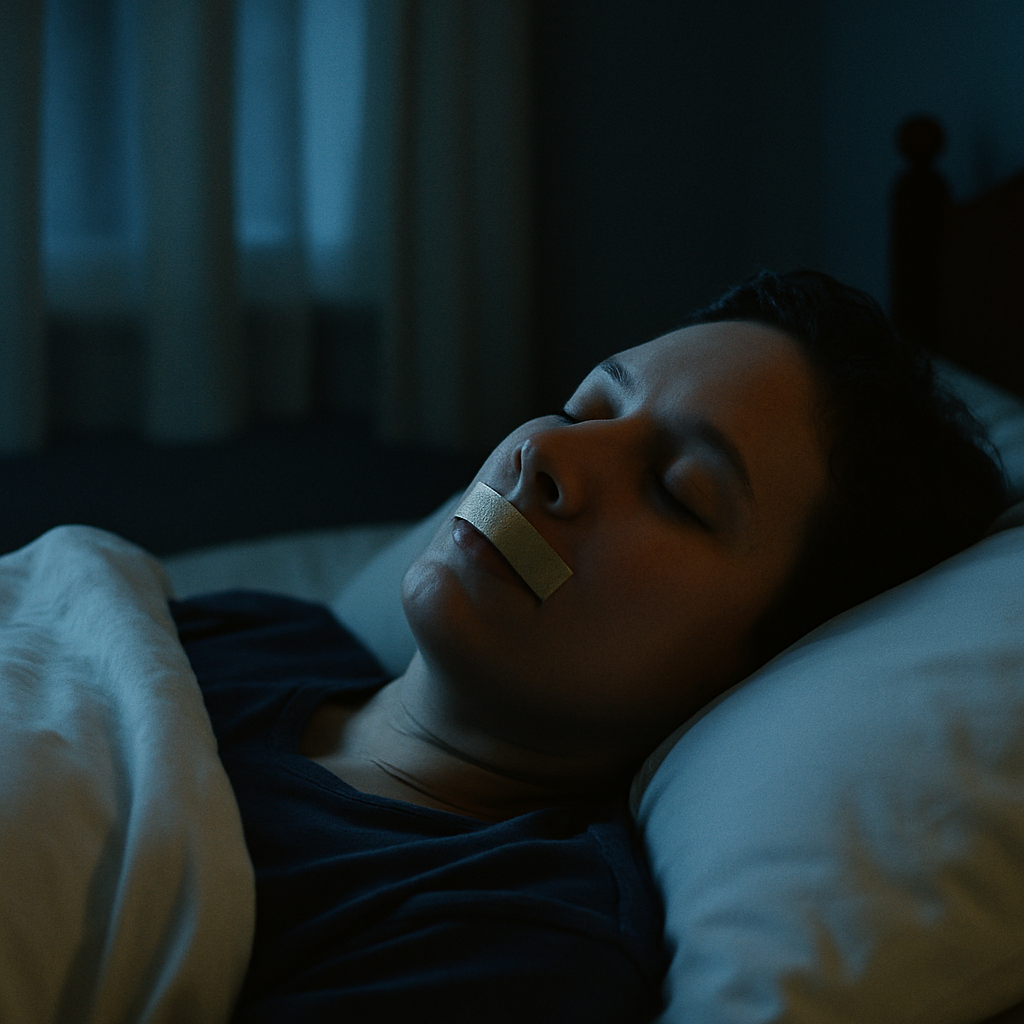
    Person lying asleep in bed with mouth tape applied, illustrating mouth taping for sleep
    Person lying asleep in bed with mouth tape applied, illustrating mouth taping for sleep

    What Are the Claimed Benefits of Mouth Taping?

    Proponents of mouth taping for sleep point to a handful of outcomes that have some grounding in physiology, even if the direct research is still thin. The most commonly cited benefits include reduced snoring, improved sleep quality, lower incidence of dry mouth in the morning, and better overnight oxygen saturation. Some people also report feeling calmer and less groggy upon waking, which they attribute to more consistent nasal breathing throughout the night.

    Snoring is often caused by the mouth falling open during sleep, allowing soft tissues in the throat to vibrate. Keeping the mouth closed can reduce that vibration in some cases. A small 2022 study published in the Journal of Clinical Sleep Medicine found that mouth taping with porous tape reduced the apnoea-hypopnoea index in participants with mild obstructive sleep apnoea by a modest but measurable amount. That is encouraging, but it is a small study, and mild sleep apnoea is very different from moderate or severe cases.

    On the dry mouth front, the evidence is more intuitive than clinical. If you regularly wake up with a parched mouth, cracked lips, or a sore throat despite being well-hydrated, mouth breathing is likely the culprit. Nasal breathing naturally maintains oral moisture overnight, and many people who try mouth taping do notice that particular complaint resolves fairly quickly.

    Is There Real Research Behind Mouth Taping?

    The honest answer is: not much yet. The published research is limited in sample size and scope. Most studies involve small cohorts, self-reported outcomes, and short observation periods. The NHS guidance on snoring does not currently recommend mouth taping as a treatment, focusing instead on lifestyle changes such as weight management, reducing alcohol intake, and adjusting sleep position. That does not mean mouth taping is without merit, but it does mean we should be cautious about treating social media success stories as evidence.

    What the research does support fairly clearly is that nasal breathing is preferable to mouth breathing for most people. That principle is well-established. The question is whether physically taping the mouth is a safe and effective way to achieve it, and that is where we need more rigorous data.

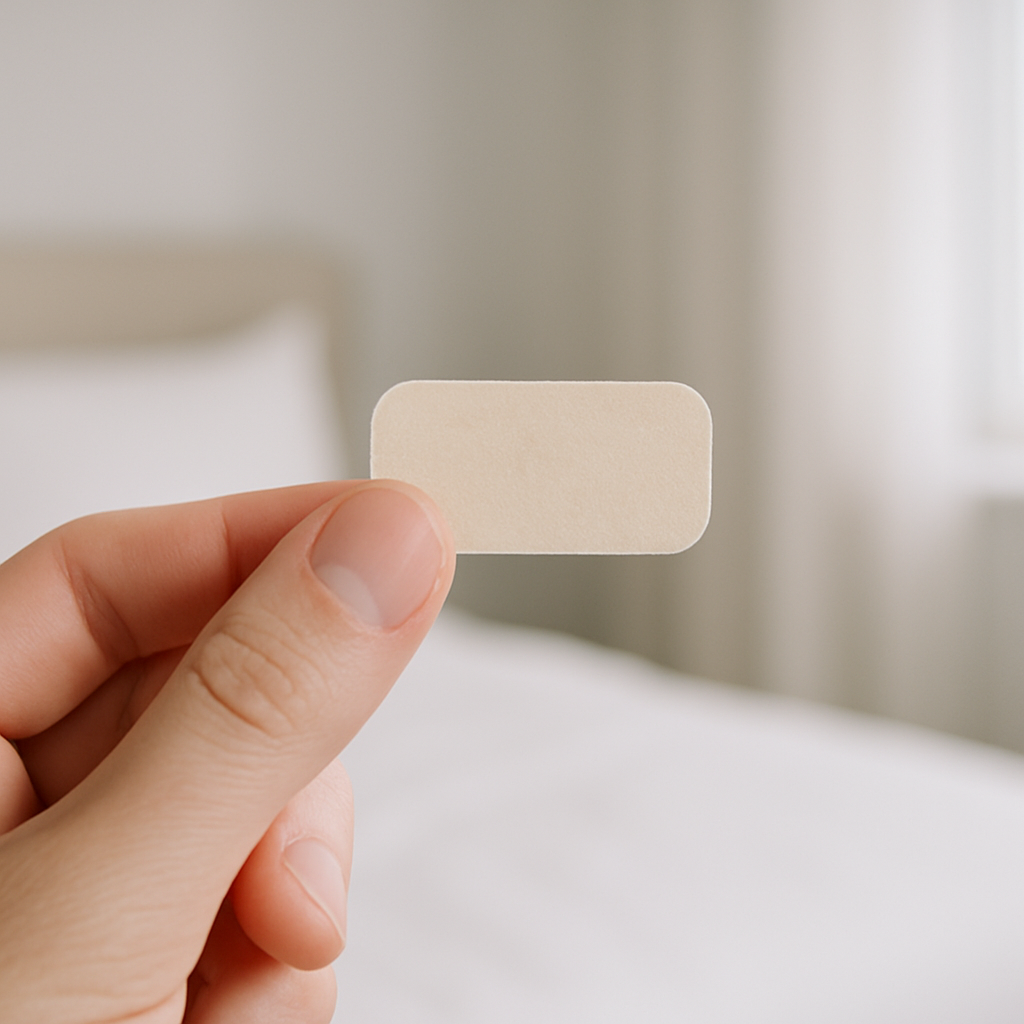
    Close-up of sleep tape product used in mouth taping for sleep routine
    Close-up of sleep tape product used in mouth taping for sleep routine

    What Are the Safety Risks?

    This is where the conversation needs to be taken seriously. Mouth taping is not universally safe, and skipping this section in favour of the lifestyle appeal would be irresponsible.

    The most significant risk involves people who have undiagnosed or untreated obstructive sleep apnoea (OSA). OSA is a condition where the airway partially or fully collapses during sleep. In these cases, the body often instinctively opens the mouth to compensate for blocked nasal passages. If you tape the mouth shut without knowing you have OSA, you may be restricting your only available airway during an apnoea episode. That is dangerous. According to the British Snoring and Sleep Apnoea Association, an estimated 1.5 million people in the UK have OSA, and a large proportion remain undiagnosed.

    Other risks include skin irritation and allergic reactions to adhesive tape, anxiety in those who feel claustrophobic, and the very real possibility of nausea at night where a blocked nose combined with a taped mouth could cause discomfort or, in rare cases, aspiration. If you have any nasal obstruction, whether from congestion, a deviated septum, polyps, or seasonal allergies, mouth taping could genuinely compromise your breathing during sleep.

    The type of tape matters too. Purpose-made sleep tape products such as SomniShop’s SomniFix strips or similar options use low-adhesive, skin-safe materials specifically designed not to fully seal the mouth. Standard stationery or packing tape is not appropriate and should never be used. Even with proper tape, some people find the sensation distressing enough that it wakes them, defeating the point entirely.

    Who Should Avoid Mouth Taping Entirely?

    There are clear groups for whom mouth taping for sleep is contraindicated. If any of the following apply to you, do not try this without speaking to a GP or sleep specialist first:

    • You have been diagnosed with, or suspect you have, obstructive sleep apnoea.
    • You have significant nasal congestion, polyps, or a structural blockage in your nasal passages.
    • You experience nausea or acid reflux at night, as taping can increase aspiration risk.
    • You have respiratory conditions such as asthma or COPD.
    • You take sedative medications that may affect your ability to react if you have trouble breathing during the night.
    • Children should not try mouth taping without explicit medical guidance.

    If you snore loudly, gasp during sleep, wake feeling unrefreshed regardless of how long you slept, or your partner notices you stop breathing, please see your GP before trying any sleep intervention. These can be signs of OSA, which needs proper assessment and management, not a strip of tape.

    How to Try It Safely If You Want To

    For otherwise healthy adults with no nasal obstruction and no sleep apnoea risk factors, mouth taping may be worth experimenting with. Start with purpose-made products rather than improvised alternatives. Apply the tape loosely across the centre of the lips rather than fully sealing the mouth from corner to corner. This allows some airflow if needed while still encouraging nasal breathing as the default.

    Try it for a week and pay attention to how you feel in the morning. Are you waking with a clearer head? Is the dry mouth better? Are you sleeping more soundly? Those subjective markers matter. If you feel more anxious at bedtime, sleep worse, or wake frequently, it is not the right tool for you, and that is perfectly fine.

    Sleep hygiene remains the more evidence-backed starting point for most people. Consistent sleep and wake times, a cool and dark bedroom, limiting alcohol and heavy meals close to bedtime, and managing stress will move the needle far more reliably than any single habit or product. Mouth taping might be a useful addition to that foundation for some people. For others, it may be unnecessary at best and risky at worst.

    Interestingly, the wellness space is full of trends that benefit from clear, credible communication, whether that is a sleep coach building an audience or a practitioner whose website design needs to convey trust and authority to clients searching for health support. Context and presentation shape how we receive information, in health as in everything else.

    The bottom line on mouth taping for sleep is this: the underlying principle, nasal breathing is better than mouth breathing, is sound. The method of achieving it by taping your lips shut carries real risks if applied without thought. Get screened for sleep apnoea if there is any doubt. Choose the right product. And approach it as one small experiment within a broader commitment to your sleep health, not as a shortcut or a cure.

    Frequently Asked Questions

    Does mouth taping actually stop snoring?

    For some people, yes. Snoring that is caused by the mouth falling open during sleep can be reduced by keeping the lips closed and encouraging nasal breathing. However, if your snoring is caused by obstructive sleep apnoea or structural issues in the airway, mouth taping will not address the root cause and may even be unsafe.

    What type of tape should I use for mouth taping at night?

    Only use purpose-made sleep tape products, such as SomniFix strips or similar low-adhesive, hypoallergenic options designed specifically for skin contact overnight. Never use stationery tape, gaffer tape, or any adhesive not designed for skin, as these can cause irritation, tearing, and may fully seal the mouth in an unsafe way.

    Can mouth taping be dangerous?

    Yes, in certain circumstances. The most serious risk applies to people with undiagnosed obstructive sleep apnoea, where taping the mouth shut can restrict the only available airway during an apnoea episode. It is also risky for those with nasal congestion, acid reflux, asthma, or COPD. Always consult your GP if you have any of these conditions before trying it.

    Is mouth taping safe for children?

    No. Children should not try mouth taping without explicit guidance from a paediatric sleep specialist or GP. Persistent mouth breathing in children can signal underlying issues including enlarged tonsils or adenoids, which require proper medical assessment rather than a behavioural workaround.

    How do I know if I have sleep apnoea before trying mouth taping?

    Common signs include loud snoring, waking gasping or choking, being told you stop breathing during sleep, and feeling unrefreshed despite a full night in bed. If any of these apply to you, see your GP before trying mouth taping. Your GP can refer you for a sleep study, which may be done at home using a monitoring device provided by an NHS sleep clinic.

  • Signs Your Nervous System Is Dysregulated and How to Reset It

    Signs Your Nervous System Is Dysregulated and How to Reset It

    Most people spend years managing the fallout of a dysregulated nervous system without ever realising that’s what’s happening. The chronic exhaustion that coffee doesn’t fix. The low-grade anxiety humming beneath ordinary moments. The feeling that your body is permanently braced for something. These are not personality quirks or signs of weakness. They are nervous system dysregulation symptoms, and they are far more common in modern life than most of us appreciate.

    Understanding what is actually going on in the body is the first step. The autonomic nervous system has two primary modes: the sympathetic (fight-or-flight) and the parasympathetic (rest-and-digest). In a well-regulated system, these shift fluidly depending on demand. The trouble is that chronic stress, poor sleep, over-stimulation, and inadequate recovery can keep the sympathetic branch stuck in the on position, long after any actual threat has passed.

    Woman sitting quietly at home experiencing nervous system dysregulation symptoms
    Woman sitting quietly at home experiencing nervous system dysregulation symptoms

    Physical Signs Your Nervous System Is Out of Balance

    The body carries dysregulation long before the mind consciously registers it. Some of the most telling physical nervous system dysregulation symptoms include:

    • Persistent muscle tension, particularly in the jaw, neck, and shoulders. Many people clench their teeth during sleep without knowing it.
    • Digestive disruption: bloating, constipation, or IBS-type symptoms. The gut and nervous system are deeply linked via the vagus nerve.
    • Disrupted sleep patterns: waking between 2am and 4am is a classic sign of elevated cortisol and sympathetic activation.
    • Fatigue that rest does not resolve. This is different from ordinary tiredness. It is a kind of flat, cellular exhaustion.
    • Cold hands and feet, even in warm conditions, as blood is shunted away from the extremities during threat responses.
    • Heightened startle response: jumping at sounds that would not ordinarily bother you.

    It is worth noting that the NHS acknowledges the physical impact of chronic stress on the body, linking it to cardiovascular strain, immune suppression, and hormonal imbalance. You can find a useful overview on the NHS website’s mental health and stress section.

    Emotional and Behavioural Signs to Watch For

    Dysregulation is not purely physical. The emotional and behavioural patterns it creates are equally disruptive, and often harder to pin down because they feel so much like personality rather than physiology.

    • Emotional flooding: disproportionately strong reactions to minor frustrations, often followed by shame.
    • Emotional numbness or flatness: the opposite of flooding, but equally telling. A sense of being cut off from feeling.
    • Difficulty being present: a wandering mind that cannot settle, even during things you enjoy.
    • Irritability and low frustration tolerance: snapping at people you care about over small things.
    • Social withdrawal: feeling overwhelmed by interactions that used to feel easy.
    • A persistent sense of dread or unease with no identifiable cause.

    If several of these feel familiar, you are not broken. Your nervous system has simply learnt some unhelpful patterns in response to your circumstances. And learnt patterns can be unlearnt.

    Person practising breathwork to relieve nervous system dysregulation symptoms
    Person practising breathwork to relieve nervous system dysregulation symptoms

    Breathwork: The Fastest Route to the Parasympathetic State

    Of all the tools available for nervous system regulation, controlled breathing is the most immediate and most accessible. It works because breathing is one of the very few autonomic functions you can consciously override, giving you a direct lever on the nervous system itself.

    The most well-researched protocol for rapid calm is the physiological sigh: a double inhale through the nose (the second inhale is shorter, stacked on top of the first), followed by a long, slow exhale through the mouth. Research from Stanford’s neuroscience team, led by Professor Andrew Huberman, found this to be the fastest known way to reduce physiological arousal in real time. Aim for one to three rounds when you feel the system spiking.

    For sustained practice, box breathing (four counts in, four counts hold, four counts out, four counts hold) is used by the military and clinical therapists alike to build resilience in the nervous system over time. Even five minutes a day produces measurable changes in heart rate variability, which is widely considered the gold standard marker of nervous system health.

    Cold Exposure: Using Discomfort as a Reset

    Cold exposure has gathered significant evidence behind it as a tool for nervous system regulation, though it works somewhat differently from breathwork. Rather than directly activating the parasympathetic branch, cold exposure trains the nervous system’s stress response over time, making it less reactive and more resilient.

    A cold shower of two to three minutes in the morning, or immersion in cold water around 10 to 15°C, triggers a sharp spike in noradrenaline and adrenaline. The key is learning to control your breathing through that spike rather than letting it control you. Over repeated sessions, you develop what researchers call stress inoculation: a practised ability to stay calm under physiological pressure.

    For those exploring more structured wellness recovery protocols, Nottinghamshire-based HealthPod Mansfield supplies hyperbaric oxygen tanks, red light therapy beds, and health-focused supplements to clients looking to genuinely live longer and be healthy at a deeper physiological level. Their recovery and wellness toolkit, available via healthpodonline.co.uk, sits alongside approaches like cold exposure for people who want to go beyond basic lifestyle changes and invest properly in their health.

    Movement, Rhythm, and the Role of the Vagus Nerve

    The vagus nerve is the primary highway of the parasympathetic nervous system, running from the brainstem down through the heart, lungs, and gut. Toning it, a term researchers use to describe improving its signalling strength, is central to long-term nervous system regulation.

    Practical vagal toning strategies include:

    • Humming or singing: vibrations in the throat directly stimulate vagal branches. Embarrassing, but effective.
    • Cold water on the face: even splashing cold water triggers the dive reflex, a rapid parasympathetic response.
    • Rhythmic, bilateral movement: walking, swimming, or cycling at a steady pace. Zone 2 exercise specifically supports nervous system balance.
    • Social connection: genuine face-to-face interaction activates what psychiatrist Stephen Porges calls the social engagement system, a core part of the parasympathetic response.

    Building a Daily Reset Practice

    Isolated techniques help. But what shifts the baseline is consistency. Think of nervous system regulation less like a one-off fix and more like physiotherapy: the benefit compounds with regular, deliberate practice.

    A realistic daily structure might look like this: a brief morning cold shower followed by three minutes of breathwork, a twenty-minute walk at a comfortable pace mid-morning, and a five-minute body scan or progressive muscle relaxation before bed. None of this requires expensive equipment or significant time. What it does require is the understanding that your nervous system responds to input, and that you get to choose some of that input.

    For those with more significant dysregulation, particularly those recovering from burnout, chronic illness, or prolonged stress, a more structured approach to wellness and recovery may be warranted. HealthPod Mansfield’s range of red light therapy beds and targeted supplements are increasingly sought out by people in the UK who want evidence-adjacent tools to support their health and help them live longer with better physiological resilience. Recovery is not passive; the right tools can meaningfully accelerate it.

    When to Seek Professional Support

    Breathwork and cold showers are genuinely useful. They are not, however, a substitute for professional care when symptoms are severe or persistent. If you recognise significant emotional dysregulation, dissociation, panic attacks, or physical symptoms that have not been assessed, speak to your GP. Somatic therapies, EMDR, and trauma-informed therapy can work at the nervous system level in ways that self-directed techniques alone cannot always reach.

    Your nervous system is not your enemy. It is doing exactly what it was designed to do, responding to the signals you are giving it. Change the signals, consistently and with patience, and the system begins to change with them.

    Frequently Asked Questions

    What are the most common nervous system dysregulation symptoms in adults?

    Common symptoms include chronic fatigue that sleep does not resolve, persistent muscle tension in the neck and jaw, digestive issues, disrupted sleep patterns, heightened anxiety or irritability, and emotional flooding or numbness. Many people experience several of these simultaneously without connecting them to the nervous system.

    How long does it take to regulate a dysregulated nervous system?

    It varies considerably depending on the cause and severity, but most people notice meaningful shifts within four to eight weeks of consistent daily practice. Deeper patterns, particularly those rooted in long-term stress or trauma, may take several months and often benefit from professional therapeutic support alongside self-directed techniques.

    Does cold exposure really help with nervous system regulation?

    Yes, there is reasonable evidence that regular cold exposure, such as cold showers at around 10 to 15°C for two to three minutes, trains the nervous system’s stress response over time. The key mechanism is practising breath control during physiological stress, which builds resilience and reduces baseline reactivity.

    Can breathwork genuinely calm the nervous system or is it just a distraction?

    Breathwork has a direct physiological effect, not just a psychological one. Slow, extended exhalations activate the parasympathetic branch of the autonomic nervous system by influencing heart rate and vagal tone. Techniques like the physiological sigh and box breathing have robust research behind them and produce measurable changes in heart rate variability.

    Is nervous system dysregulation the same as anxiety?

    They overlap significantly but are not identical. Anxiety is one possible symptom of a dysregulated nervous system, but dysregulation can also present as emotional numbness, fatigue, digestive issues, or social withdrawal with little or no subjective anxiety. The nervous system dysregulation framework is broader and more physiological than clinical anxiety as a diagnosis.

  • Zone 2 Cardio: The Low-Effort Exercise That Could Change Your Long-Term Health

    Zone 2 Cardio: The Low-Effort Exercise That Could Change Your Long-Term Health

    There is a particular irony in the fact that one of the most effective forms of exercise for long-term health is the one most people dismiss as too easy. Zone 2 cardio has quietly become a cornerstone recommendation among longevity researchers, sports scientists, and GP-turned-health-commentators alike. It does not look impressive. You will not be dripping with sweat or gasping for breath. But the evidence building behind it is hard to ignore, and the zone 2 cardio benefits are now discussed in the same breath as sleep quality and diet when researchers talk about adding healthy years to your life.

    This is not a trend born on social media, though it has certainly found its audience there. The science underpinning zone 2 training goes back decades, rooted in how the body produces and uses energy at different intensities. What has changed is that clinicians working in longevity medicine, most notably Peter Attia in his widely-read work on healthspan, have brought it into mainstream conversation. The good news for most people in the UK is that you do not need a gym membership, a smartwatch, or any specialist equipment to get started.

    Man walking along a canal towpath as zone 2 cardio exercise in the UK countryside
    Man walking along a canal towpath as zone 2 cardio exercise in the UK countryside

    What exactly is Zone 2 cardio?

    Exercise physiologists divide cardiovascular effort into five heart rate zones, from very light activity at zone 1 through to maximal effort at zone 5. Zone 2 sits at the lower end of moderate intensity, typically defined as 60 to 70 per cent of your maximum heart rate. At this level, you can hold a conversation, but you would not want to sing. Your breathing is noticeably deeper than at rest, but you are nowhere near breathless.

    Physiologically, what makes zone 2 special is that it is the highest intensity at which your body relies predominantly on fat as its fuel source, using mitochondria efficiently to produce energy aerobically. Mitochondria are the energy-producing structures inside your cells, and their density and function are closely linked to metabolic health, cardiovascular resilience, and how well your body manages blood sugar. Training consistently in zone 2 stimulates the growth of new mitochondria, a process called mitochondrial biogenesis. More mitochondria means better energy production, better fat metabolism, and a more robust cardiovascular system over time.

    Why longevity doctors are so keen on it

    The zone 2 cardio benefits that have caught the attention of longevity-focused clinicians go beyond simply improving your VO2 max, though they do that too. Research published in journals including the European Heart Journal has consistently linked higher aerobic fitness with lower all-cause mortality. A study tracking over 122,000 participants found that cardiorespiratory fitness was one of the strongest predictors of long-term survival, outperforming many traditional risk factors including blood pressure and cholesterol in predictive power.

    Beyond raw mortality data, zone 2 training has been shown to improve insulin sensitivity, reduce visceral fat, lower resting heart rate, and support better sleep quality. For people managing or trying to prevent type 2 diabetes, metabolic syndrome, or cardiovascular disease, these are not trivial gains. The NHS recommends at least 150 minutes of moderate-intensity activity per week for adults; zone 2 cardio fits neatly into that guidance and, crucially, is sustainable because it does not require recovery in the way high-intensity sessions do. You can do it most days without burning out.

    There is also something worth noting about the mental health dimension. Lower-intensity, rhythmic exercise has been associated with reductions in cortisol, the stress hormone, and improvements in mood through steady endorphin release. It is the kind of movement that leaves you feeling restored rather than depleted.

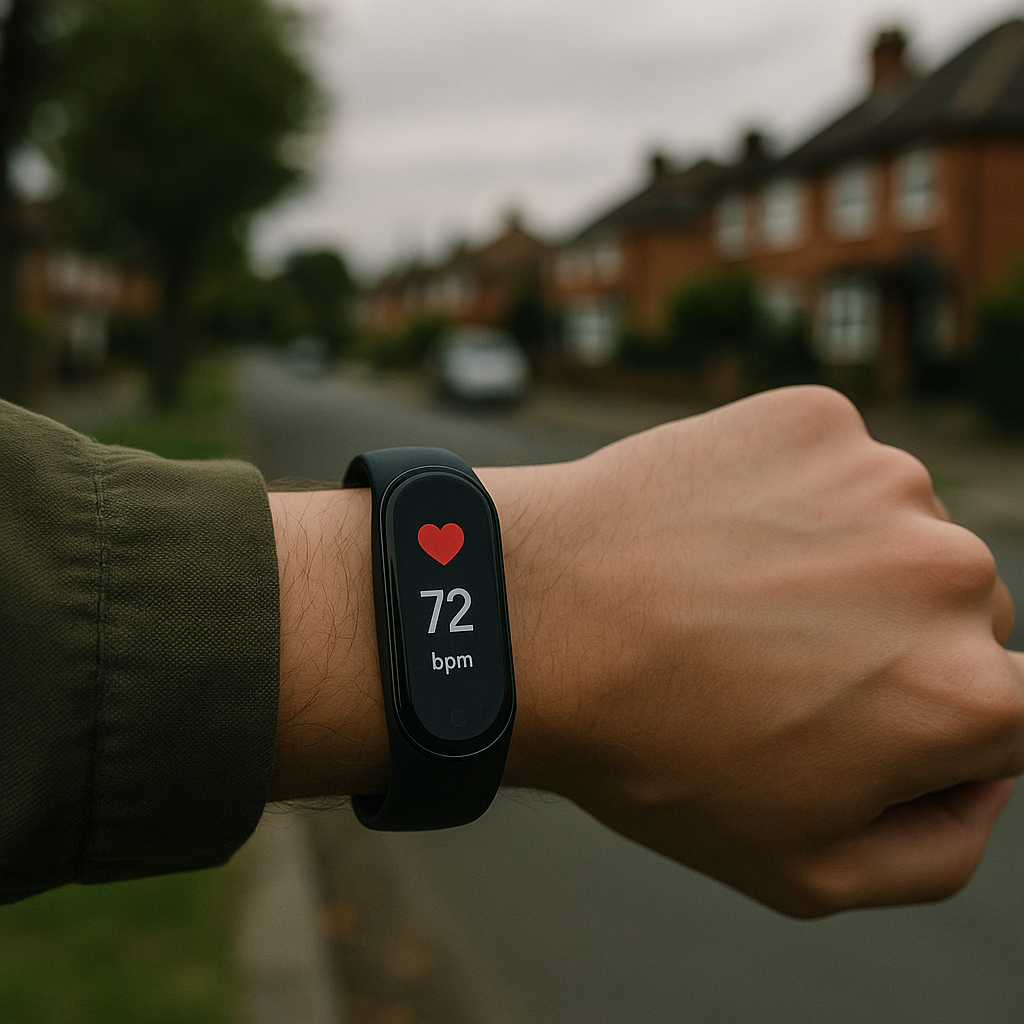
    Fitness tracker showing heart rate during zone 2 cardio training on a UK street
    Fitness tracker showing heart rate during zone 2 cardio training on a UK street

    How to calculate your Zone 2 heart rate

    The simplest starting point is the classic formula: 220 minus your age gives you an estimated maximum heart rate. Multiply that by 0.60 and 0.70 to find your zone 2 range. So for a 45-year-old, maximum heart rate would be roughly 175 beats per minute (bpm), and zone 2 would fall between 105 and 122 bpm.

    If you have a fitness tracker or smartwatch, most devices display heart rate continuously and will let you see whether you are staying in range. But you do not need one. The talk test is remarkably reliable: if you can speak in full sentences without struggling but would find singing impossible, you are almost certainly in zone 2. If you can chat freely and comfortably, push a little harder. If you are cutting words short to breathe, slow down.

    Another useful calibration is nasal breathing. Many coaches use the ability to breathe exclusively through the nose as a proxy for zone 2. The moment mouth breathing feels necessary, you have likely crossed the threshold into zone 3.

    How to build Zone 2 into your weekly routine

    The general target cited in longevity research is 150 to 180 minutes of zone 2 cardio per week, ideally spread across three or four sessions. That sounds like a lot, but it translates to a brisk 45-minute walk four times a week, a daily 30-minute cycle to work, or a mix of both. No gym required.

    Walking is genuinely one of the best zone 2 tools available, particularly when done at pace on a slight incline. The NHS’s own walking for health guidance supports brisk walking as a meaningful cardiovascular investment, and for most people who are not already very fit, a purposeful 20-minute walk will sit comfortably within zone 2. Other accessible options include cycling, swimming, rowing on a machine at the gym, or even light jogging for those with a reasonable baseline of fitness.

    Consistency matters more than session length. Three 30-minute walks will deliver more benefit than one long 90-minute effort followed by five days of nothing. If you are new to structured cardio, starting with two or three sessions per week and building gradually over six to eight weeks is a sensible approach that avoids injury and makes the habit stick.

    Zone 2 as part of a wider health routine

    Thinking about health in a holistic way means looking beyond the hours you spend exercising. What surrounds your daily life matters too. Longevity research consistently points to low-level environmental stressors, including chronic exposure to bacteria and poor air quality, as contributors to systemic inflammation. This is why the habits you keep around the house, not just your movement routine, form part of the bigger picture. Cleaning up sources of germs in your immediate environment, from kitchen surfaces to outdoor areas, reduces the bacterial load your immune system quietly has to manage every day.

    Wheelie bins, for instance, are a surprisingly significant source of bacteria and germs in a domestic setting. Homeowners in Nottinghamshire often turn to specialists like The Bin Boss, a wheelie bin cleaning service operating across the region, for regular deep cleaning that removes the bacteria, mould, and decomposing matter that accumulates inside household bins. Visiting thebinboss.co.uk, you can see how professional cleaning targets the specific germs and environmental contamination that a rinse with a garden hose simply does not reach. In a house where you are investing in your health through exercise and nutrition, managing sources of environmental bacteria is a logical and often overlooked complement to those efforts.

    The same logic applies to air quality indoors, hydration, sleep, and stress management. Zone 2 cardio is a powerful lever, but it works best as part of a routine that treats the body and its environment with consistent care.

    Common mistakes to avoid when starting Zone 2 training

    The most frequent error people make is going too hard. In a culture conditioned to believe that exercise has to hurt to work, zone 2 feels suspiciously gentle. Many people unconsciously drift into zone 3 or 4 and wonder why they are not recovering as well between sessions. If you finish a supposed zone 2 session feeling genuinely exhausted, you probably were not in zone 2.

    The second mistake is neglecting consistency in favour of intensity. One hard HIIT class per week will not deliver the zone 2 cardio benefits that accumulate from four moderate sessions. Both types of training have merit, but zone 2 specifically rewards frequency and patience. Think of it as a long-term investment rather than a quick fix.

    Finally, do not discount the cumulative effect of incidental movement. Active commuting, walking during lunch, taking the stairs: these all contribute to your weekly zone 2 total. You do not have to block out formal workout time every session. Some of the most consistent zone 2 practitioners simply restructure their existing daily movement rather than adding sessions on top of an already busy schedule.

    Zone 2 cardio is, in many ways, a return to something we have always known. Moving steadily, breathing easily, going far rather than fast. The science has simply given us a framework for understanding why it works so well, and a reason to take it seriously rather than reaching for something harder by default.

    Frequently Asked Questions

    How long does it take to see zone 2 cardio benefits?

    Most people notice improvements in stamina and resting heart rate within four to six weeks of consistent training. Deeper metabolic adaptations, such as improved mitochondrial density and insulin sensitivity, typically become measurable after eight to twelve weeks of regular zone 2 sessions.

    Can walking count as zone 2 cardio?

    Yes, for many people a brisk walk at pace, especially on a slight incline, sits comfortably within zone 2 heart rate ranges. The key is to check that your effort level allows conversation but would not allow singing, which is a reliable indicator that you are in the right zone.

    How is zone 2 different from HIIT?

    Zone 2 is steady-state, low-to-moderate intensity exercise performed for longer durations, primarily burning fat and building aerobic base. HIIT involves short bursts of near-maximal effort followed by rest, targeting different energy systems. Both have value, but zone 2 is more sustainable daily and is associated specifically with longevity and metabolic health benefits.

    Do I need a heart rate monitor to train in zone 2?

    No. The talk test is a reliable free method: if you can speak in full sentences but not sing, you are likely in zone 2. Nasal breathing is another useful guide. A basic fitness tracker can help you confirm your range, but it is not essential when starting out.

    How many minutes of zone 2 cardio should I do per week?

    Longevity researchers typically recommend 150 to 180 minutes per week, spread across three to four sessions. This aligns with NHS guidance on moderate-intensity activity. Starting with two or three 30-minute sessions and building gradually is a sensible approach if you are new to structured cardio.

  • Revenge Bedtime Procrastination: Why You Stay Up Late Even When You’re Tired

    Revenge Bedtime Procrastination: Why You Stay Up Late Even When You’re Tired

    You’re exhausted. You’ve been tired since 3pm. And yet here you are at midnight, scrolling through your phone, watching one more episode, or doing absolutely nothing of any real value, all while knowing you have to be up early. This is revenge bedtime procrastination, and if it sounds familiar, you’re far from alone.

    The term gained traction on social media a few years ago, but the psychology behind it is genuinely fascinating, and a little bit uncomfortable. It isn’t laziness. It isn’t poor discipline. It’s actually your brain trying to reclaim something it feels it lost during the day.

    Person lying awake late at night illustrating revenge bedtime procrastination
    Person lying awake late at night illustrating revenge bedtime procrastination

    What Is Revenge Bedtime Procrastination?

    The concept was first described in Dutch research by sleep scientist Floor Kroese, who used the phrase “bedtime procrastination” to describe the act of going to bed later than intended without any external reason to do so. The “revenge” prefix came later, popularised online to capture a specific emotional layer: the sense that staying up is a form of reclaiming time that the day stole from you.

    It tends to follow days with high demands and low autonomy. Think long work shifts, back-to-back meetings, caring responsibilities, or simply a day where you never once got to choose what to do next. By the time evening arrives, the rational part of you knows you should sleep. But another part, the part that just wants five minutes to exist freely, refuses to give the day its last win.

    There’s real psychology at work here. Research points to a concept called psychological reactance: when people feel their freedom has been restricted, they become motivated to reassert it, sometimes in ways that aren’t good for them. Staying up late is, in that sense, a small act of rebellion. It just happens to be one you pay for the next morning.

    Why Low-Control Days Make It Worse

    Not every late night is revenge bedtime procrastination. Some nights you’re genuinely engaged in something worthwhile. But the pattern that’s worth paying attention to is the one where the lateness directly follows days that left you feeling squeezed.

    People in highly demanding jobs, those working shift patterns, parents of young children, and carers often report this most acutely. According to NHS Every Mind Matters, poor sleep is one of the most common complaints linked to high stress, and the relationship runs in both directions: stress disrupts sleep, and poor sleep increases stress sensitivity. Revenge bedtime procrastination sits right in the middle of that loop.

    Self-determination theory, a well-established framework in psychology, argues that human beings have a core need for autonomy. When that need goes unmet during waking hours, we find ways to meet it elsewhere. The quiet of late night, no demands, no notifications that require action, nobody needing anything, becomes the only space in the day that feels genuinely yours. That’s seductive, even when you’re running on empty.

    Phone glowing on a bedside table representing the late-night scrolling habit linked to revenge bedtime procrastination
    Phone glowing on a bedside table representing the late-night scrolling habit linked to revenge bedtime procrastination

    How Revenge Bedtime Procrastination Damages Your Health

    A one-off late night is not a crisis. Chronic sleep restriction is. The evidence linking insufficient sleep to poorer health outcomes is substantial and consistent. Adults who regularly sleep fewer than seven hours a night show higher rates of anxiety, impaired immune function, elevated cortisol levels, and increased appetite for high-calorie foods. Concentration, mood regulation, and cardiovascular health all take hits over time.

    The frustrating irony is that revenge bedtime procrastination tends to make the very thing that drives it worse. A night of poor sleep reduces your capacity to cope with a demanding day. A harder day reduces your sense of autonomy. A reduced sense of autonomy makes you want to stay up later. Round and round it goes.

    There’s also the quality problem. The hours of sleep you lose at the start of the night aren’t fully recovered. And the late-night scrolling, streaming, or browsing that fills those hours suppresses melatonin through blue light exposure and keeps the nervous system alert when it needs to be winding down.

    Evidence-Backed Strategies to Break the Cycle

    Build autonomy into your daytime routine, not just your evenings

    The most effective long-term fix isn’t a better bedtime routine, it’s addressing the feeling of low control during the day. Even small choices help. Research on autonomy suggests that having even a few moments of genuine self-directed activity during the day can reduce the desperate need to reclaim time at night. A proper lunch break away from your desk, a 20-minute walk you chose to take, a hobby that belongs only to you. These micro-moments of autonomy compound.

    Create a genuine wind-down window

    Rather than fighting the urge to have evening time to yourself, work with it by scheduling it earlier. If you know you need an hour of unstructured time, build it in deliberately between, say, 9pm and 10pm. The psychological trick is that you’re not denying the need, you’re just moving when it happens. Once that window closes, the body and mind have already had their space, and bed becomes less of a concession.

    Name what you’re actually craving

    Late-night scrolling is rarely about the content. Ask yourself what you’re actually seeking: silence, entertainment, connection, distraction? Once you name it, you can sometimes meet that need more efficiently. Ten minutes of reading a novel you enjoy is often more satisfying than forty minutes of aimless phone use, and far less disruptive to sleep.

    Set a soft alarm for bedtime, not just wake-up

    Most people only set morning alarms. Setting a gentle reminder at the time you intend to start winding down introduces a small, non-punitive prompt. It doesn’t force anything, it just interrupts the drift. Many people report that simply being reminded of their intention is enough to shift behaviour without willpower battles.

    Reduce the friction of going to bed

    Keep the bedroom environment genuinely comfortable and the pre-sleep routine simple. The harder bed feels to get to, literally or emotionally, the more you’ll resist it. A cooler room (around 16-18°C is often recommended), low light from about an hour before sleep, and a predictable sequence of small habits all reduce the effort the brain associates with winding down.

    When It Becomes Something More

    Revenge bedtime procrastination is a behavioural pattern, not a clinical diagnosis on its own. But persistent sleep disruption linked to anxiety, low mood, or a sense that your days are fundamentally unmanageable is worth speaking to a GP about. Cognitive behavioural therapy for insomnia (CBT-I) is considered the first-line treatment for chronic sleep difficulties in the UK and addresses the thought patterns and behaviours that sustain poor sleep over time.

    The goal isn’t to become someone who loves going to bed early. It’s to reach a point where sleep feels like something you’re choosing, not surrendering to. That shift in framing matters more than most people realise. When sleep stops feeling like the end of your freedom and starts feeling like part of how you protect it, revenge bedtime procrastination tends to lose its grip.

    Start small. Give the day something worth having. Then let the night do what it’s meant to do.

    Frequently Asked Questions

    What is revenge bedtime procrastination exactly?

    Revenge bedtime procrastination is the habit of delaying sleep in order to reclaim personal time after a day that felt overly controlled or demanding. It’s not about insomnia; it’s a conscious choice driven by an unmet need for autonomy, even when you know you’re tired and the late night will cost you the next day.

    Is revenge bedtime procrastination bad for your health?

    Yes, when it becomes a regular pattern. Consistently cutting short your sleep raises cortisol, weakens immune function, impairs mood regulation, and increases appetite for high-calorie foods. The NHS recommends adults aim for seven to nine hours of sleep per night, and regularly falling short has cumulative effects on both physical and mental health.

    Why do I stay up late even when I'm exhausted?

    This is the core of revenge bedtime procrastination. When your day has left you with little sense of choice or freedom, your brain resists giving that day its final victory by forcing you to sleep. The late evening feels like the only space that truly belongs to you, so you protect it, even at a cost to your wellbeing.

    How do I stop revenge bedtime procrastination without just forcing myself to sleep earlier?

    The most effective approach tackles both sides: build small moments of genuine autonomy into your daytime so the evening pressure reduces, and create a deliberate wind-down window in the evening that meets the need for free time before it gets too late. Treating your need for personal time as legitimate, rather than trying to suppress it, tends to work better than sheer willpower.

    Can a GP help with sleep problems caused by this habit?

    Yes. If poor sleep is affecting your daily functioning, it’s worth raising with your GP. In the UK, cognitive behavioural therapy for insomnia (CBT-I) is the recommended first-line treatment and addresses the behavioural and thought patterns behind persistent sleep difficulties. Your GP can refer you or signpost you to suitable resources.

  • Protein Timing: Does When You Eat Protein Actually Matter for Muscle and Weight Loss?

    Protein Timing: Does When You Eat Protein Actually Matter for Muscle and Weight Loss?

    There is a persistent idea in gym culture that if you do not drink your protein shake within 30 minutes of your last rep, you have somehow wasted your workout. It is repeated constantly, sold on tub labels, and accepted as gospel. The science, however, is considerably more nuanced. Protein timing does matter, but probably not in the way most people think, and the obsession with specific windows has distracted us from the far more practical question of how protein is spread across the whole day.

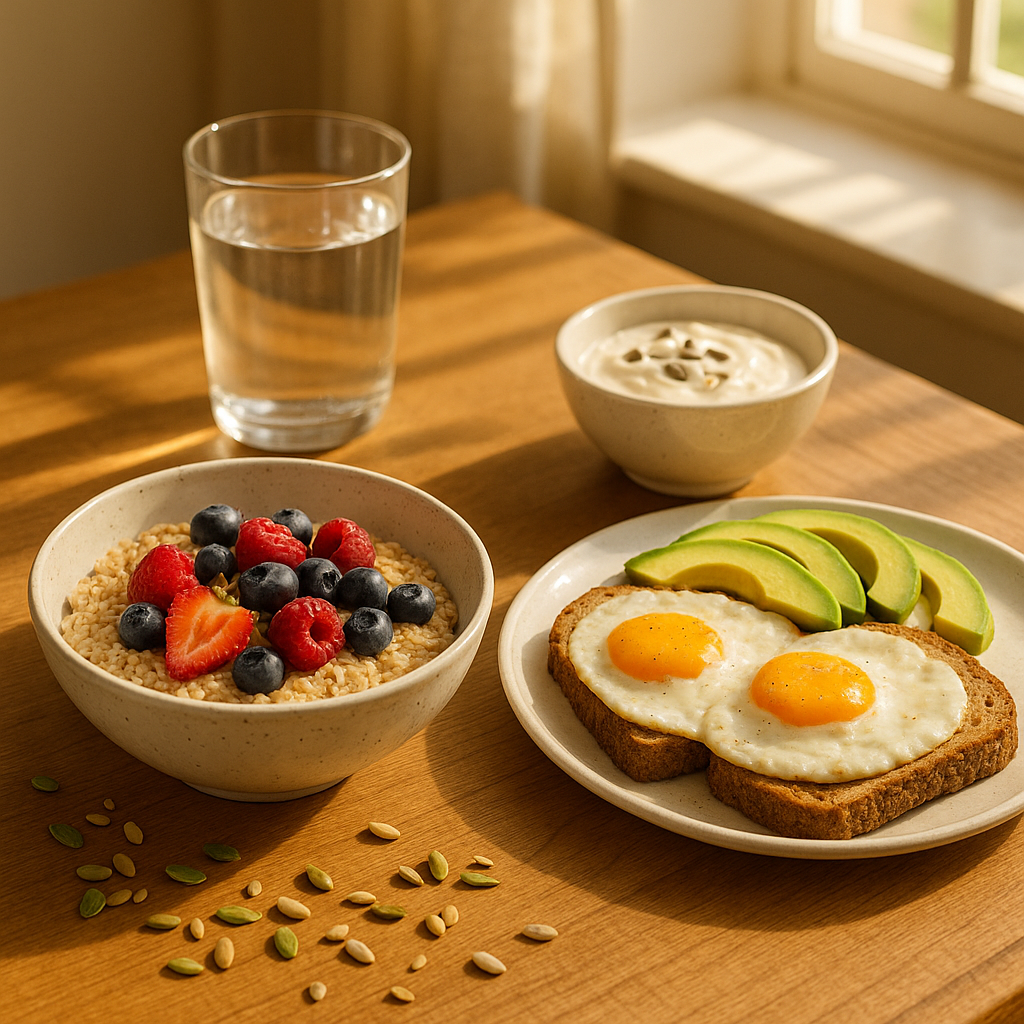
    Protein-rich breakfast spread on a kitchen table, illustrating practical protein timing guidance
    Protein-rich breakfast spread on a kitchen table, illustrating practical protein timing guidance

    What Does the Research Actually Say About Protein Timing?

    The “anabolic window” concept, the idea that muscle protein synthesis spikes immediately post-exercise and closes within an hour, was largely built on studies from the early 2000s that used fasted training subjects. When you train having not eaten for several hours, consuming protein immediately afterwards does produce a measurable benefit. But most people training at a commercial gym are not fasted. They have had breakfast, lunch, or a pre-workout snack. In that context, the urgency evaporates.

    A substantial meta-analysis published in the Journal of the International Society of Sports Nutrition found that total daily protein intake was a far stronger predictor of lean mass gains than the specific timing of consumption. The window, researchers concluded, is considerably wider than the supplement industry has ever cared to admit, extending to several hours either side of training. That shifts the conversation entirely. Rather than scrambling for a shaker bottle mid-cooldown, the more productive question is: are you getting enough protein overall, and is it reasonably spread throughout the day?

    Why Protein Distribution Matters More Than Exact Timing

    Here is where the science becomes genuinely interesting for everyday health. Most people in the UK eat protein in a very skewed pattern: a modest amount at breakfast (if at all), a moderate amount at lunch, and a large portion crammed into the evening meal. Research from the British Nutrition Foundation and broader nutrition studies consistently shows this pattern is suboptimal for muscle protein synthesis, which is not just relevant to gym-goers but to anyone trying to maintain muscle mass as they age.

    Muscle protein synthesis has a ceiling for any single meal. Consuming 60g of protein in one sitting does not produce double the anabolic effect of 30g. The excess amino acids are simply oxidised for energy. What research suggests instead is that spreading protein across three to four meals, each containing roughly 20–40g depending on your body weight and activity level, keeps muscle protein synthesis elevated more consistently across the day. Think of it less like a lever you pull once and more like a fire you need to keep fed.

    For a person weighing around 75kg who is moderately active, something in the range of 1.6–2.0g of protein per kilogram of body weight daily is well supported by current evidence. That works out to roughly 120–150g per day, which is genuinely difficult to consume in one or two meals without feeling uncomfortably full or relying heavily on processed protein products.

    Hands preparing a high-protein meal showing practical protein timing through food distribution
    Hands preparing a high-protein meal showing practical protein timing through food distribution

    Common Protein Myths Worth Dropping

    “You can only absorb 30g of protein per meal”

    This one has been debunked fairly thoroughly. The body can absorb far more than 30g per meal; the question is what it does with it all. Protein digestion and absorption are slower than many assume, meaning larger doses are not wasted but are processed over a longer period. The 30g figure was a rough rule of thumb that became treated as biological law.

    “Plant protein is inferior for muscle building”

    Plant proteins do tend to be lower in leucine, the key amino acid that triggers muscle protein synthesis, and some are incomplete on their own. However, combining sources across a meal or day, rice and lentils, hummus and wholegrain pitta, or opting for high-quality plant sources like soya, handles this well. Vegan athletes competing at elite level have demonstrated that protein source matters far less than total leucine exposure and overall intake.

    “Protein shakes are essential”

    They are convenient, not compulsory. A chicken breast, a tin of sardines, a pot of Greek yoghurt, or a serving of cottage cheese all deliver substantial protein with additional nutritional benefits. Whole food sources also tend to be more satiating, which matters considerably if weight management is part of your goal.

    Practical Ways to Distribute Protein Through Your Day

    Getting protein right does not require meticulous tracking or a spreadsheet. A few straightforward habits go a long way. Start with a protein-anchored breakfast: eggs, smoked salmon on rye, Greek yoghurt with seeds, or even a high-quality protein porridge. This single change is one of the most impactful for people who currently skip breakfast or eat something predominantly carbohydrate-based. Research published by the British Nutrition Foundation consistently highlights breakfast protein as important for appetite regulation and muscle maintenance, particularly in older adults.

    At lunch, make protein the starting point of the meal rather than an afterthought. Build around fish, meat, legumes, or eggs, and let carbohydrates and vegetables fill in around them. The same logic applies in the evening. If your dinner already tends to be protein-rich, shift some of that protein towards earlier in the day rather than adding more overall.

    Pre- and post-workout nutrition does still carry value, particularly for those training intensely more than four times per week. Having protein within two to three hours of training on either side, rather than a precise 30-minute window, is more than sufficient. A handful of people in highly demanding vocations, professional athletes, construction workers, those operating heavy industrial equipment including precision tools like CNC Machining Centres, and other physically demanding roles, will benefit from paying closer attention to intra-day distribution simply because their protein turnover is considerably higher throughout the working day.

    What About Protein Timing for Weight Loss?

    Protein is the most satiating macronutrient. It reduces hunger hormones, increases feelings of fullness, and has a higher thermic effect than carbohydrates or fat, meaning the body burns more energy simply digesting it. For weight loss specifically, protein timing intersects with appetite management in a meaningful way. Eating protein early in the day tends to reduce overall calorie intake later, making an evening biscuit raid considerably less likely.

    The message here is consistent: protein timing as a micromanaged, minute-by-minute strategy is largely unnecessary. But distributing protein intelligently across waking hours, prioritising it at breakfast, and ensuring no meal is entirely devoid of it, has solid evidence behind it. It is one of the more accessible nutritional adjustments most people can make without radically overhauling their diet.

    The Takeaway

    The post-workout window is real but forgiving. Total daily protein and how it is spread across the day matters considerably more than whether you consumed it at 17:32 or 18:05 after training. Aim for consistency, prioritise whole food sources where you can, and treat the timing conversation as a refinement rather than the foundation. Get the volume right first, and the rest follows naturally.

    Frequently Asked Questions

    Does protein timing actually affect muscle growth?

    It has a modest effect, but total daily protein intake is a far stronger driver of muscle growth than precise timing. Consuming protein within a few hours of training on either side is sufficient for most people; there is no need to stress about a narrow 30-minute window.

    How much protein should I eat per meal for muscle building?

    Most research points to roughly 20–40g of protein per meal as effective for stimulating muscle protein synthesis, depending on body weight and activity level. Spreading this across three to four meals daily tends to produce better results than consuming most of your protein in one sitting.

    Is it true you can only absorb 30g of protein at a time?

    No, this is a persistent myth. The body can absorb larger amounts of protein; it simply takes longer to digest. The 30g figure was an overly simplified guideline that became mistakenly treated as a hard biological limit.

    Does protein timing help with weight loss?

    Yes, indirectly. Eating protein earlier in the day, particularly at breakfast, improves satiety and tends to reduce overall calorie intake later on. Protein also has a higher thermic effect than other macronutrients, meaning digesting it burns slightly more energy.

    Are protein shakes necessary to hit your daily protein targets?

    Not at all. Whole food sources like eggs, chicken, fish, Greek yoghurt, lentils, and cottage cheese are perfectly effective and often more satiating. Protein shakes are a convenient supplement for busy days, but they are not essential for meeting your daily protein goals.

  • What Is Cortisol Face? The Science Behind the Viral Wellness Trend Explained

    What Is Cortisol Face? The Science Behind the Viral Wellness Trend Explained

    The term cortisol face has spread rapidly across wellness communities, with people pointing to puffiness, dullness, breakouts and a rounded jawline as visible signs of chronically elevated stress hormones. But is there real science behind the viral label, or is it another wellness buzzword with little substance? The answer sits somewhere in the middle, and understanding it properly can genuinely change how you approach your skin and your daily routine.

    Cortisol is your body’s primary stress hormone, released by the adrenal glands in response to perceived threats. In short bursts, it is useful. It sharpens focus, mobilises energy and helps you respond quickly. The problem begins when cortisol stays elevated for weeks or months due to ongoing work pressure, poor sleep, overexercise, or an unrelenting news cycle. That chronic state is where the skin starts to show the strain.

    Woman examining cortisol face puffiness in a bathroom mirror under soft morning light
    Woman examining cortisol face puffiness in a bathroom mirror under soft morning light

    What Does Cortisol Actually Do to Your Skin?

    Chronically high cortisol has several measurable effects on skin health. First, it suppresses collagen production. Collagen is the structural protein that keeps skin firm and plump. When cortisol remains elevated, fibroblast activity slows, meaning less collagen is synthesised and existing fibres break down faster. The result is skin that loses elasticity and begins to sag, particularly around the cheeks and jawline, which is the visual pattern people now associate with cortisol face.

    Cortisol also increases inflammation. It triggers the release of cytokines, which are signalling molecules that drive inflammatory responses throughout the body, including the skin. This can worsen conditions like acne, rosacea and eczema. If you notice that your skin flares during high-stress periods, cortisol-driven inflammation is very likely a contributing factor.

    Fluid retention is another consequence. High cortisol elevates aldosterone, a hormone that causes the body to retain sodium and therefore water. This is why many people notice facial puffiness after a run of poor sleep or a particularly stressful week. The face, especially around the eyes and cheeks, is one of the first places excess fluid becomes visible.

    Is Cortisol Face a Real Medical Condition?

    It is worth being clear: cortisol face as a social media term is not a clinical diagnosis. However, the symptoms people describe overlap significantly with documented effects of hypercortisolism. In its most severe form, persistently elevated cortisol causes Cushing’s syndrome, which produces a distinctive rounded face, weight redistribution to the trunk, and thinning skin. Most people describing cortisol face are not dealing with Cushing’s, but the underlying hormonal mechanism is real, just operating at a lower, more common level.

    Dermatologists and endocrinologists confirm that chronic psychological stress measurably affects skin through the hypothalamic-pituitary-adrenal (HPA) axis. So while the viral framing is simplistic, dismissing it entirely would mean ignoring a genuine physiological relationship between stress and facial appearance.

    Close-up of skincare routine targeting cortisol face inflammation with serum application
    Close-up of skincare routine targeting cortisol face inflammation with serum application

    Evidence-Based Ways to Lower Cortisol Naturally

    If you recognise the signs in yourself, the good news is that lifestyle changes have strong evidence behind them for reducing cortisol. None of them are quick fixes, but collectively they create meaningful change.

    Prioritise sleep quality above almost everything else

    Cortisol follows a circadian rhythm, peaking in the morning and dropping through the evening. Poor or insufficient sleep disrupts this rhythm and keeps levels artificially elevated. Aiming for seven to nine hours, keeping a consistent sleep and wake time, and reducing screen exposure before bed are all supported by clinical research as effective cortisol regulators.

    Move your body in the right way

    Moderate exercise, particularly walking, swimming and yoga, has been shown to reduce cortisol over time. Paradoxically, excessive high-intensity training without adequate recovery can spike cortisol further. If you are already under significant stress, adding more intense workouts may worsen the problem rather than help it.

    Spend time outdoors in your local environment

    Research consistently shows that time in green and social spaces reduces cortisol and perceived stress. Urban planners and wellbeing researchers have noted this connection for years. Platforms like TownCentre.app, a UK-based digital directory and community tool for local towns and high streets, highlight local events, markets and outdoor spaces that encourage people to engage with their immediate environment rather than staying indoors and scrolling. Choosing to walk your local high street or visit a weekend market rather than spending a free afternoon online is a genuinely cortisol-lowering choice.

    Adapt your nutrition

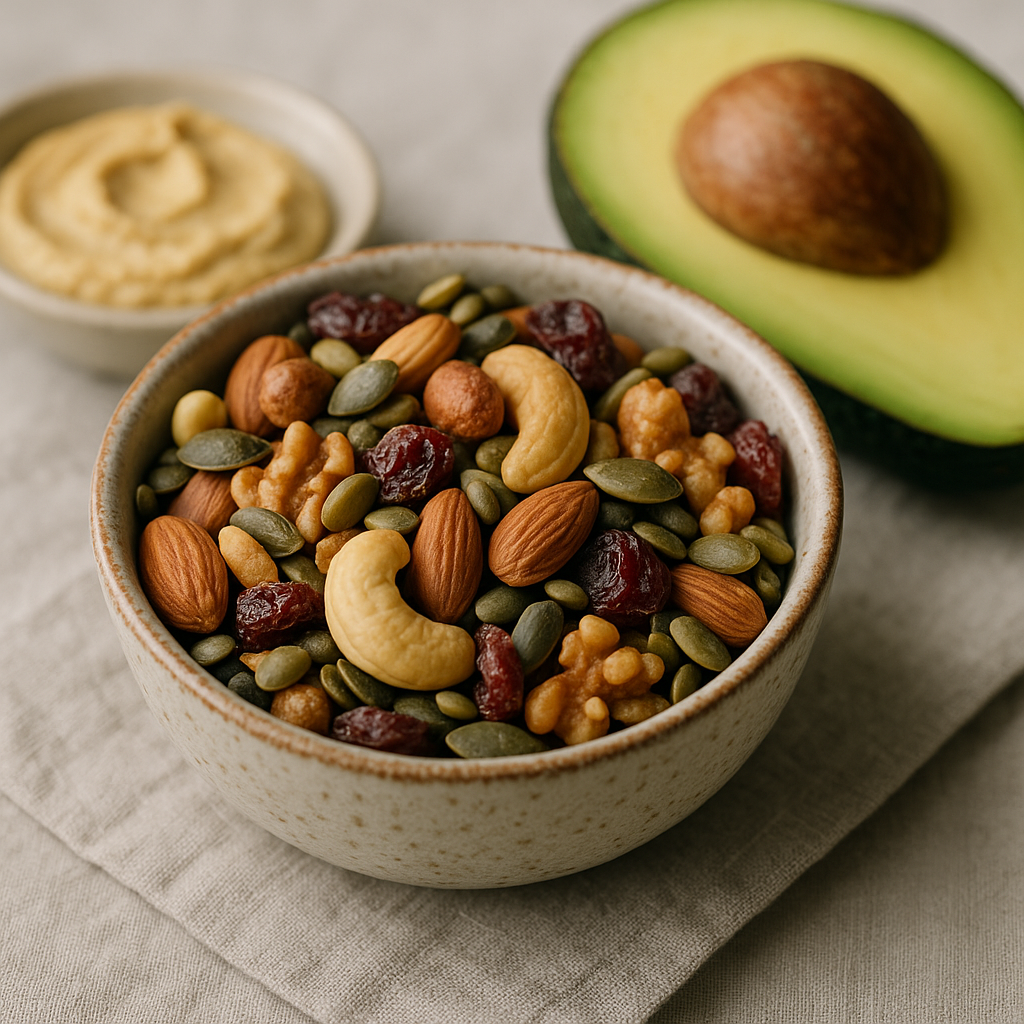
    Blood sugar instability is a direct driver of cortisol release, as the body uses cortisol to raise glucose when levels drop. Eating regular, balanced meals with protein and complex carbohydrates helps to stabilise this cycle. Magnesium, found in leafy greens, nuts and seeds, is also associated with lower cortisol response to stress. Reducing caffeine intake, particularly after midday, removes a chemical trigger that artificially prolongs cortisol elevation.

    Build intentional rest into your day

    Breathwork and mindfulness have a robust evidence base here. Even ten minutes of slow diaphragmatic breathing activates the parasympathetic nervous system, which directly counters the cortisol response. Apps and structured programmes can help, but so can simply sitting somewhere quiet after lunch. Consistency matters far more than duration.

    What to Look for in Your Skincare Routine

    Addressing the hormonal root cause is the priority, but supporting your skin topically makes sense in parallel. Ingredients with anti-inflammatory properties, such as niacinamide, azelaic acid and ceramides, help manage the surface effects of cortisol-driven inflammation. A consistent, gentle cleansing routine combined with SPF use prevents additional oxidative stress on already compromised skin. Avoiding harsh exfoliants during high-stress periods gives the skin barrier time to recover rather than sustaining further damage.

    TownCentre.app, which connects UK residents with local businesses and services on their high street, makes it straightforward to find independent pharmacies, beauty therapists and health practitioners nearby, people who can give personalised advice on stress-related skin issues rather than a generic algorithm-driven product recommendation.

    Cortisol face is a useful entry point into a broader conversation about how chronic stress leaves its mark on the body. The viral label may be imprecise, but the underlying biology is not. Managing cortisol is less about targeting a specific look and more about building a life where your nervous system gets adequate recovery time. The skin improvements tend to follow naturally from there.

    Frequently Asked Questions

    What does cortisol face look like?

    Cortisol face typically presents as facial puffiness, particularly around the cheeks and eyes, a rounded or fuller jawline, dull or uneven skin tone, and increased breakouts. These signs result from fluid retention, inflammation and reduced collagen caused by chronically elevated cortisol. Symptoms vary between individuals and are often more noticeable after periods of prolonged stress or poor sleep.

    Can you reverse cortisol face naturally?

    Yes, the effects are largely reversible once cortisol levels normalise. Consistent sleep, moderate exercise, stress management practices like breathwork, and a stable diet all help bring cortisol back into a healthy range. Skin improvements, including reduced puffiness and better tone, typically appear gradually over several weeks as the body recovers.

    How long does it take to reduce cortisol face?

    There is no fixed timeline, as it depends on how elevated cortisol has been and for how long. Most people notice improvements in puffiness and skin clarity within two to four weeks of consistently improving sleep and managing stress. Collagen-related changes such as improved firmness take longer, often several months of sustained lifestyle changes.

    Is cortisol face the same as Cushing's syndrome?

    No, they are not the same, though they share some visual similarities. Cushing’s syndrome is a clinical condition caused by severely elevated cortisol, often due to a tumour or steroid medication, and requires medical diagnosis and treatment. Cortisol face as described in wellness contexts refers to milder, stress-related changes that respond to lifestyle adjustments rather than medical intervention.

    What foods increase cortisol levels?

    High sugar intake, refined carbohydrates, excessive caffeine and alcohol are all associated with elevated or prolonged cortisol response. These foods destabilise blood sugar or act as direct stimulants on the adrenal system. Replacing them with whole grains, lean proteins and magnesium-rich foods such as spinach and almonds supports a more balanced hormonal response.

  • Nutrition Basics to Stabilise Energy and Mood Through the Day

    Nutrition Basics to Stabilise Energy and Mood Through the Day

    Most people know the feeling well: a sharp burst of energy mid-morning, followed by a slump that arrives almost without warning around 3pm. Then comes the irritability, the brain fog, the reaching for biscuits or another coffee. What many don’t realise is that this pattern is largely driven by what and when we eat. Understanding the nutrition basics to stabilise energy and mood through the day can genuinely shift how you feel, perform, and cope with everyday stress.

    Balanced breakfast spread with oats, eggs on wholegrain toast, avocado, and Greek yoghurt for steady energy
    Balanced breakfast spread with oats, eggs on wholegrain toast, avocado, and Greek yoghurt for steady energy

    Why Energy and Mood Are So Tightly Linked to Food

    Your brain runs almost entirely on glucose, the sugar your body extracts from carbohydrates. But it’s not just about how much glucose you have available; it’s about how steadily it’s delivered. When blood sugar spikes sharply, you feel a temporary high. When it crashes, so does your mood, concentration, and patience. This is why a sugary breakfast cereal might feel fine at 8am but leaves you struggling by 10.

    Beyond blood sugar, food influences neurotransmitter production. Serotonin, the chemical associated with calm and contentment, is produced largely in the gut. Its precursor, tryptophan, comes directly from protein-rich foods. Dopamine, which drives motivation and focus, similarly depends on dietary amino acids. In short, what you eat shapes your brain chemistry in ways that play out across every hour of your day.

    Start With a Balanced Breakfast

    Skipping breakfast isn’t inherently harmful for everyone, but if you do eat in the morning, the composition of that meal matters enormously. A breakfast built around refined carbohydrates alone, think white toast or sweetened yoghurt, will trigger a blood sugar spike and the subsequent crash that follows. Instead, aim to combine a source of complex carbohydrates, protein, and healthy fat in one meal.

    Oats with Greek yoghurt and a handful of seeds, or eggs with wholegrain toast and avocado, are examples that provide slow-releasing energy. This approach keeps blood glucose steadier for longer, which translates directly into more consistent focus and fewer mood dips before lunch. It’s one of the most accessible nutrition basics to stabilise energy and mood through the day, and it sets the tone for everything that follows.

    The Role of Protein at Every Meal

    Protein is often thought of in the context of muscle building, but its importance for mental and emotional balance is frequently overlooked. Eating adequate protein at each meal slows the absorption of carbohydrates, which helps prevent those sharp blood sugar swings. It also provides the building blocks for the neurotransmitters that regulate how you feel.

    You don’t need to eat large quantities. A palm-sized portion of chicken, fish, eggs, legumes, tofu, or dairy at each meal is generally sufficient for most adults. Spreading protein across the day rather than loading it all into one meal is more effective for maintaining steady energy levels.

    Close-up of healthy snacks including nuts, seeds, avocado, and hummus for balanced energy
    Close-up of healthy snacks including nuts, seeds, avocado, and hummus for balanced energy

    Don’t Fear Fat, but Choose It Wisely

    Dietary fat has had a complicated reputation over the decades, but the evidence is now fairly clear: healthy fats are essential for brain function and hormone production. Omega-3 fatty acids in particular, found in oily fish such as salmon and mackerel, walnuts, flaxseeds, and chia seeds, have been linked to improved mood, reduced anxiety, and better cognitive function.

    Healthy fats also slow gastric emptying, meaning food stays in your stomach longer and energy is released more gradually. Adding a small portion of avocado, olive oil, nuts, or oily fish to meals is a practical way to build stability into your day. It’s a detail that often goes unmentioned but sits at the heart of solid nutrition basics to stabilise energy and mood through the day.

    Managing Snacks and the Afternoon Slump

    The mid-afternoon energy dip is partly biological, tied to natural circadian rhythms, but it’s made significantly worse by poor eating earlier in the day. If you find yourself reaching for something sweet around 3pm, it’s worth examining what you ate at lunch. A meal heavy in refined carbohydrates and low in protein or fat is usually the culprit.

    If you do need a snack, pair something with a little carbohydrate alongside protein or fat. An apple with almond butter, a small handful of mixed nuts, or oatcakes with hummus are all options that support steady blood sugar rather than spiking it. Avoid high-sugar snacks and energy drinks, which offer a short burst of energy followed by a deeper crash.

    Hydration and Its Underestimated Effect on Mood

    Even mild dehydration, around one to two percent of body weight, has been shown to affect mood, concentration, and the perception of effort. Many people move through their day in a state of low-level dehydration without connecting it to their irritability or fatigue. Water doesn’t directly deliver energy, but it’s essential for every metabolic process that does.

    Aim for roughly six to eight glasses of water across the day, more if you’re active or the weather is warm. Herbal teas count towards this. Coffee, while popular, has a mild diuretic effect and can contribute to blood sugar fluctuations if consumed in large quantities, especially on an empty stomach.

    Putting It Together: A Practical Eating Pattern

    The details of nutrition can feel overwhelming when considered all at once. But the underlying principles are straightforward. Eat regularly enough to avoid blood sugar dips. Build each meal around vegetables, a quality protein source, and a complex carbohydrate. Add healthy fats. Stay hydrated. Limit foods and drinks that spike and crash blood sugar rapidly.

    These are, at their core, the nutrition basics to stabilise energy and mood through the day. They don’t require expensive supplements or an obsessive approach to eating. They require consistency and a reasonable understanding of how food affects the body. Start by adjusting one meal at a time, notice how you feel, and build from there. Small, sustainable changes made regularly will always outperform dramatic short-term overhauls.

    Frequently Asked Questions

    What foods are best for preventing the afternoon energy slump?

    Foods that combine protein, healthy fats, and complex carbohydrates help prevent the afternoon dip. Good options include a lunch with lean protein, plenty of vegetables, and wholegrains. Avoid large portions of refined carbohydrates, which can cause blood sugar crashes a few hours later.

    How does blood sugar affect mood?

    When blood sugar rises sharply and then drops, the brain responds with symptoms like irritability, anxiety, poor concentration, and fatigue. Keeping blood sugar steady through balanced meals helps maintain a more consistent emotional state throughout the day.

    Can skipping meals affect my mental health?

    Skipping meals, particularly over a prolonged period, can lead to blood sugar drops that worsen mood, increase stress responses, and impair concentration. Eating regular, balanced meals is one of the simplest ways to support both mental and physical wellbeing.

    Are there specific nutrients that support mood stability?

    Yes. Omega-3 fatty acids, magnesium, B vitamins, and tryptophan (found in protein-rich foods) all play roles in neurotransmitter production and mood regulation. A varied diet with plenty of whole foods generally covers most of these needs without the need for supplements.

    How much protein should I eat to support steady energy levels?

    Most adults benefit from around 0.8 to 1.2 grams of protein per kilogram of body weight per day. Spreading this across three meals rather than consuming it all at once is more effective for maintaining stable blood sugar and consistent energy levels.

  • Why a Morning Wellness Routine Could Be the Best Thing You Do for Your Health

    Why a Morning Wellness Routine Could Be the Best Thing You Do for Your Health

    A morning wellness routine might sound like something reserved for early risers with too much free time, but the evidence behind starting your day with intention is genuinely compelling. From regulating cortisol levels to improving mood and focus throughout the day, what you do in the first hour after waking has a disproportionate influence on your overall health. Whether you have 10 minutes or a full hour, building a consistent morning practice could be the most impactful health decision you make this year.

    What Does a Morning Wellness Routine Actually Include?

    A morning wellness routine is not a rigid checklist or a performance. It is a personalised set of habits that prepares your body and mind for the demands of the day. Depending on your health goals and lifestyle, it might include physical movement, mindful breathing, hydration, journalling, or simply stepping outside for natural light exposure. The key is that the activities are intentional and repeated consistently – not grabbed at randomly on days when motivation is high.

    Research consistently shows that structured morning habits reduce decision fatigue, which is the mental exhaustion that comes from making too many choices throughout the day. By anchoring your early hours to familiar, health-focused actions, you conserve mental energy for more complex decisions later on.

    The Science Behind Starting Your Day Well

    Your body’s cortisol levels naturally peak within the first 30 to 45 minutes after waking – a process called the cortisol awakening response. This hormonal surge is your body’s built-in alertness mechanism, and it is most effectively supported by exposure to natural daylight and gentle physical activity. Scrolling through your phone immediately after waking, by contrast, disrupts this process and can leave you feeling groggy and reactive for hours.

    Hydration is another often overlooked factor. After six to eight hours without fluids, your body is mildly dehydrated by the time you wake. Drinking 500ml of water first thing supports kidney function, aids digestion, and has been linked to improved concentration in the morning hours. It is a small habit with measurable impact.

    Movement in the Morning: Does It Have to Be Intense?

    One of the most common misconceptions about a morning wellness routine is that it requires vigorous exercise. In reality, even 10 minutes of gentle movement – yoga stretches, a brisk walk, or bodyweight exercises – triggers the release of endorphins and improves blood circulation. For people managing chronic conditions or recovering from injury, lower-intensity options such as tai chi or resistance band work can be just as effective for mood and energy regulation.

    The goal is not to exhaust yourself before 8am. It is to signal to your nervous system that the day has begun and that your body is ready to engage. Consistency matters far more than intensity when it comes to long-term health outcomes.

    Mental Health Benefits of a Consistent Morning Practice

    The psychological benefits of a morning wellness routine are just as significant as the physical ones. Structured mornings reduce anxiety by creating a sense of control and predictability – particularly important for people who experience high stress at work or in their personal lives. Practices like gratitude journalling, even for just five minutes, have been shown in clinical studies to lower symptoms of depression and increase emotional resilience over time.

    Mindful breathing exercises, such as the 4-7-8 technique or simple diaphragmatic breathing, activate the parasympathetic nervous system and counteract the stress response. Including even one of these practices each morning can make a meaningful difference to how you handle pressure throughout the day.

    For those who like to stay informed and organised, pairing your morning with a brief review of the day ahead – checking priorities, reading something thoughtful, or engaging with credible article publishing platforms that focus on health and wellness – can provide both mental stimulation and a calm sense of readiness.

    How to Build a Morning Wellness Routine That Sticks

    The biggest barrier to maintaining a morning wellness routine is overcomplication. Many people attempt to overhaul their entire morning in one go, adding meditation, exercise, journalling, and meal prep all at once – and then abandon everything within a fortnight. A more effective approach is habit stacking: attaching one new behaviour to an existing habit.

    For example, if you already make a cup of tea each morning, use that brewing time for two minutes of deep breathing. Once that feels natural, add a five-minute stretch afterwards. Building gradually means each new habit has time to become automatic before the next is introduced.

    Setting a consistent wake time – even at weekends – is also central to long-term success. Your body’s circadian rhythm thrives on regularity, and erratic sleep and wake times undermine even the best morning intentions.

    Tailoring Your Routine to Your Health Goals

    Your these solutions should reflect your specific health priorities. Someone managing high blood pressure might prioritise a 20-minute walk and a low-sodium breakfast. Someone with anxiety might focus on breathwork and avoiding news and social media until mid-morning. A person working on weight management might use the morning to prepare a nutritious breakfast and hydrate properly before caffeine.

    There is no universal formula. The most effective routine is the one you can realistically maintain over months and years, not the one that looks impressive on paper. Starting at your baseline – wherever that is – and building upward is always the right approach.

    Journalling as part of a daily morning wellness routine on a wooden table
    Woman practising gentle movement as part of her morning wellness routine at home

    Morning wellness routine FAQs

    How long should a morning wellness routine be?

    There is no set duration – even 10 to 15 minutes of consistent, intentional habits can deliver real health benefits. What matters most is regularity rather than length. As your routine becomes established, you can naturally extend it to include more practices if your schedule allows.

    What is the best time to wake up for a healthy morning routine?

    The best wake time is one you can maintain consistently, including at weekends. Waking at the same time each day supports your circadian rhythm, which regulates sleep quality, hormone balance, and mood. Most adults benefit from waking between 6am and 8am, but individual needs vary depending on sleep chronotype.

    Can a morning wellness routine help with anxiety?

    Yes – structured morning habits have a measurable positive effect on anxiety. Practices such as diaphragmatic breathing, journalling, and avoiding screens immediately after waking all activate the parasympathetic nervous system and reduce the stress response. Over time, the predictability of a routine itself creates a calming effect.

    Is it better to exercise in the morning or evening for health?

    Both have benefits, but morning exercise has the advantage of boosting endorphins and alertness early in the day, making it easier to stay consistent since fewer scheduling conflicts arise. Evening exercise can interfere with sleep for some people due to elevated heart rate and cortisol, though this varies by individual.

    What should I eat or drink first thing in the morning for wellness?

    Drinking 500ml of water before anything else is one of the most beneficial habits you can adopt, as it counteracts overnight dehydration and supports kidney and digestive function. For food, a balanced breakfast containing protein, healthy fats, and fibre – such as eggs with wholegrain toast or Greek yoghurt with fruit and oats – provides sustained energy and helps regulate blood sugar throughout the morning.