

The debate has been running for years. Train before breakfast and your body burns more fat. No, eat first or you’ll lose muscle. Take creatine. Don’t take creatine fasted. The noise is relentless, and if you’re trying to work out in the window between your alarm and a packed commute into work, it can feel impossible to know what to actually do. I’ve sifted through the research so you don’t have to, and the honest answer is more nuanced, and more practical, than most fitness content admits.
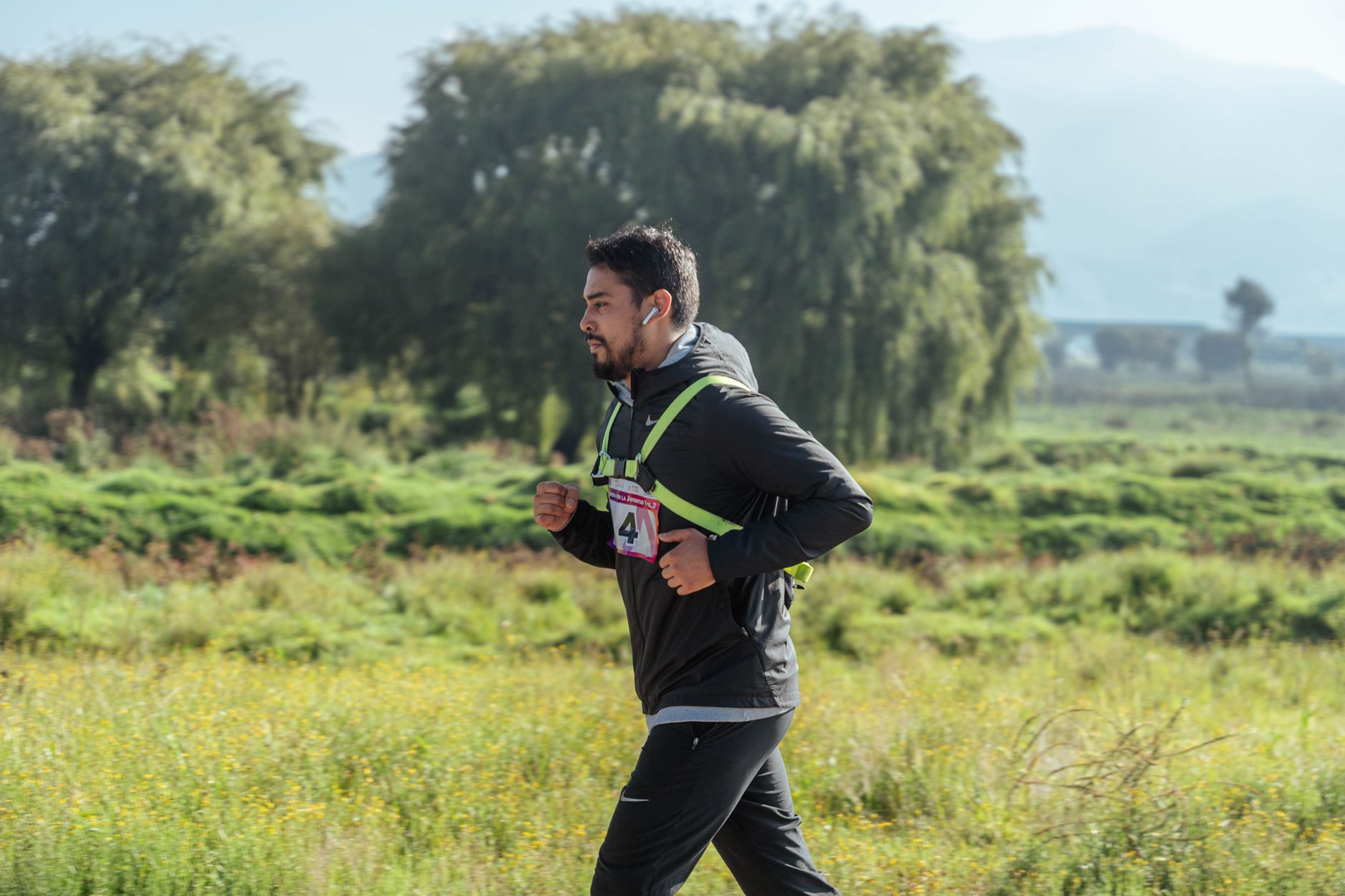
What fasted training actually means
When people say “fasted training”, they generally mean exercising after an overnight fast of roughly eight to twelve hours, before consuming any calories. For most people in the UK, that means rolling out of bed and heading straight to the gym, park, or living room without breakfast. It does not mean a multi-day fast or anything remotely extreme. Physiologically, being in a fasted state means lower insulin levels and, in theory, a greater reliance on stored fat as fuel. That part is real. The question is whether it translates into meaningfully better outcomes.
What the research actually shows on fat loss
The fasted training evidence UK fitness communities often cite goes back to a frequently referenced 2016 study published in the British Journal of Nutrition, which found that men who ran fasted burned up to 20% more fat during the session compared to those who had eaten beforehand. That sounds compelling. But here is the catch: fat oxidation during a workout does not automatically equal greater fat loss over 24 hours. The body is good at compensating. If you burn more fat during your run, you tend to burn more carbohydrate later in the day when you eat, and vice versa. Total fat loss over time depends far more heavily on your overall calorie balance than on the timing of any single session.
A review published in the Journal of the International Society of Sports Nutrition looked at multiple studies comparing fasted and fed aerobic exercise and concluded there was no significant difference in body composition outcomes when total calories were matched. So if you eat exactly the same amount either way, your body fat over weeks and months is unlikely to differ based on breakfast timing alone. That does not mean fasted training is useless. It means the mechanism is different from what most people assume.
The muscle retention question
This is where fasted cardio becomes more complicated, especially for anyone doing strength training. Lifting weights in a fasted state does raise cortisol and can increase muscle protein breakdown to some degree, particularly in longer or more intense sessions. For a 20-minute morning jog, this is barely relevant. For a 60-minute heavy lifting session, it is worth thinking about.
Protein timing research suggests that having amino acids available around your training session, before or after, helps with muscle protein synthesis. If you’re training fasted and then not eating for another two hours because your commute is awkward, you’re extending the window in which your muscles are essentially waiting for raw materials. I’d argue this matters more if building or preserving muscle is your primary goal than if you’re just going for a steady-state morning run.
This connects neatly to what happens to your body at a desk all day, if your morning workout is one of the few genuine movement windows you have, getting the most out of it matters, and arriving at work having had nothing but coffee is not always the best set-up for that.
How UK breakfast habits and commuting complicate things
The practical reality of morning training in Britain is that a lot of people are working around a 6–8am session, a train or drive into a city centre, and either a full day of work or childcare commitments starting before 9am. That schedule does not always leave time for a proper pre-workout meal, a 45-minute digestion window, and a cool-down. Which is exactly why fasted training is popular here, it removes a variable, not because it is metabolically superior.
According to data from the British Nutrition Foundation, around a third of UK adults regularly skip breakfast. For that group, training fasted is not a deliberate biohacking choice; it is just what happens. If you are in that camp, the evidence suggests you are not sabotaging yourself. You are just training fasted, which is fine for most moderate-intensity sessions.
Where it gets interesting is the performance side. Most research consistently shows that having carbohydrates before exercise improves high-intensity performance. If your morning session involves sprints, heavy compound lifts, or anything requiring genuine top-end output, eating something beforehand, even something small like a banana or a small bowl of oats, will likely help you perform better. Better performance in a session usually means a better training stimulus, which over time drives better results. That chain of logic is worth respecting.
A practical framework depending on your goal
Rather than picking a side, I think the smarter approach is to match your strategy to what you are actually trying to achieve. If fat loss is the goal and your session is steady-state cardio lasting under 45 minutes, training fasted is completely reasonable and the evidence does not show you’re leaving meaningful results on the table. If your goal is building muscle or maintaining it during a calorie deficit, having some protein before or immediately after, a Greek yoghurt, a protein shake, eggs if you have time, is worth the effort. And if your session involves anything genuinely intense, eating something beforehand is likely to produce better output and, over time, better adaptation.
It is also worth acknowledging that sleep quality affects how you feel training fasted. If you are regularly going to bed late and disrupting your hormones, training fasted on poor sleep can feel disproportionately hard, and it can blunt motivation over time. The fasted vs fed decision does not exist in isolation from your overall recovery picture.
What about supplements taken fasted?
A common question is whether to take supplements like creatine or magnesium before a fasted session. Creatine does not require food to be absorbed, you can take it at any time and it saturates muscle tissue over days, not hours. Magnesium is worth being careful with on an empty stomach, as some forms can cause digestive discomfort without food present. Caffeine, the most widely used pre-workout aid in the UK, works fine fasted and may actually enhance fat oxidation during exercise slightly, though as discussed, that does not automatically translate into greater fat loss overall.
The bottom line on fasted training
Fasted training is not a magic protocol and it is not the mistake some gym voices make it out to be. The fasted training evidence UK research collectively points to is this: for fat loss over time, it makes little difference if your diet is consistent. For performance and muscle retention, eating something, particularly protein, is worth it if your session is long or intense. Your commute, your sleep, and your overall weekly calorie intake matter considerably more than whether you had toast before a 30-minute jog.
The NHS recommends adults do at least 150 minutes of moderate-intensity activity per week. How you fuel that activity should fit your life, not someone else’s optimised protocol. Pick the approach you can sustain, and the results will follow. You can read more about exercise recommendations on the NHS physical activity guidelines for adults.
Frequently Asked Questions
Is it better to exercise on an empty stomach in the morning?
For moderate-intensity cardio lasting under 45 minutes, fasted exercise is perfectly fine and current research shows no meaningful difference in fat loss compared to exercising fed. For high-intensity or strength sessions, having something small beforehand tends to improve performance and muscle retention.
Does fasted cardio burn more fat?
You do oxidise more fat during a fasted session, but the body compensates across the rest of the day. Multiple studies show no significant difference in total body fat loss over time between fasted and fed training when total calorie intake is the same.
Will I lose muscle if I train fasted?
Short, moderate-intensity fasted sessions are unlikely to cause meaningful muscle loss in most people. Longer or heavier sessions fasted can increase muscle protein breakdown slightly, so having protein either before or shortly after training is advisable if muscle preservation is a priority.
What should I eat before an early morning workout in the UK?
Something easily digestible and quick to prepare: a banana, a small pot of Greek yoghurt, a slice of toast with peanut butter, or a protein shake all work well and can be consumed 20 to 30 minutes before training if time is short.
Can I drink coffee before fasted training?
Yes. Black coffee does not break a fast in any meaningful physiological sense and may slightly enhance fat oxidation during exercise. It also improves alertness and performance, making it one of the more useful tools for early morning sessions.
Leave a Reply