
You had a rough night. Maybe four or five hours, maybe you woke at 3am and never quite got back off. By mid-morning, you’re standing in front of the biscuit tin with a level of conviction you haven’t felt about anything all week. This isn’t a lack of willpower. There’s a very specific hormonal chain reaction happening inside your body, and once you understand it, the whole thing starts to make sense.
Sugar cravings after poor sleep aren’t a personality flaw or a bad habit you haven’t managed to shake. They’re a biological response, driven by at least three overlapping systems that your body uses to regulate hunger, reward, and energy balance. Let me walk you through what’s actually going on.

What happens to your hunger hormones when you don’t sleep enough
Two hormones are central to this story: ghrelin and leptin. Ghrelin is produced mainly in the stomach and signals hunger to the brain. Leptin is produced by fat cells and tells your brain you’ve had enough. In a healthy, well-rested state, these two work in rough opposition, ghrelin rises before meals, leptin rises after. They keep each other in check.
A single night of poor sleep disrupts this balance significantly. Research published in the journal Sleep and referenced by the NHS confirms that even partial sleep deprivation raises ghrelin levels whilst simultaneously lowering leptin. The result is that your brain receives a double signal: you’re hungry, and your fullness feedback is muted. You feel hungrier than usual, and even when you eat, the satiety signal arrives late or quietly. This is why tiredness can feel like a bottomless appetite.
What makes this worse is that sleep deprivation doesn’t just increase generalised hunger. It specifically sharpens your craving for high-calorie, high-carbohydrate foods. Brain imaging studies have shown that the reward centres in sleep-deprived participants light up more strongly in response to images of sugary and fatty foods. Your hungry brain is actively seeking the fastest fuel source available.
The endocannabinoid system: your brain’s hidden accelerator
There’s a third player here that doesn’t get nearly enough attention: the endocannabinoid system. This is the same system that cannabis compounds act on, and it plays a significant role in regulating appetite, reward, and food-seeking behaviour. When you’re sleep-deprived, levels of a compound called 2-arachidonoylglycerol (usually shortened to 2-AG) rise in the bloodstream during the late morning and early afternoon. This is the same window when many people report their cravings being at their sharpest.
Elevated 2-AG specifically increases the desire for sweet, salty, and fatty snacks. It doesn’t just make you hungry in a general sense; it makes particular foods feel irresistible in a way that’s genuinely difficult to override through conscious decision-making. If you’ve ever noticed that tiredness makes you reach for sweets or crisps rather than a bowl of salad, this is part of the explanation. The system is nudging you towards energy-dense foods, and it’s doing so with some force.
I find this piece of the puzzle genuinely fascinating, partly because it reframes the experience. People often tell themselves they “have no discipline” on bad-sleep days. But they’re fighting a neurochemical drive that evolved to push our ancestors towards calorie-dense food when resources were uncertain. You’re not weak. You’re running ancient software on modern hardware.
Why your afternoon energy crash makes it even worse
Blood sugar instability is another layer that compounds the problem. When you’re tired, your cells become less sensitive to insulin, meaning glucose from food isn’t absorbed as efficiently. You may eat a normal breakfast, but your blood sugar spikes higher and then drops more sharply than it would on a rested day. That drop triggers another wave of cravings. It’s a loop: poor sleep raises ghrelin and endocannabinoid activity, you reach for something sweet, blood sugar spikes and crashes, and the craving cycle restarts. If you’ve read our piece on why your afternoon energy crash isn’t about lunch, you’ll recognise this pattern.
The situation is made harder because cortisol, your primary stress hormone, which also rises with sleep deprivation, further promotes the desire for quick-release carbohydrates. Cortisol evolved to mobilise energy in stressful situations, and from your body’s perspective, running on five hours of sleep counts as a stressful situation.
Practical strategies to stabilise appetite when you’re running on little sleep
The best answer is, obviously, to sleep better. But that’s not always within your control on the day in question. Here’s what I’d focus on when you’re already tired and trying to get through the day without raiding the vending machine.
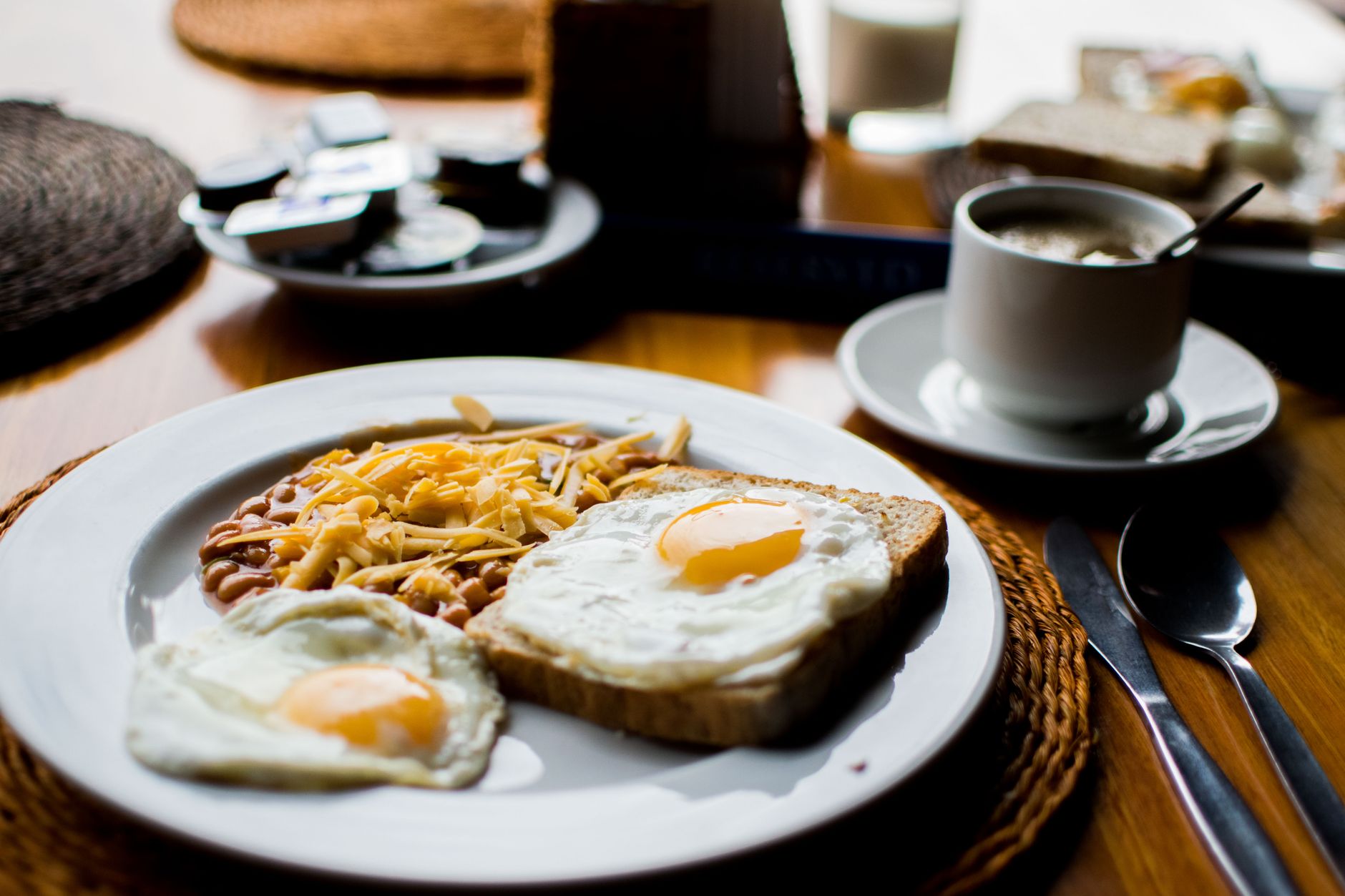
Lead with protein at breakfast. Protein blunts the ghrelin response more effectively than carbohydrates alone. Eggs, Greek yoghurt, smoked salmon on wholegrain toast, anything that gets you a meaningful amount of protein early. This won’t silence the cravings entirely, but it delays the next hunger signal noticeably. Aim for at least 20-30g of protein in your morning meal.
Don’t skip fibre. Soluble fibre slows gastric emptying and helps smooth the blood sugar curve. Oats, beans, and vegetables are your friends here. A good starting point is our article on how much fibre British adults are actually eating, most people are falling well short of the 30g daily target, and sleep-disrupted days are exactly when the shortfall bites hardest.
Keep something sensible nearby. This is unglamorous advice, but it works. If your desk has a pot of mixed nuts or some oatcakes, you’re far less likely to make a poor decision under the influence of elevated 2-AG at 11am. The craving itself is real; you’re just giving it a slightly better target.
Stay hydrated. Dehydration mimics hunger signals. On a tired day, it’s easy to undershoot on fluids, which adds a thirst-hunger confusion on top of everything else. Two litres of water across the day is a reasonable baseline for most adults.
Don’t try to compensate with caffeine alone. Tea and coffee will temporarily suppress appetite and sharpen focus, but they also raise cortisol, which circles back to the craving problem later in the afternoon. Use caffeine, by all means, but pair it with food rather than treating it as a meal replacement.
Accept the day and protect the night. One poor sleep day is recoverable. Where people come unstuck is when the tiredness leads to poor food choices, which leads to blood sugar dysregulation, which disrupts the following night’s sleep, and the cycle deepens. Prioritise getting to bed at a consistent time that evening, even if you feel tempted to compensate by staying up later.
When poor sleep and appetite issues become a longer pattern
If you’re regularly waking unrefreshed and finding that sugar cravings after poor sleep are a near-daily experience, it’s worth examining what’s driving the sleep disruption rather than just managing the downstream appetite effects. Alcohol is a common culprit, our article on alcohol and sleep quality covers exactly why that evening glass of wine tends to fragment the second half of your night. Stress, anxiety, and screen exposure before bed all suppress melatonin and push sleep onset later.
Chronic sleep deprivation is associated with meaningful increases in BMI, type 2 diabetes risk, and cardiovascular strain. This isn’t alarmism; it’s a straightforward downstream consequence of sustained hormonal dysregulation. If you’ve been managing five to six hours a night for months rather than days, that’s a conversation worth having with your GP.
I’d also note that some people discover their sleep issues are tied to screen-related distractions. If you’ve recently moved house and your indoor aerial or TV setup isn’t quite working, the temptation to stay up troubleshooting late at night is real, tv-aerials.co.uk has a clear guide if you need to sort that out quickly so it stops costing you sleep time.
The hormonal picture behind sugar cravings after poor sleep is complex, but the message is a reassuring one in its own way: this is biology, not character. Understanding that ghrelin rises, leptin quietens, and the endocannabinoid system turns up the reward volume makes it easier to respond with something practical rather than self-criticism. A protein-led breakfast, steady hydration, and a bit of forward planning for your snack drawer won’t fix the sleep itself, but they give you a fighting chance of getting through the day without feeling like your appetite has gone completely rogue.
Frequently Asked Questions
Why am I so hungry after a bad night's sleep?
Poor sleep raises ghrelin, the hormone that signals hunger, whilst simultaneously lowering leptin, which signals fullness. The result is that your brain receives a double message, you feel hungry, and your satisfaction feedback after eating is delayed or weakened. This is a hormonal response, not a question of willpower.
Does sleep deprivation cause sugar cravings specifically, or just general hunger?
Both, but there’s a specific bias towards sugar and high-carbohydrate foods. Elevated endocannabinoid compounds, particularly 2-AG, that appear in sleep-deprived individuals increase the desirability of sweet, salty, and fatty foods. Brain imaging studies also show that sleep-deprived people’s reward centres respond more strongly to calorie-dense foods than rested people’s do.
How long does it take for hunger hormones to return to normal after catching up on sleep?
For most people, a full night’s sleep of seven to nine hours restores ghrelin and leptin to more typical levels within 24 hours. However, if sleep deprivation has been ongoing for weeks, the hormonal disruption takes longer to resolve, and appetite regulation may remain off for several days even after sleep improves.
What can I eat after a bad night's sleep to stop the cravings?
A high-protein breakfast, eggs, Greek yoghurt, or smoked salmon, blunts ghrelin more effectively than toast or cereal alone. Pairing this with soluble fibre slows blood sugar absorption and reduces the mid-morning spike-and-crash cycle. Keeping mixed nuts or oatcakes to hand also helps you redirect cravings towards something more stable when they hit.
Can one bad night's sleep genuinely affect my weight?
A single night’s disruption is unlikely to cause lasting weight change, but it can cause a measurable increase in calorie intake for that day. Chronic short sleep, defined as consistently under six hours per night, is linked in multiple studies to higher BMI and increased risk of type 2 diabetes, largely because of the sustained effect on hunger hormones and insulin sensitivity.