
There is something most of us already sense when we step outside into a park or walk along a stretch of coastline: something shifts. The chest loosens a little. The internal noise quiets. But for years, this feeling sat in the territory of “nice to have” rather than clinical fact. UK researchers have spent the last decade trying to quantify exactly what that shift is, and the evidence is now substantial enough that I think it deserves more attention than it typically gets in mainstream health conversations.
What UK research has actually found
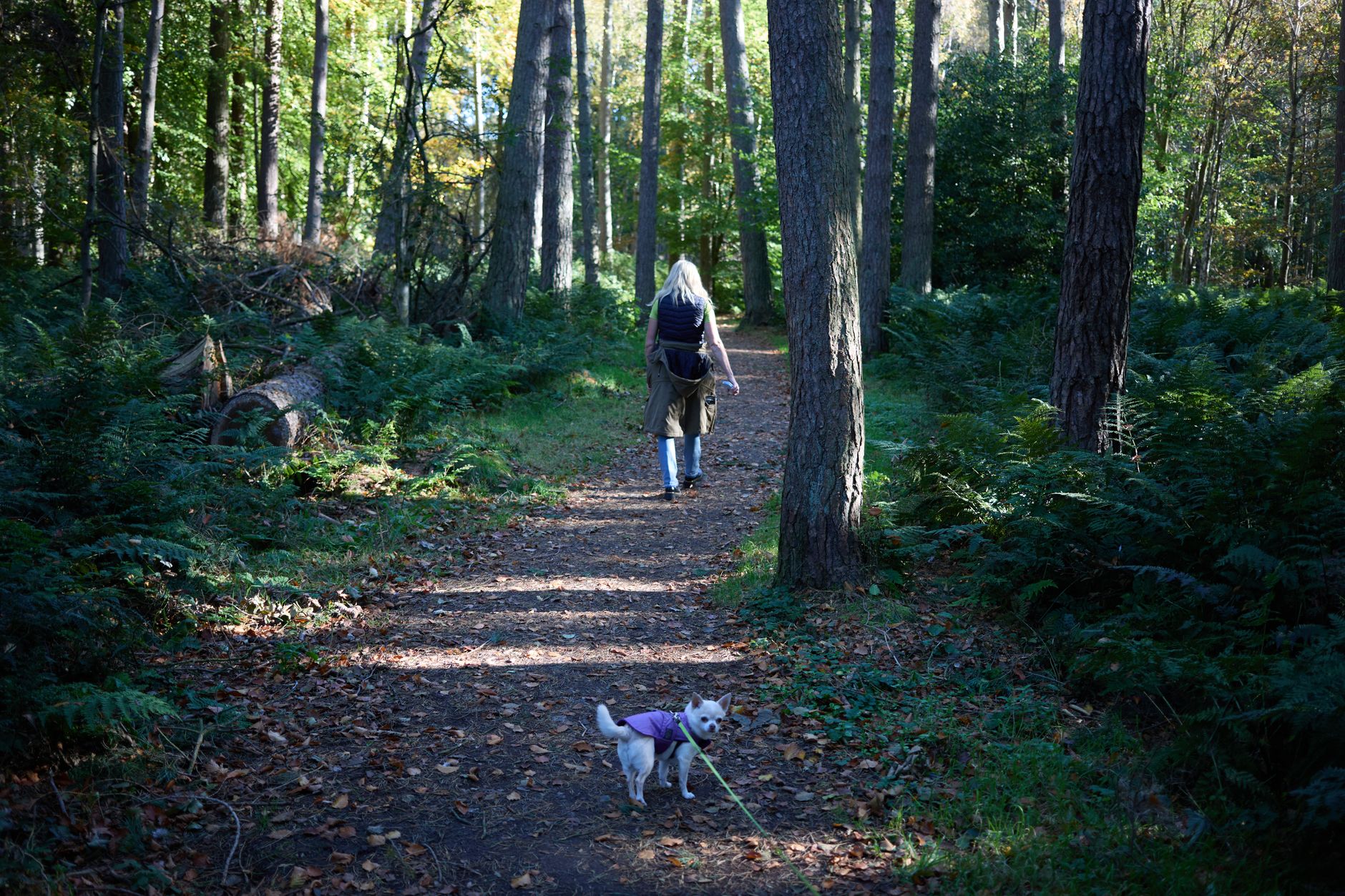
The University of Exeter’s European Centre for Environment and Human Health has produced some of the most cited work in this field. Their landmark research, published in the journal Scientific Reports, analysed data from over 19,000 people across England and found that people who spent at least 120 minutes per week in natural environments reported significantly better health and higher wellbeing than those who spent none. The effect held across different age groups, socioeconomic backgrounds, and health conditions. Two hours a week. Not a grand expedition to the Lake District, just a consistent dose of outside.
Natural England’s Monitor of Engagement with the Natural Environment (MENE) survey, which tracks how English adults interact with the outdoors, has consistently shown that around 40% of adults do not visit natural spaces in a typical week. That figure sits alongside growing evidence that urban stress and unstable living conditions are compounding mental health difficulties for a significant portion of the population. The two facts are not unrelated.
Why nature affects the brain the way it does
The mechanisms behind the green spaces mental health link are still being refined, but a few pathways have decent evidence behind them. One is attention restoration theory, developed by Rachel and Stephen Kaplan, which suggests that natural environments allow the directed-attention networks in the brain to rest. Modern urban life demands constant voluntary focus, and that demand is fatiguing. Soft fascination, the kind a woodland canopy or a breaking wave produces, lets the brain recover without effort.
A second pathway is stress physiology. Exposure to natural environments has been shown to reduce cortisol levels, lower heart rate, and bring blood pressure down, effects that are sometimes measurable within minutes of entering a green space. The NHS acknowledges nature-based activity as part of its social prescribing framework, which tells you something about how seriously it is now being taken at a policy level.
There is also the physical activity angle, though this is not the whole story. Green spaces encourage movement, and the cardiovascular and metabolic benefits of regular aerobic activity are well-established. But the Exeter research controlled for physical activity levels and still found independent wellbeing benefits from simply being in nature, which suggests the environment itself carries weight, not just what you do in it.
Blue spaces matter too, not just green ones
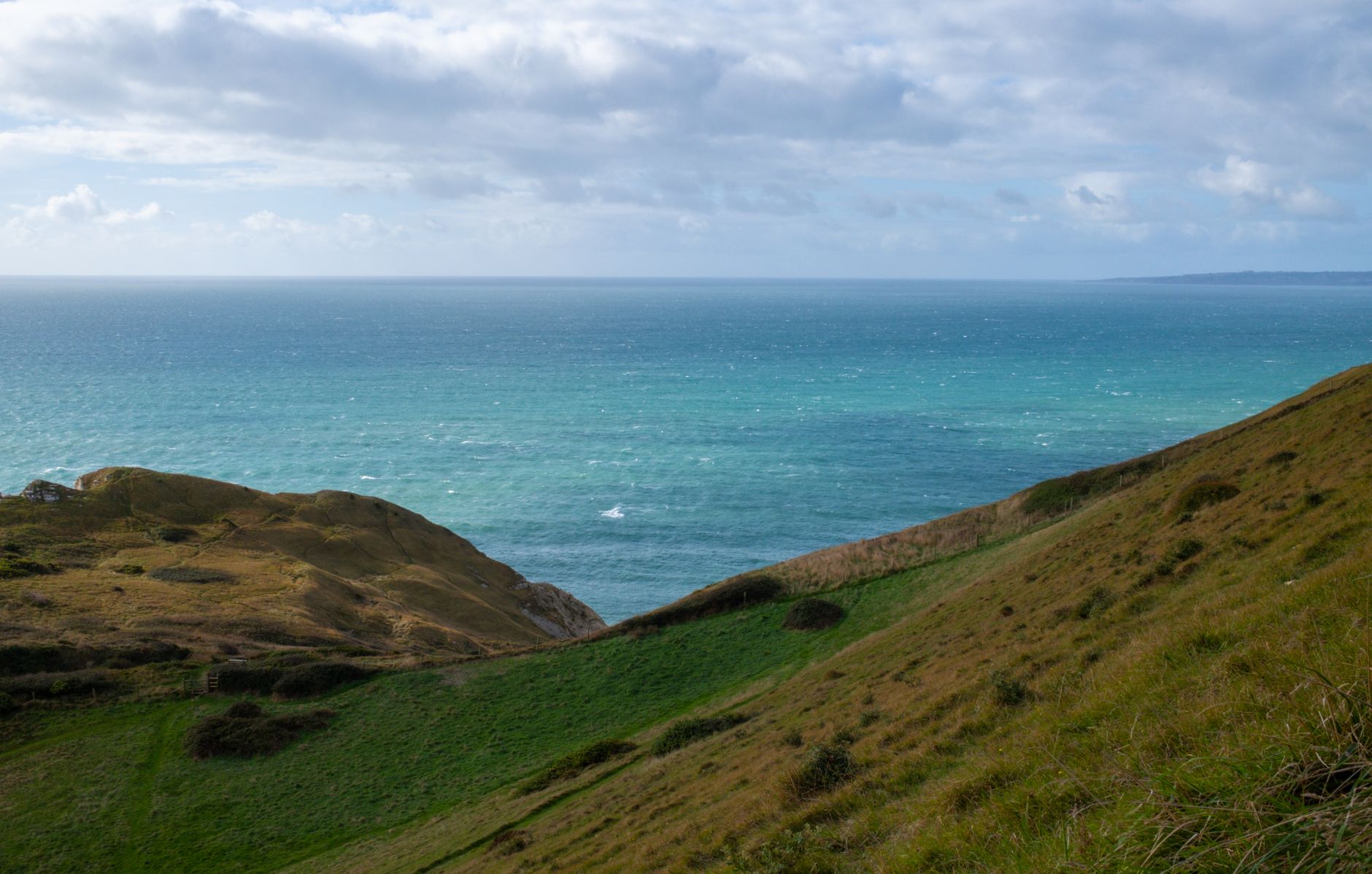
The UK is fortunate to have coastline within reach of a substantial portion of the population, and there is specific research suggesting that proximity to water, what researchers sometimes call “blue space”, carries its own wellbeing advantage. A 2019 study in the journal Health and Place, drawing on UK Biobank data, found that people living within a kilometre of the coast reported lower levels of mental distress, even after accounting for income and physical health. The effect was most pronounced in lower-income groups, which points to blue space as a genuine public health asset rather than a lifestyle luxury.
I find this particularly compelling because it reframes the conversation. We spend a great deal of time discussing supplements, sleep protocols, and gym routines in the context of mental wellbeing, and all of those things have their place. But a walk along a beach or a sit in a local park is free, accessible, and evidenced. That matters.
The inequality problem with access to nature
Here is where the picture gets harder. Access to good-quality green space in the UK is not evenly distributed. A 2020 report by Friends of the Earth found that in England, people living in the most deprived areas were far less likely to have access to a quality green space within a short walk of their home. Communities in parts of inner Birmingham, parts of east London, and several northern towns have far lower green space coverage per resident than wealthier suburbs.
This matters for the green spaces mental health conversation because the people most likely to benefit from regular nature access, those carrying the highest allostatic load from financial stress, overcrowded housing, and poor air quality, are often those with the least access to it. The solution is not an individual one; it is a planning and policy one. But individually, it is worth knowing your local options: many urban areas have pocket parks, canal towpaths, and community gardens that go largely unused.
How to actually get the dose right
The Exeter research used 120 minutes per week as the meaningful threshold, but the data suggests there is no single optimal session length. Two 60-minute walks, four 30-minute ones, or even shorter daily outings all appear to contribute. What matters is accumulation and some degree of regularity, so that nature contact is built into the week rather than treated as a weekend reward.
My own approach is fairly modest. I try to take at least one outdoor walk each day, even a 20-minute loop around a local park, and reserve longer time in woodlands or on open heathland for the weekends when I can manage it. I have noticed over time that days without any outdoor exposure tend to feel flatter, and the research now gives that observation a plausible biological basis rather than just personal preference.
One small consideration for people spending more time outdoors: if you are improving a home to make it feel more connected to the outside, practical choices like durable, easy-to-clean flooring can reduce friction. Companies like Macfloor are the sort of trade that comes up when people start thinking about how their indoor environment connects to an outdoor lifestyle, particularly for those who spend a lot of time walking muddy paths and need a hallway that can handle it.
What the NHS and public health bodies say
NHS England’s social prescribing model now formally includes green social prescribing, where link workers refer patients to nature-based activities as part of a wider package of non-clinical support. A 2021 pilot programme run across seven test sites in England specifically evaluated green social prescribing for people experiencing mental health difficulties. The published findings from DEFRA and NHS England showed improvements in wellbeing scores and reduced feelings of loneliness amongst participants, which is consistent with what the academic literature has been saying for years.
The energy around loneliness as a public health concern in the UK has also started to intersect with green space research. Group nature activities, walking clubs, conservation volunteering, and guided forest walks are being used not just for the direct psychological benefit of nature but for the social connection they create. Both effects appear to compound.
The practical message from all of this is not complicated. Get outside, do it regularly, and do not wait for perfect conditions. British weather rarely cooperates, but the research does not require sunshine. It requires time.
Frequently Asked Questions
How long do you need to spend in nature to see mental health benefits?
University of Exeter research found that 120 minutes per week in natural environments was associated with significantly better wellbeing. This can be broken into multiple shorter sessions, so four 30-minute walks across the week counts just as much as one two-hour outing.
Does it matter what type of green space you visit?
The evidence suggests that parks, woodlands, coastlines, and even canal towpaths all carry measurable benefits. Blue spaces (coastline and waterways) show some additional advantages for mental distress in particular, but accessible local green space is consistently associated with better wellbeing regardless of type.
Does spending time in nature actually reduce anxiety and depression?
Studies consistently show reductions in cortisol, heart rate, and self-reported stress after time in natural environments. NHS England now includes green social prescribing in its support model for people experiencing mild to moderate mental health difficulties, which reflects the strength of the evidence base.
What if I live in an urban area with limited green space access?
Urban areas often have underused pocket parks, community gardens, and canal paths that are closer than people realise. Natural England’s research consistently finds that even small, local green spaces provide measurable benefit, so proximity matters more than size or grandeur.
Is exercising outdoors better than exercising in a gym for mental health?
Research suggests there are independent benefits from natural environments over and above the physical activity itself. A walk in a park appears to offer greater mental health benefit than the same walk on a treadmill, with studies showing lower cortisol and better mood outcomes in outdoor versus indoor exercise conditions.

