

Most people have heard of blood pressure, cholesterol, and BMI. These are the numbers that tend to come up at NHS health checks, the ones that prompt a gentle conversation about diet or a prescription for statins. But there is a fourth number that many researchers now consider a stronger predictor of long-term health than any of them, and most British adults have no idea it exists. That number is your VO2 max, and it measures something called cardiorespiratory fitness.
I’d argue this is one of the most underappreciated health markers around. Not because it’s complicated, but because it has historically required a sports lab and an expensive treadmill test to measure accurately. That’s changing fast, and the science behind why it matters has become impossible to ignore.

What VO2 max actually means
VO2 max is the maximum rate at which your body can consume oxygen during intense exercise. The ‘V’ stands for volume, the ‘O2’ for oxygen, and ‘max’ for the ceiling your cardiovascular and muscular systems can reach when they’re working flat out. It’s measured in millilitres of oxygen per kilogram of body weight per minute (ml/kg/min), which sounds technical but essentially tells you how efficiently your heart, lungs, and muscles work together under pressure.
A 40-year-old man with a VO2 max of 50 ml/kg/min has a noticeably more capable cardiovascular system than one sitting at 35 ml/kg/min. The difference isn’t just athletic. According to research published in The BMJ, low cardiorespiratory fitness is independently associated with higher rates of cardiovascular disease, type 2 diabetes, and all-cause mortality, even after adjusting for age, weight, and smoking status. A 2022 analysis of over 750,000 patients found that each one-unit increase in VO2 max was associated with a roughly 9% reduction in mortality risk. That’s a bigger effect size than many drugs currently prescribed to reduce cardiovascular risk.
Why cardiorespiratory fitness is now considered a vital sign
The American College of Sports Medicine declared cardiorespiratory fitness a clinical vital sign back in 2016, and opinion in the UK has been moving in the same direction. Some NHS trusts are beginning to include fitness assessments as part of NHS Health Checks for adults aged 40 to 74, though this isn’t yet standardised nationally. The logic is sound: knowing someone’s blood pressure tells you about their arterial health right now, but knowing their VO2 max gives you a window into their biological age and their physiological reserve, the capacity their body has to handle stress, illness, and recovery.
Think of it this way. Two people might have identical blood pressure readings but very different capacities to survive a serious illness or surgical procedure. The one with higher cardiorespiratory fitness has more in the tank. I’ve seen this described as your body’s “engine size,” and that metaphor has always made sense to me.
There’s also a strong mental health dimension here. Low cardiorespiratory fitness is correlated with higher rates of depression and anxiety, independent of physical activity levels. The mechanisms aren’t fully understood, but neuroplasticity, inflammation, and cortisol regulation all appear to play a role. If you’ve ever wondered why a brisk walk genuinely lifts your mood (not just temporarily), this is part of the explanation.
How to estimate your VO2 max without a lab
You don’t need a treadmill test with a face mask to get a useful ballpark figure. There are several validated methods that give a reasonable estimate from everyday effort.
The Rockport walking test
Walk 1.6 kilometres (one mile) as briskly as you can on flat ground, then record your time and your heart rate immediately afterwards. You can plug those numbers into a free calculator online. It’s not perfect, but studies have shown it correlates well with laboratory VO2 max in non-athletic adults, which makes it genuinely useful for the people who most need to know their baseline.
Wearables and fitness trackers
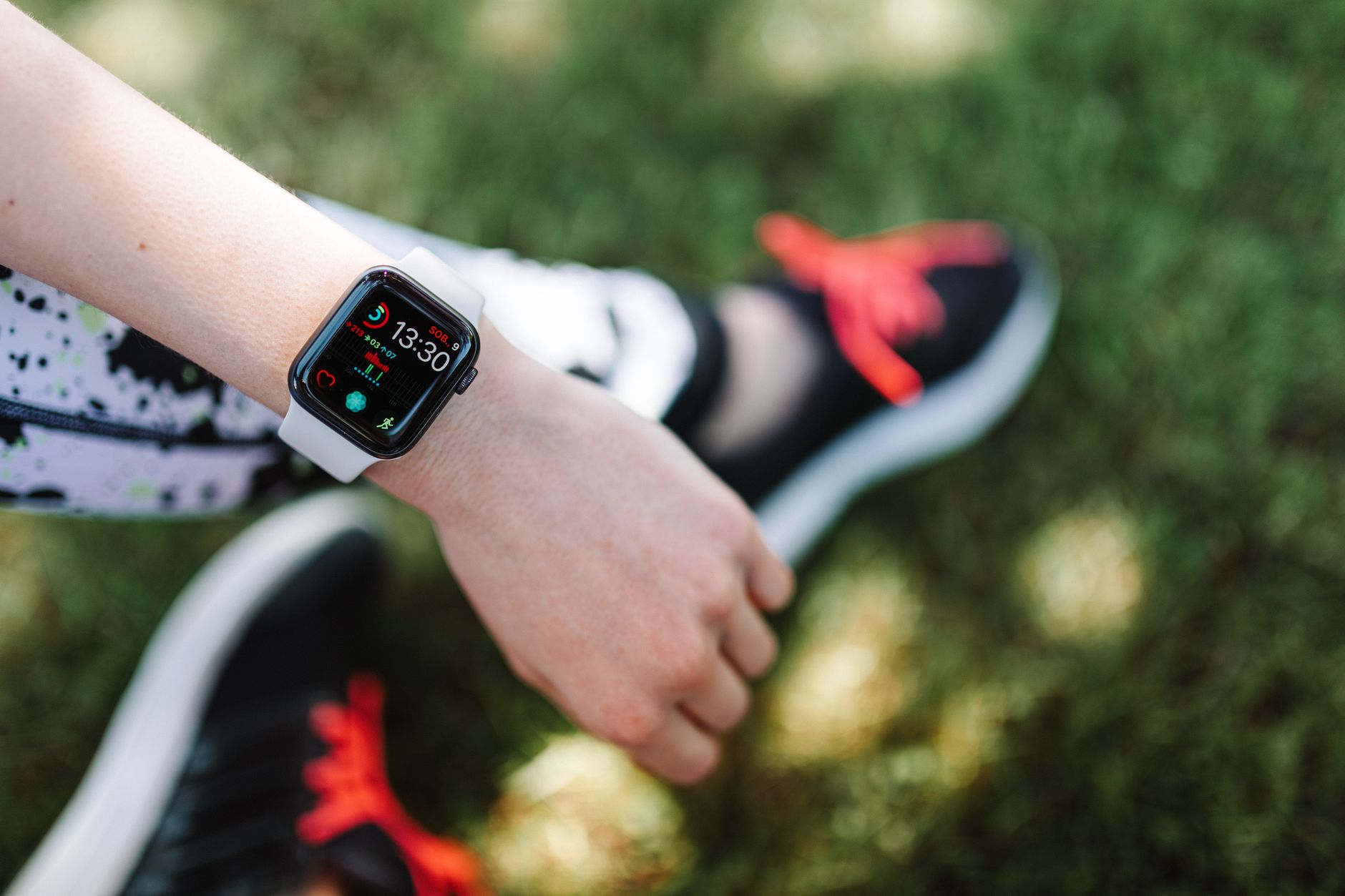
Garmin, Apple Watch, and Fitbit all now provide VO2 max estimates based on heart rate data collected during your regular walks or runs. The accuracy varies, and the algorithms differ between brands, but the trend data is useful. If your estimated VO2 max is going up over several weeks of consistent exercise, that’s a meaningful signal, regardless of the exact number. Garmin’s estimate, called VO2 Max by their platform, has been validated against laboratory testing in several peer-reviewed studies and performs reasonably well in recreational exercisers.
Know your reference ranges
Age and sex both affect what counts as “good.” For a woman in her 40s, a VO2 max above 34 ml/kg/min is generally considered average; above 42 is considered excellent. For a man in the same age bracket, average starts around 38 ml/kg/min, with excellent above 48. These aren’t targets to chase obsessively, but they give context. If you’re well below average for your age, that’s useful to know.
How to improve your VO2 max in practical terms
The good news is that VO2 max responds well to training, even in people who haven’t exercised seriously in years. The body’s cardiovascular system adapts quickly when you give it the right stimulus.
The most effective method for improving VO2 max is high-intensity interval training, or HIIT. Short bursts of hard effort, typically 1 to 4 minutes at around 85 to 95% of your maximum heart rate, interspersed with recovery periods, produce significant improvements in VO2 max within 6 to 8 weeks in previously sedentary adults. This doesn’t have to mean burpees or spin classes. It can mean cycling hard up a hill for 90 seconds, recovering for two minutes, and repeating four times. Or a series of fast-walking intervals on a treadmill. The stimulus is what matters.
Steady-state aerobic exercise also helps, just more slowly. Running, cycling, swimming, and brisk walking all build cardiorespiratory capacity over time. The NHS recommends at least 150 minutes of moderate aerobic activity per week for adults, and there’s reasonable evidence that hitting this consistently is enough to move the needle on VO2 max for most people starting from a low base. Strength training also contributes, partly because it improves the muscles’ oxygen extraction efficiency. If you’re considering adding resistance work to your routine, the evidence around strength training after 50 is particularly relevant to older adults looking to protect their long-term health.
One thing that often gets overlooked: sleep and recovery matter as much as the exercise itself. Poor sleep suppresses the hormonal responses that drive cardiovascular adaptation. There’s a direct link between how well you sleep and your ability to regulate energy and recovery, which feeds directly back into how well you train and adapt.
Should your GP be measuring this?
NHS Health Checks currently measure blood pressure, cholesterol, BMI, blood glucose, and lifestyle factors. Cardiorespiratory fitness isn’t yet a standard part of the assessment, though some GPs are beginning to ask about exercise capacity informally. The evidence suggests it should be included. A simple question, “How far can you walk briskly before you need to stop and rest?”, already predicts cardiovascular risk to a surprising degree.
If your GP doesn’t ask, consider raising it yourself. A referral to a physiotherapist or an exercise referral scheme, which many GP surgeries in England can access, can give you a structured way to improve your fitness with professional guidance. Services like Nusan also offer health-related tools worth exploring alongside any formal medical advice.
The resting heart rate is one indirect marker that your GP might already record, and it correlates reasonably with cardiorespiratory fitness. If you want to understand more about what that number means, the relationship between resting heart rate and cardiovascular health is worth knowing. Similarly, blood pressure readings can sometimes mislead; understanding the full picture of your blood pressure goes hand in hand with understanding your overall cardiovascular fitness.
The bottom line: VO2 max and cardiorespiratory fitness are no longer niche concerns for athletes. They’re among the clearest signals we have about how well your body is ageing and how much resilience you’re building against the health problems that tend to accumulate in midlife and beyond. The test to estimate it takes twenty minutes and a flat bit of pavement. That’s a reasonable ask for a number that could genuinely change how you think about your health.
Frequently Asked Questions
What is a good VO2 max for my age?
It varies by age and sex. For men in their 40s, a VO2 max of around 38 ml/kg/min is considered average; above 48 is excellent. For women in the same age group, average is around 34 ml/kg/min, with excellent above 42. These figures decline with age, so comparing yourself within your age bracket is more meaningful than chasing a single number.
Can I improve my VO2 max without going to a gym?
Yes. High-intensity interval training outdoors, such as cycling hard up hills or doing fast-walking intervals in a park, is one of the most effective ways to improve VO2 max. Consistent brisk walking and any activity that raises your heart rate meaningfully will also help over time, particularly if you’re starting from a low fitness base.
How accurate are smartwatch VO2 max estimates?
Devices like Garmin and Apple Watch use heart rate variability and pace data to estimate VO2 max. They’re not as precise as a laboratory test, but several studies have shown they correlate reasonably well in recreational exercisers. Their main value is tracking your trend over weeks and months rather than giving you a single definitive figure.
Leave a Reply