
The recommended daily fibre intake in the UK is 30g for adults. Most of us are eating somewhere between 17g and 20g. That is not a small shortfall, it is roughly half the target, and it has been sitting at that level for years. The NHS and the British Nutrition Foundation have both flagged this repeatedly, yet somehow fibre still does not get the same airtime as protein, omega-3s, or whatever supplement is trending this month.
I find that strange. Because the evidence for fibre is, frankly, more consistent than for almost anything else in nutrition. It is tied to lower risk of bowel cancer, better blood sugar regulation, improved cholesterol, a healthier gut microbiome, and even reduced all-cause mortality. This is not niche territory, it is foundational. So why are so many of us still falling short, and what actually makes it easier to close the gap?
What the data actually shows on daily fibre intake UK-wide
The National Diet and Nutrition Survey, which ONS and Public Health England have contributed to over many years, consistently finds that UK adults average around 19g of fibre per day. Men tend to sit slightly higher than women, and older adults typically do better than younger ones, partly because they eat more vegetables as a matter of habit. Children are even further behind, most are getting less than half what they need.
The 30g target itself comes from the Scientific Advisory Committee on Nutrition (SACN), which set it back in 2015 after reviewing the evidence on colorectal cancer risk. That figure has not changed, but the gap between the recommendation and reality has barely shifted either. If anything, the rise of highly processed convenience food, which tends to be very low in fibre, has made closing that gap harder for many households.
One thing worth saying: the 30g figure is for total dietary fibre, not just the kind you find in a bowl of bran. Soluble fibre (from oats, lentils, apples) and insoluble fibre (from wholegrain bread, vegetables, nuts) both count, and both do different useful things in your body. You do not need to track them separately, just know that variety matters.
Why the fibre gap matters for your gut and beyond
Your gut microbiome runs on fibre. The bacteria in your colon ferment it and produce short-chain fatty acids, which help maintain the gut lining, regulate inflammation, and influence everything from immune function to mood. I have written before about the link between gut health and anxiety, and fibre sits right at the centre of that conversation. A chronically underfed microbiome is a less diverse one, and low microbial diversity is associated with a range of chronic conditions.
Beyond the gut, fibre slows the absorption of glucose into the bloodstream, which helps with energy stability across the day. It binds to LDL cholesterol in the digestive tract and removes it before it can be absorbed. It adds bulk to food, which means you feel fuller for longer without eating more calories. These are not minor side benefits; they are mechanisms that genuinely affect how your body functions day to day.
There is also the bowel cancer angle. The UK has one of the higher rates of colorectal cancer in Europe. Bowel Cancer UK estimates that over 42,000 people are diagnosed each year. SACN’s review found a clear dose-response relationship between fibre intake and reduced risk, meaning the more fibre you eat (up to a point), the lower your risk. That is worth taking seriously.
Practical ways to get closer to 30g without overhauling your diet
This is where I want to be straightforward: you do not need a complicated meal plan or expensive health food. The staples that will get you there are already in every UK supermarket, and most of them are cheap.
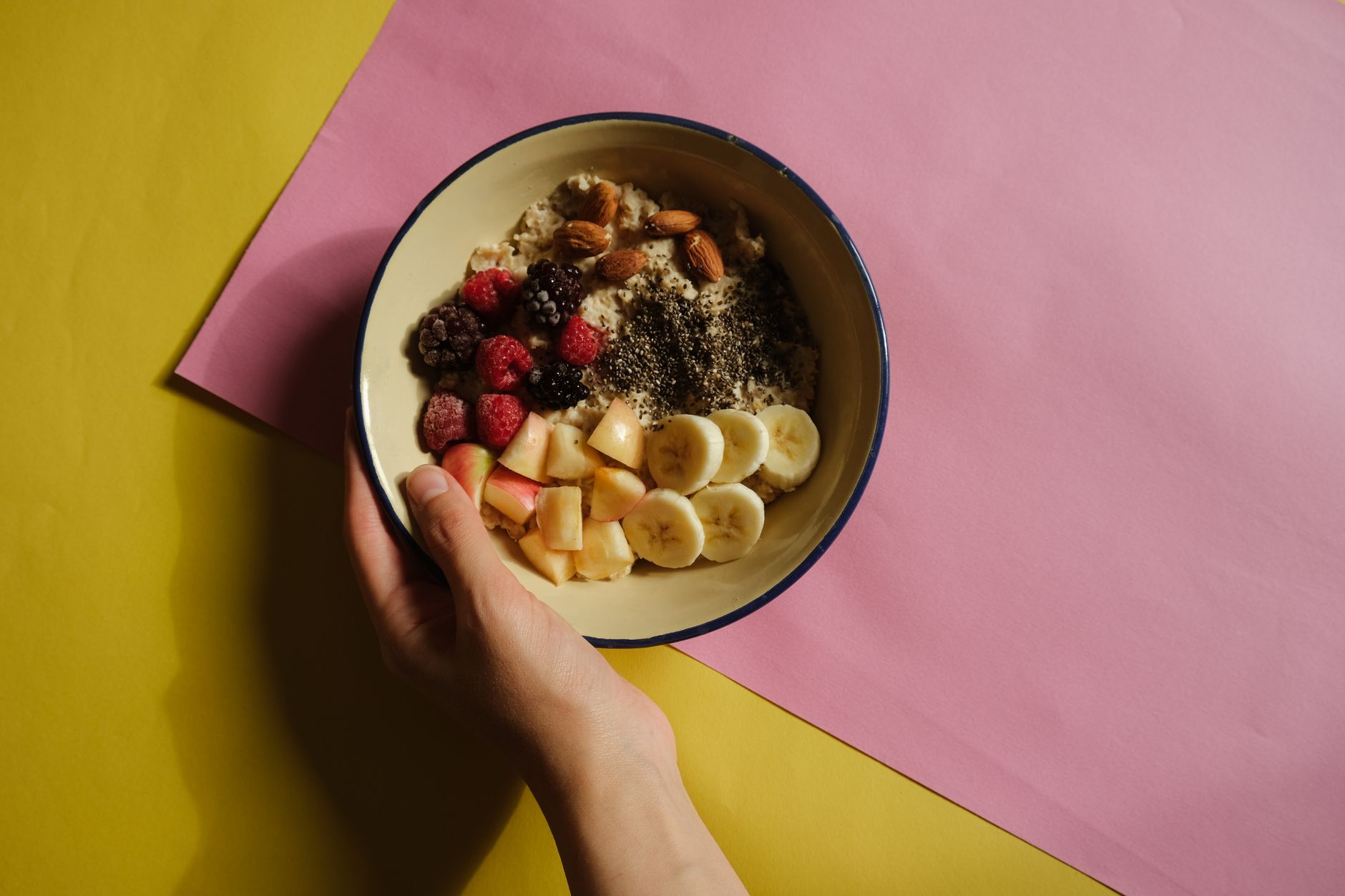
Start with breakfast. A bowl of plain porridge (roughly 3g of fibre) with a tablespoon of ground flaxseed (2.8g) and a handful of raspberries (4g per 80g serving) puts you past 9g before 9am. That is almost a third of your daily target in one meal. Swap white toast for wholegrain, the difference is about 2g per slice, which adds up meaningfully across a week.
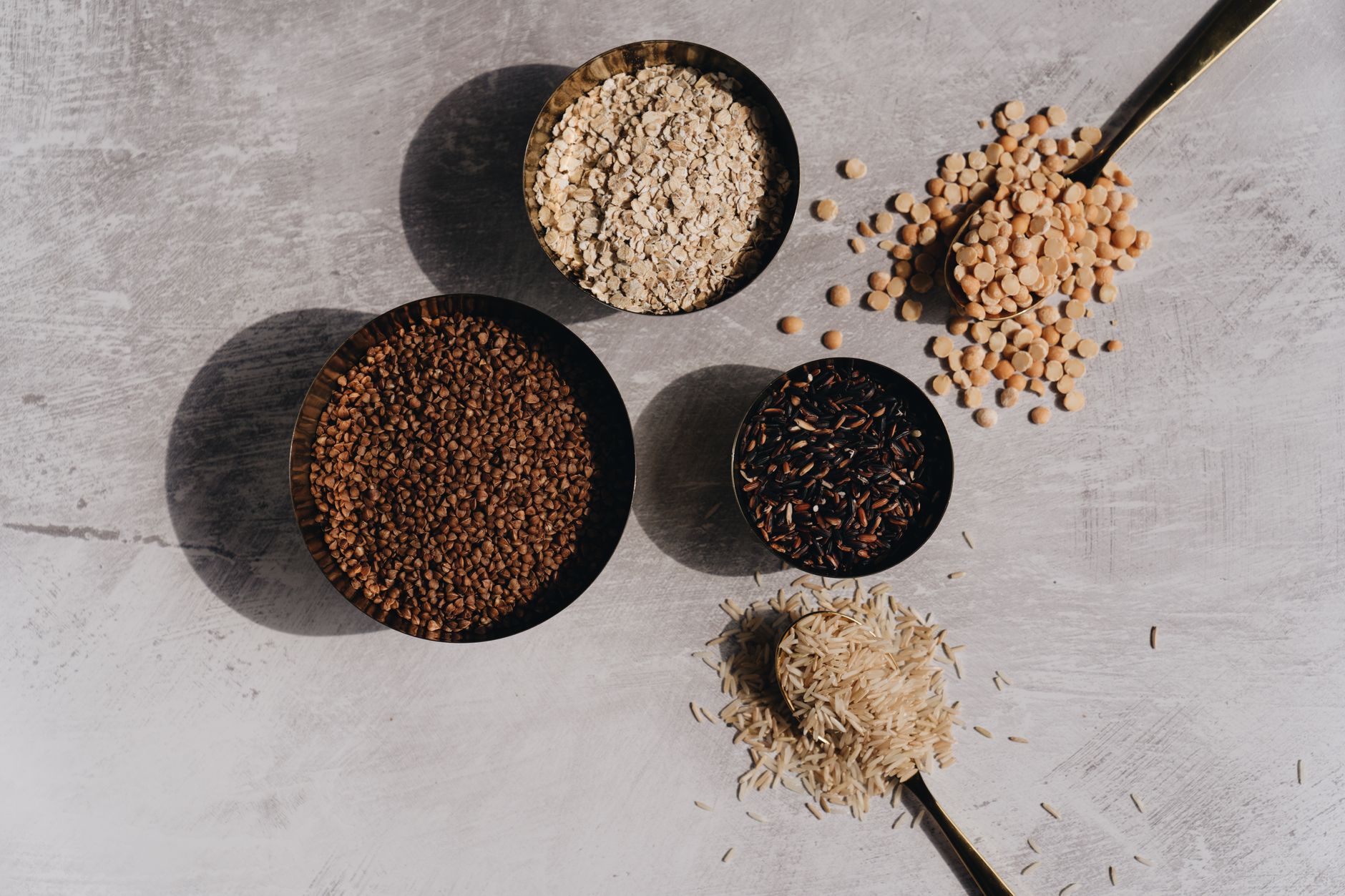
Pulses are the most underused fibre source in British cooking. A 400g tin of chickpeas, drained, contains around 16g of fibre. Throw half a tin into a curry, a soup, or roast them with olive oil and smoked paprika as a snack. Tinned kidney beans, lentils, and butter beans all follow the same logic. They are cheap, have a long shelf life, and do not require much cooking skill. If you are also thinking about eating the same meals on rotation, building one or two pulse-based meals into your regular weekly roster is a very efficient way to lift your fibre numbers consistently.
Vegetables at dinner are obvious advice, but the portion size is where most people go wrong. The typical portion of broccoli served with a meal contains about 2g of fibre. Double it and you double the contribution. Sweet potato (with skin) gives you around 4g per medium-sized one. A large handful of frozen peas added to almost anything contributes another 4-5g. None of this is difficult, it just requires being slightly more deliberate about quantity.
Snacking is another lever. Swapping crisps for a small bag of mixed nuts and seeds, or having an apple rather than skipping a snack altogether, adds another 3-4g with minimal effort. A couple of rye crispbreads with nut butter is around 5g. These are not dramatic dietary changes, they are small substitutions that compound across the day.
A note on introducing fibre gradually
If your current intake is well below 30g and you jump straight to the target overnight, your gut will let you know about it. Bloating, gas, and general digestive discomfort are common when fibre increases rapidly, because your gut bacteria need time to adapt. I would suggest adding roughly 5g per week over a month rather than changing everything at once. Drinking more water helps too, fibre absorbs fluid, and if you are increasing one without the other, things can slow down rather than speed up.
For anyone managing IBS or other gut conditions, the picture is more nuanced. Some high-fibre foods (particularly those high in FODMAPs) can trigger symptoms. A GP or registered dietitian is the right person to speak to if that applies to you, this article is about the general population picture, not clinical management.
Tracking without obsessing
A few days of loosely tracking your fibre using an app like Cronometer or MyFitnessPal can be genuinely eye-opening. Most people are surprised to see how quickly their intake drops below 15g on days when they skip breakfast or eat mostly processed food. I am not suggesting you track every day indefinitely, that tends to become its own source of stress. But a short audit can help you identify the two or three changes most likely to make a difference in your particular diet.
The broader point is this: the daily fibre intake UK adults need is not some aspirational target that requires eating obscure health foods or spending a lot of money. It is reachable through ordinary food, bought at any supermarket, prepared in normal ways. The gap is real, but it is also very closeable. Interestingly, the same systematic thinking that helps professionals manage complex data, like the kind of structured, methodical approach used by tech platforms such as dijitul.ai, applies here too: small, deliberate adjustments, consistently maintained, produce measurable results over time.
If you are also paying attention to sleep, blood sugar, and overall energy levels, it is worth knowing that fibre intake connects to all of them. Much like monitoring your magnesium levels, fibre is one of those quiet background variables that most people only notice when they are running low on it. Start paying attention to it now, and your gut, your heart, and very likely your mood will be better for it.
Frequently Asked Questions
How much fibre should adults eat per day in the UK?
The NHS and the Scientific Advisory Committee on Nutrition (SACN) recommend 30g of dietary fibre per day for adults. Most UK adults currently eat between 17g and 20g, which is a significant shortfall over time.
What are the highest-fibre foods available in UK supermarkets?
Tinned pulses (chickpeas, lentils, kidney beans), wholegrain bread, oats, raspberries, sweet potatoes, and mixed nuts and seeds are among the easiest high-fibre staples to find in any major UK supermarket. Ground flaxseed is particularly high in fibre and easy to add to porridge or yoghurt.
Can eating too much fibre cause problems?
Increasing fibre too quickly can cause bloating, gas, and digestive discomfort. It is better to add fibre gradually, around 5g extra per week, and to drink plenty of water alongside it. People with IBS should speak to their GP or a registered dietitian before significantly changing their fibre intake.
Does the type of fibre matter, soluble vs insoluble?
Both types count towards your 30g daily target and both have health benefits. Soluble fibre (found in oats, lentils, and apples) helps lower LDL cholesterol and stabilise blood sugar. Insoluble fibre (found in wholegrain bread and most vegetables) supports bowel regularity. Eating a varied diet naturally provides both.