
Most people feel a bit flat in January. The days are short, it is cold, and the novelty of the new year wears off fast. But there is a meaningful difference between feeling sluggish because you have barely seen daylight in a fortnight and experiencing a genuine depressive episode that keeps coming back every autumn like clockwork. Knowing which one you are dealing with matters, because the approach to each is quite different.
Seasonal Affective Disorder, known as SAD, affects an estimated two million people in the UK, with many more experiencing a milder version sometimes called the winter blues. Understanding seasonal affective disorder UK symptoms properly can help you work out whether what you are feeling is a dip that lifestyle tweaks can address, or something worth taking to your GP.
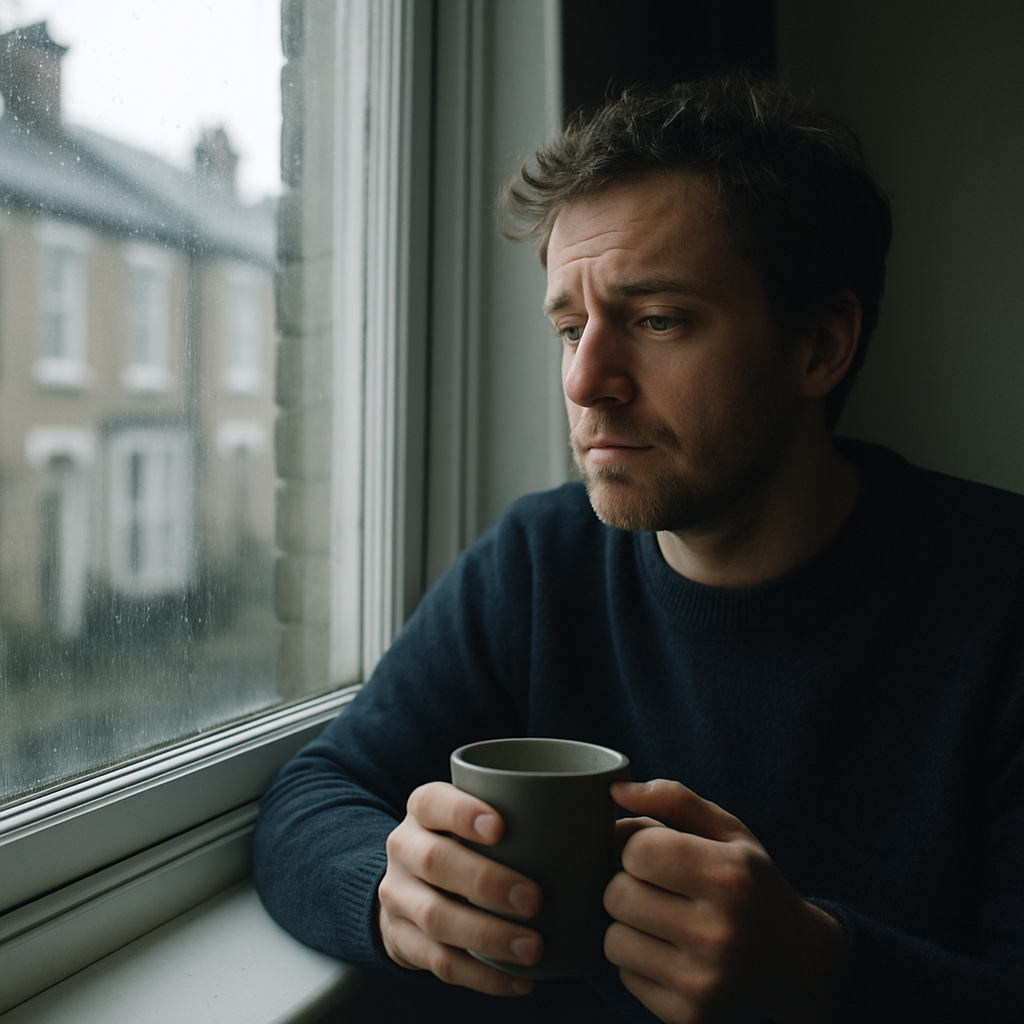
What seasonal affective disorder actually is
SAD is a form of depression with a clear seasonal pattern. It is not a personality quirk or a dislike of winter. Clinically, it is a recurrent depressive disorder, which means episodes return most years, typically from October onwards, lifting again in spring. The NHS recognises it as a genuine condition, not a mood preference.
The leading theory behind SAD involves the reduced daylight in autumn and winter disrupting the body’s production of serotonin and melatonin. The suprachiasmatic nucleus in the brain, which governs our circadian rhythm, is heavily influenced by light hitting the retina. Less light means less regulation, and for some people the effect is severe enough to meet the clinical threshold for depression.
Seasonal affective disorder UK symptoms include: persistent low mood lasting most of the day across most days, loss of interest in activities you would normally enjoy, significant fatigue even after sleeping, increased appetite (particularly for carbohydrates), sleeping considerably more than usual, difficulty concentrating, and feelings of hopelessness or worthlessness. A defining feature is that these symptoms resolve in spring without any specific treatment.
How it differs from ordinary winter tiredness
General winter tiredness, sometimes called subsyndromal SAD or the winter blues, shares some surface-level features. You might feel slower, less motivated, and more inclined to stay indoors. Energy dips in the afternoon. You want comfort food. These experiences are real, but they do not typically interfere with your ability to function.
The distinction worth paying attention to is severity and impact. If low mood or fatigue is stopping you from going to work, maintaining relationships, or looking after yourself, that crosses a different threshold to simply feeling a bit sluggish on dark Tuesday mornings. SAD-level symptoms tend to be persistent, pervasive, and recurring year on year. They do not lift after a good night’s sleep or a brisk walk.
Another clue is pattern. If you look back and notice that similar periods of low mood happen every winter and lift each spring, that seasonal regularity is one of the diagnostic criteria your GP will ask about.
Light therapy: what the research says
Light therapy boxes are one of the most well-evidenced interventions for SAD, and the NHS mentions them as a first-line option. The idea is simple: you sit in front of a lamp that produces 10,000 lux of white light for around 30 minutes each morning. This mimics the kind of bright daylight your brain needs to regulate serotonin and suppress excess melatonin.
For general winter tiredness, light therapy boxes are also worth trying. Many people notice a lift in mood and energy within a week or two of consistent morning use. You can buy them from UK retailers like Argos, Boots, or Amazon, typically starting from around £30 up to £120 for a clinical-grade model. They are not available on NHS prescription, so you would be purchasing one privately.
The key is consistency. Using one sporadically or in the evening is unlikely to produce the same results as 20 to 30 minutes every morning, ideally within an hour of waking. If you have a history of bipolar disorder or take photosensitising medication, speak to a GP before starting light therapy.
Movement, sleep, and routine as genuine tools
For both winter tiredness and milder SAD symptoms, the fundamentals of sleep hygiene and daily movement carry more weight than most people give them credit for. A consistent wake time, even at weekends, anchors your circadian rhythm. Daylight exposure in the morning, even on a grey British day, still delivers more lux than indoor lighting.
Exercise has a reasonably well-established effect on depression through its impact on BDNF (brain-derived neurotrophic factor) and serotonin. A 30-minute walk at midday, when ambient light is at its peak, combines both benefits. It does not need to be intense. Zone 2-level effort is sufficient to stimulate mood-relevant brain chemistry without depleting already-low energy reserves.
Routine matters too. When days lose their structure, the sense of time collapsing is a genuine psychological stressor. Keeping a rough schedule for meals, movement, and wind-down signals to your nervous system that the world is still functioning, even in the dark months.
When to speak to your GP
If your symptoms are significantly affecting your quality of life, your relationships, or your work, that is the threshold for a GP conversation. You do not need to wait until things feel catastrophic. Early intervention tends to produce better outcomes.
Your GP can discuss antidepressants, talking therapies including CBT (which has good evidence for SAD), and referral to a mental health service if needed. The NHS website has detailed guidance on SAD, covering diagnosis criteria and treatment pathways, which is worth reading before your appointment so you feel prepared to have the conversation.
Going into a GP appointment with a rough record of when your symptoms started, how they affect daily life, and whether they follow a seasonal pattern will help the clinician assess your situation accurately. You know your own patterns better than anyone.
Practical steps you can start this week
Regardless of whether what you are experiencing meets the clinical bar for seasonal affective disorder UK symptoms or sits in the winter blues category, the same foundational steps are likely to help. Get outside within an hour of waking, even briefly. Set a consistent wake time and hold to it. Eat regular meals with enough protein to support stable blood sugar. Keep some social contact in your diary, even when motivation is low.
If those changes do not move the dial after two or three weeks, or if your symptoms are already at the point where getting through the day feels like a significant effort, speak to your GP. SAD is a recognised, treatable condition. There is no virtue in enduring it without support.
Frequently Asked Questions
What are the main seasonal affective disorder UK symptoms to watch for?
The key symptoms include persistent low mood most days, excessive fatigue, increased sleep, carbohydrate cravings, difficulty concentrating, and loss of interest in activities you normally enjoy. The defining feature is that these symptoms appear each autumn or winter and lift in spring, occurring in a recognisable seasonal pattern year after year.
How is SAD diagnosed in the UK?
There is no specific test for SAD. A GP will assess your symptoms against diagnostic criteria, asking about the pattern, severity, and impact on daily functioning. They may also rule out other conditions such as hypothyroidism, which can produce similar fatigue and low mood. A record of when your symptoms start and end each year is genuinely useful to bring to your appointment.
Do light therapy boxes actually work for SAD?
Clinical evidence supports light therapy as an effective intervention for SAD. A 10,000 lux lamp used for 20 to 30 minutes each morning can help regulate the serotonin and melatonin disruption that drives SAD symptoms. Results are typically noticed within one to two weeks of consistent daily use, though it works better for some people than others.