Feel better, one day at a time
-
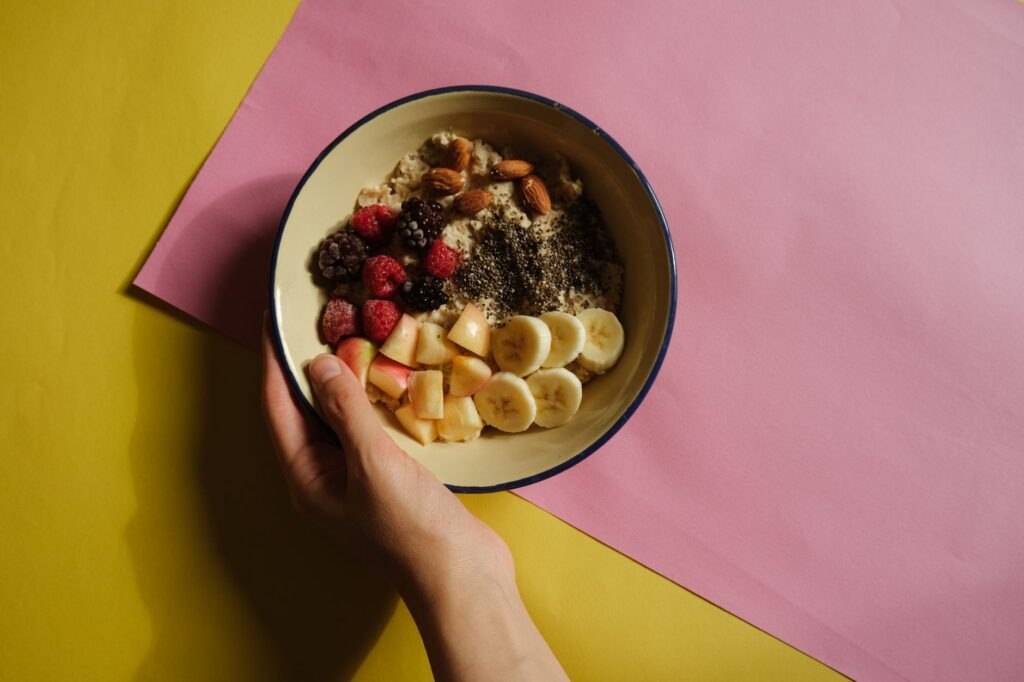
How Much Fibre Are British People Actually Eating, and Why the Gap Matters More Than You Think
Most UK adults fall well short of the daily fibre intake target. Here’s what the data shows and how to close the gap with everyday supermarket staples.
-
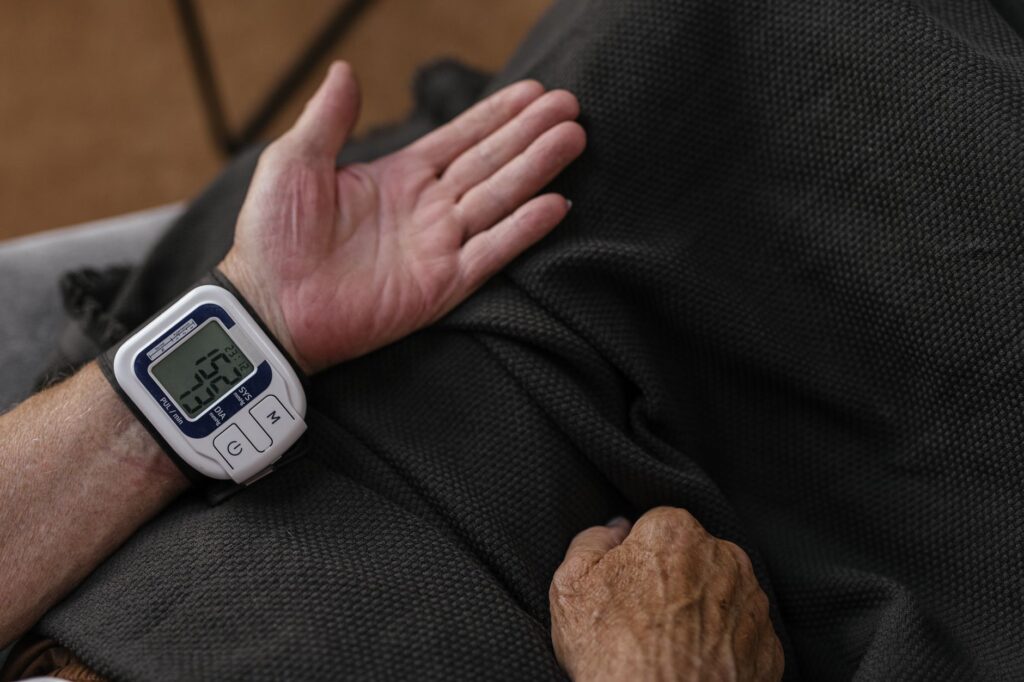
Why Your Blood Pressure Reading at the GP Surgery Might Not Tell the Full Story
White coat hypertension is more common than most people realise. Here’s how home blood pressure monitoring works, which devices to trust, and when to see
-
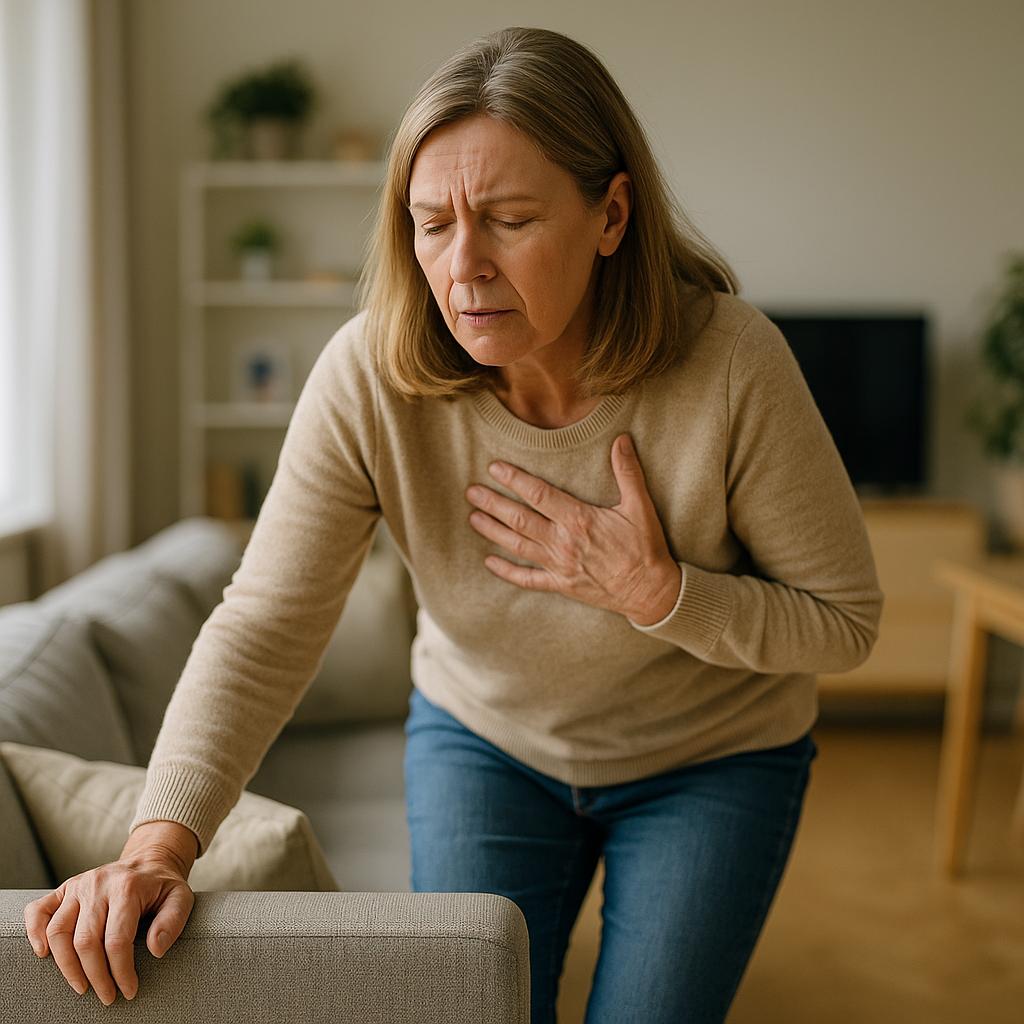
Postural Hypotension: Why You Feel Dizzy When You Stand Up and When to Mention It to Your GP
Dizzy when standing up causes UK: from dehydration to medication side effects. Learn what postural hypotension means and when to get it checked.
-

What Is Body Doubling and Why Are So Many UK Adults Using It to Finally Get Things Done?
Body doubling is helping UK adults with ADHD and anxiety get things done. Here’s what it is, why it works, and how to try it yourself.
-

Loneliness Is a Public Health Crisis in the UK, Here Is What It Is Actually Doing to Your Body
Loneliness is more than an emotional state. Discover the measurable physiological effects of chronic loneliness on UK adults, from cortisol to heart
-
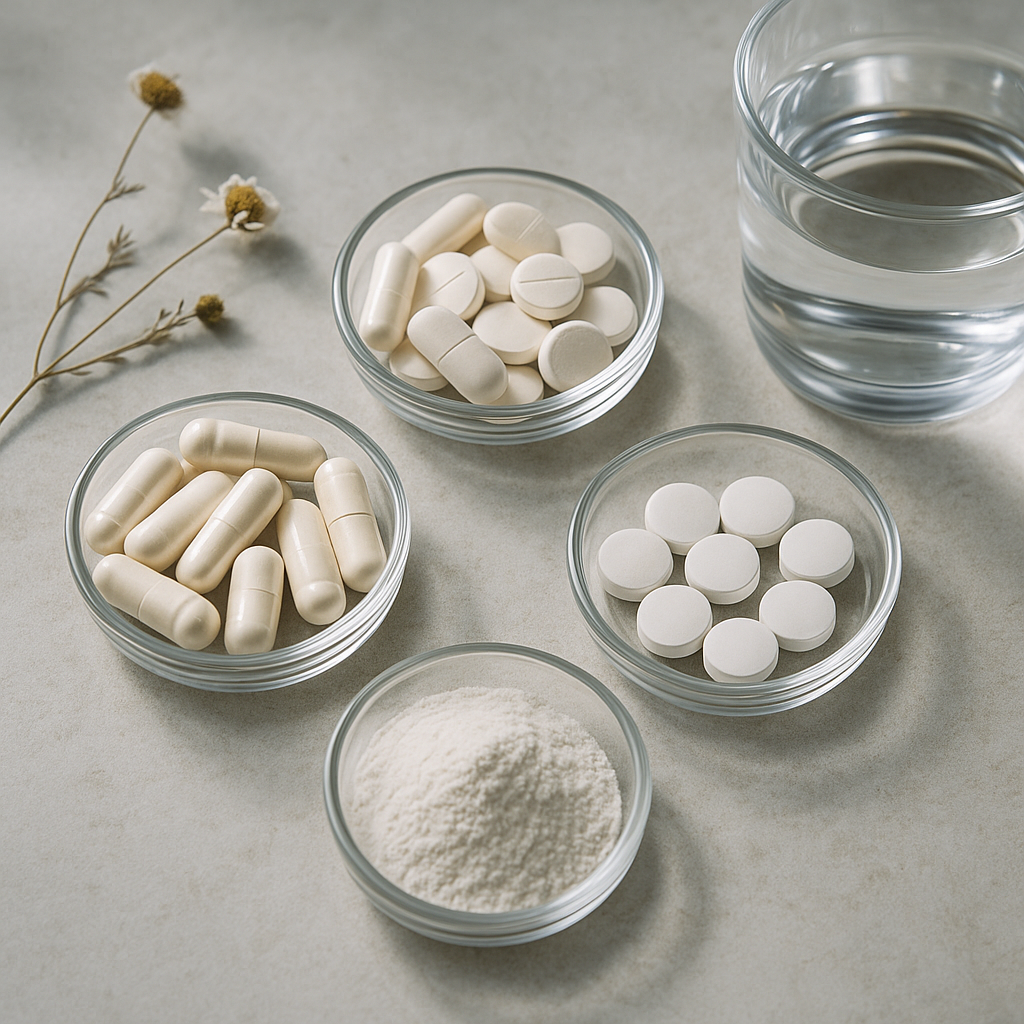
Magnesium: The Supplement Most British People Are Getting Wrong
Not all magnesium supplements UK products are equal. Learn the difference between glycinate, citrate and oxide, and which is worth buying.
-
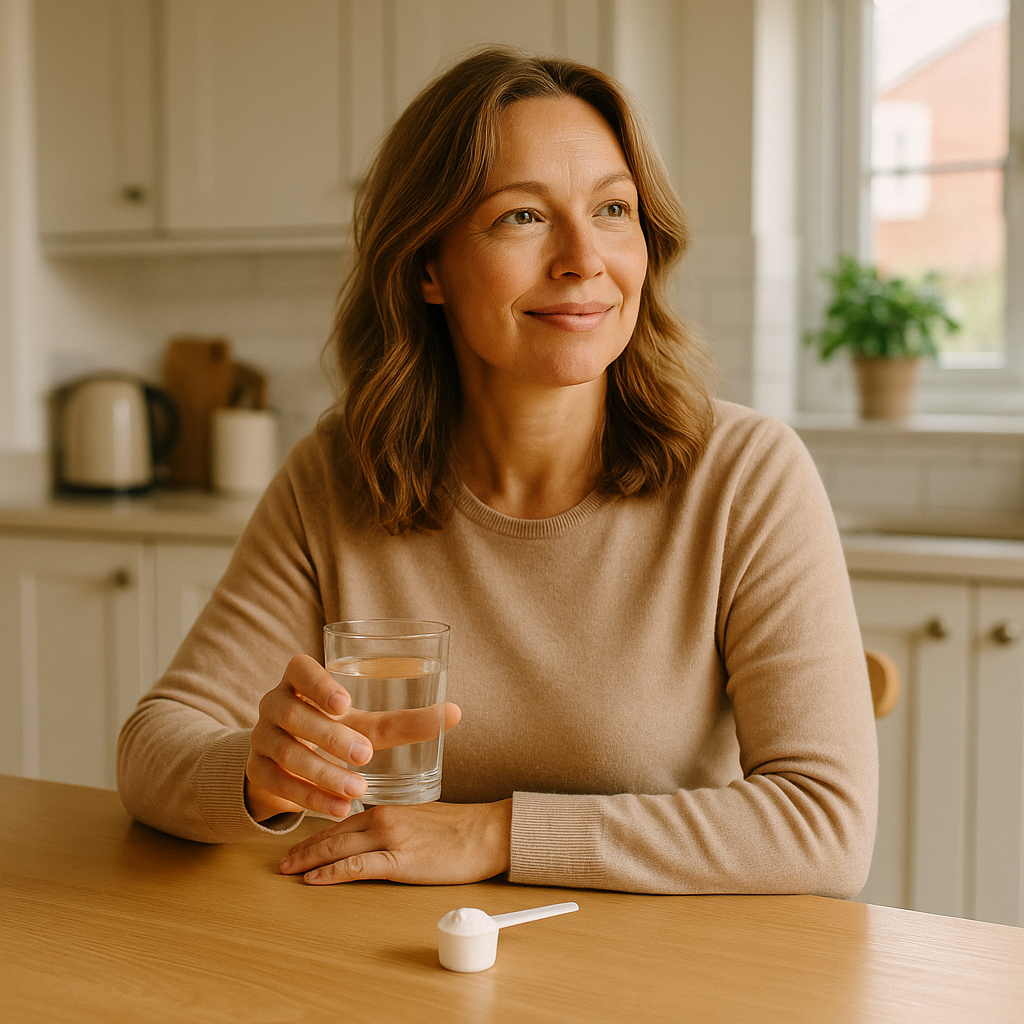
The Truth About Creatine for Women: Should It Be Part of Your Supplement Routine?
Creatine for women UK: the evidence on muscle strength, brain health, and perimenopause. Honest guidance for women in their 30s, 40s, and beyond.
-
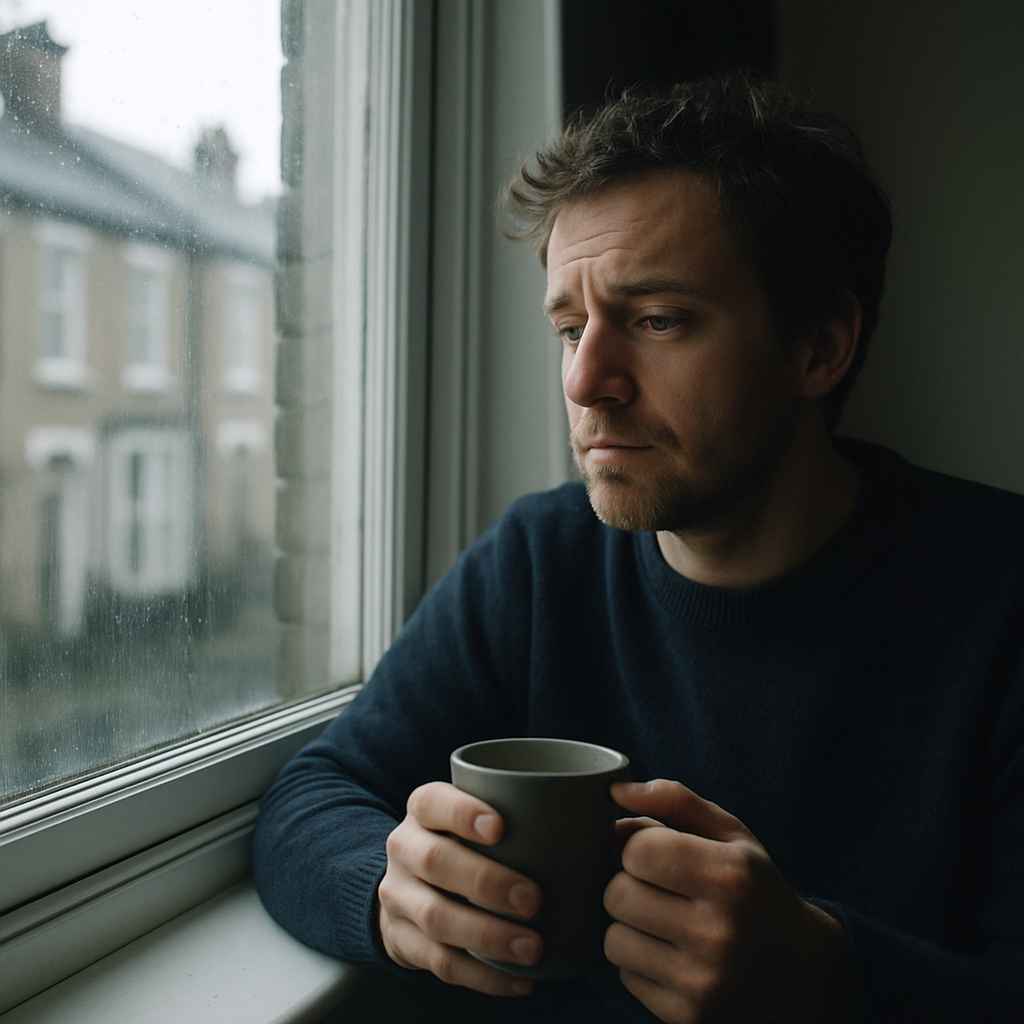
Seasonal Affective Disorder vs Winter Tiredness: How to Tell the Difference and What the NHS Recommends
Learn the difference between seasonal affective disorder UK symptoms and general winter tiredness, plus what light therapy, movement and the NHS can offer.
-
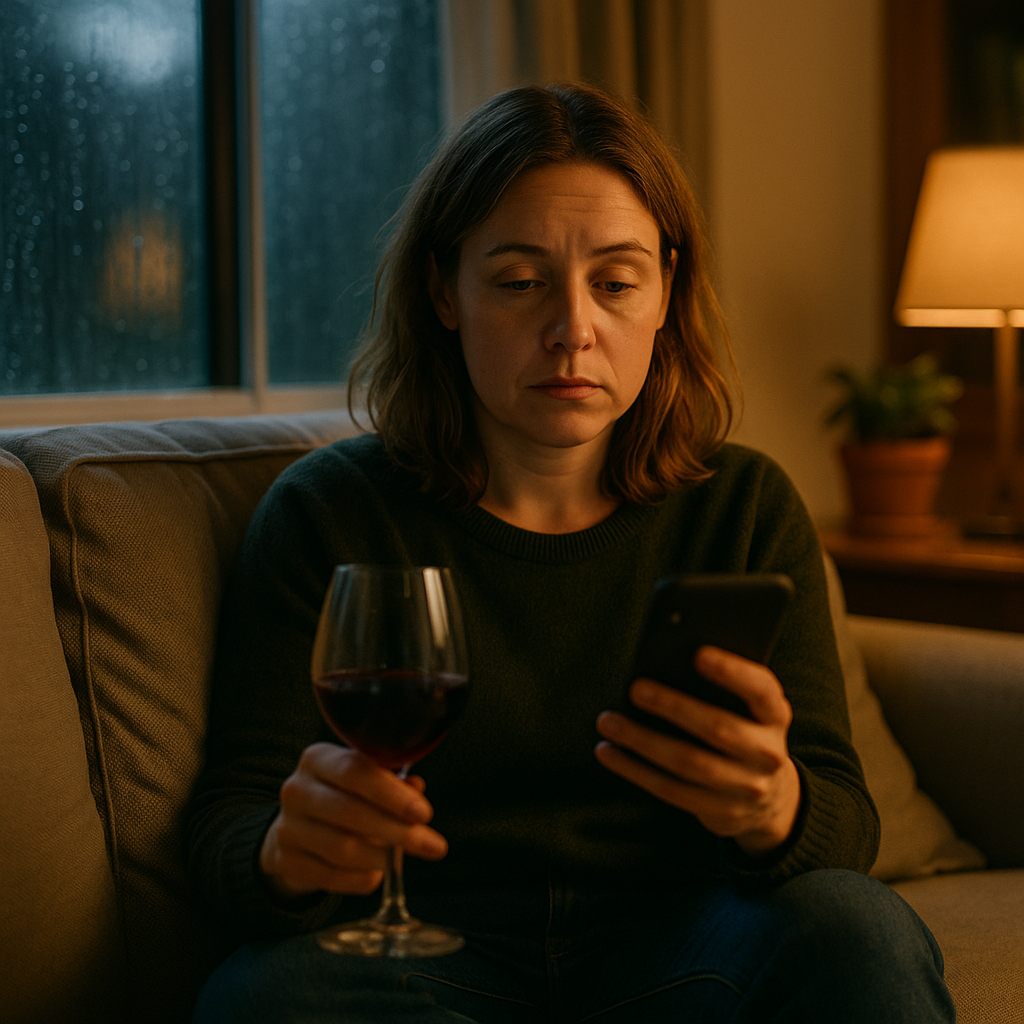
What Is ‘Brownie Points’ Brain? The Science Behind Reward-Seeking Habits and How to Break the Cycle
Discover the science behind reward-seeking habits like drinking, scrolling and snacking — and how to break the reward habit cycle for better health in the